
Yes, dogs can eat plain cabbage leaves in small amounts, raw or cooked, as long as nothing has been added to them. Cabbage isn’t toxic to dogs, and a few bites of a clean leaf make a crunchy, low-calorie snack for most healthy pups.
The catch is what comes with it. Cabbage gives many dogs gas, and the cabbage dishes on your dinner table often hide onion, garlic, butter, or dressing.
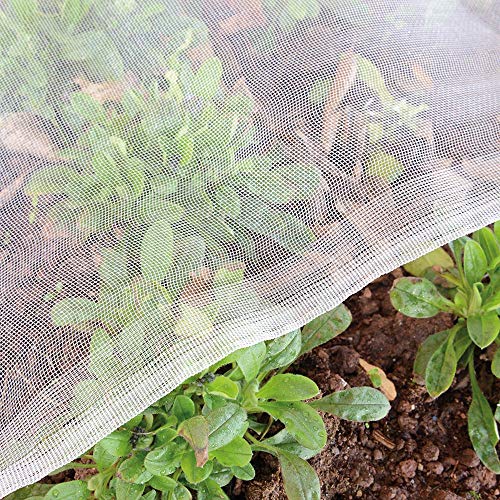
If you grow your own heads, I’d also plan for a dog who decides the cabbage patch is a salad bar.
The Short Answer: Plain Leaves Are Fine in Small Amounts
Cabbage is safe for dogs when it’s plain, chopped small, and fed as an occasional treat. Vets generally see it as a harmless vegetable that’s easy to overdo.
Feeding cabbage to dogs works best when you think of it like a carrot stick. It’s a snack, and it sits on top of a complete dog food, never in place of one.
A few ground rules I’d follow every time:
- Plain only. No salt, oil, butter, or seasoning.
- Small pieces. Chop leaves into bite-size bits about the size of your dog’s kibble.
- Small amounts. Keep all treats, cabbage included, to 10% or less of your dog’s daily calories.
- Go slow. Offer a little the first time and see how your dog’s stomach handles it.
If you’re growing your own, a sturdy garden fence around the bed and a fresh packet of cabbage seeds are about all you need to supply both your kitchen and your dog’s treat jar.
Homegrown leaves are handy because you know exactly what’s been sprayed on them. If you’d like to start a crop, my guide on how to grow cabbage covers timing, spacing, and soil.
Rinse store-bought or garden leaves well before sharing. Garden leaves can carry soil, slugs, or caterpillars, and you’ll want to pull off any wilted or slimy outer leaves first.
Should You Serve Cabbage Leaves Raw or Cooked?
Both raw and cooked cabbage leaves are fine for dogs, but cooked leaves are softer and gentler on the stomach. Raw leaves give more crunch, so they need careful chopping to avoid choking.
How to Prepare Raw Leaves Without a Choking Hazard
Raw cabbage is tough and fibrous, and a dog who gulps a big piece can choke or gag on it. The thick center rib and the core are the hardest parts to chew.
Here’s how I’d prep raw leaves:
- Pick tender inner leaves. They’re thinner and milder than the outer wrapper leaves.
- Rinse them under cool water and pat dry.
- Cut out the thick white rib running down the middle.
- Chop or shred the leaf into small pieces. For small dogs, think fingernail-size bits.
- Toss the core in the compost. It’s too hard for most dogs to chew safely.
Shredding with a box grater is a good trick for dogs who swallow without chewing. Fine shreds slide down easily and mix well into a meal.
Why Plain Steamed or Boiled Leaves May Be Easier to Digest
Steaming or boiling softens the tough fiber in cabbage, so a dog’s stomach has less work to do. Many dogs also find cooked cabbage less bitter and more appealing.
To cook leaves for your dog:
- Chop the leaves into small pieces.
- Steam them for 5 to 7 minutes, or boil them in plain water for about 5 minutes, until soft.
- Drain well and let them cool to room temperature.
- Serve plain, or mix a spoonful into your dog’s regular food.
Skip the oil and salt in the pot. If you’re cooking cabbage for your own dinner, pull out a portion for the dog before you add any seasoning.
How Much Cabbage Should You Give Your Dog?
A few small bites is plenty for a first try, and even an established cabbage fan only needs a small handful. How much cabbage a dog can eat comes down to body size and how well the dog’s gut handles fiber.
Start with a Few Small Bites
The first time you offer cabbage, give two or three small pieces and wait. Gas or a soft stool usually shows up within 6 to 24 hours if your dog’s stomach disagrees with it.
If your dog does fine, you can offer a little more next time. I’d stick to cabbage a couple of times a week instead of every day, which gives your dog’s digestion a break and keeps it a treat.

Adjust Portions for Small, Medium, and Large Dogs
Use this table as a rough starting point for chopped, plain cabbage. Your dog’s age, activity level, and other treats that day all change the right amount.
| Dog size | Example breeds | Starting serving | Regular serving |
|---|---|---|---|
| Small (under 20 lbs) | Chihuahua, Shih Tzu | 2 or 3 tiny bites | A small pinch of chopped leaf |
| Medium (20 to 50 lbs) | Beagle, Border Collie | A few small pieces | A small spoonful |
| Large (over 50 lbs) | Labrador, German Shepherd | A small handful of bits | A larger spoonful or two |
Remember the 10% rule for treats. If your dog already gets training treats or chews that day, give less cabbage.
What Side Effects Should You Watch For?
Gas is the side effect you’re most likely to see, and it’s the main reason cabbage gets a bad name with dog owners.
Cabbage is a cruciferous vegetable, and its fiber and natural sugars ferment in the gut, which produces smelly gas and sometimes a loose stool.
Gas, Bloating, and Loose Stool
Signs that your dog had too much cabbage include:
- Extra gas, often very smelly
- A gurgling belly
- Soft or loose stool
- Mild belly discomfort, like restlessness or stretching
- Occasional vomiting
For most dogs these signs are mild and pass within a day. Stop the cabbage, give plain food and fresh water, and let the gut settle.
If your dog seems uncomfortable but the stool is fine, try a smaller amount of cooked cabbage next time. Some dogs handle cooked leaves well even when raw ones bother them.
What to Do If Your Dog Eats a Lot of Leaves
If your dog raided the vegetable drawer or ate a whole pile of leaves from the garden, plain cabbage itself isn’t poisonous. Expect a gassy, messy day, and keep an eye on your dog for the next 24 hours.

Call your vet right away if you see any of these:
- A swollen, tight belly
- Retching or trying to vomit with nothing coming up
- Repeated vomiting or diarrhea lasting more than a day
- Weakness, drooling, or pale gums
A swollen belly with dry heaving can point to bloat, which is an emergency.
If the cabbage was cooked with onion or garlic, or your dog got into coleslaw, call your vet or the ASPCA Animal Poison Control Center at (888) 426-4435. A consultation fee may apply.
Which Cabbage Dishes Are Unsafe for Dogs?
Cabbage dishes made with onion, garlic, heavy seasoning, or rich dressing are the ones to keep away from your dog. The cabbage is fine; the ingredients cooked with it cause the trouble.
Onion, Garlic, and Heavy Seasoning
Onion and garlic are toxic to dogs in every form, including raw, cooked, dried, and powdered. They damage red blood cells and can cause anemia, and the damage can build up over several days.
Leeks, chives, and shallots belong to the same plant family and carry the same risk.
Common cabbage dishes that often include these ingredients:
- Cabbage rolls (onion, garlic, and seasoned meat)
- Sauerkraut (very salty)
- Stir-fries with soy sauce and garlic
- Corned beef and cabbage (salty, fatty)
- Fried cabbage with bacon and butter
- Cabbage soup made with onion or broth
High salt and fat are problems too. Fatty foods can trigger stomach upset and, in some dogs, pancreatitis. Your safest move is to set aside plain leaves before you season anything.
Why Coleslaw and Other Dressed Cabbage Are Poor Choices
Coleslaw is a poor choice for dogs because the dressing is high in fat and sugar, and many recipes include onion. A mayo-based slaw can upset a dog’s stomach even when it’s onion-free.
Other dressed cabbage dishes carry the same problem. Kimchi has garlic and hot pepper, and vinegar-based slaws often hide onion or celery seed blends. If you can’t see every ingredient, keep it off your dog’s plate.
Which Dogs Need Extra Caution?
Dogs with thyroid disease, sensitive stomachs, or a history of bloat should get cabbage only with a vet’s okay. For these dogs, even a small serving brings more risk than benefit.
Dogs with Thyroid Conditions
Cabbage contains natural compounds that interfere with how the thyroid uses iodine when eaten in large amounts. A few bites now and then aren’t a concern for a healthy dog. For a dog with hypothyroidism, I’d ask your vet first.
Cooking lowers the level of these compounds, so a vet who approves cabbage may suggest cooked leaves only. Keep servings small and occasional, and don’t change your dog’s diet in ways that might affect medication results.
Dogs with Sensitive Stomachs or a History of Bloat
Dogs who get diarrhea easily, or who have conditions like inflammatory bowel disease, don’t do well with gassy vegetables. A vet can tell you whether cabbage fits or whether another snack is a better pick.
Large, deep-chested breeds such as Great Danes, Standard Poodles, and German Shepherds have a higher risk of bloat. For these dogs, I’d skip gas-producing foods like cabbage unless your vet says otherwise. Green beans or a few carrot slices are calmer choices.
What Benefits Can a Small Serving Offer?
A small serving of cabbage adds fiber, a little vitamin C and vitamin K, and crunch for very few calories. Those are modest perks. A balanced dog food already covers your dog’s nutrition, so cabbage won’t fix health problems or replace anything in the bowl.
Fiber and Digestive Health
Cabbage leaves carry both soluble and insoluble fiber. In small amounts, fiber helps move food through the gut and supports regular stools.
The key phrase is small amounts. The same fiber that helps in a spoonful causes gas and loose stool in a big serving, so more cabbage won’t give more benefit for your dog’s digestive health.
Vitamin C, Vitamin K, and a Low-Calorie Treat
Cabbage contains vitamin C and vitamin K. Dogs make their own vitamin C, and complete dog foods supply vitamin K, so think of these as a small bonus.
The bigger perk is calories. A cup of chopped raw cabbage has about 22 calories, so a few bites are a good swap for fatty store-bought treats, especially for dogs who need to lose a few pounds. Many dogs also enjoy the crunch.
Do Different Cabbage Varieties Change the Advice?
The same rules apply to every common cabbage: plain, chopped, and in small amounts. Texture and flavor differ a bit, which can make some types easier for your dog to chew.
Green, White, and Red Cabbage Leaves
Green and white cabbage are both forms of Brassica oleracea var. capitata, the familiar round, tight head. Their leaves are firm and crunchy, so chop them finely or cook them.
Red cabbage is safe too. Its purple color comes from antioxidants called anthocyanins, and its leaves are a little tougher and more peppery than green.
It can also tint your dog’s