
Organic gardening is one of the simplest ways to grow food you feel good about. You skip synthetic sprays and fertilizers, feed the soil instead of just the plant, and let nature handle more of the work.
The benefits of organic gardening show up in your soil, your harvest, your wallet and the wildlife in your yard.
I want to be honest up front, though. Organic gardening is not an overnight fix. Most of these rewards build over a season or two as your soil comes alive, so patience is part of the deal.
What Organic Gardening Means
Organic gardening means growing plants without synthetic fertilizers, pesticides or herbicides. Instead, you build healthy soil with natural materials and manage pests with smart planting and simple, low-impact methods.
Organic gardening pairs well with cutting waste, and my zero-waste gardening guide shows how to reuse kitchen scraps, containers and rainwater.
The Core Idea: Feed the Soil
The heart of organic growing is soil care. Rather than pouring quick-release chemical fertilizer on plants, you add compost, aged manure, leaf mold and mulch. These materials feed the living things in the soil, and those organisms feed your plants.
It’s a slower system. But it’s also more stable, because you’re building something that lasts instead of renting nutrients one bottle at a time.
What You Use Instead of Chemicals
Organic gardeners rely on a short list of natural inputs and habits. Here are the basics:
- Compost made from yard waste and kitchen scraps
- Aged manure that is at least 6 months old
- Leaf mold, worm castings and cover crops
- Mulch to protect the soil surface
- Crop rotation and companion planting
- Hand-picking pests and using physical barriers
If you’re brand new, my advice is to read up on starting an organic garden before you buy anything. A little planning saves a lot of guesswork.
Two Products Worth Having
Two product types make organic gardening much easier. The first is a compost bin, which keeps your pile tidy and helps it hold heat and moisture. A simple enclosed bin or a wire bin both work well in a backyard.
The second is an organic vegetable fertilizer. Look for one made from natural ingredients like bone meal, feather meal, kelp or alfalfa. It’s handy while your soil is still improving, since compost alone may not supply everything hungry crops need in year one.

Healthier, Living Soil
Organic gardening builds soil that is full of life, holds water better and feeds plants steadily. This is the foundation for nearly every other benefit on this list.
Benefit 1: More Soil Life
Healthy soil is packed with earthworms, fungi, bacteria and tiny insects. These organisms break down organic matter and release nutrients in forms roots can use. Synthetic chemicals can disrupt this underground community, while compost and mulch help it grow.

When you dig into organic soil after a few seasons, you’ll often notice more worms and a darker, crumbly texture. That’s a sign the system is working.
Benefit 2: Better Structure and Water Holding
Organic matter acts like a sponge. In sandy soil, it helps hold water and nutrients that would otherwise drain away. In heavy clay, it loosens things up so roots can spread and water can soak in.

Better structure also means less crusting, less runoff and less erosion. If your beds feel like concrete or dry out fast, start with these tips on improving garden soil.
How to Build Compost the Right Way
Compost is the number one tool for living soil. The recipe is simple once you know the ratio.
| Ingredient Type | Examples | Ratio by Volume |
|---|---|---|
| Browns (carbon) | Dry leaves, straw, shredded cardboard and paper | 2 to 3 parts |
| Greens (nitrogen) | Vegetable scraps, coffee grounds, fresh clippings | 1 part |
Keep the pile about as moist as a wrung-out sponge. A hot pile at least 3 by 3 by 3 feet can reach 130 to 160°F.
Turn it every 1 to 2 weeks, and it can finish in about 2 to 6 months. A cold pile takes 6 to 12 months or longer.
Keep these out of your pile:
- Meat, dairy and oils
- Dog or cat waste
- Diseased plants
- Weeds that have gone to seed
- Treated wood
If something goes wrong, the smell usually tells you why. An ammonia smell means too many greens. A rotten smell means the pile is too wet or packed down. A slow pile is usually too dry or has too many browns.
No yard? A worm bin with red wiggler worms works indoors and turns kitchen scraps into rich castings.
Fewer Synthetic Chemicals on Your Food
Growing organically means you control exactly what touches your food. You skip synthetic pesticide residues and keep your yard safer for the people and pets who use it.
Benefit 3: Peace of Mind at the Table
When you grow your own organic vegetables, you know what went on them. There’s no guessing about sprays or residues. You can pick a tomato and eat it right there in the garden.
That peace of mind is one of the biggest reasons people make the switch. It’s especially comforting if you have young kids who like to snack straight from the plants.
Benefit 4: A Safer Yard for Kids and Pets
Many synthetic lawn and garden chemicals carry warning labels for a reason. Going organic cuts down on those products in the spaces where your family plays. It also means fewer chemicals stored in your garage.
Keep in mind that “organic” doesn’t mean everything is harmless. Some natural products and plants can still be toxic to pets. The ASPCA keeps a helpful list of plants that are toxic to cats and dogs, and it’s worth checking before you plant.
Use Even Organic Sprays Sparingly
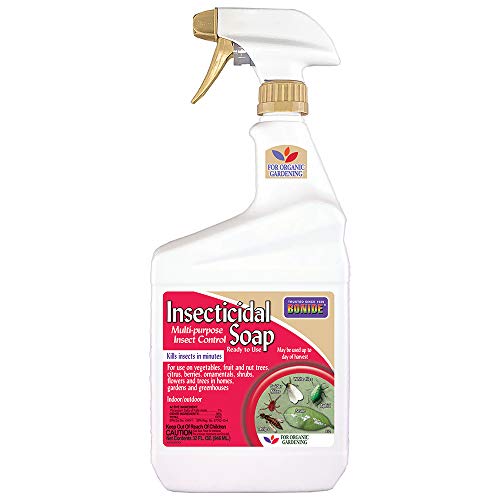
Organic gardeners do have some approved sprays, like insecticidal soap or neem oil. But my advice is to treat them as a last resort, not a routine. Even natural sprays can harm beneficial insects if you use them carelessly.
Always read and follow the label. Spray in the early morning or evening when bees are less active, and target only the plants with problems.
Better for Pollinators and Wildlife
Organic gardens give bees, butterflies, birds and other wildlife a safer place to feed and live. Fewer chemicals and more plant variety make your yard a small but real refuge.
Benefit 5: A Safer Home for Pollinators
Bees, butterflies, moths and other pollinators are essential for many crops. Squash, cucumbers, melons and many fruits need their help to set fruit. Some synthetic pesticides are harmful to bees, and the EPA requires bee-protection warnings on certain products.
By skipping those chemicals, you give pollinators a healthier place to work. In return, you often get better fruit set and bigger harvests.
Benefit 6: More Wildlife and Natural Balance
An organic yard tends to attract more life overall. Birds eat caterpillars and beetles. Toads and frogs eat slugs. Ladybugs and lacewings eat aphids. All of these creatures help keep your garden in balance.
This variety is a big part of creating a sustainable garden, where each part supports the others instead of relying on outside inputs.
Simple Ways to Invite Pollinators In
You don’t need a big yard to help. A few small changes make a difference:
- Plant flowers that bloom at different times from spring to fall
- Include herbs like dill, basil, cilantro and oregano and let some flower
- Add native plants that local insects already know
- Leave a shallow dish of water with pebbles for landing spots
- Leave some bare soil and a few hollow stems for nesting bees
- Skip pesticides on anything in bloom
Fewer Pest Emergencies Over Time
Organic gardens usually have fewer pest crises once they mature. Healthy plants resist damage better, and natural predators move in to keep pest numbers down.
Benefit 7: Natural Pest Control That Builds on Itself
Here’s the honest truth. Your first organic season may have more pest trouble than you expect. That’s because beneficial insects take time to find your garden and settle in.
But once they do, the system starts working for you. Predators follow their prey, so a small aphid outbreak often attracts ladybugs that clean it up. Broad-spectrum sprays kill those helpers too, which can lead to a cycle of new outbreaks.
Why Healthy Plants Resist Pests
Pests often target stressed plants first. Plants growing in rich, living soil with steady moisture tend to be stronger. They can handle a little chewing and bounce back faster.
Too much quick-release nitrogen can also cause soft, lush growth that aphids love. Organic fertilizers release nutrients more slowly, which leads to steadier, sturdier growth.
Organic Pest Control Methods That Work
Most pest problems can be handled with simple, hands-on methods. Here’s a quick comparison:
| Method | Best For | How It Works |
|---|---|---|
| Hand-picking | Hornworms, beetles, slugs | Remove pests by hand and drop them in soapy water |
| Row covers | Cabbage worms, flea beetles, squash pests | Lightweight fabric blocks insects from reaching plants |
| Strong water spray | Aphids, spider mites | Knocks soft-bodied pests off leaves |
| Crop rotation | Soil-borne pests and diseases | Moves plant families to new spots each year |
| Companion planting | Many pests | Flowers and herbs attract helpful predators |
| Insecticidal soap | Aphids, whiteflies | Last-resort spray for soft-bodied insects |