
Money tree plants are popular houseplants known for their braided trunks and lush foliage. These tropical trees bring a touch of nature indoors and are said to attract good fortune. As they grow, money trees need larger pots to thrive. Repotting a money tree is best done every 2-3 years or when roots start growing out of drainage holes.
Repotting gives money trees fresh soil and more room for roots to spread. It also allows you to check the plant’s health and trim any damaged roots. The process is simple but requires care to avoid harming the plant. With the right steps, you can successfully repot your money tree and keep it growing strong for years to come.
Understanding Money Tree Plant Basics
Money tree plants are popular houseplants known for their unique braided trunks and lush green leaves. They are easy to care for and said to bring good luck and prosperity.

Pachira aquatica is the scientific name for the money tree plant. It belongs to the mallow family and is native to Central and South America. In the wild, these trees can grow up to 60 feet tall.
Money trees have compound leaves with 5-7 leaflets arranged in a palm-like pattern. Their trunks are often braided for decorative purposes.
Indoor money trees typically reach heights of 6-8 feet. They grow slowly and can live for many years with proper care.
Money trees are thought to bring good fortune in Feng Shui practices. The five leaves on each stem represent the five elements: wood, water, earth, metal, and fire.
Many believe placing a money tree in the southeast corner of a room or home attracts wealth and success. Some tie red ribbons to the branches to enhance the plant’s lucky properties.
While not scientifically proven, the money tree’s association with prosperity makes it a popular gift for new businesses or home dedications.
Ideal Growing Conditions for Healthy Growth
Money trees thrive in bright, indirect light. Direct sunlight can scorch their leaves. They prefer temperatures between 65-75°F (18-24°C).
These plants like humidity but don’t need constant moisture. Allow the top inch of soil to dry between waterings. Use a well-draining potting mix to prevent root rot.
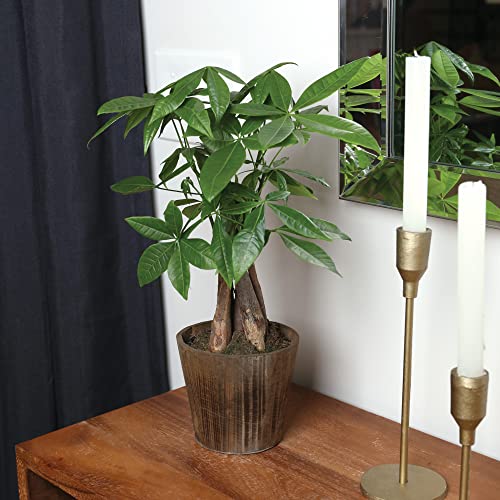
Money trees can tolerate some neglect but do best with consistent care. Fertilize monthly during the growing season with a balanced, water-soluble fertilizer.
Prune occasionally to maintain shape and size. Wipe leaves with a damp cloth to remove dust and keep them looking fresh.
Check out Money Tree Plant Problems and Solutions
Determining the Need for Repotting a Money Tree Plant
Money trees need new homes when they outgrow their pots. Look for key signs that show it’s time to repot your plant. Pay attention to the roots, soil, and overall health of your money tree.
Recognizing Signs of a Root-Bound Plant
A root-bound money tree has roots that have filled up its pot. Look for roots coming out of drainage holes or growing on the soil surface. The plant may seem top-heavy or unstable. It might need more water than usual. Growth may slow down or stop. Leaves might turn yellow or fall off. If you see these signs, it’s time to give your money tree more space.
To check, gently remove the plant from its pot. If the roots are tightly coiled or form a dense mat, your money tree is root-bound. A healthy root system should be white or light-colored. Dark or mushy roots are a bad sign.
Assessing Nutrient Depletion in Soil
Old soil can’t give your money tree the food it needs. Watch for slow growth, pale leaves, or smaller new leaves. These are signs of nutrient depletion. The soil might look dry, dusty, or compacted. It may not hold water well.

Test the soil pH if you can. Money trees like slightly acidic soil. If the pH is off, it’s hard for the plant to get nutrients. Fresh potting mix can fix this problem.
Repotting with new soil gives your money tree a nutrient boost. This helps it grow strong and healthy.
Identifying Signs of Root Rot
Root rot is a serious problem caused by too much water. It can kill your money tree if not fixed. Look for wilting leaves that don’t perk up after watering. The stem might feel soft near the soil. Leaves may turn yellow or brown and fall off.
Smell the soil. A bad, rotting smell is a clear sign of root rot. If you suspect root rot, act fast. Take the plant out of its pot and check the roots. Healthy roots are firm and light-colored. Rotten roots are dark, soft, and smell bad.
Cut away any rotten parts with clean scissors. Repot in fresh, well-draining soil. Use a pot with good drainage holes. Water less often to prevent future problems.
Check out How to Propagate a Money Tree Plant?
Preparing for Repotting a Money Tree Plant
Getting ready to repot your money tree takes some planning. The right timing, pot selection, and tools make a big difference in success.
Choosing the Right Time: Growing Season
Spring and summer are the best times to repot a money tree. These warmer months are when the plant grows most actively. Repotting during this time helps the tree adjust to its new home faster.

Avoid repotting in fall or winter. The plant is less active then and may struggle to adapt. If you must repot in colder months, take extra care to protect the roots.
Watch for signs that your tree needs a new pot. These include roots poking out of drainage holes or the soil drying out quickly after watering.
Selecting a Suitable Pot Size and Material
Pick a pot 1-2 inches wider than the current one. This gives roots room to grow without overwhelming the plant. Make sure the new pot has drainage holes to prevent water buildup.
Clay or terracotta pots work well for money trees. They allow air and water movement, which helps prevent root rot. Plastic pots are fine too, but may need more careful watering.
Choose a sturdy pot that can support the tree’s weight. Money trees can grow tall, so a heavy base helps keep them stable.
Gathering Required Tools and Materials
You’ll need:
- Fresh potting soil made for indoor plants
- A trowel for digging and filling
- Gardening gloves to protect your hands
- Scissors or pruning shears for trimming roots
- A watering can
Have a clean work area ready. Spread out newspaper or a tarp to catch spills. Fill the new pot partway with soil before you start.
Get some pebbles or broken pottery pieces. These help improve drainage when placed at the bottom of the pot.

Check out How Big Does a Money Tree Plant Get?
Money Tree Plant Repotting Process
Repotting a money tree helps it grow healthy and strong. This process involves careful steps to move the plant to a new home. Let’s look at how to do it right.
Step-by-Step Guide to Repotting
- Choose a new pot 1-2 inches bigger than the current one.
- Get fresh potting mix ready.
- Water the plant a day before repotting.
- Gently remove the plant from its old pot.
- Loosen the roots if they’re tightly packed.
- Put some soil in the new pot.
- Place the plant in the center.
- Fill around it with more soil.
- Pat the soil down lightly.
- Water the plant well.
After repotting, keep the money tree in a warm, bright spot. Don’t water it again until the top inch of soil feels dry.
Correctly Handling the Root Ball and Roots
The root ball is the main part of the plant’s root system. Handle it with care when repotting. If the roots are tangled, gently untangle them with your fingers. Trim any damaged or very long roots with clean scissors.
Don’t remove too much of the root system. This can shock the plant. If you see any mushy or black roots, cut them off. These might be signs of root rot.
Shake off some of the old soil, but keep some around the roots. This helps the plant adjust to its new pot more easily.
Mixing the Best Soil for Money Tree
Money trees need well-draining soil. A good mix includes:
- 2 parts peat moss
- 1 part perlite
- 1 part coarse sand
This mix helps water drain quickly and gives roots room to grow. You can also buy pre-made potting soil for tropical plants. Add extra perlite to improve drainage if needed.
Make sure the soil is moist but not wet when you repot. This helps the plant settle into its new home. Avoid packing the soil too tightly. Loose soil lets roots breathe and grow better.
Post-Repotting Care of Money Tree Plant
Proper care after repotting is key for your money tree’s health. Focus on gentle watering, watching for shock signs, and checking for pests. These steps help your plant settle into its new home.

Watering and Initial Care After Transplant
Water your newly repotted money tree right away. Use room temperature water and make sure it drains well. Don’t let the plant sit in water.
For the first week, keep the soil slightly damp. After that, let the top inch of soil dry between waterings. This helps roots grow strong.
Place your money tree in bright, indirect light. Avoid direct sun, which can stress the plant. Keep it away from cold drafts or heat sources.
Mitigating Transplant Shock
Transplant shock can happen when you move your money tree. Look for drooping leaves or leaf drop. These are normal signs of stress.
To help your plant:
- Keep it in a stable spot
- Maintain even moisture
- Avoid fertilizing for a month
If leaves turn yellow or brown, don’t panic. Remove damaged leaves to help the plant focus on new growth.
Monitoring for Pest Infestations
Check your money tree often for pests after repotting. Common pests include:
- Mealybugs: Look like white cotton on leaves
- Spider mites: Cause tiny webs between leaves
- Brown scale: Appear as brown bumps on stems
If you spot pests, act fast. Wipe leaves with a damp cloth. For bad cases, use insecticidal soap or neem oil.
Keep your plant clean and dust-free. This makes it harder for pests to settle in. Good air flow also helps prevent pest problems.
Maintaining Your Money Tree Plant Long-Term
Proper care keeps money trees healthy for years. Focus on light, water, and soil to help your plant thrive.
Regular Care and Troubleshooting
Check your money tree often for signs of problems. Look at the leaves – yellow ones may mean too much water. Brown edges could show too little water or low humidity.
Prune dead or dying branches to keep the plant looking good. This also helps new growth. Use clean, sharp scissors to avoid damage.
Dust the leaves with a soft cloth. This keeps them looking nice and helps the plant breathe better.
If you see pests, act fast. Wipe leaves with soapy water for small issues. For bigger problems, use plant-safe insecticides.
Understanding Light Conditions and Watering Needs
Money trees like bright, indirect light. Put them near a window with a sheer curtain. Too much direct sun can burn the leaves.
Water when the top inch of soil feels dry. Stick your finger in to check. Don’t let the plant sit in water – this can cause root rot.
In winter, water less often. The plant grows slower and needs less moisture.
Mist the leaves or use a pebble tray to boost humidity. Money trees like moist air.
Ensuring Nutrient-Rich Soil Over Time
Use a well-draining potting mix for money trees. Add perlite or sand to improve drainage.

Fertilize during the growing season, spring to fall. Use a balanced liquid fertilizer once a month.
Stop feeding in winter when growth slows down.
Replace some of the top soil each year. This adds fresh nutrients without disturbing the roots.
Repot every 2-3 years or when roots grow out of drainage holes. Choose a pot 1-2 inches bigger in size.
Frequently Asked Questions
Money tree repotting can seem tricky, but with the right knowledge it’s quite simple. Here are answers to some common questions about repotting these popular plants.
When is the best time of year to repot a money tree?
Spring and summer are ideal for repotting money trees. The plant is actively growing during these seasons, which helps it adjust to its new container more easily. Avoid repotting in fall or winter when growth slows down.
What are the signs that a money tree needs to be repotted?
Look for roots growing out of the drainage holes or circling the top of the soil. Slow growth and soil that dries out quickly are other signs. If the plant seems top-heavy or unstable, it likely needs a bigger pot.
How do I select the appropriate soil for repotting a money tree?
Choose a well-draining potting mix. A blend made for indoor plants usually works well. Add some perlite or sand to improve drainage if needed. Avoid heavy soils that stay wet for long periods.
Can repotting my money tree cause shock, and how can I prevent it?
Yes, repotting can cause shock. To prevent this, water the plant a day or two before repotting. Be gentle when handling the roots. After repotting, keep the plant in a shaded spot for a few days and avoid fertilizing for about a month.
What size pot is ideal when repotting a money tree?
Pick a pot 1-2 inches larger in diameter than the current one. A pot that’s too big can lead to overwatering and root rot. Make sure the new pot has drainage holes at the bottom.
How do I properly water a money tree after repotting it?
Water thoroughly right after repotting. Then, let the top inch of soil dry out between waterings. Don’t water as often as before until you see new growth, which shows the plant has settled in its new home.

Conclusion
Repotting a money tree is an important part of plant care. It gives the roots more space to grow and access to fresh nutrients.
The right time to repot depends on signs like roots coming out of drainage holes or slow growth. Spring and summer are ideal seasons for repotting.
Choose a pot 1-2 inches larger than the current one. Make sure it has drainage holes. Use well-draining potting soil made for indoor plants.
Gently remove the plant from its old pot. Loosen the roots and trim any that look damaged. Place it in the new pot at the same depth as before.
Water thoroughly after repotting. Put the plant in a spot with bright, indirect light. Avoid fertilizing for a few weeks to let it adjust.
With proper repotting, a money tree can thrive for years. Regular care and repotting when needed will keep this lucky plant happy and healthy.

Hello there! I’m Elsa, and gardening is my passion. As an avid gardener, I created GardeningElsa.com to share my knowledge and experience with fellow enthusiasts. My website is a comprehensive resource for gardeners of all levels, offering expert advice on a wide range of topics, including plants, flowers, herbs, and vegetable gardening. Whether you’re a beginner looking to start your first garden or a seasoned pro seeking to expand your knowledge, GardeningElsa.com has something for everyone. Read more about me.
