12 Dwarf Fruit Trees for Containers (Pot Sizes and Care)

v2 14teu2 3veut

You don’t need an orchard to pick your own fruit. With the right variety and a big enough pot, you can grow lemons on a patio, figs by the back door, and peaches on a sunny deck. Dwarf fruit trees for containers make all of that possible, even if your “yard” is a strip of … Read more >>

Benefits of Gardening for Mental Health and Wellbeing

Benefits of Gardening for Mental Health and Wellbeing

There’s a reason so many people say the garden is where they feel most like themselves. The benefits of gardening for mental health are real, and research links time with plants to lower stress, better mood, and a stronger sense of wellbeing. In this guide, I’ll walk you through how gardening supports your mind and … Read more >>

How to Take Care of Boston Ferns Outside

How to Take Care of Boston Ferns Outside

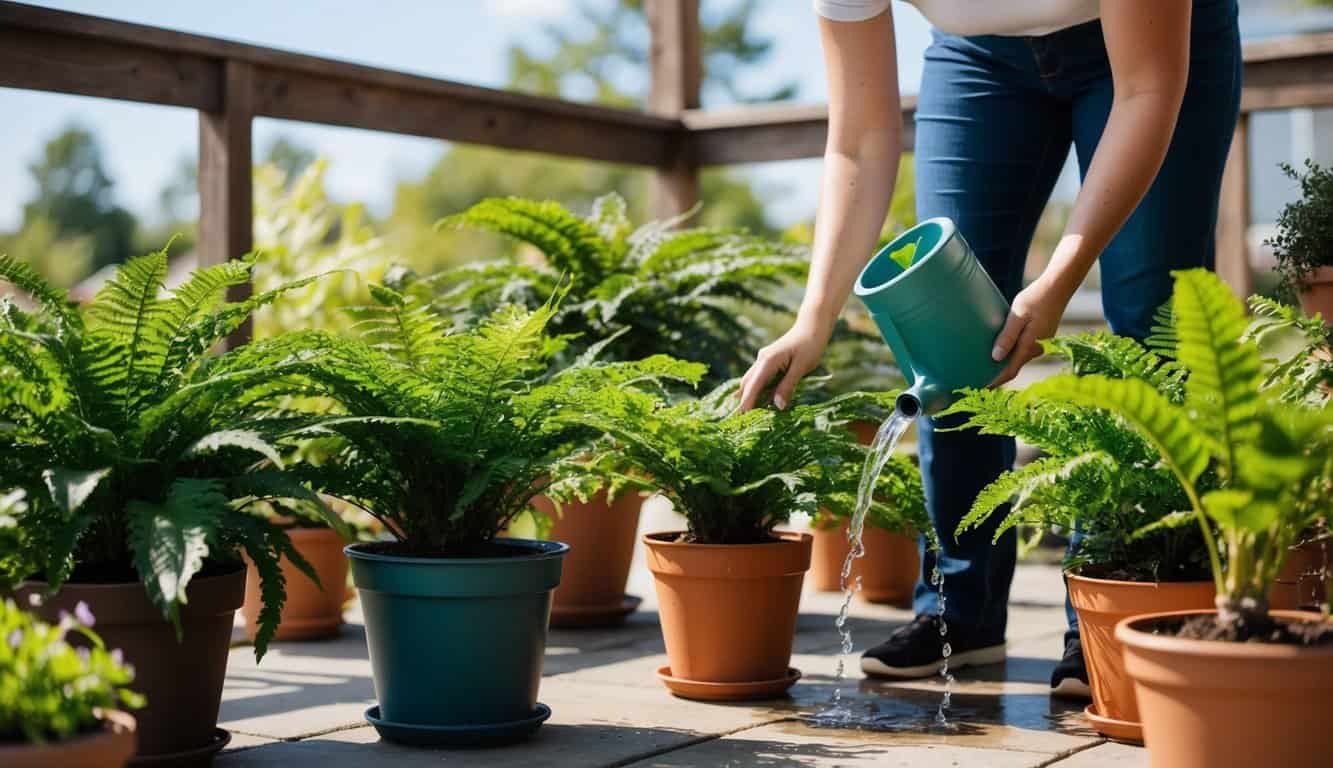
Boston ferns can live outside all year in USDA zones 9 to 11, and everywhere else they make great summer porch plants as long as you bring them in before nights drop below 50°F. Outdoors, a Boston fern wants shade or filtered light, soil that stays evenly moist, and shelter from wind and hot afternoon … Read more >>

How to Keep a Boston Fern Alive and Lush

Keep Boston Ferns Alive

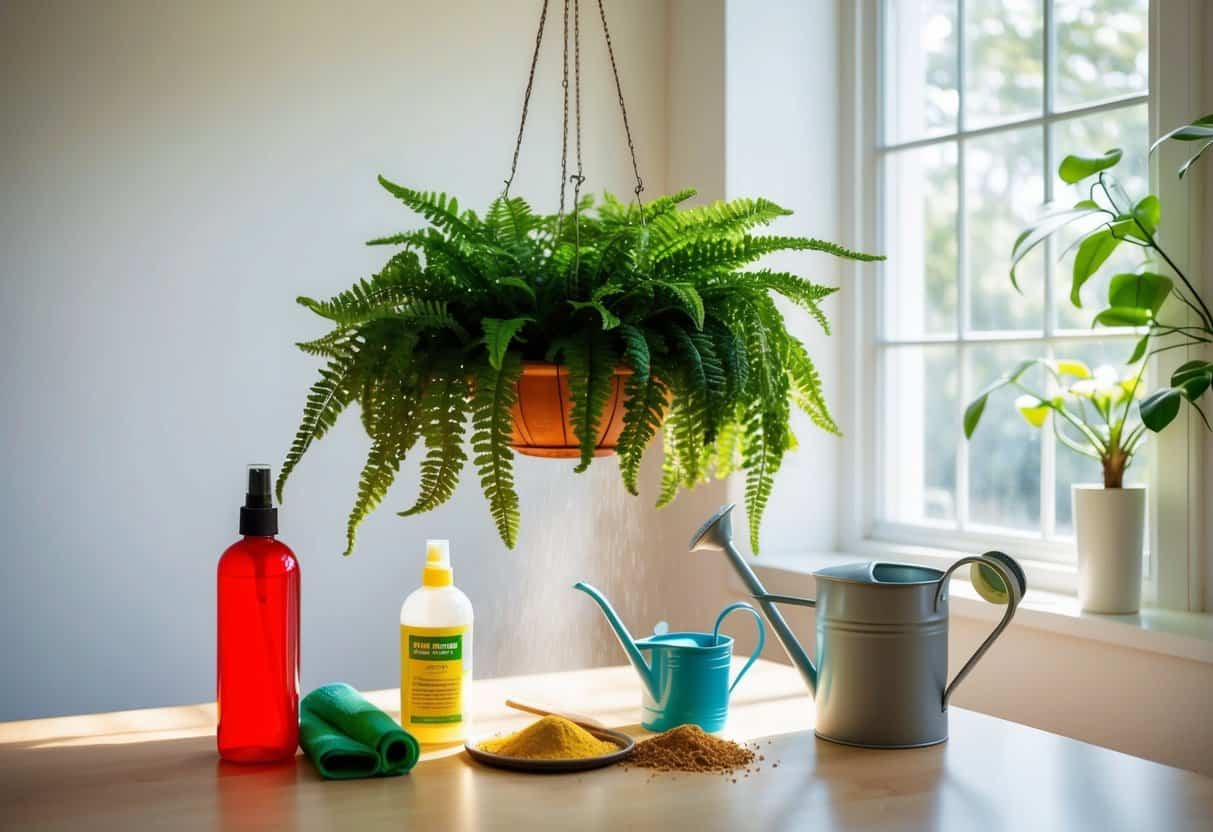
A Boston fern stays alive and lush when you give it bright, indirect light, soil that stays evenly moist without turning soggy, and humid air around 50% or higher. To keep a Boston fern alive, water it whenever the top inch of soil feels dry, keep it in filtered light between 60 and 75°F, and … Read more >>

Can Ferns Survive Winter? Hardy Types and Protection

Can Ferns Survive Winter

Yes, many ferns survive winter just fine. Hardy ferns like ostrich, lady, and Christmas ferns go dormant in the ground and come back in spring, while tropical ferns like Boston ferns need to come indoors before nights drop below 50°F. The species you grow and your USDA zone decide which group your fern falls into. … Read more >>

Indoor Plants for Mental Health: What Research Shows

Indoor Plants to Improve Mental Health

Houseplants can help your mood, but in a modest way. Small studies link indoor plants for mental health to calmer feelings, lower stress after mental work, and a sense of comfort at home, so a few easy plants are a reasonable, low-cost addition to your mental wellness habits. They aren’t a cure for anxiety or … Read more >>

Spider Mites on Areca Palm: How to Get Rid of Them

Get Rid of Spider Mites on Areca Palm

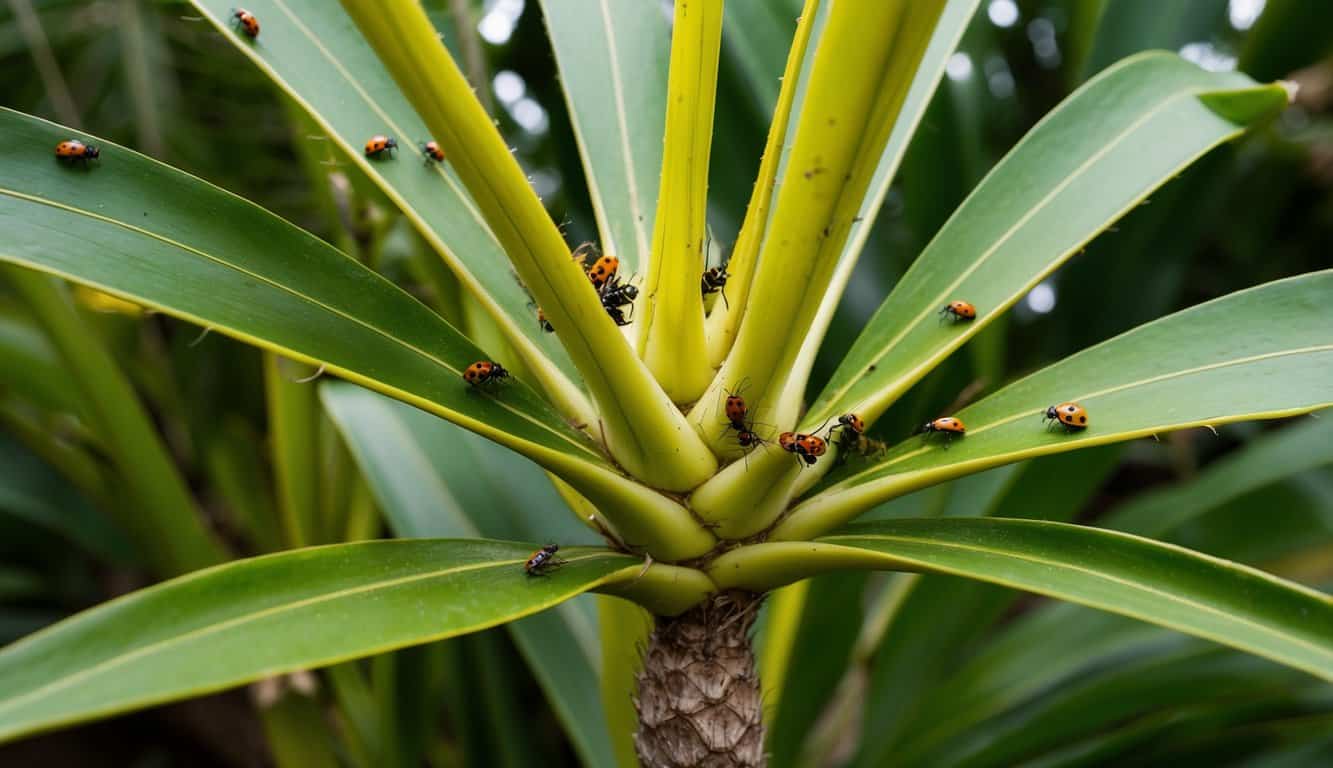
Spider mites on areca palm leaves start as a faint, dusty speckling on the feathery leaflets. Left alone, they spread into fine webbing and yellow fronds. The good news is that a mite problem on a Dypsis lutescens is very fixable when you catch it at the speckling stage. My advice is to isolate the … Read more >>

How Much Sun Does Lemongrass Need? Gardens, Pots and Indoors

How Much Sun Does Lemongrass Need

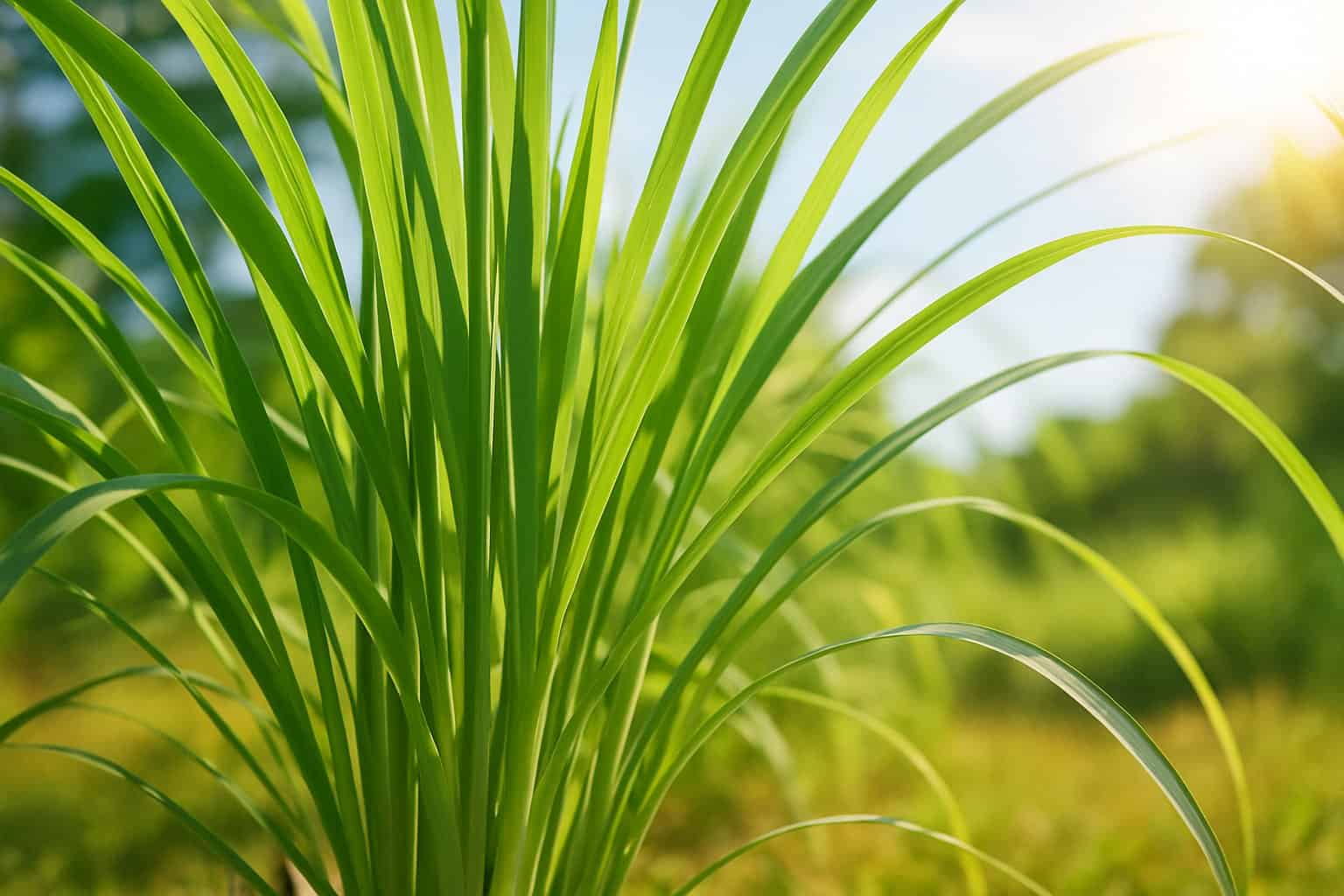
Lemongrass needs at least six hours of direct sun a day, and it grows best with eight or more. For thick, flavorful stalks, I’d give lemongrass a spot with six to eight or more hours of direct sunlight, adding afternoon shade only in desert heat. That rule holds in garden beds, in pots, and indoors. … Read more >>

Areca Palm vs. Cat Palm: Differences and Which to Choose

Areca Palm vs Cat Palm

For most American homes, I’d pick the cat palm if your room gets moderate light and you want a fuller plant that stays around 3 to 6 feet tall. I’d pick the areca palm if you have a bright window and want a taller, feathery palm that can reach 6 to 8 feet indoors. Both … Read more >>

Areca Palm Benefits: What’s Real and What’s Hype

Areca Palm Indoor Plant Benefits

Most areca palm benefits you’ll notice at home are the everyday ones: a soft, tropical look, a pet-safe plant for homes with cats and dogs, and a pleasant bit of green that can make a room feel calmer. The big claims about cleaning your air or humidifying a whole house don’t hold up well once … Read more >>