
Dieffenbachia, also known as dumb cane, is a popular houseplant prized for its lush foliage. Many plant owners wonder if they can use cactus soil for their dieffenbachia. While cactus soil can be used for Dieffenbachia, it’s not the best choice for this tropical plant.
Cactus soil is designed to drain quickly, which doesn’t match Dieffenbachia’s moisture needs. These plants prefer soil that stays slightly damp. A better option is a well-draining potting mix with some water-retaining materials like peat moss or coconut coir.
For best results, gardeners should use a mix made for tropical plants or create their own blend. This can be done by adding organic matter to cactus soil or using general-purpose potting soil with extra perlite for drainage. The goal is to give Dieffenbachia the right balance of moisture and air around its roots.
Understanding Dieffenbachia
Dieffenbachia, also known as dumb cane, is a popular indoor plant with striking foliage. This tropical beauty requires specific care to thrive in home environments.

Dieffenbachia Overview
Dieffenbachia is native to South America and the Caribbean. It’s prized for its large, lush leaves with unique patterns. The plant gets its common name “dumb cane” from the temporary speech difficulties it can cause if ingested.
Dieffenbachia can grow quite tall, sometimes reaching up to 6 feet indoors. Its leaves are typically oval-shaped with white, cream, or yellow variegation.
This plant is toxic to humans and pets if eaten, so it’s best kept out of reach.
Optimal Growing Conditions
Dieffenbachia thrives in bright, indirect light. Direct sunlight can scorch its leaves, while too little light can slow growth.
The plant prefers temperatures between 60-75°F (15-24°C). It needs high humidity, making it ideal for bathrooms or kitchens.
Water dieffenbachia when the top inch of soil feels dry. Good drainage is crucial to prevent root rot.
For soil, use a well-draining potting mix. A blend with perlite and peat moss works well.
Dieffenbachia Varieties
There are many Dieffenbachia varieties, each with unique leaf patterns.
- Dieffenbachia amoena: Large, dark green leaves with white spots.
- Tropic Snow: White leaves with green edges.
- Camille: Cream-colored leaves with dark green borders.
- Dieffenbachia maculata: Small, white spots on dark green leaves.
Some varieties stay compact, while others can grow quite tall. Choose based on available space and personal preference.
When selecting a variety, consider leaf size, color patterns, and growth habits to find the perfect fit for your home.
Check out Is Dieffenbachia An Air Purifier?
Soil Requirements for Dieffenbachia
Dieffenbachia plants need specific soil conditions to thrive. The right soil mix helps these tropical plants grow strong and healthy.

Importance of Soil Composition
The soil for Dieffenbachia must balance moisture retention and drainage. A good mix holds enough water for the plant’s needs but lets excess water flow out. This prevents root rot, a common problem in poorly draining soils.
Organic matter in the soil feeds the plant and improves soil structure. Peat moss or coconut coir work well for this purpose. They hold water and nutrients while keeping the soil loose.
The soil pH should be slightly acidic to neutral, around 6.0 to 6.5. This range helps the plant take up nutrients from the soil.
Characteristics of Cactus Soil
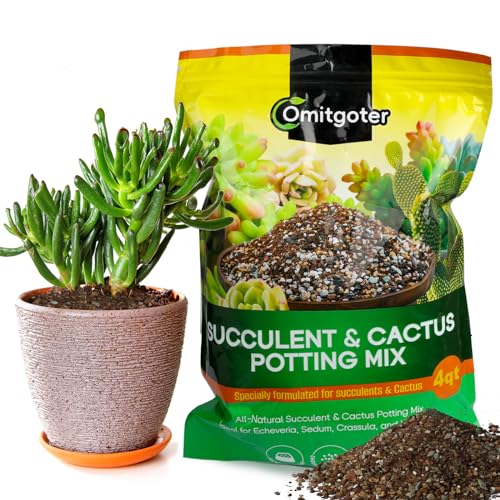
Cactus soil is made for plants that need quick drainage. It often contains:
- Large amounts of sand
- Perlite or pumice
- Small amounts of organic matter
This mix dries out fast. It has large air pockets that don’t hold much water. Cactus soil also tends to be low in nutrients.

Comparing Cactus Soil to Dieffenbachia’s Needs
Cactus soil is not a good choice for Dieffenbachia. These plants prefer soil that stays slightly moist. Cactus soil dries out too quickly for their needs.
The ideal soil for Dieffenbachia includes:
- Regular potting soil
- Perlite or orchid bark for drainage
- Peat moss or coconut coir for water retention
This mix gives the right balance of moisture and air. It also provides more nutrients than cactus soil.
A good DIY mix for Dieffenbachia might be:
- 2 parts potting soil
- 1 part perlite
- 1 part peat moss or coconut coir
This blend keeps roots moist but not soggy. It also allows for good air flow around the roots.
Check out How to Get Rid of Spider Mites on Dieffenbachia
Caring for Dieffenbachia
Dieffenbachia plants need the right care to stay healthy and look great. This includes proper watering, feeding, pest control, and maintenance.
Watering Schedule and Techniques
Dieffenbachia likes moist soil but not soggy conditions. Water when the top 2-3 inches of soil feel dry. This is usually about once a week, but it can change based on factors like humidity and light.
Use room temperature water. Pour it slowly around the base of the plant until it drains from the bottom. Empty any excess water from the saucer after 15 minutes.
In winter, water less often as the plant’s growth slows down. Mist the leaves now and then to boost humidity, which these tropical plants enjoy.
Fertilizing Your Dieffenbachia
Feed dieffenbachia every 4-6 weeks during spring and summer. Use a balanced, water-soluble fertilizer with equal parts nitrogen, phosphorus, and potassium.
Mix the fertilizer at half strength to avoid burning the roots. Apply it to damp soil after watering the plant.
Stop fertilizing in fall and winter when growth slows. Too much food during this time can harm the plant.
For an easy option, use slow-release fertilizer pellets. Apply them once at the start of the growing season.
Preventing and Dealing with Pests and Diseases
Common pests for Dieffenbachia include spider mites, mealybugs, and aphids. Check leaves often for signs of trouble.
Spider mites cause tiny yellow spots on leaves. Mealybugs look like white, fuzzy spots. Aphids cluster on new growth.
To treat pests:
- Wipe leaves with a damp cloth
- Spray with insecticidal soap
- Use neem oil for stubborn cases
Root rot is a common disease caused by overwatering. Signs include yellowing leaves and a mushy stem base. Let the soil dry out more between waterings to prevent this.
Pruning and Maintenance
Prune dieffenbachia to keep it looking neat and encourage bushy growth. Remove yellow or brown leaves at the base with clean scissors.
If the plant gets too tall, cut the main stem back to the desired height. New shoots will grow from the cut area.
Wipe leaves with a damp cloth to remove dust. This helps the plant absorb more light.
Repot every 2-3 years or when roots start growing out of drainage holes. Use fresh, well-draining potting soil.

Check out Why is my dieffenbachia drooping?
Propagation and Repotting of Dieffenbachia
Dieffenbachia plants can be easily propagated and repotted with the right methods. These processes help grow new plants and keep existing ones healthy.
Propagation Methods
Stem cuttings are a common way to propagate Dieffenbachia. Cut a 4-6 inch stem piece with at least one leaf node. Remove lower leaves and plant the cutting in moist soil or water.
For water propagation, place the cutting in a clear container. Change the water weekly. Once roots grow about 2 inches, move the cutting to soil.
Air layering is another option. Make a small cut in the stem and wrap it with damp moss. Cover with plastic wrap. After roots form, cut below the new roots and plant.
Cane cuttings work well too. Cut a leafless stem into 2-3 inch pieces. Plant them horizontally in moist soil. New shoots will grow from the nodes.
Repotting Steps and Tips
Repot dieffenbachia in spring or summer when it outgrows its pot. Choose a container 1-2 inches larger with drainage holes.
Use a well-drained potting mix. Avoid heavy soils that can cause root rot. Gently remove the plant from its old pot. Loosen the roots if they’re tightly bound.
Place the plant at the same depth as before in the new pot. Fill with soil and water thoroughly. Don’t pack the soil too tightly.
After repotting, keep the plant in a bright spot but out of direct sun. Water when the top inch of soil feels dry. Avoid fertilizing for a month to let roots settle.
Check out Why Does My Dieffenbachia Weep?
Seasonal Dieffenbachia Care Tips
Dieffenbachia plants need different care as the seasons change. Adjusting your routine helps these tropical houseplants thrive year-round.
Spring and Summer Care
In spring and summer, dieffenbachia plants grow more actively. Water them when the top inch of soil feels dry. These plants like bright, indirect light but can burn in direct sun.
Increase humidity by misting leaves or using a pebble tray. Feed your plant monthly with a balanced liquid fertilizer. Prune any yellowing or damaged leaves to keep the plant looking fresh.
For indoor gardeners, this is a good time to repot if needed. Choose a pot 1-2 inches larger with drainage holes.
Autumn and Winter Considerations
As days get shorter, dieffenbachia growth slows down. Reduce watering and stop fertilizing. Only water when the top 2 inches of soil are dry.
Move plants away from cold windows and drafts. Maintain temperatures between 60-75°F (15-24°C). Use a humidifier or pebble tray to combat dry indoor air.
Reduce light exposure slightly, but still give bright indirect light. Clean the leaves gently with a damp cloth to help them absorb more light.
Watch for pests like spider mites, which thrive in dry conditions. Check leaves regularly and treat any issues promptly.
Check out How to Fix Leggy Dieffenbachia?
Safety Precautions for Dieffenbachia Owners
Dieffenbachia plants contain toxic compounds that can be harmful if ingested or touched. Proper handling and placement are key to keeping people and pets safe.

Understanding Toxicity
Dieffenbachia, also known as dumb canes, contain calcium oxalate crystals in their sap and leaves. These crystals can cause irritation and swelling if they come into contact with skin or mucous membranes. Ingestion can lead to more severe symptoms.
When handling dieffenbachia plants, it’s smart to wear gloves. This protects skin from coming into contact with the sap. Washing hands after touching the plant is also a good idea.
Keep Dieffenbachia out of reach of children and pets. Place plants on high shelves or in rooms that aren’t easily accessed. If you have curious pets, consider keeping the plants in a closed room.
If someone chews or eats part of a dieffenbachia, rinse their mouth with water right away. Seek medical help if symptoms are severe or don’t improve quickly.
Frequently Asked Questions
Many gardeners wonder about using cactus soil for Dieffenbachia plants. The soil mix and growing conditions can greatly impact the health of these tropical houseplants. Let’s address some common questions about Dieffenbachia soil needs.
Is cactus soil appropriate for growing Dieffenbachia indoors?
Cactus soil is not ideal for Dieffenbachia plants. Dieffenbachia prefers soil that retains some moisture, while cactus soil drains very quickly. This fast-draining mix can leave Dieffenbachia without enough water between waterings.
What is the optimal soil mix recipe for Dieffenbachia plants?
A good Dieffenbachia soil mix contains:
2 parts potting soil
1 part perlite
1 part peat moss or coconut coir
This mix provides drainage and moisture retention. It helps prevent waterlogging while keeping the soil slightly damp.
How does cactus soil affect the growth of Dieffenbachia compared to regular potting soil?
Cactus soil can stunt Dieffenbachia growth. It dries out too fast, leaving the plant without needed moisture. Regular potting soil amended with perlite works better. It stays moist longer, supporting healthy leaf and stem growth.
Can Dieffenbachia thrive in the same soil conditions as succulents and cacti?
Dieffenbachia cannot thrive in succulent or cactus soil. These plants have different water needs. Dieffenbachia likes consistently moist soil. Succulents and cacti prefer very dry conditions between waterings.
What are the consequences of using a cactus-specific soil mix for Dieffenbachia?
Using cactus soil for Dieffenbachia can cause:
Wilting leaves
Stunted growth
Root damage
Nutrient deficiencies
The plant may struggle to absorb water and nutrients from the fast-draining mix.
Which soil ingredients should be combined to create the best mix for Dieffenbachia cultivation?
The best Dieffenbachia soil mix includes:
Standard potting soil
Perlite or pumice for drainage
Peat moss or coconut coir for moisture retention
A small amount of compost for nutrients
This blend provides the right balance of drainage and moisture for healthy Dieffenbachia growth.
Conclusion
Cactus soil is not ideal for Dieffenbachia plants. These tropical plants need different growing conditions than desert cacti.
Dieffenbachia prefers soil that retains some moisture while draining well. A mix with peat moss, perlite, and organic matter works best.
Cactus soil drains too quickly and lacks the nutrients Dieffenbachia needs. It can lead to dehydration and nutrient deficiencies.
For healthy dieffenbachia, use a well-draining potting mix made for tropical plants. African violet soil can also work well.
Adding perlite or bark chips to regular potting soil improves drainage. This creates a good environment for Dieffenbachia roots.
Proper soil is key for Dieffenbachia care. The right mix keeps plants thriving with lush, green foliage.

Hello there! I’m Elsa, and gardening is my passion. As an avid gardener, I created GardeningElsa.com to share my knowledge and experience with fellow enthusiasts. My website is a comprehensive resource for gardeners of all levels, offering expert advice on a wide range of topics, including plants, flowers, herbs, and vegetable gardening. Whether you’re a beginner looking to start your first garden or a seasoned pro seeking to expand your knowledge, GardeningElsa.com has something for everyone. Read more about me.
