
Most of the time, drooping eggplant leaves come from heat or a water problem.
If the leaves sag in the hot afternoon and perk back up by evening, your plant is fine; if they’re still limp at dawn, check the soil, the stem, and the roots right away. Dry soil, soggy soil, and fresh transplant roots cause most cases.
A smaller share of drooping comes from wilt diseases, stem pests, or cold nights. Those are worth catching early, because a few of them spread through the soil and can stay in your beds for years.
With a few quick checks, you can tell a thirsty plant from a sick one and know what to do next.
Is Afternoon Drooping Normal or a Sign of Trouble?
Afternoon drooping on a hot day is normal for eggplant, and morning drooping is the warning sign. The timing of the droop tells you more than the droop itself.
Why Leaves Sag in Midday Heat
Eggplant has big, soft leaves that lose a lot of water through tiny pores on hot, sunny days. When the roots can’t pull water up as fast as the leaves give it off, the leaves go limp to cut down on water loss.
This happens most on days above 90°F, in full sun, or in dark containers that heat up fast. Gardeners in the Southeast and Southwest see it almost daily in July and August.
If the soil is moist and the plant stands back up by sunset, I’d leave it alone. Adding water to moist soil just to fix a midday sag can lead to soggy roots.
In very hot spots, a 30 to 40 percent shade cloth hung over the plant from noon to about 4 p.m. takes the edge off. Keep it a foot or so above the leaves so air can move underneath.
What It Means If They Stay Limp at Dawn
Leaves that are still drooping first thing in the morning point to a real problem. Overnight, a healthy plant refills its leaves with water, so a morning droop means the roots or stem can’t move water.
Check the soil with your finger right away. Bone-dry soil means thirst. Wet soil with a morning droop points to root rot, transplant damage, a stem pest, or a wilt disease, which the sections below help you sort out.
Is Your Eggplant Getting Too Little Water?
Underwatering is one of the most common reasons for drooping, and it’s the easiest to fix. Eggplant needs about 1 to 2 inches of water a week, and more in hot, windy weather or in pots.
How to Check for Dry Soil
Push your finger 2 inches into the soil near the base of the plant. If it feels dry and crumbly at that depth, the plant needs water.
Other signs of thirst include:
- Soil pulling away from the edges of a pot
- A container that feels very light when you tip it
- Dull, papery leaves that sag first at the top of the plant
- Lower leaves turning yellow and crisp at the edges
Sandy soils in places like Florida and the Southwest dry out much faster than clay soils in the Midwest. Containers can need water every day in summer, especially smaller ones.

I recommend at least 5 gallons of soil per plant if you grow eggplant from seed in pots.
How to Water a Thirsty Plant
Water slowly and deeply at the base until the top 6 to 8 inches of soil are moist. A quick splash wets the surface and leaves the roots dry.
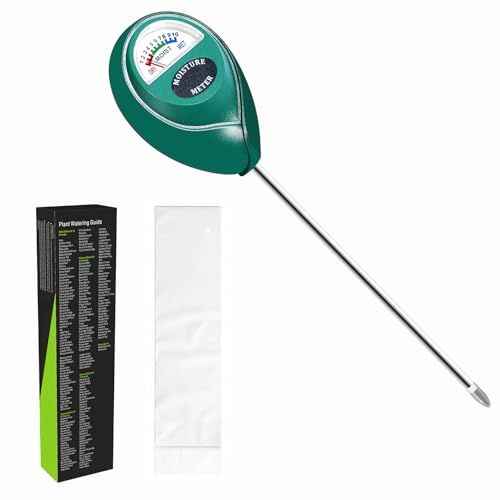
For a badly wilted plant, water a little, wait 10 minutes, and water again. Dry soil sheds water at first, so this second round soaks in better.
Water in the early morning so the plant starts the day full. A soaker hose or drip line keeps water off the leaves, which helps cut down on leaf diseases.
Most thirsty plants perk up within a few hours. For a steady schedule, see my guide on how often to water eggplant.
Can Wet Soil Make Eggplant Leaves Wilt?
Yes, wet soil causes wilting too. Roots need air as much as water, and soil that stays soggy from poor drainage smothers them until they can’t take up water at all.
Signs of Overwatering and Poor Drainage
An overwatered eggplant droops even though the soil feels damp or wet. The leaves often turn yellow from the bottom up and feel soft instead of crisp.
Watch for these clues:
- Water pooling on the surface for hours after rain or watering
- A sour or musty smell from the soil
- Green algae or moss on top of the soil
- A pot with no drainage hole, or one sitting in a saucer of water
- A stem that feels soft or dark at the soil line
Heavy clay soil and low spots in the yard hold water after storms. Raised beds help a lot in rainy regions like the Pacific Northwest and the humid Southeast.
What to Do If Roots Are Rotting
Stop watering and let the top 2 inches of soil dry out. For a garden plant, pull back any mulch so the soil can breathe.

For a potted plant, slide it out and look at the roots. Healthy roots are firm and white or tan. Rotted roots are brown, mushy, and pull apart easily.
Trim off the mushy roots with clean scissors. Repot into fresh, well-drained potting mix in a container with drainage holes, and water lightly only when the top inch feels dry.
If most of the roots are brown and the stem is soft at the base, the plant usually won’t recover. In that case, I’d pull it and start fresh with better drainage.
Could Your Eggplant Be Recovering from Transplanting?
New transplants droop for a few days while their roots settle in. The tiny roots that soak up most of the water get torn during planting, so the plant runs short until new ones grow.
What Normal Transplant Shock Looks Like
Normal transplant shock shows up within a day or two of planting. The leaves sag in the afternoon, and the plant may look tired for 3 to 7 days.
The leaves should stay green and the stem should stay firm. You won’t see much new growth for a week or two while the roots spread.
Plants that skipped hardening off, or went into cold soil, take the hit harder. If you plant eggplant seeds directly in the ground, you skip this step entirely, though direct sowing only works in long, warm seasons.

How to Help New Roots Establish
Harden off seedlings for 7 to 10 days before planting. Start with an hour or two outside in shade and add more sun each day.
Plant on a cloudy day or in the late afternoon. Water the hole before planting, then water deeply again right after.
Keep the soil evenly moist for the first two weeks, without letting it go soggy. A light shade cover for the first 2 or 3 hot afternoons helps a lot.
Hold off on strong fertilizer until you see new leaves. Fresh roots burn easily, and the plant needs to settle first.
When Does Wilting Point to a Disease?
Disease is the likely cause when a plant wilts in moist soil and doesn’t recover overnight. The two big eggplant diseases behind wilting are verticillium wilt and bacterial wilt, and both block the plant’s inner water pipes.
Clues That Suggest Verticillium Wilt
Verticillium wilt is a soil fungus that clogs the tubes carrying water up the stem. It likes cool soil and often shows up early in the season or after a cool spell.
Look for these signs:
- Yellowing at leaf edges and tips, starting on lower leaves
- Wilting on one side of a leaf, one branch, or one side of the plant
- Lopsided leaves, where one half stops growing
- Tan or brown streaks inside the stem when you cut it lengthwise near the soil line
The roots look normal on the outside, which helps you tell it apart from root rot. There’s no cure and no resistant eggplant variety, so prevention comes down to rotation, covered later.
How Bacterial Wilt Differs from Water Stress
Bacterial wilt hits fast. The youngest leaves at the branch tips droop first, and within 2 or 3 days the whole plant collapses while the leaves are still green.
Water stress improves after watering. Bacterial wilt doesn’t, no matter how much you water.
To check, cut a piece of stem near the base. The center often turns reddish-brown. Place the cut end in a clear glass of water and wait a few minutes; milky threads oozing out point strongly to bacterial wilt.
This disease is most common in hot, wet parts of the South. A plant with bacterial wilt won’t recover.
What Leaf Spots Can Tell You About Other Diseases
Leaf spots point to other eggplant diseases that cause leaves to yellow, wilt, and drop. Spots show up first, and drooping comes later.
| What you see | Likely disease |
|---|---|
| Brown spots with rings like a target, on lower leaves | Early blight |
| Round gray or brown spots with light centers, sunken spots on fruit | Phomopsis blight |
| Dark sunken spots on stems, everything above them wilts | Phytophthora blight |
| White cottony growth on stems, bleached dead stems | White mold |
Pick off spotted leaves and throw them in the trash. Water at the soil line, and give plants room for air to move. If spots spread to the fruit, see my notes on eggplants turning brown.
Are Pests Damaging the Stem or Roots?
Pests that chew the stem cut off the water supply, and the plant wilts suddenly even in moist soil. Check the base of the stem and the stems themselves whenever one plant droops while its neighbors look fine.
Look for Cutworms at the Soil Line
Cutworms are fat, gray or brown caterpillars that curl into a C shape when you dig them up. They feed at night and chew young stems right at the soil line.
A young transplant may fall over completely. On larger plants, a partly chewed stem causes wilting above the damage.
Dig gently around the base in the first inch or two of soil to find them, and remove any you see. Check after dark with a flashlight, too.
For protection, wrap each new stem with a 3-inch collar made from cardboard or a paper cup, pushing it an inch into the soil. Keep the collar on until the stem gets thick and woody.
Check for Stem-Borer Damage
Stem borers tunnel inside the stem, so the outside often looks normal at first. Look for small holes, sawdust-like frass, or a soft spot on the stem.
Shoot tips wilting one at a time is a classic clue. In the US, true eggplant shoot borers are rare, but other borer larvae do sometimes tunnel into stems.
Cut off wilted shoot tips a few inches below the damage and destroy them. If a hole is in the main stem, slit it carefully with a clean knife, remove the larva, and mound moist soil over the wound.
Are Leaf-Feeding Pests Adding to the Stress?
Leaf feeders rarely cause sudden wilting on their own, though heavy feeding drains a plant and makes heat droop worse. Turn leaves over every few days to catch them early.
Identify Sap Feeders and Flea Beetle Holes
Flea beetles on eggplant leave dozens of tiny round holes, like buckshot. Young plants with only a few leaves suffer most, while bigger plants handle a fair amount of damage.
Sap feeders live on the undersides of leaves:
- Aphids: small pear-shaped insects, often green, in clusters; heavy numbers curl and wilt leaves
- Whiteflies: tiny white insects that fly up when you shake the plant
- Spider mites: specks too small to see well, with fine webbing and pale stippled leaves in hot, dry weather
Aphids and whiteflies leave sticky honeydew, which grows black sooty mold. Leaf curling often comes along with these pests; my guide on eggplant leaves curling covers that in more detail.
Choose a Treatment That Fits the Pest
Match the treatment to what you find:
- Flea beetles: cover young plants with floating row cover right after planting, and remove it when flowers open
- Aphids and whiteflies: knock them off with a hard spray of water, then use insecticidal soap on the leaf undersides
- Spider mites: spray leaves with water to raise humidity, then use insecticidal soap or neem oil
- Mixed light infestations: neem oil every 7 days for a few weeks
Spray soap and oil in the early morning or evening, never in midday heat, since they can scorch leaves. For a broader look at problem insects, see my roundup of vegetable garden pests.
Can Cold Nights Cause Drooping?
Cold nights can make eggplant droop, since it’s more sensitive to cold than tomatoes or peppers. Nights below 55°F stall growth, and cold soil slows the roots’ ability to take up water.
How to Recognize Cold Stress
Cold-stressed plants droop in the morning, look dull, and stop growing. Leaves may turn purplish or yellowish.
A near-freeze shows up as leaves that look wet and soft, then turn black. That damage appears within a day, while fruit damage can take 5 to 7 days to show.
When to Protect or Delay Planting
Transplant eggplant 2 to 3 weeks after your last frost, once nights stay above 55°F and the soil reaches at least 60°F. Soil at 65 to 70°F is even better.
In the Northeast and northern Midwest, that’s often late May or early June. Lay black plastic over the bed for a week before planting to warm the soil.
If a cold night is coming, cover plants with row cover or an old sheet in the evening. Remove it in the morning so the plants don’t overheat.
How Can You Pinpoint the Cause?
You can pin down most causes in about five minutes with a few checks. Start at the soil and work your way up, then watch the plant overnight.
Check the Soil, Stem, and Leaf Undersides
Work through this list in order:
- Soil: push a finger 2 inches down. Dry means water; soggy means drainage trouble.
- Base of the stem: look for chewing, holes, soft spots, dark patches, or white fuzz.
- Inside the stem: on a badly wilted plant, cut a side branch lengthwise near the base. Brown streaks point to wilt disease.
- Roots: for pots or a plant you’re ready to lose, check for brown, mushy roots.
- Leaf undersides: look for insects, eggs, webbing, or sticky residue.
- Recent history: think about new transplants, cold nights, or heavy rain in the past week.
Compare Overnight Recovery with Persistent Wilting
Water deeply if the soil is dry, then check the plant the next morning.
| Next morning | Most likely cause |
|---|---|
| Fully perked up | Heat or thirst |
| Partly better, still tired | Transplant shock or cold stress |
| Still limp, soil moist | Root rot, stem pest, or wilt disease |
| Collapsed, leaves still green | Bacterial wilt |
| One side limp and yellow | Verticillium wilt |
How Do You Save a Drooping Eggplant?
Saving a drooping eggplant starts with fixing the right cause, since the wrong fix makes things worse. Extra water helps a thirsty plant and hurts one with rotting roots.
Match the First Step to the Cause
Here’s my first step for each cause:
- Heat: leave it alone if it recovers by evening; add afternoon shade during heat waves
- Dry soil: water deeply and slowly, then mulch with 2 to 3 inches of straw
- Soggy soil: stop watering, pull back mulch, and improve drainage
- Transplant shock: keep soil evenly moist and shade for a few afternoons
- Cutworms or borers: remove the pest and protect the stem
- Leaf pests: spray water, then soap or neem oil
- Cold: cover at night and wait for warmer weather
Give the plant 3 to 7 days after a fix. New, upright leaves at the top show it’s recovering.
Know When a Diseased Plant Must Be Removed
Pull a plant with bacterial wilt or advanced verticillium wilt. Those plants won’t recover, and leaving them in place adds more germs to your soil.
Dig out the whole plant with its root ball and the soil around it. Bag it and put it in the trash, never in the compost pile.
Wash your tools afterward. Then keep eggplant, tomatoes, peppers, and potatoes out of that spot for at least 3 to 4 years.
If you have pets, toss pulled plants where they can’t reach. Eggplant leaves and stems contain solanine, which can upset dogs’ and cats’ stomachs.
How Can You Prevent Drooping Later in the Season?
The best prevention is steady care plus clean garden habits. Even watering and moderate feeding keep roots strong, and rotation keeps disease from building up.
Keep Moisture and Feeding Steady
Give plants 1 to 2 inches of water a week and spread 2 to 3 inches of mulch to hold moisture. Keep mulch an inch or two away from the stem.
Work compost or a balanced fertilizer into the soil at planting. Side-dress when the first fruits set and every 3 to 4 weeks after that, and go easy on nitrogen, which grows soft leaves that attract aphids.
My guide on how to fertilize eggplant covers amounts and timing. Aim for a soil pH of 6.0 to 7.0.
Reduce Pest and Disease Pressure
Crop rotation is your strongest tool against soil diseases. Keep nightshades out of the same bed for 3 to 4 years, and longer if you’ve had verticillium wilt, since it survives in soil for many years.
Space plants 18 to 24 inches apart so air can move between them. If you grow eggplant in a square foot garden, give each plant its own full square.
Pull nightshade weeds, which can carry wilt disease. For more ideas, I’ve covered how to keep bugs out of the vegetable garden naturally.
Frequently Asked Questions
Why is my eggplant drooping in the afternoon?
Afternoon drooping is the plant’s normal response to heat, since its big leaves lose water faster than roots can replace it. If it perks up by evening and the soil is moist, it’s healthy. Add afternoon shade during heat waves above 90°F.
Can an overwatered eggplant recover?
Yes, an overwatered eggplant recovers if most of its roots are still firm and white. Let the soil dry 2 inches down and fix drainage. If most roots are brown and mushy and the stem is soft, the plant rarely survives.
How do I know if my eggplant has wilt disease?
Wilt disease shows up as wilting that stays put overnight in moist soil. Cut the lower stem lengthwise; brown streaks inside point to verticillium wilt, while a reddish-brown center and sudden collapse with green leaves point to bacterial wilt.
Do eggplants droop after transplanting?
Yes, eggplants droop for 3 to 7 days after transplanting while torn roots regrow. Keep the soil evenly moist and shade the plant for a few hot afternoons. Hardening off for 7 to 10 days before planting lessens the shock.
How do you revive a wilted eggplant?
Revive a wilted eggplant by fixing its cause, starting with a soil check 2 inches down. Water deeply if the soil is dry, let it dry out if it’s soggy, and look for pests at the stem base. Pull plants with bacterial or advanced verticillium wilt, since they won’t recover.

Hello there! I’m Elsa, and gardening is my passion. As an avid gardener, I created GardeningElsa.com to share my knowledge and experience with fellow enthusiasts. My website is a comprehensive resource for gardeners of all levels, offering expert advice on a wide range of topics, including plants, flowers, herbs, and vegetable gardening. Whether you’re a beginner looking to start your first garden or a seasoned pro seeking to expand your knowledge, GardeningElsa.com has something for everyone. Read more about me.