Areca Palm Benefits: What’s Real and What’s Hype

Areca Palm Indoor Plant Benefits

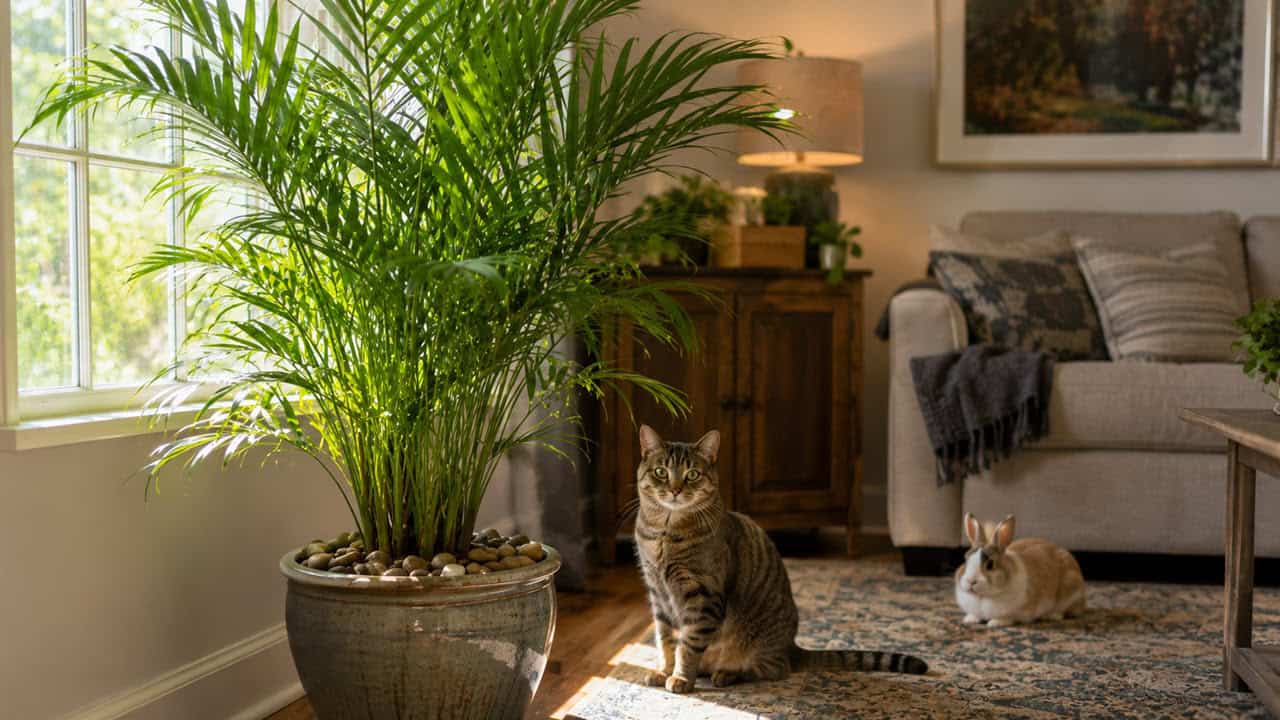
Most areca palm benefits you’ll notice at home are the everyday ones: a soft, tropical look, a pet-safe plant for homes with cats and dogs, and a pleasant bit of green that can make a room feel calmer. The big claims about cleaning your air or humidifying a whole house don’t hold up well once … Read more >>

Why Is My Areca Palm Dying? Causes and How to Save It

Why Is My Areca Palm Dying

Most areca palms die from root rot caused by soggy soil, with dry air, tap water salts, cold drafts, and poor light close behind. You can save a palm that still has firm canes and some white or tan roots. One that has gone mushy at the base all the way through usually can’t come … Read more >>

Why Are My Eggplant Leaves Drooping?

Why Are My Eggplant Leaves Drooping

Most of the time, drooping eggplant leaves come from heat or a water problem. If the leaves sag in the hot afternoon and perk back up by evening, your plant is fine; if they’re still limp at dawn, check the soil, the stem, and the roots right away. Dry soil, soggy soil, and fresh transplant … Read more >>

Can Lotus Plants Survive Drought? What Happens When the Water Drops

Can Lotus Plants Survive Drought Conditions in Southwestern States

Lotus plants can’t handle drought the way garden perennials do. They’re true aquatic plants, and they need standing water over their soil all season long. Lotus plants can’t survive drought as growing plants: the leaves start failing within hours once the soil is exposed, but the underground tuber can ride out a short dry spell … Read more >>

How Far Apart to Plant Eggplant (Rows, Beds and Containers)

How Far Apart to Plant Eggplant Plants

Plant eggplant 18 to 24 inches apart, in rows 30 to 36 inches apart. Big Italian globe types want the full 24 inches, slender Asian types are happy closer to 18 inches, and dwarf patio varieties can go as close as 12 to 18 inches. Those numbers look generous next to a 6-inch seedling, and … Read more >>

Citronella vs Lemongrass: How to Tell Them Apart and Which to Grow

Citronella Plant vs Lemongrass

Lemongrass and citronella grass are two different plants. They’re close cousins in the same grass family, and the confusion gets worse because a third plant, a lemon-scented geranium, is also sold as “citronella.” If you want a plant to cook with, grow lemongrass (Cymbopogon citratus), because it’s the type sold for food, while citronella grass … Read more >>

Why Are My Eggplant Leaves Curling? Causes and Fixes

Why Are My Eggplant Leaves Curling

Eggplant leaves curl when something is stressing the plant. The most common causes are heat, dry or uneven soil, and sap-sucking pests like aphids, spider mites, and whiteflies. Less often, the cause is soggy roots, herbicide drift, a virus, or a nutrient problem. Most of the time, eggplant leaves curling is a fixable stress signal: … Read more >>

How to Protect Lotus Plants from Pests and Wildlife

Protect Lotus Plants from American Wildlife Pests

Lotus leaves are covered in tiny hairs and a waxy coating, and that surface reacts badly to oils and soaps. The safest way to protect lotus from pests and wildlife is to rinse insects off with plain water, pick off the bigger pests by hand, and block animals with physical barriers like rocks, wire, and … Read more >>

Companion Plants for Lotus: What to Grow With It in a Pond or Tub

Companion Plants for Lotus

Lotus does best when it gets its own sunny pot and its neighbors stay out of that pot. The best companion plants for lotus are compact water lilies, potted marginals like pickerelweed and blue flag iris, and a few well-controlled oxygenators, all kept in separate containers so nothing steals the 6+ hours of direct sun … Read more >>

Can You Plant Eggplant and Peppers Together? Spacing, Care and Risks

Can You Plant Eggplant and Peppers Together

Yes, you can grow these two crops side by side, and they make easy bed partners. You can plant eggplant and peppers together because both are heat-loving nightshades that want the same full sun, warm soil, steady water and rich, well-drained ground, as long as you space them 18 to 24 inches apart and watch … Read more >>