
Peace lily care is simpler than most people expect. This plant tells you when it needs water by drooping, forgives the occasional missed week, and puts up elegant white blooms when it’s happy.
In this guide, I’ll walk you through light, watering, soil, feeding, blooming, and the common problems I see most often. Follow these basics and your plant should stay glossy and green for years.
What a Peace Lily Is and Why It Is Popular
A peace lily (Spathiphyllum) is a tropical foliage plant from Central and South America. It’s popular because it tolerates indoor conditions, signals its needs clearly, and blooms indoors.
Not a True Lily
Despite the name, a peace lily isn’t a lily at all. It belongs to the arum family (Araceae), alongside anthuriums and calla lilies.
That white “flower” is a spathe, which is a modified leaf. It wraps around a central spike called the spadix, where the tiny true flowers sit. Each spathe stays attractive for several weeks.
In the wild, peace lilies grow on shady tropical forest floors. That background explains almost everything about their care: they like warmth, filtered light, steady moisture, and air around their roots.
Why So Many People Grow One
Peace lilies have deep green, glossy leaves that look good in any room. They handle lower light better than most flowering houseplants, so they fit offices, bedrooms, and apartments.
They also wilt dramatically when thirsty, then recover within hours of a drink. For a beginner, that built-in warning signal takes a lot of the guesswork out of watering.
You’ll often see them on lists of indoor air purifier plants. My advice is to grow one for its beauty, though, since a few houseplants won’t replace good ventilation in a typical home.
What You’ll Need to Get Started
You don’t need much equipment. Two product types make peace lily care much easier:
- A quality indoor potting mix with perlite or bark, which holds moisture but still drains well.
- A soil moisture meter, which reads moisture down in the root zone where your finger can’t reach.
Add a pot with drainage holes and a watering can, and you’re set.
Best Light for a Peace Lily
Bright, indirect light is best for a peace lily. It tolerates low light, but it may stop blooming, and direct sun scorches its leaves.
What Bright, Indirect Light Means
Bright, indirect light means the plant sees a wide stretch of sky, but the sun’s rays don’t land on its leaves for long. Think of a spot near a window that stays bright all day without harsh beams.
A simple test: if you can comfortably read a book by daylight where the plant sits, the light is probably fine. If you’d need a lamp, it’s too dim for blooms.
Where to Place It by Window Direction
Window direction makes a big difference. Here’s how I’d place a peace lily:
| Window direction | Where to put a peace lily |
|---|---|
| East | 1 to 3 feet away; gentle morning sun is fine |
| North | Right at the window, within about 1 foot |
| West | 4 to 6 feet back, or behind a sheer curtain |
| South | 4 to 6 feet back, or behind a sheer curtain |
East windows are my first choice across most of the US. North windows can be too dim in northern states during winter.
Signs the Light Is Wrong
Too much sun shows up as pale, bleached, or scorched patches on leaves facing the window. Those damaged spots won’t turn green again, but new leaves will come in healthy once you move the plant.
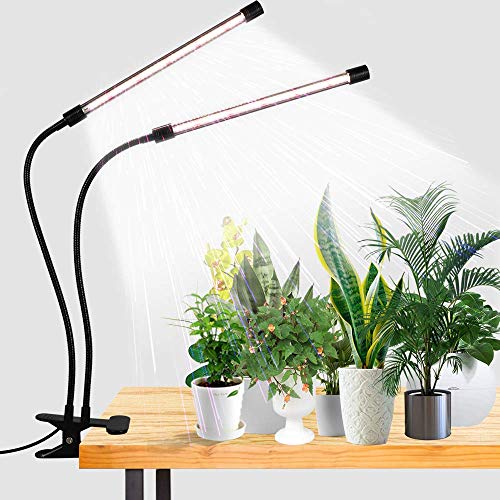
Too little light causes floppy, stretched stems that lean toward the glass and a plant that never blooms. If your only spots are dim, a full-spectrum LED grow light 12 to 24 inches above the plant for 10 to 12 hours a day works well.
How to Water a Peace Lily
Water a peace lily when the top inch of soil feels dry or the leaves just begin to droop slightly. Then water thoroughly and let the excess drain away.

Check the Soil Before You Water
Push your finger about 1 inch into the soil. If it feels dry, it’s time to water. If it still feels cool and damp, wait a day or two and check again.
Lifting the pot helps too. A freshly watered pot feels heavy, and a dry one feels surprisingly light. After a few weeks of lifting it, you’ll be able to judge moisture by weight.

Go by the soil, not the calendar. In summer, many plants need water every 5 to 7 days. In winter, that often stretches to every 10 to 14 days.
How to Water Thoroughly
Pour room-temperature water slowly over the soil until it runs out the drainage holes. Cold tap water can shock the roots, especially in winter.

Empty the saucer or decorative outer pot within 15 to 30 minutes. A peace lily sitting in standing water will develop root problems fast.
If the soil has dried out and pulled away from the pot’s edge, water may rush straight through. In that case, set the pot in 2 to 3 inches of water for 20 to 30 minutes so it soaks from below, then drain it well.
Avoid Repeated Wilting and Overwatering
A thirsty peace lily usually perks up within a few hours of a good drink. One wilt does little harm, but letting it collapse every week stresses the plant and can leave yellow or brown leaves behind.
Overwatering is the bigger danger. Soggy soil pushes out oxygen, the roots begin to rot, and the plant droops even though it’s wet. Soft, yellowing leaves are a common early sign, and my guide to peace lily yellow leaves helps you sort out the cause.
If your plant is limp and you can’t tell whether it’s dry or waterlogged, read my breakdown of why a peace lily droops. The soil test sorts it out in under a minute.
Soil, Pots and Repotting
A peace lily needs rich, well-draining potting mix and a pot with drainage holes. Repot every 1 to 2 years in spring, moving up just 1 to 2 inches in pot size.
Choose an Airy, Moisture-Holding Mix
Peace lilies like soil that stays lightly moist but never soggy. A quality indoor potting mix with added perlite strikes that balance.
I like a blend of 2 parts potting mix, 1 part perlite, and 1 part fine orchid bark. The bark and perlite keep air pockets open so roots can breathe. For more options, see my picks for the best soil for indoor plants.
Never use garden soil indoors. It packs down in a pot, holds too much water, and can carry pests.
Pick the Right Pot
Always use a pot with drainage holes. A decorative pot without holes is fine as an outer cover, as long as you empty it after watering.
Plastic and glazed ceramic hold moisture longer, which suits this thirsty plant. Terracotta dries faster, so it works well if you tend to overwater.
Peace lilies like a slightly snug pot. A pot that’s much too large holds extra wet soil the roots can’t reach, and that invites root rot.
When and How to Repot
Repot in spring when roots circle the pot, poke out of the drainage holes, or the plant wilts just 2 or 3 days after a full watering. Water running straight through the pot is another clue.
Here’s how I’d do it:
- Water the plant a day ahead so the root ball holds together.
- Slide it out and gently loosen circling roots with your fingers.
- Set it in a pot 1 to 2 inches wider, at the same depth it grew before.
- Fill around it with fresh mix and water until it drains.
Expect a little drooping for a week or two while the roots settle. Keep it out of direct sun and hold off on fertilizer for about a month.

Temperature, Humidity and Feeding
Peace lilies like 65 to 80°F, moderate humidity of 40 to 60 percent, and light feeding with a half-strength balanced fertilizer in spring and summer. Steady conditions matter more than perfect ones.
Keep It Warm and Away from Drafts
Keep your peace lily between 65 and 80°F, and never let it drop below 55°F. Cold air can blacken leaves and stall growth for weeks.
In winter, keep it away from drafty windows, exterior doors, and cold glass. Leaves touching a frosty window often turn dark and limp.
Heat causes problems too. Keep the plant away from heating vents, radiators, and air conditioning vents, which dry and stress the leaves.
Humidity Without the Fuss
Peace lilies prefer 40 to 60 percent humidity, but average home humidity usually works fine. Trouble starts in winter, when furnaces can drop indoor levels much lower.

If you see brown, crispy tips in a heated room, try one of these:
- Set the pot on a pebble tray with water below the pot’s base.
- Group it with other houseplants.
- Run a small humidif