
Most yellow leaves on a peace lily come from soil that stays wet too long, but one old leaf yellowing at the bottom of a healthy plant is normal aging. The fix depends on where the yellow shows up, how fast it spreads, and how the soil feels when you push a finger into it.
Peace lilies (Spathiphyllum) are tropical understory plants, so they react quickly to wet roots, harsh sun, cold air, and mineral-heavy water.
If you match the pattern on your plant to the right cause, you can usually stop peace lily leaves turning yellow before you’ve lost more than a leaf or two.
Read the Yellowing Pattern First
Where the yellow appears tells you more than any single symptom. Before you water, feed, or repot, look at which leaves are affected and check the soil. If you are stocking up, a soil moisture meter is the first thing I would pick up.
| Where the yellow shows up | What it usually means | First thing to check |
|---|---|---|
| One or two old lower leaves | Normal aging | Is new growth green and firm? |
| Many leaves, soft, soil wet | Overwatering or root rot | Smell and feel the roots |
| Limp yellow leaves, soil dry | Underwatering | Pot weight and soil 2 inches down |
| Pale yellow-green across the plant | Too much sun, low light, or hungry plant | Light level and feeding history |
| Yellow with brown, crispy tips | Water minerals, fertilizer salts, dry air | Water source and crust on soil |
| Fine yellow speckles or spots | Pests such as spider mites | Undersides of leaves |
| New leaves yellowing | Root stress, repotting shock, or cold | Recent moves, drafts, roots |
Use the table as a starting point. More than one cause can stack up, especially in winter.
Old Lower Leaves Yellowing One at a Time
A single yellow leaf at the base of the plant is usually just the plant retiring its oldest foliage. Peace lilies replace leaves from the center, so the outermost, lowest leaves age out first.
The questions below help you decide whether to relax or keep looking.
When Is a Yellow Leaf Just Normal Aging?
Normal aging looks slow and orderly. One outer leaf turns evenly yellow, often starting at the tip or edge, then browns and dries over a week or two.
Everything else looks healthy: the center leaves are deep green and glossy, the stems stand up, and new leaves keep unfolding. If you see one of these yellowing leaves every month or two, I wouldn’t change a thing in your care.
Which Changes Mean You Should Look for Another Cause?
Start investigating when the pattern speeds up or moves inward. These are the warning signs I’d watch for:
- Two or more leaves yellowing in the same week
- Yellow showing up on young leaves near the center
- Soft, mushy stems at the soil line
- Brown tips, spots, or speckles along with the yellow
- No new leaves for several months during spring or summer
Any of these points to watering, light, roots, or pests. Check the soil first, since that rules out the most common problems in about a minute.

Many Leaves Yellowing with Wet Soil
Several soft yellow leaves on a plant sitting in soggy soil almost always mean the roots aren’t getting enough air. Waterlogged soil pushes out oxygen, roots start to die, and the plant can’t move water to its leaves.
Early overwatering is easy to fix, while root rot needs you to unpot the plant and cut away damaged roots.
How Can You Tell Overwatering from Root Rot?
Overwatering on its own shows up as yellowing lower and middle leaves, soil that stays damp for a week or more, and maybe fungus gnats. The plant may droop even though it’s wet, which confuses a lot of people.
If yours is wilting and you’re not sure why, my guide to peace lily drooping walks through wet versus dry wilting.
Root rot is the next stage. Slide the plant out of its pot and look:
- Healthy roots are white to light tan and firm.
- Rotted roots are brown or black, mushy, and slip apart when you pinch them.
- The soil smells sour or swampy.
A soil moisture meter helps here too. If it reads wet at the bottom of the pot days after watering, the root zone is staying soggy.
How Do You Rescue Waterlogged Roots?
If the roots are still mostly white, stop watering, empty the saucer, and let the top 1 to 2 inches dry before you water again. Move the plant somewhere brighter so it uses water faster.
If you find rot, here’s what I’d do:
- Remove the plant and gently shake off the old, wet soil.
- Cut away every soft, dark root with clean scissors.
- Trim off fully yellow leaves so the plant has less to support.
- Repot in fresh, airy mix in a pot with drainage holes, no more than 1 to 2 inches wider than the root ball.
- Water lightly once, then wait until the top inch dries before watering again.
Skip the fertilizer for at least a month while new roots form. For a mix that holds moisture and still drains, see my picks for the best soil for indoor plants.

Yellow, Limp Leaves with Dry Soil
A peace lily that collapses with dry soil is thirsty, and repeated thirst turns the lower leaves yellow. These plants wilt dramatically when dry, then perk up within hours of a good drink.
One wilt does little harm, but letting it happen every week burns through the older leaves.
How Do You Check Whether the Roots Are Dry?
Push a finger 2 inches into the soil. If it feels dry and dusty there, the roots are dry.
Lift the pot too. A dry pot feels noticeably light compared with right after watering. Also watch for soil pulling away from the pot’s edge, which means the mix has shrunk and water may be running straight down the gap without soaking in.
How Should You Rewater a Thirsty Peace Lily?
Water slowly and deeply until water runs out the drainage holes. I like a watering can filled with room-temperature water, since cold water can shock the roots.
If the soil has pulled away or water rushes straight through, set the pot in a sink or bowl with 2 to 3 inches of water for 20 to 30 minutes so the root ball soaks from below.
Drain it well afterward. If the plant dries out every two or three days, it’s probably root-bound and ready for a slightly bigger pot.
Pale Yellow-Green Leaves Across the Plant
When the whole plant fades to a washed-out yellow-green, light or nutrition is the likely cause. Too much direct sun bleaches leaves facing the window. Too little light, or months without fertilizer, leaves the entire plant pale and slow.
Is Direct Sun Bleaching the Leaves?
Sun damage shows up on the side facing the window. You’ll see pale, bleached patches or yellow streaks, sometimes with dry brown scorch marks.
Peace lilies do best in bright, indirect light. An east window works well, while south and west windows need a sheer curtain or a spot 4 to 6 feet back from the glass.
Bleached tissue won’t regreen, but new leaves will come in a healthy color once you move the plant.
Could Low Light or a Nutrient Shortage Be Involved?
Low light causes pale, floppy growth and almost no blooms. A good test: if you can’t read comfortably by daylight where the plant sits, it’s too dim. Weak light is also the top reason for a peace lily not flowering.
If the light is fine and you haven’t fed the plant in a year, it may be hungry, especially for nitrogen.
I’d use a balanced liquid houseplant fertilizer at half strength every 6 to 8 weeks from spring through early fall. My roundup of the best plant foods for indoor plants covers gentle options.
Don’t feed a plant with wet, rotting roots, since that adds salts to an already stressed root zone.
Yellow Leaves with Brown, Crispy Tips
Yellowing that starts behind a brown, dry tip usually points to minerals building up in the soil or very dry air. These problems are slow, so they tend to show up after months of the same routine.
Could Water Quality or Fertilizer Salts Be Burning the Tips?
Peace lilies are sensitive to fluoride, which causes tip burn in many foliage plants.
Many US cities add fluoride to tap water, and areas with hard water, like much of the Southwest and Midwest, add extra dissolved minerals on top.
Too much fertilizer does the same thing. Look for a white or tan crust on the soil surface or pot rim. To clear it:
- Flush the pot by running water through it equal to about three times the pot’s volume, then let it drain fully.
- Repeat the flush every 2 to 3 months.
- Switch to filtered water, rainwater, or distilled water if tips keep browning.
- Cut fertilizer to half strength or less.
Letting tap water sit overnight lets chlorine escape, but it doesn’t remove fluoride.
Is Dry Indoor Air Making the Damage Worse?
Low humidity makes tip burn worse, especially when the heat runs in the Northeast and Midwest or the AC runs all summer in the Southeast. Peace lilies prefer 40 to 60 percent humidity, and heated homes often drop far below that in January.
A small humidifier near a group of plants works better than misting, which dries off within minutes. Keep the plant away from heat registers and vents. Trim brown tips with clean scissors along the leaf’s natural shape if they bother you.
Yellow Leaves After Repotting or Moving the Plant
A leaf or two yellowing in the first few weeks after a move or repotting is normal transplant shock. Disturbed roots need time to regrow the fine hairs that take up water.
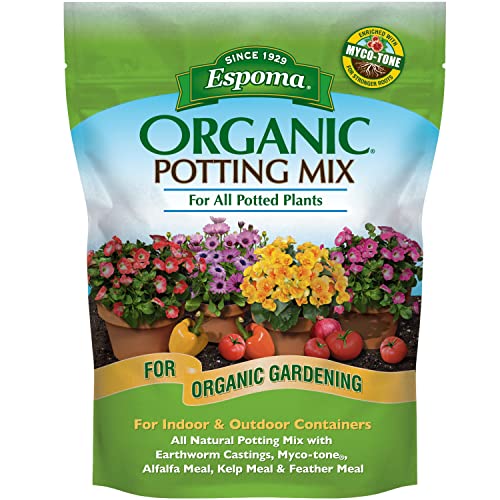
The key is giving the plant steady conditions and knowing when shock has turned into something else.
How Long Should You Watch for Recovery?
Give it 2 to 4 weeks. During that time, keep it in bright, indirect light, water only when the top inch dries, and hold off on fertilizer, since fresh potting mix already contains some nutrients.
A little drooping and one or two yellow outer leaves are fine. A new leaf emerging from the center is your sign that roots are settling in.
Which Signs Call for a Root or Soil Check?
Check the roots if yellowing keeps spreading after three weeks, if stems turn soft, or if the soil stays wet for more than a week.
The most com