
Knowing when to plant vegetables is the difference between a garden that thrives and one that stalls. Plant too early and frost kills your tomatoes. Plant too late and your peas wilt in the heat before they ever set pods.
The good news is that timing is not complicated. It comes down to two dates on your calendar, the type of crop you are growing, and a little counting.
This guide walks you through each step so you can build a simple planting calendar for your own garden.
Start With Your Frost Dates
Your local average last spring frost and first fall frost are the foundation of every planting decision. Once you know those two dates, you can time almost every vegetable by counting weeks forward or backward.
Find Your Average Last and First Frost
Your last spring frost date is the average date of the final freezing night in spring. Your first fall frost date is the average date of the first freezing night in fall. The days between them make up your frost-free growing season.
You can look up these dates by ZIP code through many online frost date tools. Write both dates down and keep them somewhere you will see them, like the inside of a garden notebook or on your fridge.
Remember that these are averages, not guarantees. A frost can still arrive a week or two after the average date. I always keep an eye on the 10-day forecast before setting out tender plants.
Why Soil Temperature Matters Too
Air temperature is only half the story. Seeds and roots respond to soil temperature, and soil warms more slowly than air in spring.
Warm-season crops like tomatoes, peppers, beans and squash want soil that is at least 60°F. Plant them into cold soil and they sit there, sulk, and become easy targets for rot and pests.
My advice is to pick up a soil thermometer. It is an inexpensive tool, and it takes the guesswork out of timing. Push it about 4 inches into the soil in the morning and check the reading for a few days in a row.
Tools That Make Timing Easier
Besides a soil thermometer, a seed starting tray with a humidity dome is worth having if you plan to grow your own transplants. The dome holds moisture around the seeds so they germinate evenly, and you lift it off once sprouts appear.
A simple wall calendar or a planting spreadsheet also helps. Mark your frost dates first, then fill in seed-starting and planting dates for each crop.
If you are just getting set up, my guide to starting a vegetable garden in your backyard covers picking a site and preparing beds.
Cool-Season vs. Warm-Season Crops
Vegetables fall into two broad groups: cool-season crops that handle light frost and prefer mild weather, and warm-season crops that need heat and die in frost. Knowing which group a crop belongs to tells you when to plant vegetables of that type.
Cool-Season Crops
Cool-season crops grow best when temperatures are mild, roughly in spring and fall. Many tolerate a light frost, and some taste sweeter after one.
These crops include:
- Lettuce
- Spinach
- Peas
- Radishes
- Broccoli
- Cabbage
- Kale
- Carrots
- Beets
In summer heat, many of these bolt, meaning they send up a flower stalk and turn bitter. That is why you plant them early in spring and again in late summer for a fall harvest.
Warm-Season Crops
Warm-season crops need warm air and warm soil to grow well. Even a light frost can damage or kill them.
These crops include:
- Tomatoes
- Peppers
- Eggplant
- Cucumbers
- Squash
- Beans
- Corn
- Melons
- Basil
They go in after your last spring frost, once soil reaches at least 60°F. Most of them produce through summer until the first fall frost ends the season.
A Side-by-Side Comparison
Here is a quick reference you can save.
| Feature | Cool-Season Crops | Warm-Season Crops |
|---|---|---|
| Frost tolerance | Handle light frost | Damaged or killed by frost |
| Spring planting | 2 to 6 weeks before last frost | After last frost |
| Soil temperature | Cool soil is fine | At least 60°F |
| Summer behavior | Often bolt in heat | Thrive in heat |
| Fall planting | Yes, in late summer | Generally no |
| Examples | Lettuce, peas, kale, carrots | Tomatoes, peppers, squash, beans |
If you are still deciding what to grow, my list of what to plant in your first vegetable garden focuses on easy crops from both groups.
Vegetables to Plant in Early Spring
In early spring, you can plant cool-season crops roughly 2 to 6 weeks before your last frost date. Peas, spinach, lettuce, radishes, carrots, beets and transplants of broccoli, cabbage and kale all go in during this window.
The Earliest Crops
Peas and spinach are usually the first to go in. They handle cold soil well and can be sown about 4 to 6 weeks before your last frost, as soon as the ground can be worked.
Radishes, lettuce, carrots and beets follow close behind. I like to direct-sow these right into the garden bed, since they grow quickly and do not transplant well in the case of root crops.
Kale, broccoli and cabbage can go out as transplants about 2 to 4 weeks before the last frost. Young plants that have been hardened off can shrug off a light frost.
Check Your Soil Before You Plant
Timing is about more than the calendar. Your soil also has to be ready.
Never work wet soil. Grab a handful and squeeze it into a ball. If it crumbles when you poke it, you are good to go. If it stays in a sticky lump, wait a few more days.
Working wet soil crushes its structure and leaves hard clods that roots struggle through. A few days of patience saves you a season of trouble.
This is also a good time to mix in 2 to 3 inches of compost. Work it into the top 6 to 8 inches, or simply spread it on top if you prefer a no-dig approach.
Early Spring Planting Chart
Use this chart as a starting point. Count backward from your own last frost date.

| Crop | When to Plant | How to Plant |
|---|---|---|
| Peas | 4 to 6 weeks before last frost | Direct-sow |
| Spinach | 4 to 6 weeks before last frost | Direct-sow |
| Radishes | 4 to 6 weeks before last frost | Direct-sow |
| Lettuce | 2 to 4 weeks before last frost | Direct-sow or transplant |
| Carrots | 2 to 4 weeks before last frost | Direct-sow |
| Beets | 2 to 4 weeks before last frost | Direct-sow |
| Kale | 2 to 4 weeks before last frost | Transplant or direct-sow |
| Broccoli | 2 to 4 weeks before last frost | Transplant |
| Cabbage | 2 to 4 weeks before last frost | Transplant |
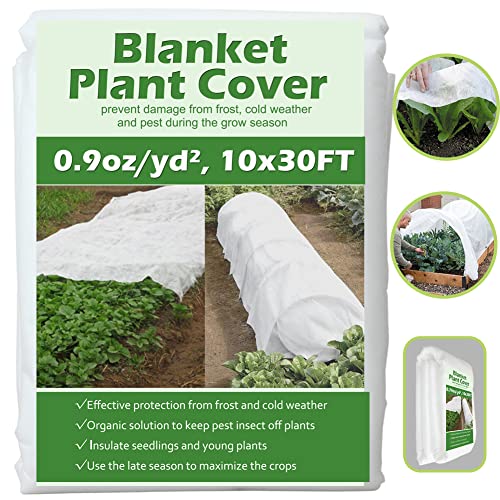
Keep an old sheet or a row cover handy. If an unexpected hard freeze shows up in the forecast, a quick cover protects tender seedlings overnight.
Vegetables to Plant After the Last Frost
After your last frost date passes and the soil reaches at least 60°F, it is time to plant warm-season crops. Tomatoes, peppers, eggplant, beans, corn, cucumbers, squash, melons and basil all belong in this window.
Wait for Warm Soil, Not Just the Date
The last frost date is your earliest possible planting date, not your required one. In many years, waiting an extra week or two leads to stronger plants.
Check your soil thermometer before planting. Beans and corn may rot in cold, wet soil. Peppers and eggplant often stop growing when nights stay chilly.

I also hold off on mulching warm-season beds until the soil has warmed. Mulch keeps soil cool, which is great in July but not helpful in early May.
Once the soil warms, add 2 to 3 inches of straw, shredded leaves or compost, and keep it 1 to 2 inches away from stems.
Direct-Sow vs. Transplant
Some warm-season crops grow best from seed sown right in the garden. Others need a head start indoors or a nursery transplant.

Direct-sow these after the last frost:
- Beans
- Corn
- Squash
- Cucumbers
- Melons in areas with long, hot summers
Plant transplants of these:
- Tomatoes
- Peppers
- Eggplant
- Basil and many other herbs
Seeds cost less and give you more variety choices. Transplants save time and give you a jump on the season. I break down the pros and cons in my guide on seeds vs. plants.
Harden Off Transplants First
Seedlings raised indoors or in a greenhouse are not used to sun, wind and cool nights. Moving them straight into the garden can shock them.
Harden them off over about a week. Set them outside in a sheltered spot for an hour or two on the first day. Gradually increase their time outdoors and their exposure to direct sun.
By the end of the week, they can stay out overnight. Then they are ready to plant. Water them well right after planting, and keep the soil evenly moist while they settle in.
Starting Seeds Indoors: When to Begin
Start most seeds indoors 6 to 10 weeks before your last spring frost, depending on the crop. Peppers and eggplant need the longest head start, while tomatoes, broccoli and cabbage need a bit less.
Seed-Starting Timeline
Count backward from your last frost date to find your start dates.
| Crop | Start Indoors | Move Outdoors |
|---|---|---|
| Peppers | 8 to 10 weeks before last frost | After last frost, warm soil |
| Eggplant | 8 to 10 weeks before last frost | After last frost, warm soil |
| Tomatoes | 6 to 8 weeks before last frost | After last frost, warm soil |
| Broccoli | 6 to 8 weeks before last frost | 2 to 4 weeks before last frost |
| Cabbage | 6 to 8 weeks before last frost | 2 to 4 weeks before last frost |
Notice that broccoli and cabbage go outside before the last frost. Since they start at the same time as tomatoes but move out earlier, you may want to start them a couple of weeks before your tomato seeds.
What You Need to Start Seeds
You do not need a fancy setup. A seed starting tray with a humidity dome, a sterile seed-starting mix and a bright light source will cover the basics.
A sunny window often is not enough. Seedlings stretch toward weak light and grow tall and floppy. A simple grow light hung a few inches above the seedlings produces sturdier plants.