
You buy a gorgeous basket in May, hang it by the front door, and a few weeks later it looks like a bundle of green stems.
If you’ve ever stood on your porch wondering why do hanging plants lose all their flowers, you’re not alone. It’s one of the most common summer frustrations for container gardeners.
The good news is that a flowerless basket is rarely a dead basket. In most cases, the plant is reacting to something simple like a dry day, a heat wave, or an empty fertilizer tank.
Once you spot the cause, you can usually get blooms back within a few weeks.
Quick Diagnosis: Match the Symptom to the Cause
The fastest way to fix a bloomless basket is to look closely at the leaves, the soil, and the stems before you change anything. Each cause leaves its own clues, so a two-minute inspection usually tells you why your plant stopped flowering.
Read the Clues Your Basket Is Giving You
When people ask me why do hanging plants lose all their flowers, my first answer is always: check the soil with your finger. Bone-dry soil and soggy soil point to very different problems, even though both can drop every bud on the plant.
Next, look at the leaves. Pale or yellowing foliage, curled leaves, sticky residue, or tiny webs all tell a story. Then look at the stem tips to see whether new buds are forming or the plant is just stretching out.
Symptom and Cause Chart
Use this chart to narrow things down before you start treating.
| What You See | Most Likely Cause | First Fix |
|---|---|---|
| Buds dropped suddenly, soil pulling away from the pot | Basket dried out | Soak the basket in a tub for 30 minutes |
| Flowers stalled during a hot spell | Heat above about 90°F | Move to afternoon shade |
| Few flowers, long stretched stems | Too much shade or leggy growth | Move to more sun, cut back by one third |
| Yellow leaves, soggy mix, sour smell | Overwatering or root rot | Let it dry slightly, improve drainage |
| Pale green leaves, fewer flowers over time | Out of fertilizer | Feed every 1 to 2 weeks |
| Lots of seed pods, few new blooms | Plant is setting seed | Deadhead spent flowers |
| Holes in buds, tiny black droppings | Budworms | Hand-pick and remove damaged buds |
| Sticky leaves, speckling, fine webbing | Aphids, thrips or spider mites | Spray with insecticidal soap |
| Water runs straight through, roots poke out | Root-bound basket | Water more often, consider repotting |
| Blooms dropped right after purchase | Moving shock | Give it a sheltered spot to adjust |
Two Tools Worth Keeping Nearby
My advice is to keep two things within reach of your baskets all summer. The first is a water-soluble flower fertilizer that you mix into your watering can.

Hanging baskets burn through nutrients fast, and this type of fertilizer gets food to the roots right away.
The second is a pair of small garden snips. They make deadheading and midsummer trimming quick and clean, which matters when you have a basket packed with dozens of spent blooms.
Regular kitchen scissors work in a pinch, but snips with a narrow tip get into tight spots far more easily.

Watering Problems: Too Dry or Too Wet
Watering mistakes are the number one reason hanging baskets drop their flowers. Too little water makes a plant shed buds to survive, and too much water suffocates the roots.
Why Even One Dry Day Matters
Hanging baskets sit up in the air, exposed to sun and wind on every side. That means they dry out much faster than plants in the ground or in big patio pots.
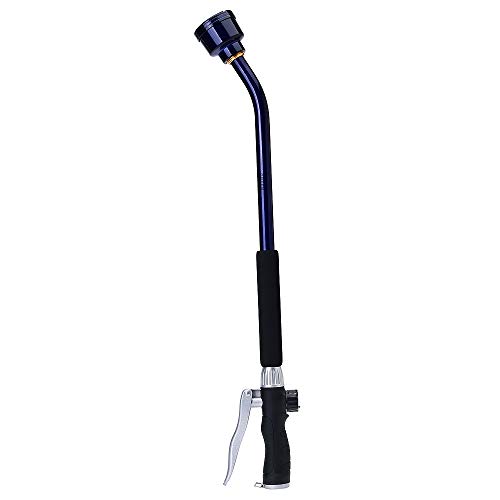
On a hot, breezy day, a small basket can go from moist to bone-dry in a matter of hours.
Even one bone-dry day can be enough to make a plant drop its buds. The plant goes into survival mode and sacrifices flowers to save its leaves and roots.
The blooms you see falling today may be the result of a dry spell from a few days ago.
Here are the signs your basket has dried out:
- The basket feels light when you lift it from below
- The soil has shrunk and pulled away from the sides
- Leaves look limp, dull or crispy at the edges
- Water runs straight through without soaking in
How to Rescue a Dried-Out Basket
When potting mix gets very dry, it can actually repel water. Pouring water on top just sends it running down the sides and out the bottom. The roots stay thirsty even though it looks like you watered.
The fix is simple. Take the basket down and set it in a tub, bucket or sink filled with a few inches of water. Let it soak for about 30 minutes so the mix can rehydrate from the bottom up.
After that, water deeply every time until water drains out the bottom. Light sprinkles only wet the top inch and leave the root zone dry.
If you’re not sure how frequently your basket needs a drink, my guide on how often to water hanging plants walks through it by season and pot size.
When Too Much Water Is the Problem
Overwatering causes flower loss too, just more slowly. When the mix stays soggy, roots can’t get oxygen. They start to rot, and a plant with damaged roots can’t support flowers.

Watch for yellow leaves, a constantly wet mix, and stems that feel soft near the soil line. Lower leaves often yellow first. If you’re seeing that pattern, my article on hanging baskets turning yellow covers the full list of causes.
A sour or rotten smell is another strong warning sign that the roots are in trouble. I cover that issue in more detail in my post about smelly hanging baskets.
To fix an overwatered basket, let the top inch or two dry before watering again, and make sure the drainage holes aren’t blocked.
Heat, Sun and Shade Problems
Many popular basket flowers stop blooming or drop flowers when temperatures climb above about 90°F. On the flip side, sun-loving plants hung in too much shade simply won’t produce many flowers at all.

Heat Waves Stop Blooms in Their Tracks
Petunias, fuchsias, lobelia and bacopa are some of the most common basket plants. They’re also some of the most likely to drop blooms or stall during a heat wave. When it gets above about 90°F, these plants focus on survival rather than flowering.
Fuchsias and lobelia are especially sensitive. They prefer cool weather and often fade badly by midsummer in hot regions. That doesn’t mean they’re dying. Many of them perk up again once nights cool off in late summer or early fall.
To help your basket through extreme heat:
- Move it to a spot with afternoon shade
- Check moisture every morning, and again in the evening on very hot days
- Hold off on heavy fertilizing until temperatures ease a bit
- Avoid hanging baskets against hot walls or near reflective surfaces
If you live somewhere with long, hot summers, it may be worth choosing plants that handle the heat better. My list of hanging plants that survive high temperatures is a good place to start.
Not Enough Sun for Sun-Lovers
Petunias, calibrachoa, verbena and geraniums need plenty of direct sun to flower well. Most want at least six hours a day. Hang them under a deep porch roof or a big shade tree and they’ll grow leaves but very few blooms.
Too much shade also causes stretching. Stems reach toward the light, get long and thin, and flower only at the very tips. If your basket looks lanky and sparse, light is a likely suspect.
Match the Plant to the Spot
The easiest fix is to put the right plant in the right place. Shade-tolerant plants like fuchsias, begonias and impatiens are better choices for covered porches. Sun-lovers belong where they’ll get strong light for most of the day.
Here’s a quick reference:
| Light Conditions | Good Basket Choices |
|---|---|
| Full sun, hot afternoons | Calibrachoa, verbena, lantana, portulaca |
| Full sun, moderate heat | Petunias, geraniums, bacopa |
| Morning sun, afternoon shade | Fuchsias, begonias, lobelia |
| Bright shade | Impatiens, begonias, fuchsias |
If you love color, my roundup of hanging plants with pink and purple flowers includes options for both sunny and shaded spots.
Hungry Plants: Fertilizer Runs Out Fast
Hanging baskets run out of food quickly because they hold very little soil and get watered constantly. Once the nutrients are gone, flower production slows down or stops.
Why Baskets Get Hungry So Quickly
A hanging basket is packed with plants in a small amount of potting mix. All those roots compete for the same limited nutrients. On top of that, every time you water until it drains, some nutrients wash out the bottom.
In midsummer, you might water a basket every day or even twice a day. That frequent watering leaches nutrients much faster than you’d expect. Any slow-release fertilizer mixed in at the greenhouse may be largely used up by mid to late summer.
Signs your basket is hungry include:
- Pale green or slightly yellow leaves
- Fewer and smaller flowers over several weeks
- Slow growth even when watering is on point
- Flowers that look faded or less vibrant
How Often to Feed
My advice is to feed hanging baskets every 1 to 2 weeks with a water-soluble fertilizer during the growing season. Heavy bloomers like petunias and calibrachoa often do best on the weekly end of that range.
Always follow the mixing directions on the label. More fertilizer isn’t better, and too strong a mix can burn the roots. It also helps to water first if the basket is very dry, then feed, so the roots aren’t hit with fertilizer while they’re stressed.
Choosing the Right Fertilizer
Look for a fertilizer made for flowering plants. These usually have a balanced formula or slightly more phosphorus to support blooms. A water-soluble type is ideal for baskets because it gets to the roots fast.
Some plants, like calibrachoa and petunias, can develop yellow leaves with green veins if they’re short on iron. A fertilizer that includes micronutrients helps prevent that. Whatever you choose, consistency matters more than the exact formula.
Deadheading, Seed Pods and Leggy Growth
Many basket plants stop flowering once they start making seeds. Removing spent blooms and trimming long stems tells the plant to keep producing new flowers.
Why Seed Pods Shut Down Flowering
From a plant’s point of view, flowers exist to make seeds. Once a flower is pollinated and starts forming a seed pod, the plant shifts energy toward that seed.
If lots of pods are developing, the plant feels like its job is done and slows down on new flowers.
Deadheading interrupts that cycle. When you remove spent flowers before they set seed, the plant keeps trying to bloom. This is one of the simplest ways to keep a basket full all season.
How to Deadhead the Right Way
Petunias, geraniums and many other basket plants benefit from regular deadheading. For petunias, pinch or snip off the whole spent flower, including the small green base where the seed pod forms. Pulling off just the petals leaves the pod behind.
For geraniums, follow the flower stalk back to where it meets the main stem and snip it there. Here are a few tips that make it easier:
- Deadhead every few days during peak bloom
- Use small snips for clean cuts on tough stems
- Remove any yellow or dead leaves while you’re at it
- Do it in the morning or evening when it’s cooler
Some newer plants are called self-cleaning. Many calibrachoa, bacopa and some newer petunia types drop spent flowers on their own without much help. Even so, a midsummer trim can still help these plants.
Cutting Back Leggy Plants
By midsummer, many baskets get long and stringy with flowers only at the tips. This is especially common with petunias. If your plants look like this, my article on leggy hanging baskets explains the causes in more detail.
The fix feels drastic, but it works. Cut the plants back by about one third. Then feed them with water-soluble fertilizer and keep them well watered.
New growth and fresh blooms usually return in 2 to 3 weeks. The basket will look a little bare at first, but it comes back fuller and bushier. If you have several baskets, trim them at different times so you always have something blooming.
Pests, Moving Shock and Root-Bound Baskets
Pests can chew or suck the life out of buds, while moving shock and crowded roots stress the whole plant. These causes are easy to miss because they often happen quietly.

Bugs That Steal Your Blooms
Several common pests target hanging basket plants. Check the undersides of leaves regularly, since that’s where many of them hide.
- Aphids: Small soft-bodied insects that cluster on new growth and buds. They leave sticky residue behind.
- Thrips: Tiny slender insects that damage buds and petals, causing streaks, distortion or buds that never open.
- Spider mites: Very small pests that cause speckled, dull leaves and fine webbing. They thrive in hot, dry conditions.
- Budworms: Small caterpillars that bore into petunia and geranium buds. You’ll see small holes in buds and tiny black droppings.
Budworms are especially sneaky. A basket can look healthy from a distance while the caterpillars eat every bud before it opens. If your petunias have plenty of buds but almost no open flowers, look closely for holes.
How to Handle Pests
For aphids, thrips and spider mites, insecticidal soap is a good first step. Spray it directly on the pests, including the undersides of leaves, and repeat as directed on the label. Always read and follow the label instructions.
For budworms, hand-picking works well. Check the buds in the evening when the caterpillars are more active. Remove any damaged buds, since they won’t open properly anyway.
If you’re trying to attract pollinators, be gentle with your pest control choices. My list of hanging plants that attract hummingbirds is a nice reminder that a basket can be great for wildlife when it’s healthy.
Moving Shock and Crowded Roots
Many baskets are grown in a warm, sheltered greenhouse with steady moisture. When you bring one home and hang it on a windy, sunny porch, it’s a big change. It’s common for the plant to drop some flowers while it adjusts.
Give a new basket a sheltered spot for the first several days if you can. Keep it well watered, and avoid hanging it where it takes full wind right away. Most baskets settle in and start blooming again within a week or two.
Root-bound baskets are a midsummer and late-summer issue. After months of growth, roots can fill the entire basket. There’s little room left to hold water, so the plant dries out fast and gets stressed.
If water runs straight through or roots poke out of the bottom, the basket is likely root-bound. You can water more often, move the plants into a larger container, or trim them back to reduce the demand on the roots.
How to Get Blooms Back
Most bloomless baskets can recover with a few weeks of steady care. Water deeply, feed regularly, deadhead, and trim back leggy growth so new flowers have room to form.
A Simple Recovery Plan
When a basket has lost its flowers, I like to work through the basics in order. Fixing the root problem first gives the rest of your efforts a chance to work.
- Check soil moisture and fix watering first. Soak the basket for 30 minutes if it’s bone-dry, or let it dry slightly if it’s soggy.
- Inspect leaves, buds and stems for pests, and treat if needed.
- Remove spent flowers and seed pods.
- Cut leggy plants back by about one third.
- Feed with water-soluble fertilizer.
- Move the basket to better light, or into afternoon shade during extreme heat.
After that, stay consistent. Water deeply whenever the top of the mix feels dry, feed every 1 to 2 weeks, and keep deadheading.
What to Expect While It Recovers
Patience is part of the process. After a trim, it usually takes 2 to 3 weeks for new blooms to appear. Heat-stressed plants may not flower much until the weather cools a bit.
| Fix | Typical Recovery Time |
|---|---|
| Soaking a dried-out basket | Leaves perk up within a day; buds return in 1 to 2 weeks |
| Cutting back by one third and feeding | New blooms in 2 to 3 weeks |
| Starting regular feeding | Better color and more flowers over 2 to 3 weeks |
| Moving to afternoon shade in heat | Blooms resume as temperatures ease |
| Treating pests | New buds open once pests are under control |
Habits That Keep Baskets Blooming
The best way to avoid a flowerless basket is to build a few simple habits. These small routines prevent most problems before they start.
- Check moisture every day in summer, sometimes twice
- Feed on a regular schedule rather than when you remember
- Deadhead a little every few days
- Look under leaves for pests once a week
- Rotate baskets now and then so all sides get light
If a basket struggles no matter what you do, it may simply be in the wrong spot. Swapping a fuchsia for a heat-loving plant in a hot location can make a huge difference.

Frequently Asked Questions
Why are the flowers falling off my hanging basket?
The most common reasons are a basket that dried out, a heat wave above about 90°F, or a lack of fertilizer. When people ask why do hanging plants lose all their flowers, these three causes cover most cases. Check the soil first, then look at the weather and your feeding schedule.
How do I get my hanging basket to bloom again?
Water deeply, feed every 1 to 2 weeks with water-soluble fertilizer, and deadhead spent flowers. If the plants are leggy, cut them back by about one third and feed them. New blooms usually return in 2 to 3 weeks.
Should I cut back a hanging basket in midsummer?
Yes, if it looks leggy or has few flowers. Cutting back by about one third encourages fresh, bushy growth and new blooms. Feed the basket after trimming to help it recover quickly.
How often should I feed hanging baskets?
Feed every 1 to 2 weeks with a water-soluble fertilizer during the growing season. Frequent watering washes nutrients out of the small amount of soil, so baskets need regular feeding. Always follow the mixing directions on the label.
Why did my hanging basket stop blooming after I brought it home?
It’s likely moving shock. Baskets grown in a sheltered greenhouse often drop flowers when moved to a sunny, windy porch. Give it a protected spot for several days and keep it well watered, and it should start blooming again within a week or two.

Hello there! I’m Elsa, and gardening is my passion. As an avid gardener, I created GardeningElsa.com to share my knowledge and experience with fellow enthusiasts. My website is a comprehensive resource for gardeners of all levels, offering expert advice on a wide range of topics, including plants, flowers, herbs, and vegetable gardening. Whether you’re a beginner looking to start your first garden or a seasoned pro seeking to expand your knowledge, GardeningElsa.com has something for everyone. Read more about me.