
Areca palms bring a tropical feel to any space with their graceful fronds and striking appearance. These popular houseplants, also known as Dypsis lutescens, golden cane palms, or butterfly palms, can thrive indoors with proper care. Areca palms need bright, indirect light, consistent moisture, and warm temperatures to grow well.
Caring for an areca palm starts with finding the right spot in your home. Place it near a window that gets plenty of light, but avoid direct sun that can scorch the leaves. Water when the top inch of soil feels dry, and mist the fronds regularly to boost humidity. Keep your palm in a warm room, ideally above 60°F.
With the right care, an indoor areca palm can reach 6-7 feet tall over time. Regular feeding during the growing season will support healthy growth. Prune away any yellow or brown fronds to keep your palm looking its best. By meeting its basic needs, you can enjoy a lush, tropical areca palm for years to come.
Optimal Growing Conditions for Areca Palm
Areca palms thrive in specific conditions that mimic their natural tropical habitat. Proper light, temperature, humidity, and soil are key to keeping these palms healthy and vibrant.

Understanding Light Requirements
Areca palms prefer bright, indirect sunlight. Place them near east or west-facing windows for best results. Too much direct sun can scorch the leaves, while too little light causes slow growth and pale foliage.
In low light, areca palms may stretch toward light sources. This leads to weak, spindly growth. If leaves turn yellow, the plant may be getting too much light. Move it farther from windows or add a sheer curtain to filter sunlight.
Artificial grow lights can supplement natural light in darker rooms. Use full-spectrum bulbs and position them 6-12 inches above the plant for 12-16 hours daily.
Maintaining Proper Temperature
Areca palms grow best in temperatures between 65-75°F (18-24°C). They can tolerate brief periods down to 50°F (10°C) but suffer damage below that.
Keep palms away from cold drafts near doors or windows. Also avoid placing them near heating vents, which can dry out the air and leaves.
In summer, outdoor areca palms benefit from shade during the hottest parts of the day. Bring potted palms indoors when temperatures drop below 50°F (10°C).
Sudden temperature changes can stress the plant. Make any moves gradually to allow for adjustment.

Achieving Humidity Balance
Areca palms need high humidity, ideally 50-60%. Low humidity causes brown leaf tips and edges.
To boost humidity:
- Group plants together
- Use a pebble tray with water
- Run a humidifier nearby
Mist leaves lightly every few days, but avoid soaking them. This can lead to fungal issues.
In dry climates or seasons, daily misting may be needed. Always use room temperature water to avoid shocking the plant.
Choosing the Correct Soil Type
Areca palms require well-draining, slightly acidic soil with a pH of 6.1 to 6.5. A mix of peat moss, sand, and loam works well.
![GARDENERA Palm Tree Potting Mix - The Ultimate Soil for Strong and Healthy Palms - Top Choice for Palm Tree Growers [4 Quart Bag]](https://m.media-amazon.com/images/I/411InesoQfL._SL500_.jpg "GARDENERA Palm Tree Potting Mix - The Ultimate Soil for Strong and Healthy Palms - Top Choice for Palm Tree Growers [4 Quart Bag]")
Recipe for areca palm potting mix:
- 2 parts peat moss
- 1 part coarse sand
- 1 part loam
Add perlite or bark chips to improve drainage. This prevents root rot, a common issue with poorly-draining soils.
Repot every 2-3 years with fresh soil. Choose a pot 1-2 inches larger in diameter. Ensure it has drainage holes to prevent water buildup.
Watering and Drainage for Areca Palm
Proper watering and drainage are key to keeping your areca palm healthy. These palms need consistent moisture but can suffer from overwatering. Good drainage prevents root rot and other issues.
Watering Schedule and Techniques
Water your areca palm when the top inch of soil feels dry. In spring and summer, this may be every 1-2 weeks. Water less often in fall and winter. Use room temperature water.
Pour water slowly until it drains from the bottom of the pot. This ensures the roots get enough moisture. Avoid getting water on the leaves or stem.
Use distilled water if your tap water has high mineral content. This prevents leaf tip browning.
Let the soil dry slightly between waterings. Stick your finger in the soil to check moisture levels.
Ensuring Adequate Drainage
Choose a pot with several drainage holes in the bottom. This lets excess water escape and prevents soggy soil.

Use a well-draining potting mix made for palms. Add perlite or sand to improve drainage if needed.
Place a layer of gravel or pebbles in the bottom of the pot before adding soil. This creates air pockets for better drainage.
Empty the drainage tray after watering. Don’t let the pot sit in standing water.
Check the soil occasionally. If it stays wet for days after watering, improve drainage or reduce watering frequency.
Areca Palm Plant Fertilization Strategies
Proper fertilization is key for healthy areca palms. The right nutrients and timing help these plants thrive.
Understanding Fertilizer Types
Areca palms need balanced fertilizers with equal amounts of nitrogen, phosphorus, and potassium. Look for NPK ratios like 3:1:2 or 2:1:2. Liquid and granular fertilizers both work well. Liquid fertilizers are easy to apply and absorb quickly. Granular slow-release fertilizers feed plants over time.
For indoor palms, use a mild liquid fertilizer diluted to half strength. This prevents nutrient buildup in pots. Outdoor palms in the ground can handle stronger fertilizers. Always follow package directions for amounts.

Timing and Frequency of Fertilizing
Areca palms grow most during spring and summer. Fertilize every 2-3 months in the growing season. Stop fertilizing in late fall and winter when growth slows. This rest period is normal for palms.
For potted palms, fertilize monthly with liquid fertilizer. Use slow-release granules 2-3 times per year. Outdoor palms need fertilizer 3-4 times yearly. Apply in early spring, late spring, midsummer, and early fall.
Water plants before and after fertilizing. This helps nutrients soak in and prevents root burn. Don’t fertilize dry soil or stressed plants.
Check out Homemade Fertilizer for Areca Palm
Areca Palm Propagation and Repotting
Areca palms can be grown from seeds or by dividing existing plants. These methods allow you to create new palms or refresh potted ones as they grow.
Methods of Propagation
Seeds offer a simple way to grow areca palms. Plant fresh seeds in a mix of peat moss and sand. Keep them warm and moist. Seedlings will sprout in 6-8 weeks.

Root division works well for mature plants. Gently remove the palm from its pot. Cut the root ball into sections, each with stems and roots. Replant these pieces in new pots with fresh soil.
Stem cuttings don’t work for areca palms. The plant’s structure makes this method unsuitable.
Repotting Areca Palm
Repot areca palms every 2-3 years. Choose a pot 1-2 inches wider than the current one. Use a well-draining potting mix.
Spring is the best time to repot. Gently remove the palm from its old pot. Loosen the roots and trim any dead or rotting parts. Place it in the new pot at the same depth as before.
Don’t put a small plant in a big pot. This can lead to overwatering. Areca palms like to be a bit root-bound.
Water the palm after repotting. Keep it in a shady spot for a few weeks. This helps it adjust to its new home.
Pruning and Cleaning of Areca Palm
Keeping your areca palm well-groomed is key to its health and beauty. Regular pruning and cleaning help the plant thrive and look its best.
Proper Pruning Techniques
To prune your areca palm, start by removing any brown or yellowed fronds. Cut these at the base where they meet the trunk. Use clean, sharp pruning shears to make clean cuts and avoid tearing the plant.
Next, trim any brown tips from healthy fronds. Cut at an angle to match the natural shape of the leaf. This prevents water from pooling on cut edges.
If your palm is overcrowded, thin out some of the fronds. Remove no more than 20% of the foliage at once to avoid stressing the plant.
Prune in spring or early summer for best results. This gives the palm time to recover before winter.
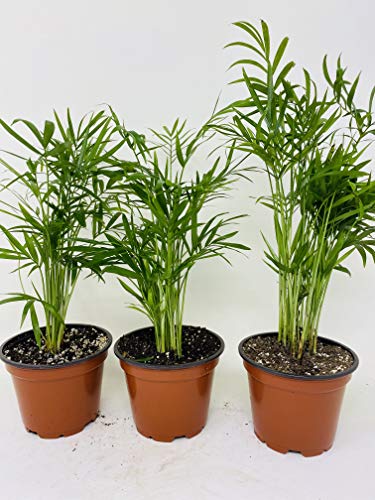
Keeping Your Palm Dust-Free
Dust can block sunlight and slow your areca palm’s growth. Clean the fronds regularly to keep them healthy.
Use a soft, damp cloth to wipe down each frond gently. Support the leaf with one hand while cleaning to avoid damage.
For hard-to-reach areas, try a soft brush or the brush attachment on a vacuum cleaner. Be gentle to avoid hurting the plant.
Mist the palm with water to rinse off dust between cleanings. This also helps increase humidity, which areca palms love.
Clean your palm every few weeks or when you notice dust buildup. Regular cleaning keeps the plant looking fresh and helps it breathe better.
Pest and Disease Management for Areca Palm Growth
Areca palms can face threats from pests and diseases. Proper care and quick action are key to keeping your palm healthy.
Identifying Common Pests
Mealybugs and spider mites are frequent pests of areca palms. Mealybugs appear as small white cottony spots on leaves and stems. Spider mites cause tiny yellow spots on leaves and fine webbing.
Look for signs of pest activity regularly. Check under leaves and along stems. Catching problems early makes treatment easier.
Other pests to watch for include scale insects and thrips. Scale looks like small bumps on stems. Thrips cause silvery patches on leaves.

Preventing and Treating Plant Diseases
Good care practices help prevent many diseases. Water properly and ensure good drainage. Fertilize as needed with a balanced plant food.
Leaf tip burn is common in areca palms. It causes brown, dry leaf tips. This often results from too much fertilizer or chlorine in water.
Bacterial blight can be serious. It causes dark, water-soaked spots on leaves. Remove affected parts and improve air flow around the plant.
For pest control, try insecticidal soap first. It’s effective and safe when used as directed. Wipe leaves gently to remove pests.
Design and Placement
Areca palms add tropical flair and functional beauty to indoor spaces. These versatile plants can serve as privacy screens or focal points while thriving in low light conditions.
Leveraging Areca Palm as a Privacy Screen
Areca palms make great natural room dividers. Place several plants side-by-side to create a lush green wall. This living screen offers privacy without blocking all light. For best results, space plants about 2 feet apart. As they grow, the fronds will fill in gaps.
In offices, use areca palms to separate workspaces. At home, they can define areas in open floor plans. These palms also work well to shield windows from street views.
Placement for Aesthetic Appeal
Areca palms look stunning as standalone statement pieces. Put a large palm in an empty corner to soften the space. Smaller plants work well on side tables or as centerpieces.
Group areca palms with other tropical plants for a jungle-inspired look. Mix different heights and textures for visual interest. Bright pots can add pops of color.
Place areca palms near east or north-facing windows for ideal light. They tolerate low light but grow best with bright, indirect sun. Avoid hot, direct sunlight, which can scorch leaves.
Understanding Growth and Maintenance of Areca Palm
Areca palms grow steadily with proper care. Regular upkeep helps these elegant plants thrive for years in indoor settings.
Monitoring Growth Rate
Areca palms grow 6 to 10 inches per year indoors. They can reach up to 6 feet tall in home environments. Track height changes monthly to ensure healthy development. Place a small mark on the main stem to measure growth accurately.
Leaf color and new frond emergence also signal good growth. Bright green leaves and frequent new fronds mean the palm is thriving. Slow growth or yellowing leaves may indicate care problems.
Check root health yearly. Gently remove the palm from its pot to inspect roots. Healthy roots are firm and light-colored. Repot if roots are crowded or circling the container.
Long-Term Maintenance Tips
Prune areca palms regularly to maintain shape and size. Remove yellow or brown fronds at the base. Trim damaged leaf tips with clean scissors. Don’t cut healthy green fronds, as this can harm the plant.
Repot every 2-3 years to refresh soil and provide more space. Choose a pot 1-2 inches larger in diameter. Use well-draining potting mix made for palms.
Fertilize monthly during growing season with a balanced, water-soluble fertilizer. Reduce feeding to every other month in winter.
Clean leaves gently with a damp cloth to remove dust. This helps the plant photosynthesize better. Mist fronds weekly to boost humidity, especially in dry indoor air.

Frequently Asked Questions
Areca palms require specific care to thrive indoors and outdoors. Proper lighting, watering, and fertilizing are key to keeping these plants healthy and vibrant.
What are the optimal lighting conditions for an Areca Palm indoors?
Areca palms need bright, indirect light. Place them near a window that gets plenty of sunlight, but not in direct rays. A spot 3-5 feet from a south or west-facing window works well. Too little light can slow growth and cause leaf yellowing. Too much direct sun can scorch the leaves.
How frequently should an Areca Palm be watered when kept in pots?
Water areca palms when the top inch of soil feels dry. This is usually every 5-7 days, but can vary based on humidity and temperature. Don’t let the soil get soggy. Good drainage is important to prevent root rot.
What is the best way to fertilize an Areca Palm and how often?
Feed areca palms with a balanced, water-soluble fertilizer every 2-3 months during spring and summer. Use a fertilizer with an NPK ratio of 3-1-2 or similar. Dilute the fertilizer to half-strength to avoid burning the roots. Stop fertilizing in fall and winter when growth slows down.
Why are the tips of my Areca Palm leaves turning brown, and how can I prevent it?
Brown leaf tips often mean the plant is getting too little humidity or water. Boost humidity by misting the leaves or using a pebble tray with water. Make sure you’re not underwatering. Also check for drafts from windows or air vents, which can dry out the leaves.
How should Areca Palms be cared for outdoors to maintain their health?
Outdoor areca palms need partial shade and protection from strong winds. Plant them in well-draining soil and water deeply once a week. Apply a slow-release fertilizer in spring and mid-summer. Prune dead or yellowing fronds to keep the plant looking neat.
What are the benefits of having an Areca Palm in terms of Vastu, and how does one maximize them?
In Vastu, areca palms are believed to bring positive energy and prosperity. Place them in the east or north corners of a room or home. Keep the plant well-maintained and healthy to maximize its Vastu benefits. Remove any dead leaves promptly.
Conclusion
Areca palms are beautiful, low-maintenance plants that can thrive with proper care. They need bright, indirect light and consistent watering to stay healthy. These palms prefer temperatures between 65-75°F (18-24°C).
Fertilize areca palms regularly during the growing season. Use a balanced, water-soluble fertilizer every 2-3 months. This helps promote lush, green foliage.
Humidity is important for areca palms. Mist the leaves or use a pebble tray to increase moisture around the plant. In dry indoor environments, a humidifier can be helpful.
Repot areca palms every 2-3 years as they grow. Choose a pot 1-2 inches larger than the current one. Use well-draining potting soil to prevent root rot.
Prune yellow or brown fronds as needed to maintain the palm’s appearance. This also helps direct energy to new growth.
With consistent care, areca palms can grow into tall, elegant plants. They add a tropical touch to any indoor space while helping purify the air.
You may also like:

Hello there! I’m Elsa, and gardening is my passion. As an avid gardener, I created GardeningElsa.com to share my knowledge and experience with fellow enthusiasts. My website is a comprehensive resource for gardeners of all levels, offering expert advice on a wide range of topics, including plants, flowers, herbs, and vegetable gardening. Whether you’re a beginner looking to start your first garden or a seasoned pro seeking to expand your knowledge, GardeningElsa.com has something for everyone. Read more about me.