
Savoy cabbage and green cabbage are the same species, Brassica oleracea, but they look, cook and keep differently.
Pick savoy cabbage if you want tender, crinkled, mild leaves for wraps, soups and quick sautés; pick green cabbage if you want crunch for coleslaw, sauerkraut and long fridge storage.
For growing, savoy is my choice for fall gardens because it’s one of the most cold-hardy cabbages. Green cabbage is the easier all-purpose crop.
If you start savoy cabbage seeds this season, plan on insect netting too, since those puckered leaves give caterpillars plenty of hiding spots.
Quick Comparison: Which Cabbage Should You Choose?
Green cabbage wins for crunch and shelf life, while savoy wins for tenderness and sweetness. The table and notes below show where each one fits in your beds and your recipes.
The Differences at a Glance
Here’s how savoy cabbage vs green cabbage stacks up on the points most home gardeners care about.
| Feature | Savoy Cabbage | Green Cabbage |
|---|---|---|
| Leaves | Crinkled, thin, tender | Smooth, waxy, crisp |
| Head | Looser, lighter | Dense, heavy |
| Cabbage flavor | Mild, sweet | Peppery, a bit sharp raw |
| Best uses | Wraps, soups, sautés | Coleslaw, sauerkraut, braising |
| Days to maturity | About 80 to 90 | About 60 to 100, by variety |
| Fridge life (whole) | About 2 weeks | Several weeks |
Which One Fits Your Garden and Kitchen?
I’d grow green cabbage if you want a dependable spring crop and plan to make slaw or kraut. Early green varieties finish in about 60 to 70 days, so they clear out before summer heat.
I’d grow savoy if you love cooked dishes and have a long, cool fall. It takes a little longer, but light frost makes it even sweeter.
If you have room, grow both. Savoy cabbage seeds and green cabbage seeds go in at the same time, and a single run of insect netting can cover both rows.
How Do the Leaves and Heads Differ?
Savoy has crinkled, loosely wrapped leaves, and green cabbage has smooth, tightly packed leaves. Both are forms of Brassica oleracea: green cabbage is var. capitata and savoy is var. sabauda.

Crinkled Savoy Leaves vs. Smooth Green Leaves
Savoy leaves are puckered and ruffled, with raised veins that make the center look almost like a brain. The outer leaves are deep green, fading to pale yellow-green inside.
Even though they look tough, savoy leaves are thin and bend easily raw. That’s why cooks like them for rolls.
Green cabbage leaves are smooth with a waxy coating. They’re thicker and snap when you bend them, which gives you that classic crunch.

Loose Heads vs. Dense Heads
A green cabbage head feels like a bowling ball for its size. Its leaves overlap tightly with almost no air between them.
A savoy head feels lighter and has some give when you squeeze it. The crinkles leave small air pockets between layers, so a savoy and a green head of the same size won’t weigh the same.
How Do They Taste and Cook?
Savoy tastes milder and sweeter, and it cooks faster, while green cabbage tastes more peppery and holds up to long cooking. Cooked savoy also gives off less of that sulfur smell many people dislike.
Raw Cabbage, Coleslaw, and Fermented Dishes
For raw cabbage, green is the crunchy pick. Thin-sliced green cabbage keeps its bite under creamy or vinegar dressing for hours.
Savoy works raw in salads because it’s so tender, and the crinkles grab dressing nicely. In coleslaw it softens faster, so dress it right before serving.
For sauerkraut, I’d always use green cabbage. Its dense, juicy leaves release plenty of brine when salted and stay crisp through fermentation.
Cabbage Rolls, Soups, and Braised Cabbage
Savoy is my favorite for stuffed cabbage rolls. Blanch the leaves for 1 to 2 minutes and they fold around filling without cracking.
Green cabbage works for cabbage rolls too, but the thick center rib needs trimming, and leaves need 3 to 4 minutes of blanching.
For braised cabbage that simmers 30 minutes or more, green holds its shape better. Add savoy to soups in the last 10 minutes so it stays tender, not mushy.
Quick sautés and stir-fries suit savoy, which cooks in about 5 minutes.
Nutrition Side by Side
Green and savoy cabbage are nearly equal in nutrition, with each one ahead on a few nutrients. Green has a bit more vitamin C and vitamin K, while savoy has more folate, vitamin A and fiber.
Calories, Vitamin C, and Vitamin K
Per 100 grams of raw cabbage, approximately:
- Green cabbage: 25 calories, 37 mg vitamin C, 76 mcg vitamin K
- Savoy cabbage: 27 calories, 31 mg vitamin C, 69 mcg vitamin K
Either one gives you a solid share of your daily vitamin C and most of your daily vitamin K. If you take a blood thinner, keep your cabbage intake steady, since vitamin K affects clotting.
Fiber and Plant Compounds
Savoy has about 3.1 grams of fiber per 100 grams, compared with about 2.5 grams in green. Savoy also carries far more vitamin A from beta carotene and nearly twice the folate.
Both contain glucosinolates, plant compounds that form sulforaphane when you chop or chew the leaves. These antioxidants are a big reason cruciferous vegetables have a good health reputation.
Raw or lightly cooked cabbage keeps more of these compounds than cabbage boiled for a long time.
Growing Savoy and Green Cabbage
You grow savoy and green cabbage the same way, with savoy needing a bit more time. Both want cool weather, rich soil and steady moisture.
Starting Seeds and Spacing Plants
Sow seed 1/4 to 1/2 inch deep. At 65 to 75°F, it sprouts in about 4 to 10 days.
Seedlings are ready to harden off and transplant at 4 to 6 weeks old. Give them a week outdoors in a sheltered spot first.
Space plants 12 to 24 inches apart in rows 24 to 36 inches apart. In raised beds, I’d use:
- 12 inches for small early green types
- 18 inches for most savoy and mid-size green varieties
- 24 inches for big late storage types
For a tight layout, you can grow cabbage in a square foot garden at one plant per square foot, though heads come out smaller.
On a patio, you can grow cabbage in containers at least 12 inches deep; 5 gallons per plant is the minimum and 10 gallons is better.
Soil, Water, and Feeding for Firm Heads
Cabbage wants rich, well-drained soil with lots of compost and a pH of 6.0 to 7.5, ideally about 6.5 to 6.8. If your soil is acidic, lime it, which also helps prevent clubroot.
Water 1 to 1.5 inches a week, evenly. A heavy soak after a dry spell is the top cause of split heads. Mulch with shredded leaves or straw to hold moisture steady.
Cabbage is a heavy nitrogen feeder. Side-dress with a nitrogen-rich fertilizer about 3 weeks after transplanting and again when heads start forming.
Expect one main head per plant. Early varieties run about 1 to 3 pounds and late ones 4 to 8 pounds or more; I cover cabbage yield per plant in more detail separately.
Cold Hardiness and Planting Times
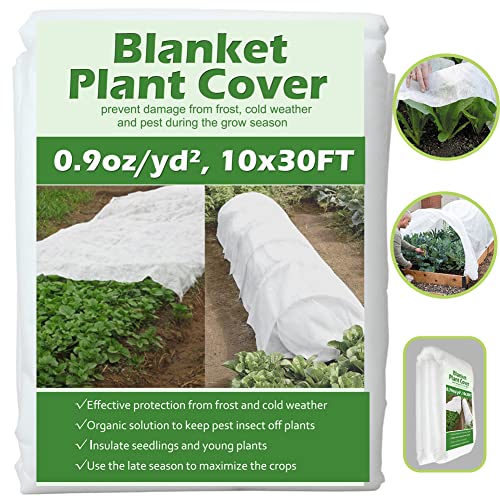
Savoy is one of the most cold-hardy cabbages, so it shines in fall and winter plantings. Both types grow best between 60 and 70°F and struggle once summer heat arrives.
Spring and Fall Planting Windows
For a spring crop, start seeds indoors 6 to 8 weeks before your last spring frost. Transplant 2 to 4 weeks before that frost date.
For a fall crop, start seeds 10 to 12 weeks before your first fall frost. In the Northeast and Midwest, that means sowing in early summer.
In zones 8 to 10, including much of the Southeast and Southwest, plant in late summer or fall. Cabbage grows right through the mild winter there.
Because savoy takes about 80 to 90 days, I’d give it the fall slot. Fast green varieties fit better in spring before heat hits.
How Frost and Heat Affect Each Type
Established plants of both types handle hard frost into the low to mid 20s°F. A light frost turns some starches to sugar and sweetens the leaves, and savoy shows this most.
Above about 80°F, heads turn loose or bitter, or plants bolt. Savoy’s already-loose head gets floppy fast in heat.
Watch spring cold too. Young plants with pencil-thick stems held at 40 to 50°F for several weeks can bolt instead of heading.
Pests and Problems to Watch For
Savoy and green cabbage attract the same pests, but savoy hides them much better. Cover both with insect netting on planting day, and you’ll prevent most damage.
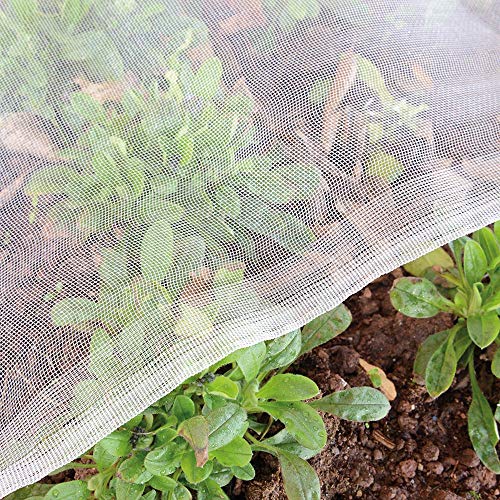
Checking Crinkled Leaves for Hidden Pests
Imported cabbageworms are velvety green larvae of a white butterfly, and they match savoy leaves almost perfectly. Cabbage loopers and diamondback moth larvae tuck into the folds too; diamondback larvae wriggle and drop on a silk thread when disturbed.
Cabbage aphids form gray, waxy clusters deep in savoy crinkles. Check leaf undersides and the inner layers twice a week.
Before cooking savoy, soak the separated leaves for 10 to 15 minutes in cold salted water. Worms and aphids float out.
Green cabbage’s smooth leaves make pests easier to spot. If holes show up and you can’t find the culprit, my guide to pests eating cabbage leaves helps you match damage to the pest.
Preventing Damage to Both Types
Here’s what I’d do for either cabbage:
- Insect netting or row cover: Lay it right after transplanting and seal the edges with soil or pins.
- Hand-picking: Pick off caterpillars and eggs on undersides.
- Bt (Bacillus thuringiensis): Use for caterpillars only. It won’t touch aphids or beetles.
- Insecticidal soap: Spray aphid colonies directly.
- Iron phosphate bait or beer traps: Use for slugs and snails.
Flea beetles leave tiny shot holes, and cabbage root maggots attack roots in cool, wet spring soil. In the South, harlequin bugs show up in warm months.
For diseases like clubroot, black rot and downy mildew, keep brassicas out of the same bed for 3 to 4 years. Fence out rabbits, deer and groundhogs.