How to Start Hydroponic Seedlings the Right Way
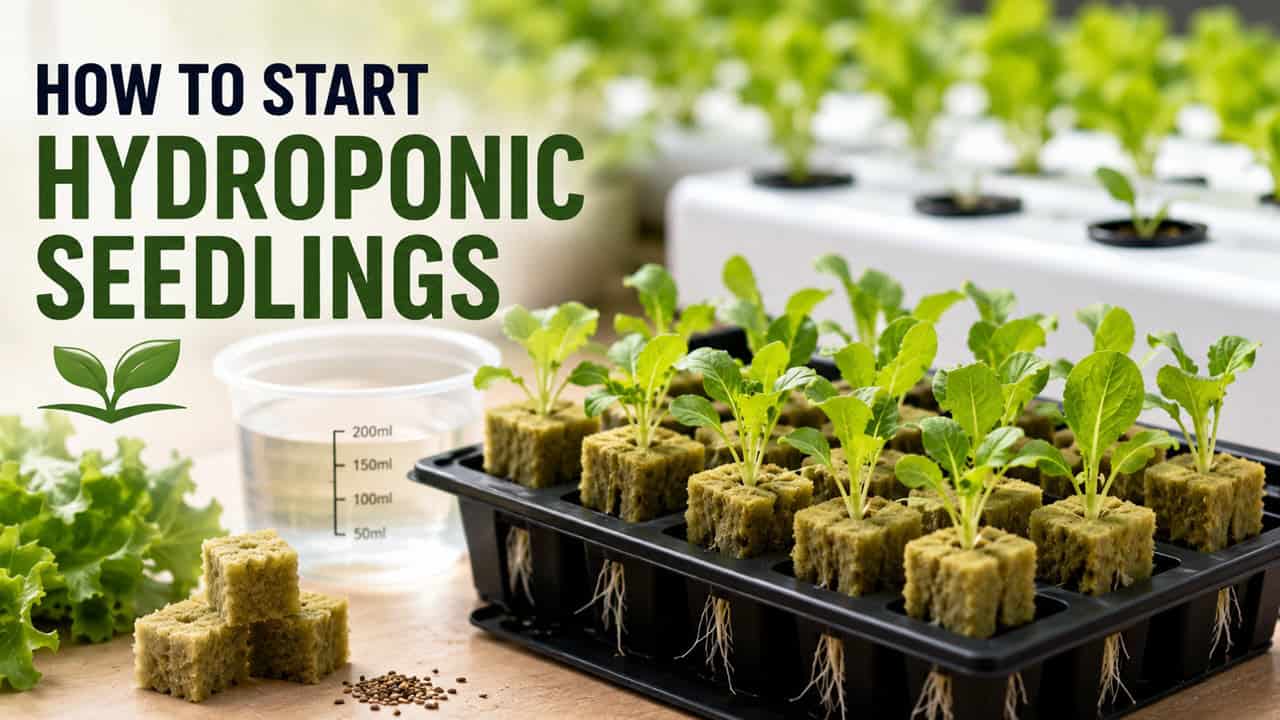
Start Hydroponic Seedlings

Strong hydroponic seedlings are the base of every good indoor harvest. If your starts are weak, leggy or waterlogged, your system will struggle no matter how good your pump or lights are. The good news is that starting seeds without soil isn’t hard. You need a clean medium, steady moisture, the right light, and a … Read more >>
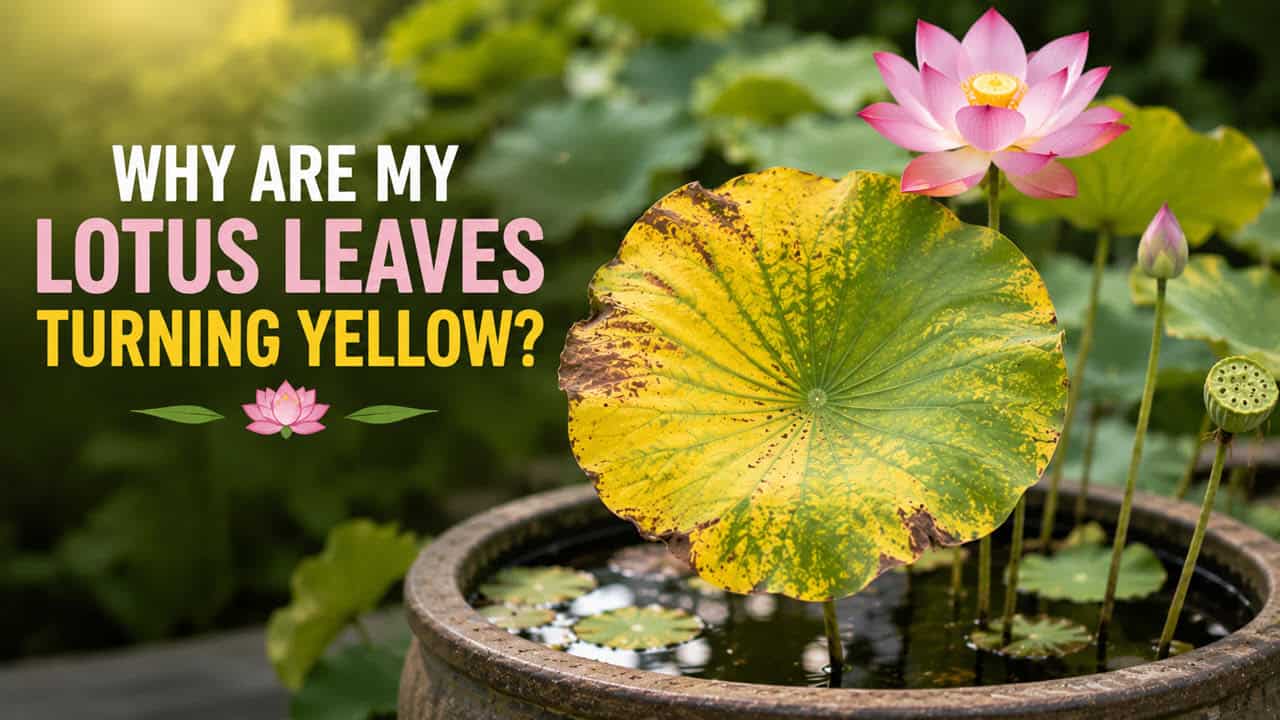
Why Are My Lotus Leaves Turning Yellow?

Leaves Turning Yellow

Most of the time, a few yellow lotus leaves are just old pads wearing out, and the plant is fine. When lotus leaves turn yellow, the most common causes are normal dieback of old floating leaves, hunger from too little fertilizer in midsummer, hot or low water, too little sun, and the natural slide into … Read more >>

Why Are My Lotus Leaves Turning Brown or Black?

Why Are My Lotus Plant Leaves Turning Brown

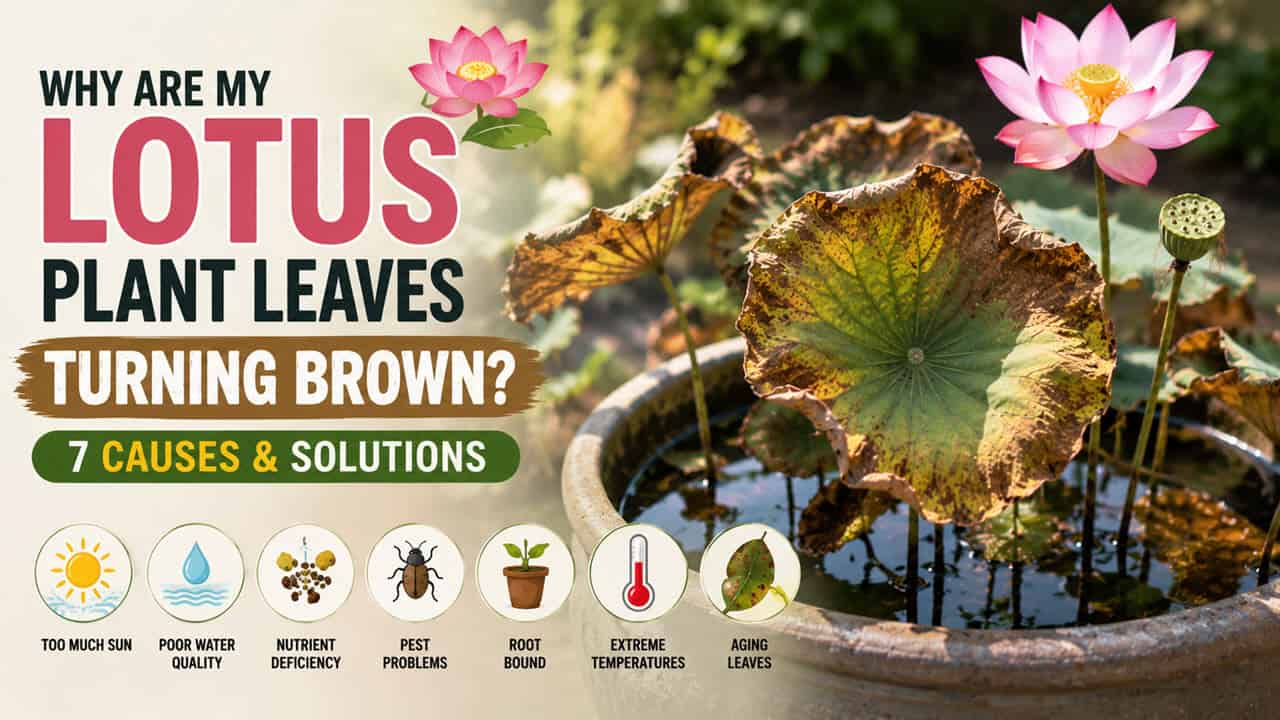
Brown or black lotus leaves almost always point to something in the plant’s surroundings: hot sun on young leaves, a dropping water level, fertilizer placed too close to the tuber, cold nights, or plain old age. When you see lotus leaves turning brown, check the pattern first: crispy edges mean heat or dry pots, spreading … Read more >>

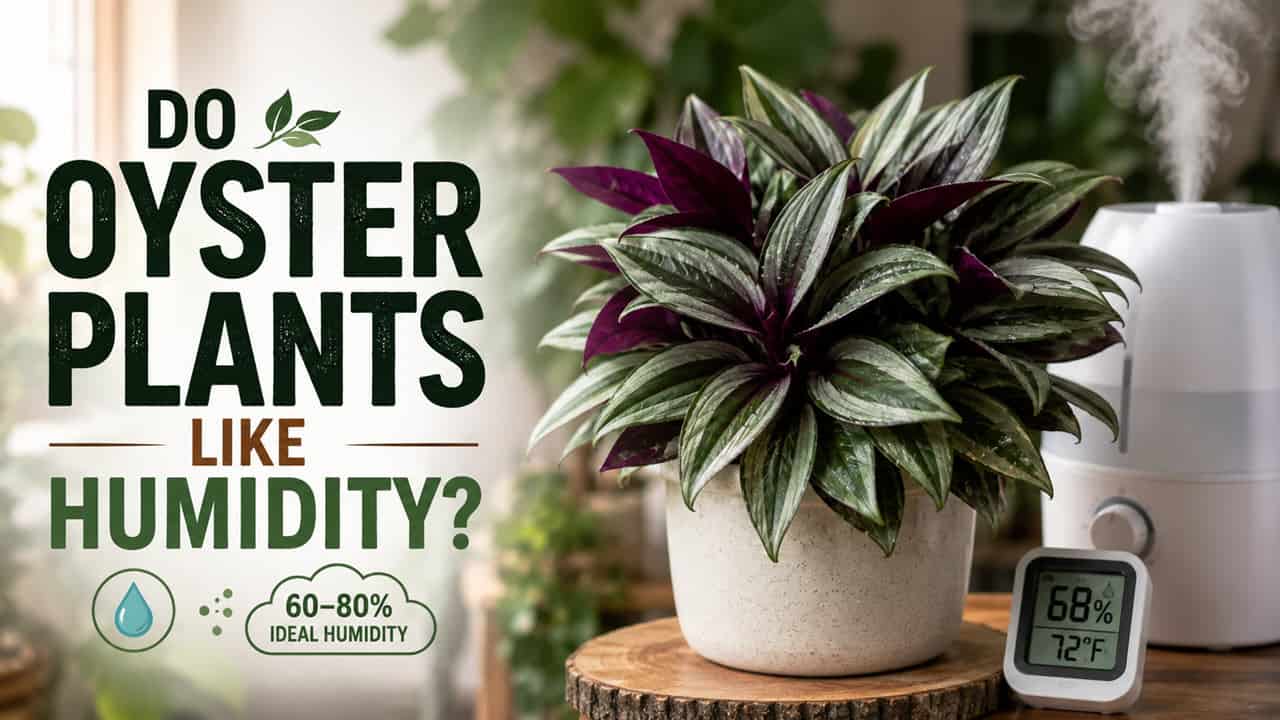
Do Oyster Plants Like Humidity? Ideal Levels and Care Tips

Do Oyster Plants Like Humidity

Yes, oyster plants like humidity, but they don’t demand much of it. Oyster plants grow best at 40% to 60% relative humidity, and the average American home usually sits close enough to that range that you won’t need special gear most of the year. Very dry air, especially during winter heating, is what causes trouble, … Read more >>

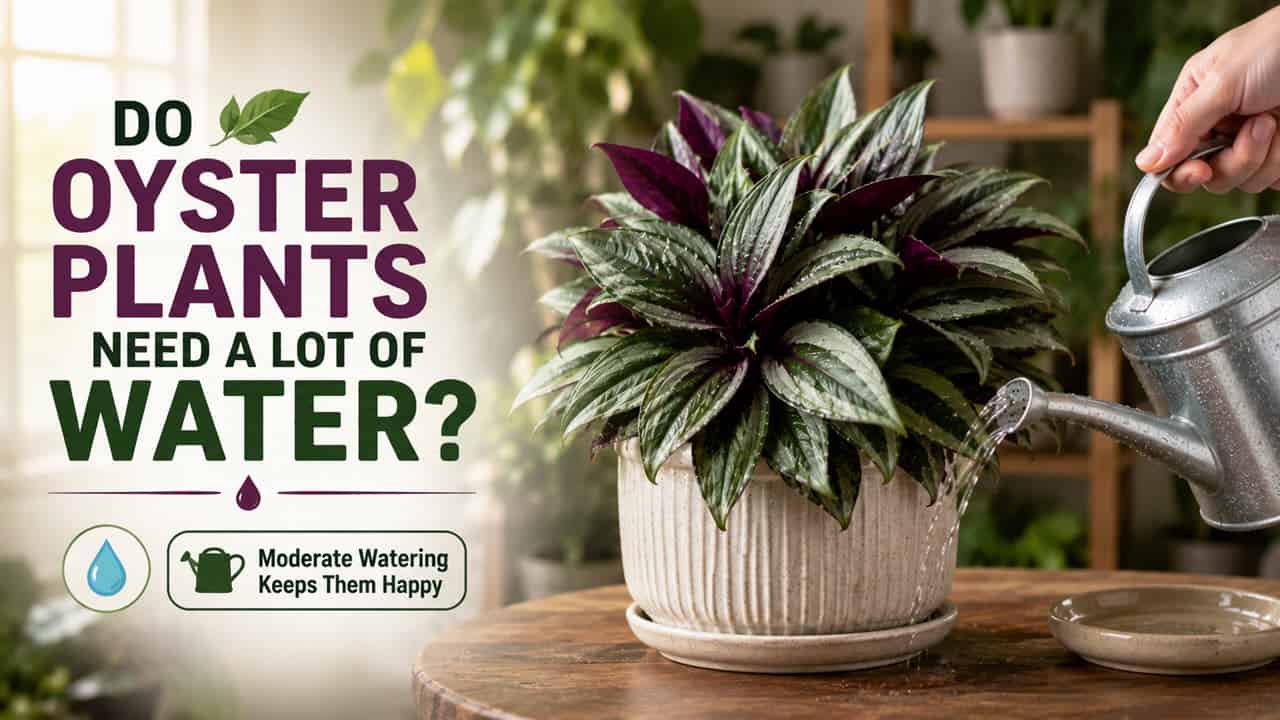
Do Oyster Plants Need a Lot of Water?

Do Oyster Plants Need a Lot of Water

No, oyster plants don’t need a lot of water. I water mine only when the top inch of soil feels dry, which works out to about once a week in warm months and every 10 to 14 days in winter for most indoor pots. The oyster plant (Tradescantia spathacea) stores moisture in its thick leaves, … Read more >>

How Far Apart Do You Plant Oyster Plants?

How Far Apart Do You Plant Oyster Plants?

Space oyster plants 12 to 18 inches apart, measured from the center of one plant to the center of the next. Use 12 inches when you want a solid groundcover fast, and 18 inches when you want each rosette to keep its shape and get better airflow. That small range covers almost every bed, border, … Read more >>

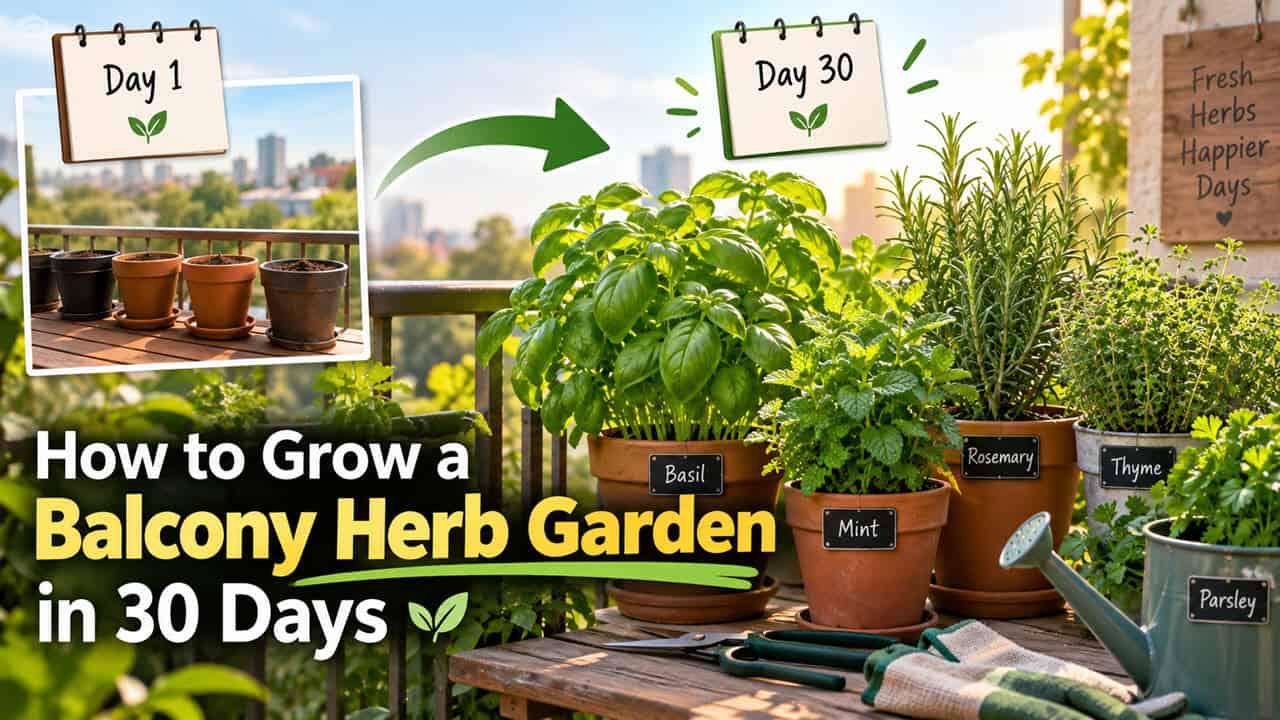
How to Grow a Balcony Herb Garden (Easy Small-Space Guide)

Grow a Balcony Herb Garden in 30 Days

A balcony herb garden is one of the easiest ways to cook with fresh flavor every day, even without a yard. A few pots of basil, thyme, and mint can turn a small outdoor space into a working kitchen garden. My advice is to start small, match your herbs to your light, and build from … Read more >>

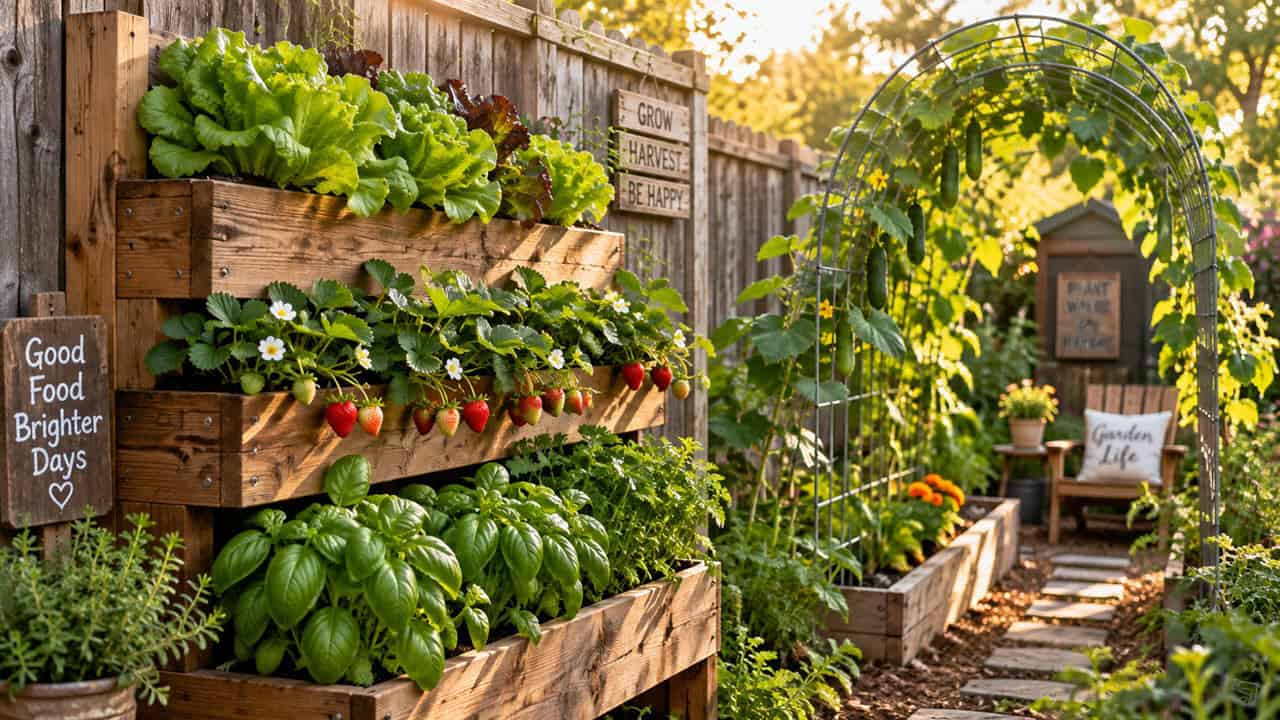
Vertical Garden Ideas: Smart Ways to Grow More in Less Space

Vertical Garden Ideas

Short on ground space but still want fresh herbs, greens and tomatoes? Growing up instead of out is the simplest fix I know. These vertical garden ideas use walls, fences, railings and stairs-style shelving to fit more plants into less room. I’ll walk you through the setups that hold up in real backyards and balconies. … Read more >>

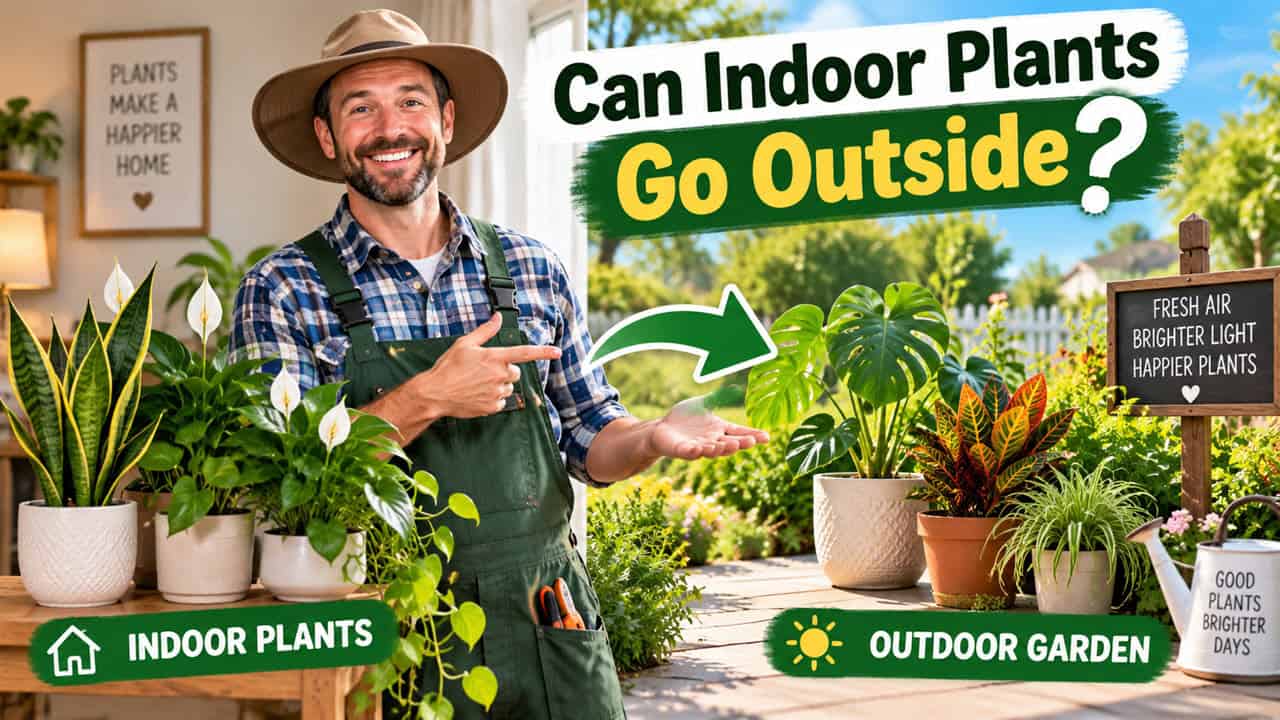
Can Indoor Plants Go Outside for the Summer?

Can Indoor Plants Go Outside

Yes, most indoor plants can go outside for the summer once nights stay above 55°F, as long as you start them in full shade and ease them into brighter light over one to two weeks. Tropical foliage plants, succulents, and many flowering houseplants grow faster outdoors thanks to stronger light, fresh air, and higher humidity. … Read more >>

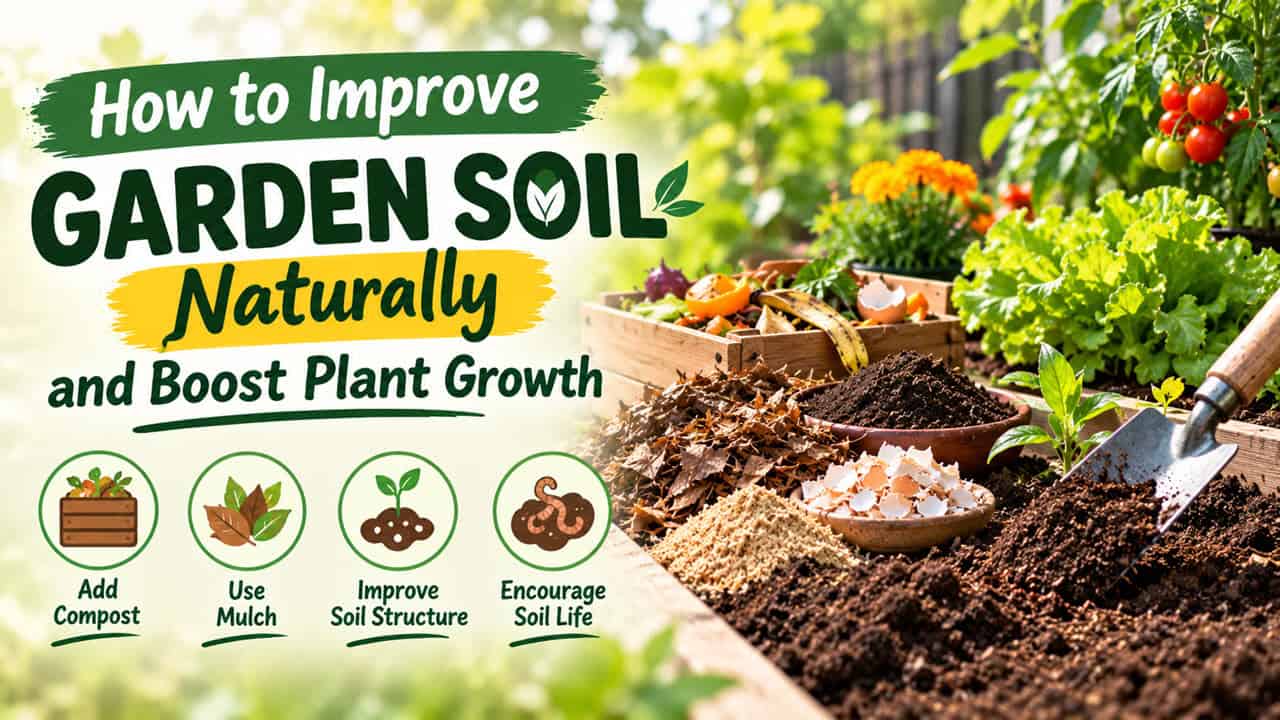
How to Improve Garden Soil Naturally: Simple Steps That Work

Improve Garden Soil Naturally

If your plants look tired, stunted or thirsty no matter what you do, the problem is often below the surface. The good news is that you can improve garden soil naturally with compost, mulch, cover crops and a few smart habits. In this guide, I’ll walk you through how to spot soil problems, test what … Read more >>