Peat Moss vs Mushroom Compost: Differences and When to Use Each

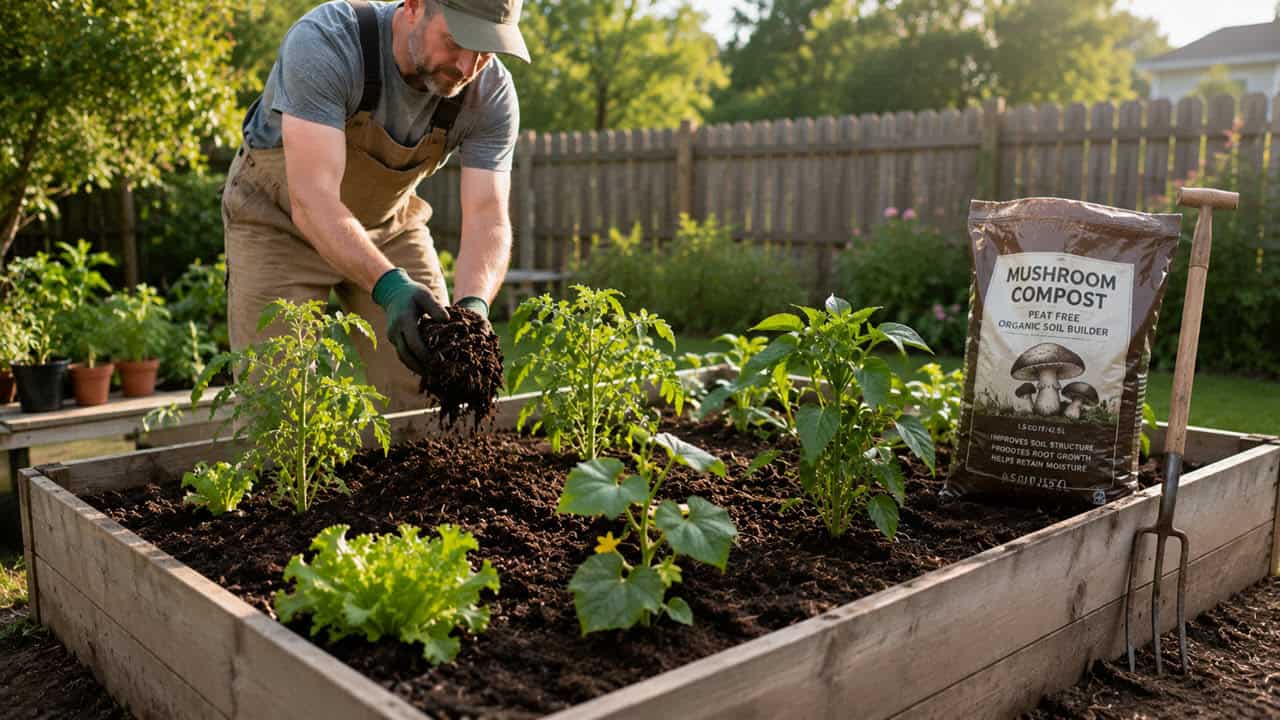
Peat moss is acidic and nutrient-free; mushroom compost is slightly alkaline and builds soil. Here is when to use each, plus a greener alternative.

Peat moss is acidic and nutrient-free; mushroom compost is slightly alkaline and builds soil. Here is when to use each, plus a greener alternative.

Most vegetables, flowers and lawns like mushroom compost. Acid lovers such as blueberries and azaleas do not. Here are both lists.
Mushroom compost builds soil structure while manure mostly feeds plants. Here is how it compares with cow, horse and chicken manure.

Most air plants die from water trouble: either water trapped in the base that rots the plant from the center, or too little water that leaves it dry and crispy. Weak light, cold drafts, copper and the natural fade after blooming account for most of the rest. The good news is that a thirsty Tillandsia … Read more >>

Air plant leaves curl most often because the plant is thirsty. When your air plant’s leaves roll inward more than usual and look dull or feel lighter, it needs a good soak, and most plants plump back up within a day or two. Dry indoor air, heat from vents, too much sun, cold drafts, and … Read more >>

Air plants don’t pull bugs into your house. They have no soil, no flowers most of the year, and no sweet smell that lures insects in from outside. Air plants do not attract bugs, but a stressed or newly bought plant can carry a few pests, mostly mealybugs or scale, that hide where the leaves … Read more >>

Most air plants can sit for about two weeks without water before they start to suffer real harm. Silvery, fuzzy types can stretch closer to three weeks, while greener, smoother types start struggling after 7 to 10 days. A month or more without water causes damage that some plants never recover from. That two-week window … Read more >>

You can keep an air plant in glass, but the glass has to stay open. No, air plants can’t live long-term in a closed terrarium, because a sealed lid traps damp, still air around the leaves and the base of the plant rots before it can dry. An open globe, bowl, or wide-mouth jar is … Read more >>

Summer is the best time to get quick results in the garden. Warm soil and long days push many crops from seed to harvest in weeks, not months. If you want to know the fastest growing vegetables in summer, this guide covers them by timeline, from 30-day radishes to heat-loving okra. I’ll also explain what … Read more >>

Good vegetables start underground. If you take the time to prepare soil for vegetable garden beds before you plant, your crops will root deeper, drink better, and handle stress far more easily. The good news is that soil prep isn’t complicated. In this guide, I’ll walk you through testing, clearing, loosening, feeding, and timing, so … Read more >>