
Fiddle leaf figs have a reputation for being dramatic. Most of that drama comes from two things: not enough light, and being moved around.
Give one a bright spot, water it on a steady rhythm and then leave it alone. That’s most of the secret.
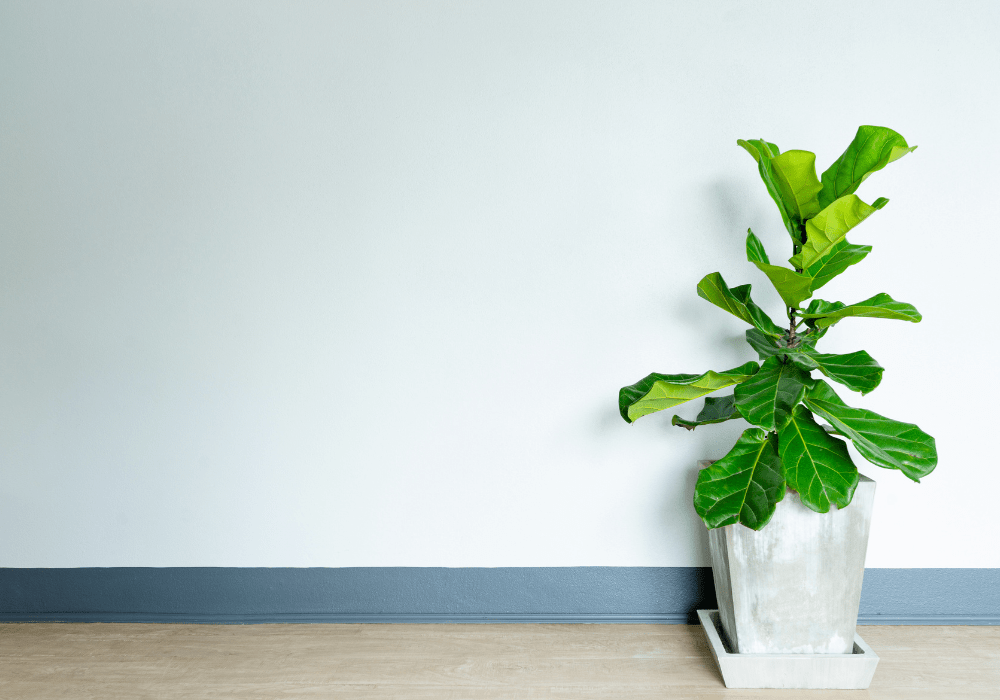
The Three Things It Cares About Most
- Light: lots of bright light, with a little gentle direct sun.
- Water: a deep drink, then a dry spell, never soggy soil.
- Stability: the same spot, temperature and routine week after week.
Light: More Than You Think
Put it right beside your brightest window. An east-facing window with morning sun is ideal, and a south or west window works a few feet back.
Turn the pot a quarter turn every week or two so it grows straight. A rolling caddy makes that easy with a heavy pot.

Low light is the most common reason fiddles drop leaves and grow leggy. If your room is dim, a grow light makes a real difference. Here are the best grow lights for indoor plants.
Watering: Soak, Then Wait
Water when the top 2 inches of soil are dry. For most homes that’s about every 7 to 10 days in summer and less in winter.
Water slowly until it drains, then empty the saucer. Fiddles hate wet feet, and root rot is the number one killer.
Feeding for Big Leaves
Feed once a month from spring through summer. A fertilizer made for fiddles, with a 3-1-2 ratio, supports the big, glossy leaves they are known for.

Check price on Amazon. Skip feeding in fall and winter. For more on routines, see how often to fertilize indoor plants.
Why You Should Never Move It
Fiddles react to change by dropping leaves. A new room, a cold draft or a spot by a heat vent can all trigger it.
Pick a spot, give it a month to settle, and resist the urge to shuffle it around. Some leaf drop after bringing one home is normal.
Humidity and Temperature
Keep it between about 60 and 80 °F, away from heating and AC vents. Dry winter air can crisp the leaf edges.
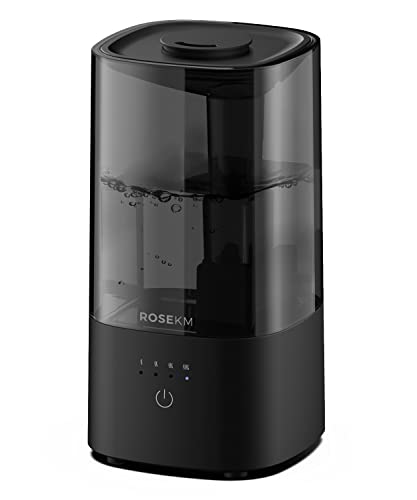
If your air is very dry in winter, a small humidifier nearby helps. Misting does very little.
Soil and Repotting
Use a chunky, fast-draining mix. A blend made for fiddles or a regular indoor mix with extra bark and perlite both work.

Repot every 1 to 2 years in spring, into a pot only 2 inches wider. A much bigger pot holds extra water and invites rot. This fiddle leaf fig soil is ready to use.
Keep the Leaves Clean
Those huge leaves collect dust, which blocks light. Wipe them with a damp cloth once a month, supporting each leaf with your other hand.
Pruning and Branching
To make a single-stem fiddle branch out, cut the top off just above a leaf in spring. New branches usually form just below the cut.
Wear gloves, since the milky sap can irritate skin.
Common Problems
- Dark brown spots in the middle of leaves: usually overwatering and root trouble.
- Crispy brown edges: dry soil or very dry air.
- Leaves dropping suddenly: a move, a draft or a big change in watering.
- Tiny webs or speckles: spider mites. See getting rid of spider mites on indoor plants.
Is It Safe for Pets?
Fiddle leaf figs are mildly toxic to cats and dogs, according to the ASPCA. The sap irritates the mouth and stomach if chewed, so keep fallen leaves picked up.
Fiddle Leaf Fig Questions
How often should I water a fiddle leaf fig?
When the top 2 inches of soil are dry, usually every 7 to 10 days in summer and every 2 to 3 weeks in winter.
Why is my fiddle leaf fig dropping leaves?
Most often because it was moved, sits in a draft, or its watering changed a lot. Keep it in one bright spot on a steady routine.
Can a fiddle leaf fig live in low light?
It survives for a while but slowly declines. It needs bright light to hold its leaves and grow.
How tall do fiddle leaf figs get indoors?
Often 6 to 10 feet with good light and time. Pruning keeps them shorter and bushier.
Sources
- NC State Extension: Ficus lyrata (fiddle-leaf fig) plant profile.

Hello there! I’m Elsa, and gardening is my passion. As an avid gardener, I created GardeningElsa.com to share my knowledge and experience with fellow enthusiasts. My website is a comprehensive resource for gardeners of all levels, offering expert advice on a wide range of topics, including plants, flowers, herbs, and vegetable gardening. Whether you’re a beginner looking to start your first garden or a seasoned pro seeking to expand your knowledge, GardeningElsa.com has something for everyone. Read more about me.