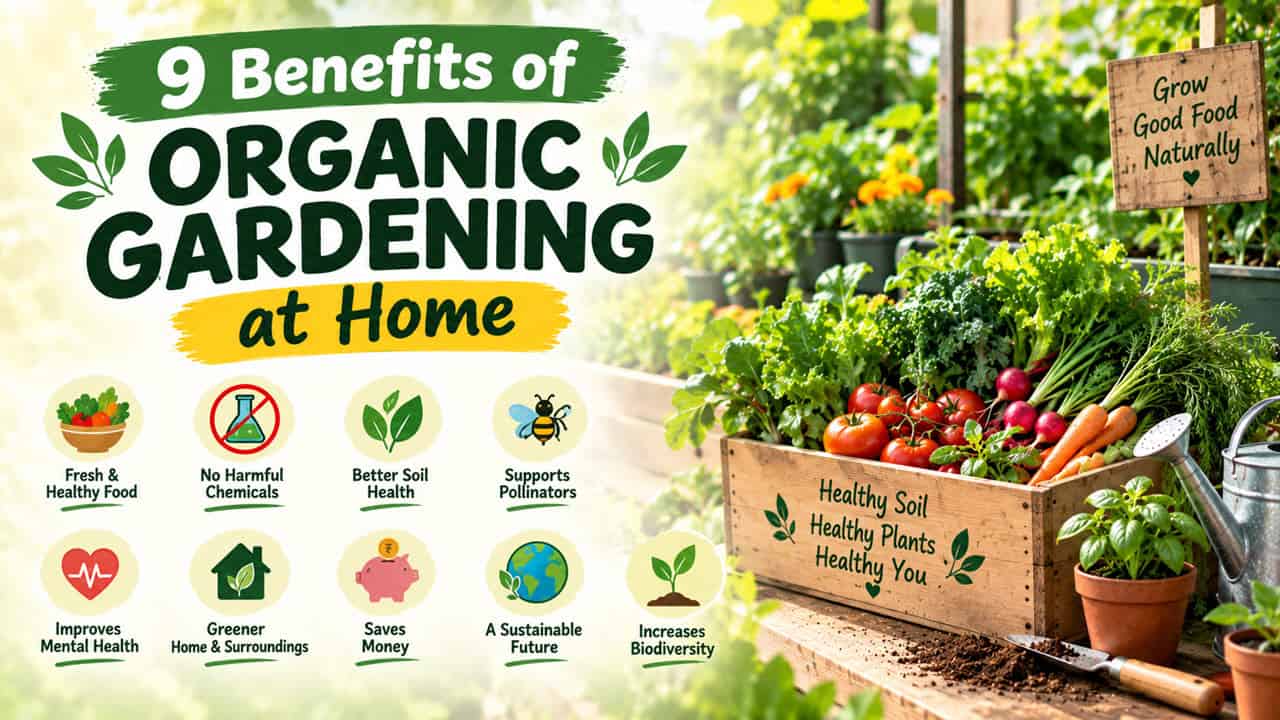
9 Benefits of Organic Gardening at Home

Benefits of Organic Gardening at Home

We still remember the first time we picked a warm cherry tomato from our own container on a tiny balcony. The skin snapped, the juice was sweet, and in that moment we understood one of the biggest benefits of organic gardening at home. It was not just about food. It was about trust, taste, and … Read more >>

Zero Waste Gardening: A Practical Guide for Home Growers

Zero Waste Gardening: A Practical Guide for Home Growers

Picture the trash can after a big gardening weekend. Crinkled plastic soil bags, broken pots, plant tags, and trays all piled up beside the new flowers and vegetables. Zero waste gardening flips that picture, so the harvest grows while the trash can stays almost empty. When we talk about zero waste gardening, we mean paying … Read more >>

Why Basil Plant Leaves Turning Black (9 Fixes)

Why Basil Plant Leaves Turning Black (9 Fixes)

Introduction The basil plant on the windowsill looked perfect yesterday. Today, several leaves are fading to brown and almost black, and the whole thing suddenly feels like it might be on the way out. Many gardeners start searching for Why Basil Plant Leaves Turning Black at this exact moment. The sight of basil leaves turning … Read more >>

Why Basil Plant Leaves Turning White? 5 Causes & Fixes

Why Basil Plant Leaves Turning White

The first time a basil plant starts to fade from bright green to patchy white, it can feel a bit like watching a favorite recipe go wrong halfway through. One day the leaves look lush and glossy, and the next there are pale spots, powdery patches, or whole leaves turning ghostly light. It is natural … Read more >>

Why Basil Plant Leaves Turning Brown (Causes & Fixes)

Why Basil Plant Leaves Turning Brown

The first time a basil plant starts showing brown, crispy, or blackened leaves, it can feel like a small kitchen disaster. One week the pot is lush and green on the windowsill, and the next it looks tired, patchy, and far from pesto-ready. The good news: brown basil leaves are a warning sign, not a … Read more >>

Grow Cucumber in Raised Beds: Complete Guide

grow cucumber in raised bed

Picture stepping outside, brushing past a few leaves, and picking a cool, crisp cucumber minutes before dinner. When we grow cucumber in raised beds, that kind of harvest feels close and very realistic, even in a small yard. Cucumbers love warm, loose, well-drained soil, and that is exactly what raised beds offer. We control the … Read more >>

Why Basil Plant Is Dying: Fix Common Basil Problems

Why Basil Plant Is Dying

The basil plant on the kitchen counter looked perfect last week. Now the leaves are drooping, turning yellow, and dropping on the soil, and it is hard not to wonder why your basil plant is dying after so much care and attention. It feels unfair when a herb that seems simple in the store turns … Read more >>

Vegetable Garden Seeds Vs Plants: How to Choose

Vegetable Garden Seeds Vs Plants

Picture the first warm weekend of spring. A gardener stands in the garden center, one side lined with shiny packets of vegetable seeds, the other packed with sturdy little tomato and pepper plants. That quiet moment of staring back and forth is the heart of the Vegetable Garden Seeds Vs Plants decision. This choice shapes … Read more >>

19 Easiest Vegetables to Grow in Raised Beds

Easiest Vegetables to Grow in Raised Beds

The first time I built a raised bed, I remember staring at that neat wooden box and wondering what on earth to plant, so I did not fail. I wanted easy wins, not a science project. That is exactly where the easiest vegetables to grow in raised beds come in. When the choices feel endless, … Read more >>

Unique Vegetable Garden Ideas for Any Size Yard

Unique Vegetable Garden Ideas for Any Size Yard

Picture a neat little row of lettuce, a handful of tomato stakes, and a lot of bare dirt. It grows food, but it does not feel exciting. Many gardeners hit this point and start searching for creative vegetable garden ideas, wondering if their beds could look as good as they taste. Most people still picture … Read more >>

Mulch Vegetable Garden: Simple Guide for Bigger Harvests

Mulch Vegetable Garden

Picture this scene: the tomatoes are just starting to blush red, the lettuce looks perfect, and then a heat wave hits. Within a few days, the soil cracks, weeds sprout overnight, and those once-healthy plants begin to droop. Many gardeners hit this wall and do not realize that one simple habit could have prevented most … Read more >>

Is Mushroom Compost Good for Cucumbers?

Mushroom Compost Good for Cucumbers

Gardeners often wonder about the best ways to nourish their cucumber plants. Mushroom compost is a popular soil amendment that can benefit many vegetables. Mushroom compost is good for cucumbers, providing nutrients and improving soil structure to support healthy plant growth. This organic material is made from the leftover substrate used to grow mushrooms. It … Read more >>

Cucumber Stem Diseases: Identification & Treatment

Cucumber Stem Diseases

Walk out to a cucumber patch on a warm morning, and the trouble often jumps out right away. One vine is limp, a stem near the soil is turning dark, or there is a strange ooze where the plant should be firm and green. That is the kind of early warning we see with many … Read more >>

Cucumber Plants Not Growing? Fix Stunted Vines

Cucumber Plants Not Growing

The vines are planted, the trellis is ready, the watering can is on standby… but the cucumber vines are just sitting there. A few small leaves, no real stretch, and day after day, the same question pops up in our heads: why are our cucumber plants not growing? At Gardening Elsa, we hear this concern … Read more >>

Can You Grow Vegetables on Your Balcony? Yes, Here’s How

Can You Grow Vegetables on Your Balcony

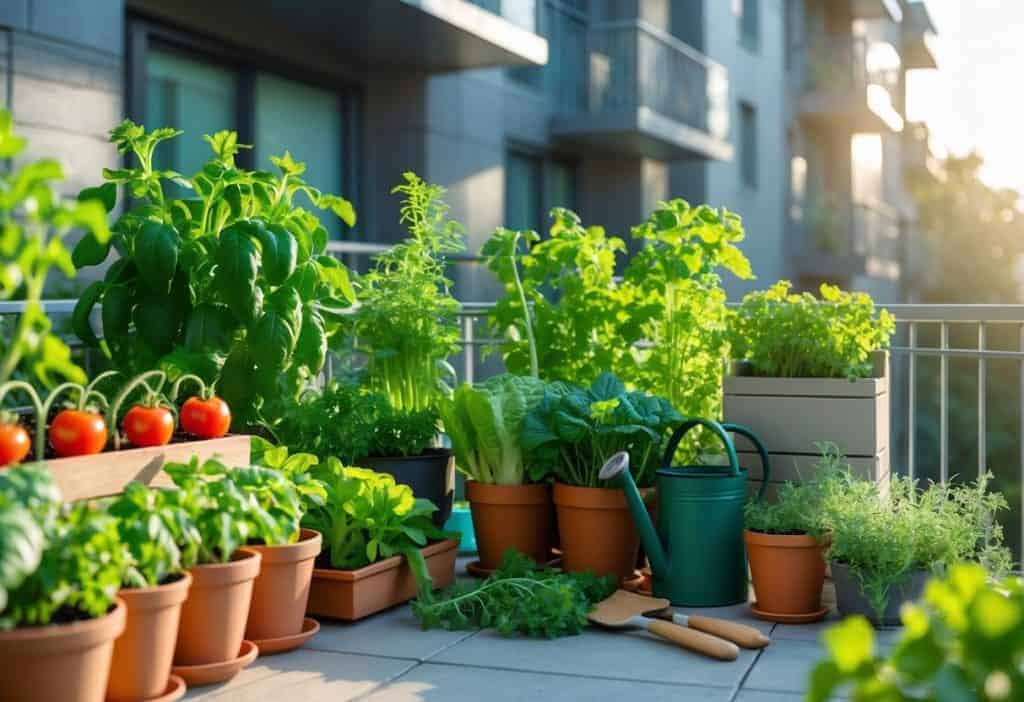
The short answer to “Can you grow vegetables on your balcony?” is yes. In many cases, a small balcony can give more fresh food than a big yard that no one really uses. With the right containers and a bit of planning, that little outdoor spot can become a steady source of salads, herbs, and … Read more >>

Grow Squash in Containers Vertically: Easy Guide

Grow Squash in Containers Vertically

The first time I planted zucchini beside my patio, it turned into a green octopus. Vines sprawled over the walkway, leaves smothered nearby plants, and I still lost fruits to rot under the dense foliage. It felt like squash just did not mix with small spaces. That changed when I learned how to Grow Squash … Read more >>

How to Plant Squash in a Raised Bed for Big Yields

How To Plant Squash In A Raised Bed

Squash vines stretching everywhere and swallowing a raised bed is a picture many gardeners know well. It can make the idea to plant squash in a raised bed feel risky, as if those big plants need a whole field to themselves. The truth is very different, and that is very good news for small-space gardeners. … Read more >>

Squash Plant Leaves Turning White? Causes & Fixes

Squash Plant Leaves Turning White

Picture this. A gardener steps outside with coffee in hand, ready to admire healthy green squash vines, and instead finds the leaves dusted with what looks like baby powder. Panic sets in. Are the squash plant leaves turning white a sign that everything is about to die? This scene is very common, and the good … Read more >>

How Much Sun Do Cucumbers Need for Big Harvests

How Much Sun Do Cucumbers Need

When I think about easy, satisfying crops, cucumbers are always near the top of my list. Few things beat snapping off a cool, crunchy cucumber that grew just a few steps from the kitchen. Yet the first time I planted them, I tucked the vines beside a fence that looked sunny enough, and I kept … Read more >>

Can You Plant Zucchini and Cucumbers Together Safely?

Can You Plant Zucchini and Cucumbers Together

The seed packets look so simple on the counter. One for zucchini, one for cucumbers, and just one sunny bed or a couple of big pots to work with. The question that pops up fast is the one you typed into your search bar: can you plant zucchini and cucumbers together, or will that cause … Read more >>

Can I Plant Cucumber and Watermelon Together Safely?

Can I Plant Cucumber and Watermelon Together

I get asked this all the time in my inbox and garden classes. Someone holds up a seed packet in each hand and asks, almost pleading, “Can I plant cucumber and watermelon together?” On the surface, it sounds smart because both crops love heat, sprawl across the soil, and scream summer harvest. When I step … Read more >>

15 Profitable Vegetables to Grow and Sell from Home

Profitable Vegetables to Grow and Sell

Picture walking back from the farmers market with empty crates and a pocket full of cash. Every bunch of greens and basket of cherry tomatoes came out of a small backyard plot. For many of us, that picture starts with a simple question about profitable vegetables to grow and sell. People often ask which single … Read more >>

Green Roof Gardening: Complete Beginner’s Guide

Green Roof Gardening

Picture a flat gray rooftop above city traffic. Now picture that same roof covered with flowers, herbs, and buzzing bees. That scene is the heart of green roof gardening — turning unused roof space into a living garden. A green roof garden is more than a few pots along a railing. It is a planted … Read more >>

15 Vegetables That Don’t Like Mushroom Compost

Vegetables That Dont Like Mushroom Compost

Mushroom compost is a popular soil amendment for many gardeners. It’s rich in nutrients and can improve soil structure. But not all plants thrive in this type of compost. Some vegetables don’t grow well in mushroom compost. These plants may struggle due to the compost’s high salt content or alkaline pH. Knowing which veggies to … Read more >>

Common Vegetable Garden Pests and Diseases

Start a Vegetable Garden in Your Backyard

The first time a gardener walks out to admire their vegetables and instead finds chewed leaves, wilted vines, or strange spots, it can feel like a small disaster. Plants that looked strong yesterday suddenly seem weak, and it is not clear whether the culprit is a bug, a disease, or something in the soil. That … Read more >>

Potato Leaves Turning Black: Causes and Fixes

Potato Leaves Turning Black

The first time someone sees potato leaves turning black, it can feel like watching weeks of care slip away overnight. One day, the plants look strong and green, and the next, there are dark, soggy patches and drooping stems that spark real worry about the harvest. This is one of the most common problems for … Read more >>

Grow Mushrooms in Your Vegetable Garden Easily

Grow Mushrooms in Your Vegetable Garden

Many gardens have that quiet corner where vegetables stall, and the soil stays cool and damp. Instead of fighting those shady spots, we can turn them into a hidden pantry by letting fungi do what they do best. When you decide to grow mushrooms in your vegetable garden, those “problem areas” start pulling their weight. … Read more >>

How to Grow Vegetables in Greenhouse Year Round

Grow Vegetables in Greenhouse Year Round

The first freeze hits, the backyard beds turn soggy and brown, and the grocery store lettuce starts to look tired and expensive. Meanwhile, the idea of walking into a warm, green space to pick crisp salads or ripe tomatoes feels out of reach. That is usually the moment people start to wonder how others manage … Read more >>

Why Your Houseplant Is Dying: 7 Expert Reasons

Why Your Houseplant Is Dying

The first sign is often small: a yellow leaf near the bottom, a limp stem, or a few brown, crispy edges that were not there last week. Before long, that once-lush plant looks tired, and it is easy to assume it just “hates” your home. A houseplant is more than décor; it is a little … Read more >>

Best Gardening Tools and Equipment for Spring 2026

Best Gardening Tools and Equipment

Spring’s the perfect time to invest in quality gardening tools. With the season just kicking off, the right equipment can truly transform your outdoor space. The best gardening tools blend durability, effectiveness, and comfort. They save time and reduce strain, which is honestly what every gardener hopes for. Professional gardeners and hobbyists trust brands like … Read more >>

9 Reasons and Solutions Why Oyster Plant Drooping: Effective Care Guide for 2026

Why Oyster Plant Drooping

Oyster plants are well-loved houseplants, mostly for their striking purple and green leaves. They’re usually simple to care for, but sometimes those leaves start drooping and leave plant owners scratching their heads. Drooping usually means the plant’s dealing with water stress, temperature swings, or even disease. Spotting the real culprit is key, and with a … Read more >>

Why Is My Boston Fern Losing Leaves [10 Reasons and Expert Solutions]

Why Is My Boston Fern Losing Leaves

Boston ferns are popular houseplants known for their lush, feathery fronds. These plants can add a touch of elegance to any space. But sometimes, Boston ferns start dropping leaves, which can be concerning for plant owners. Leaf drop in Boston ferns can happen for many reasons, including watering issues, light problems, temperature changes, or pest … Read more >>

15 Gorgeous Container Plant Combinations for Stunning Curb Appeal That Elevate Your Outdoor Design

image 1

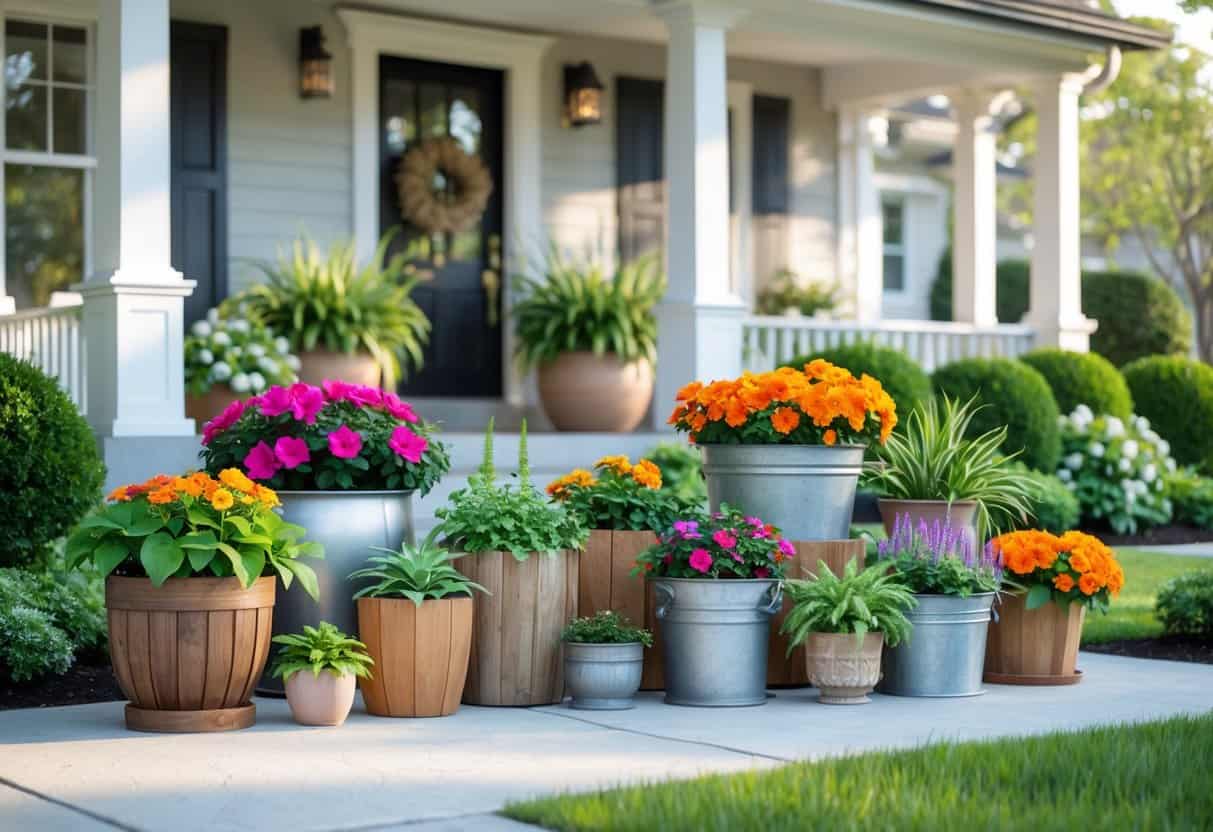
A well-designed container garden adds instant charm and structure to any porch, patio, or entryway. It’s a creative outlet for both new and seasoned gardeners, letting you play with color, texture, and form. Thoughtful plant combinations can turn even the smallest space into a welcoming focal point with lasting visual appeal. This collection dives into … Read more >>

9 Benefits of Gardening for Mental Health and Wellbeing: A Science-Based Guide

Benefits of Gardening for Mental Health and Wellbeing

Gardening does more than just fill your yard with green. Studies show that working with soil and plants can genuinely shift how we feel and think. Plenty of folks who garden regularly say their mood lifts and their overall wellbeing improves. Research confirms that gardening brings real mental health benefits through movement, sensory experiences, and … Read more >>

How to Take Care of Boston Ferns Outside [Essential Tips]

How to Take Care of Boston Ferns Outside

Boston ferns can thrive outdoors with the right care. These lush, feathery plants add a tropical touch to shaded areas of gardens and patios. Boston ferns grown outside need consistent moisture, indirect light, and moderate temperatures between 60-75°F (15-24°C) for best results. Many gardeners enjoy growing Boston ferns outdoors in USDA zones 9 to 11, … Read more >>

Can Boston Ferns Live Outside? [Tips for Outdoor Care]

Can Boston Ferns Live Outside

Boston ferns are popular houseplants known for their lush, green fronds. Many people wonder if these beautiful plants can thrive outdoors. Boston ferns can indeed live outside, but they need the right conditions to flourish. These ferns, scientifically named Nephrolepis exaltata, prefer warm, humid climates. They can be grown outdoors in areas with mild temperatures … Read more >>

9 Ways to Keep Boston Ferns Alive [Expert Tips for Thriving Plants]

Keep Boston Ferns Alive

Boston ferns are popular houseplants known for their lush, feathery fronds. Many people enjoy having these plants in their homes or outdoor spaces. But keeping Boston ferns alive can be tricky for some gardeners. With the right care and attention, Boston ferns can thrive and stay healthy year-round. There are several key factors to consider … Read more >>

Can Ferns Survive Winter? Cold-Hardy Species and Protection Tips

Can Ferns Survive Winter

Ferns are beautiful plants that bring lush greenery to gardens and indoor spaces. Many people wonder if these delicate-looking plants can make it through cold winter months. Most fern species can survive winter with proper care and protection. Some ferns are hardier than others and can withstand freezing temperatures. Others need to be brought indoors … Read more >>

9 Indoor Plants to Improve Mental Health

Indoor Plants to Improve Mental Health

In today’s fast‑paced, screen‑filled lives, many Americans are turning to indoor gardening not just for aesthetics but for mental well‑being. Research from The Ohio State University Wexner Medical Center and Indiana University shows that interacting with plants can reduce stress, anxiety, and blood pressure, while improving mood and focus. Whether you live in a New … Read more >>

9 Ways to Get Rid of Spider Mites on Areca Palm

Get Rid of Spider Mites on Areca Palm

Spider mites can wreak havoc on areca palms, causing leaf damage and potentially killing the plant if left unchecked. These tiny pests thrive in dry conditions and feed on the palm’s sap, leading to yellowing and wilting of the fronds. There are several effective methods to eliminate spider mites from areca palms and restore the … Read more >>

How Much Sun Does Lemongrass Need?

How Much Sun Does Lemongrass Need

Lemongrass is a tropical plant known for its bright flavor and aromatic properties. This versatile herb adds a zesty touch to many dishes and is popular in aromatherapy. Growing lemongrass at home can be rewarding, but it’s important to understand its sunlight needs. Lemongrass thrives in full sun and needs at least 6 hours of … Read more >>

Can You Eat Lemongrass? [Uses and Benefits]

Can You Eat Lemongrass

Lemongrass is a fragrant herb often used in Asian cooking. It has a fresh, citrusy scent and adds a light, lemony flavor to dishes. Many people wonder if they can eat this aromatic plant. Yes, you can eat lemongrass, but only certain parts are edible. The tender inner core of the stalk is the main … Read more >>

How to Grow Lemongrass from Seed: A Step-by-Step Guide for Beginners

Grow Lemongrass from Seed

Growing lemongrass from seed is a rewarding and cost-effective way to enjoy this fragrant herb. Lemongrass adds a zesty flavor to dishes and has many uses in the garden. To grow lemongrass from seed, plant the seeds just under the soil surface, about 1/16 inch deep, as they need light to germinate. The seeds should … Read more >>

Areca Palm vs Cat Palm [Key Differences]

Areca Palm vs Cat Palm

Areca palms and cat palms are popular indoor plants that can add a tropical feel to any space. These two palm varieties share some similarities but also have key differences. Areca palms grow much taller than cat palms, reaching heights up to 30 feet outdoors or 6-7 feet indoors. Cat palms stay more compact, typically … Read more >>

10 Areca Palm Indoor Plant Benefits [Home’s Air Quality and Aesthetics]

Areca Palm Indoor Plant Benefits

Areca palms are popular indoor plants known for their attractive appearance and numerous benefits. These graceful tropical plants can add a touch of natural beauty to any indoor space while providing several practical advantages. Areca palms offer multiple benefits that can improve air quality and create a healthier living environment. From air purification to humidity … Read more >>

Is Mushroom Compost Good for Tomatoes?

Is Mushroom Compost Good for Tomatoes?

Mushroom compost can be a great addition to your tomato garden. This organic material provides important nutrients and improves soil structure. Mushroom compost is good for tomatoes because it contains calcium, which helps prevent root rot and increases yields. Gardeners often use mushroom compost as a soil amendment or mulch for tomato plants. It helps … Read more >>

Is Mushroom Compost Acidic? [pH and Effects on Soil]

Is Mushroom Compost Acidic

Mushroom compost is a popular soil amendment among gardeners. Many people wonder about its acidity level and how it might affect their plants. Despite its name, mushroom compost is not acidic. Mushroom compost typically has a pH between 6.6 and 8, making it slightly alkaline to neutral. This pH range can be beneficial for many … Read more >>

Why Is My Areca Palm Dying and How to Fix [9 Expert Solutions]

Why Is My Areca Palm Dying

Areca palms are a popular choice for indoor and outdoor greenery due to their elegant, feathery fronds. These tropical plants can bring a touch of paradise to any space. But like all living things, areca palms can face health issues that may leave owners worried. When an areca palm starts to show signs of decline, … Read more >>

[9 Reasons and Solutions] Why Are My Eggplant Leaves Drooping

Why Are My Eggplant Leaves Drooping

Growing healthy eggplants requires careful attention to their needs and quick action when problems arise. Many gardeners face the common challenge of drooping eggplant leaves, which can signal various underlying issues that need fixing. Drooping eggplant leaves often happen due to watering problems, disease, or pest damage – but most causes can be fixed with … Read more >>

Can Lotus Plants Survive Drought Conditions in Southwestern States?

Can Lotus Plants Survive Drought Conditions in Southwestern States

Lotus plants, famous for their stunning flowers and love of watery habitats, struggle in the dry, harsh climate of the southwestern United States. These aquatic beauties evolved to live in water, with leaves that shed moisture fast—a trait that creates headaches when you drop them into a desert. Lotus plants just can’t survive drought in … Read more >>

[7 Reasons and Solutions] Dark Spots on ZZ Plant Stem

Dark Spots on ZZ Plant Stem

Dark spots on ZZ plant stems worry many plant owners. These spots can appear for several reasons, and understanding them helps keep your plant healthy. The most common reason for dark spots on ZZ plant stems is natural markings that develop as the plant matures. These spots are typically harmless and part of the plant’s … Read more >>

Are Areca Palms Toxic to Dogs? What Pet Owners Should Know

Are Areca Palms Toxic to Dogs

Many dog owners worry about the plants they keep in their homes and yards. They want to make sure their furry friends stay safe. Areca palms are popular indoor plants known for their lush, tropical look. But are they okay to have around dogs? Areca palms are not toxic to dogs. The American Society for … Read more >>

How Far Apart to Plant Eggplant Plants?

How Far Apart to Plant Eggplant Plants

Growing eggplants can bring beauty and flavor to any garden. These striking plants produce glossy fruits in shades of purple, white, or green, making them both ornamental and delicious additions to your growing space. Plant standard eggplant varieties 18 to 24 inches apart, with rows spaced 3 feet from each other. This spacing gives plants … Read more >>

Citronella Plant vs Lemongrass: Key Differences and Uses Explained

Citronella Plant vs Lemongrass

Citronella plant and lemongrass are often confused due to their similar appearance and scent. These two plants belong to the same grass family, Poaceae, but have some key differences. Citronella grass has wider blade-shaped leaves with reddish or magenta tinges at the base, while lemongrass has narrower, all-green foliage. Both plants are known for their … Read more >>

Does Lemongrass Repel Snakes?

Does Lemongrass Repel Snakes? Exploring Natural Deterrents

Many homeowners worry about snakes in their yards. Lemongrass is often suggested as a natural way to keep these reptiles away. Lemongrass does help repel snakes due to its strong citrus scent that snakes dislike. The plant’s oils contain compounds like citral and geraniol that can confuse snakes’ senses. Planting lemongrass around homes and gardens … Read more >>

9 Reasons Why Are My Eggplant Leaves Curling [Simple Solutions]

Why Are My Eggplant Leaves Curling

Growing healthy eggplants requires careful attention to plant signals. When eggplant leaves start curling, it shows that something is wrong with the plant’s health. Leaf curling happens due to various issues like water problems, pest infestations, diseases, or environmental stress. Identifying the exact cause of curling leaves helps gardeners fix the problem quickly. Most eggplant … Read more >>

9 Companion Plants for Lotus in American Water Gardens

Companion Plants for Lotus

Lotus plants bring a stunning touch to water gardens with their elegant flowers and distinctive leaves. These aquatic beauties love still water and naturally become the peaceful centerpiece in ponds or containers. Companion plants can boost the visual appeal of lotus and help create a balanced pond ecosystem. If you’re planning a water garden with … Read more >>

Can You Plant Eggplant and Peppers Together?

Can You Plant Eggplant and Peppers Together

Growing a vegetable garden requires careful planning, especially when deciding which plants work well together. Many gardeners wonder about combining different nightshade family members in their gardens. While eggplants and peppers can grow together, it’s not the best combination for optimal growth and pest management. Both plants have similar basic needs for sunlight, water, and … Read more >>

Can You Plant Eggplant Seeds Directly in the Ground?

Can You Plant Eggplant Seeds Directly in the Ground

Growing eggplants from seeds can be a rewarding addition to any vegetable garden. Many gardeners wonder about the best methods for starting these warm-season crops. You can plant eggplant seeds directly in the ground, but success rates are higher when starting them indoors 4-6 weeks before the last frost date. Seeds need soil temperatures between … Read more >>

Is a ZZ Plant a Succulent?

Is a ZZ Plant a Succulent?

Many plant lovers wonder if the popular ZZ Plant (Zamioculcas zamiifolia) falls into the succulent category. This common houseplant, also known as the Zanzibar Gem, features thick, glossy green leaves that give it a distinctive appearance in any indoor space. The ZZ Plant shares some characteristics with succulents, such as water-storing features that reduce its … Read more >>

ZZ Plant Not Growing Straight [7 Common Causes and Solutions]

ZZ Plant Not Growing Straight

ZZ plants are popular houseplants known for their hardy nature and attractive appearance. Many plant owners notice their ZZ plants may not grow straight, with stems leaning or falling over instead of maintaining an upright position. This common issue has several possible causes that can be identified and addressed with proper care. ZZ plant stems … Read more >>

How to Harvest Lemongrass [Quick Guide for Fresh Stalks]

Harvest Lemongrass

Lemongrass is a fragrant herb that adds a zesty flavor to many dishes. This tropical plant is easy to grow and harvest at home. You can harvest lemongrass anytime during the growing season once the stalks are about half an inch thick. To pick lemongrass, cut the stalks close to the ground with clean, sharp … Read more >>

How to Grow Eggplant Plants from Seeds in Pots?

Grow Eggplant Plants from Seeds in Pots

Growing eggplants in containers brings the joy of fresh, homegrown vegetables right to your doorstep, even if you don’t have a traditional garden space. These versatile plants adapt well to container growing, making them perfect for patios, balconies, or small yards. To grow eggplants from seeds in pots, plant two seeds 1/4 inch deep in … Read more >>

Is Eggplant a Nightshade Plant?

Is Eggplant a Nightshade Plant

Eggplant belongs to the fascinating world of nightshade plants, a diverse family known as Solanaceae. The eggplant (Solanum melongena) is indeed a nightshade plant, sharing this family connection with familiar vegetables like tomatoes, potatoes, and peppers. Many people grow and eat eggplants without knowing their connection to the nightshade family. These purple fruits have been … Read more >>

15 Best Companion Plants for ZZ Plant (Stylish & Easy to Grow Together)

ZZ Plant Companion Plants

ZZ plants are beloved for their easy care and attractive appearance. These hardy houseplants thrive in low light and require minimal attention, making them perfect for busy plant owners. Pairing ZZ plants with compatible companions can enhance their beauty and create a more vibrant indoor garden. ZZ plants grow well alongside other low-maintenance houseplants with … Read more >>

ZZ Plant Toxic to Babies [What Parents Should Know About Safety Risks]

ZZ Plant Toxic to Babies

If you’re a parent with a ZZ plant at home, you might wonder about its safety around your little one. ZZ plants, also known as Zamioculcas, contain calcium oxalate crystals that can be harmful if ingested. The ZZ plant is toxic to babies and young children, causing symptoms like mouth swelling, irritation, and digestive discomfort … Read more >>

ZZ Plant Leaves Turning Black [Causes and Solutions]

ZZ Plant Leaves Turning Black

Noticing black leaves on a ZZ plant can be concerning for any indoor plant enthusiast. This common houseplant, known scientifically as Zamioculcas zamiifolia, is prized for its glossy, dark green foliage and low-maintenance nature. When those signature leaves start turning black, it’s usually a sign that something in the plant’s care routine needs adjustment. Overwatering … Read more >>

When Do Lotus Plants Bloom in Texas Climate?

When Do Lotus Plants Bloom in Texas Climate

Lotus plants add a real spark to Texas water gardens with their bold blooms and impressive leaves. These aquatic beauties love the heat, which makes them a natural fit for ponds and water features all over the state. In Texas, lotus plants usually bloom from late June through September, with August being their showiest month. … Read more >>

Can I Plant Zucchini and Eggplant Plants Together?

Can I Plant Zucchini and Eggplant Plants Together

Growing vegetables together can help gardeners make the most of their garden space. Many gardeners wonder if they can combine zucchini and eggplant in the same growing area. Zucchini and eggplant can grow successfully together as companion plants since they have similar needs for full sun and well-drained soil. Both plants need plenty of room … Read more >>

Can Lotus Plants Grow in Clay Soil Containers?

Can Lotus Plants Grow in Clay Soil Containers

Lotus plants are stunning flowers that thrive in water. Many gardeners wonder if it’s possible to grow them at home in containers. Lotus plants love clay soil containers. Clay gives them a heavy, dense place to anchor their roots and soak up nutrients. Clay soil actually suits lotus plants perfectly. It mirrors their natural habitat … Read more >>

10 Fast-Growing Indoor Plants to Transform Your Space

Fast-Growing Indoor Plants

Are you eager to add some greenery to your home without the long wait? Fast-growing indoor plants are the perfect solution for impatient plant parents or anyone looking to fill empty spaces with lush foliage quickly. These rapidly growing houseplants not only beautify your space in record time but also improve air quality and bring … Read more >>

9 Indoor Plants That Like Direct Sunlight

Indoor Plants That Like Direct Sunlight

Do you have windows that receive bright, direct sunlight throughout the day? Many plant lovers struggle to find suitable indoor plants for these sunny spots, as most houseplants prefer indirect light. However, some resilient plant species not only tolerate but thrive in these bright conditions. Looking for indoor plants that can handle direct sunlight? The … Read more >>

Tiny Black Bugs on Indoor Plants [Identification and Solutions]

Tiny Black Bugs on Indoor Plants

Have you noticed small black specks moving around on your beloved houseplants? Those tiny invaders might be more than just dirt particles. They’re likely pests that can damage your indoor garden if left unchecked. Fortunately, with proper identification and treatment, you can protect your plants and keep your indoor oasis thriving. Tiny black bugs on … Read more >>

9 Easy Indoor Plants for Beginners: Start Your Green Journey Today

Easy Indoor Plants for Beginners

Are you looking to add some greenery to your home but worried about your lack of gardening experience? Don’t worry! Indoor plants can transform your living space, improve air quality, and boost your mood—even if you’ve never kept a plant alive before. The best plants for beginners include Snake Plants, Pothos, Spider Plants, ZZ Plants, … Read more >>

8 Powerful Indoor Plants That Naturally Repel Mosquitoes

Indoor Plants That Naturally Repel Mosquitoes

Are you tired of the constant buzz and irritating bites from mosquitoes invading your home? If chemical repellents and sprays leave you concerned about their impact on your health and the environment, nature offers a beautiful solution. Indoor plants that repel mosquitoes can transform your living space into both a mosquito-free sanctuary and a thriving … Read more >>

8 Indoor Plants That Naturally Repel Spiders From Your Home

Indoor Plants That Naturally Repel Spiders

Are you tired of unwelcome eight-legged guests making themselves comfortable in your home? While spiders play an important role in our ecosystem by controlling other pests, most of us prefer to keep them outside where they belong. Fortunately, nature provides an elegant solution to this common household problem: certain indoor plants that naturally repel spiders … Read more >>

9 Best Indoor Office Plants for Your Workspace

Best Indoor Office Plants

Having plants in your office can transform your work environment, boost your mood, and even increase productivity. Whether you work from home or in a traditional office setting, adding some greenery to your space can make a significant difference in how you feel throughout the day. Why Should You Add Plants to Your Office Space? … Read more >>

7 Beneficial Bugs for Indoor Plants [Nature’s Solution to Pest Problems]

Beneficial Bugs for Indoor Plants

Are you tired of battling persistent pests on your beloved houseplants? Chemical pesticides might seem like the obvious solution, but there’s a more natural and environmentally friendly alternative: beneficial insects. These tiny allies can help protect your indoor garden while creating a balanced ecosystem right in your home. Beneficial bugs for indoor plants are natural … Read more >>

9 Stunning Indoor Plants with Big Leaves to Transform Your Space

Indoor Plants with Big Leaves

Are you looking to make a bold statement in your home with some greenery? Indoor plants with large, dramatic foliage can instantly transform any space from ordinary to extraordinary. These statement-making houseplants not only purify the air but also add a touch of tropical elegance to your interior décor. The most popular indoor plants with … Read more >>

Indoor Tiny White Bugs on Plants [Identification and Effective Solutions]

Indoor Tiny White Bugs on Plants

Have you noticed small white specks on your beloved houseplants that seem to move when disturbed? Those tiny invaders are likely common plant pests that can cause significant damage to your indoor garden if left untreated. Indoor plants are susceptible to various white bugs that can drain their vitality, cause unsightly damage, and even lead … Read more >>

How Often to Fertilize Indoor Plants: A Complete Guide

How Often to Fertilize Indoor Plants

Indoor plants bring life, color, and improved air quality to our homes. However, keeping them healthy requires more than just watering and adequate light. Fertilization plays a crucial role in ensuring your houseplants thrive. But how often should you be feeding your green companions? The general rule of thumb is to fertilize houseplants only when … Read more >>

Can You Plant Tomatoes and Eggplant Together?

Can You Plant Tomatoes and Eggplant Together

Growing tomatoes and eggplants together is a smart gardening choice that makes efficient use of space. Both plants belong to the same family and have similar growing needs, which makes them natural garden companions. When planted 24-36 inches apart, tomatoes and eggplants can thrive side by side while sharing nutrients and growing requirements. This spacing … Read more >>

How to Fertilize Eggplant Plants: A Simple Guide for Maximum Yield

How to Fertilize Eggplant Plants

Growing healthy eggplants requires proper nutrition throughout the growing season. These plants are heavy feeders and require regular fertilization to produce a bountiful harvest of delicious fruits. A balanced 10-10-10 fertilizer works best when first planting eggplants, followed by switching to a high-phosphorus fertilizer like 5-20-20 once flowering begins. This change in fertilizer helps promote … Read more >>

What to Plant with Eggplant in Raised Bed?

What to Plant with Eggplant in Raised Bed

Growing eggplants in raised beds creates the perfect environment for these heat-loving vegetables to thrive. The controlled soil conditions and improved drainage help eggplants develop strong root systems and produce abundant harvests. The best companion plants for eggplants in raised beds include marigolds, bush beans, peppers, and sweet alyssum – these plants help repel pests, … Read more >>

What Not to Plant with Eggplant Plants?

What Not to Plant with Eggplant Plants

Growing eggplants can be rewarding, but selecting the right garden companions is crucial. These purple beauties require specific conditions to thrive, and certain plants can harm their growth or alter their taste. Certain plants should never grow near eggplants, including fennel, corn, and potatoes. These plants can release chemicals that hurt eggplant growth, compete for … Read more >>

When to Plant Eggplant Plants in Texas: Best Growing Months for Success

When to Plant Eggplant Plants in Texas

Growing eggplant in Texas can bring a bountiful harvest with the right timing and care. The warm Texas climate creates perfect conditions for these heat-loving vegetables to thrive when planted at the right time. The best time to plant eggplant in Texas is between late March and mid-April, about 8-10 weeks after starting seeds indoors. … Read more >>

Does ZZ Plant Need Sunlight?

Does ZZ Plant Need Sunlight

ZZ plants, scientifically known as Zamioculcas zamiifolia, have gained popularity as houseplants due to their low-maintenance nature. Many people wonder if these tropical beauties need sunlight to thrive in indoor environments. While ZZ plants can survive in low-light conditions, they grow best with bright, indirect sunlight. This adaptability makes the Zanzibar Gem an excellent choice … Read more >>

Is Lemongrass Safe for Dogs?

Is Lemongrass Safe for Dogs

Many dog owners wonder if lemongrass is safe for their furry friends. This fragrant herb is used in cooking and essential oils, but its effects on canines aren’t always clear. Lemongrass can be safe for dogs in small amounts, but it’s best to avoid giving it to them directly. The plant contains compounds that may … Read more >>

10 Tips to Make ZZ Plant Grow Faster

Make ZZ Plant Grow Faster

ZZ plants are popular houseplants known for their glossy leaves and easy-care nature. These resilient plants can thrive in various conditions, from bright indirect light to low-light areas, making them perfect for both beginners and experienced plant owners. While they typically grow at a moderate pace, many plant enthusiasts wonder if there are ways to … Read more >>

Why Won’t My ZZ Plant Grow [9 Reasons and Solutions]

Why Won't My ZZ Plant Grow

ZZ plants are popular houseplants known for their glossy leaves and easy care requirements. Many plant owners choose them for their hardiness and ability to survive in less-than-ideal conditions. However, despite their resilience, some ZZ plants seem to stall in their growth, leaving their owners wondering what might be wrong. ZZ plants are naturally slow … Read more >>

How to Care for Lotus Plants in Winter in California?

How to Care for Lotus Plants in Winter in California

Winter in California can throw some curveballs for lotus plant care. These stunning aquatic plants require a little extra attention during the chillier months to thrive and bounce back in spring. In the warmer parts of California, lotus plants can stay in ponds all year. Let the leaves wither and turn brown on their own … Read more >>

10 Stunning Low Light Indoor Hanging Plants to Transform Your Space

Low Light Indoor Hanging Plants

Are you looking to add some greenery to those darker corners of your home? Not every indoor space is blessed with abundant natural light, but that doesn’t mean you have to miss out on the beauty and benefits of houseplants. Indoor hanging plants can transform any room by adding visual interest and a touch of … Read more >>

ZZ Plant Not Growing New Shoots [Causes and Solutions]

ZZ Plant Not Growing New Shoots

Noticing your ZZ plant hasn’t produced new shoots in a while can be concerning. These resilient houseplants are known for their slow growth pattern, typically producing only 2-3 new stems per year, which often emerge in sporadic growth spurts rather than continuously. The most common reason a ZZ plant stops growing is insufficient light, even … Read more >>

Does Eggplant Plants Need a Lot of Water to Grow?

Does Eggplant Plants Need a Lot of Water to Grow

Growing eggplants brings a touch of purple beauty to any garden. These warm-weather vegetables need the right amount of care to produce their best fruit. Many gardeners wonder if eggplants are thirsty plants that need constant watering. Eggplant plants require about 1 inch of water per week to thrive and produce healthy fruits. Young plants … Read more >>

9 Reasons Why Eggplants Turning Brown on the Plant

Why Eggplants Turning Brown on the Plant

Growing eggplants can bring both joy and challenges to gardeners. These popular vegetables need specific care and attention to stay healthy and produce a good harvest throughout the growing season. Brown leaves on eggplants signal that something isn’t right with the plant’s health. Brown discoloration often stems from issues like nutrient deficiencies, pest infestations, diseases, … Read more >>

How Often to Fertilize ZZ Plant?

How Often to Fertilize ZZ Plant

ZZ plants, also known as Zamioculcas zamiifolia, Zanzibar gem, or eternity plant, are beloved for their low-maintenance nature and ability to thrive in various indoor conditions. These tough plants store water in their thick rhizomes, making them incredibly resilient. This makes them perfect for forgetful plant owners or those with busy schedules. ZZ plants require … Read more >>

Why Are My ZZ Plant Leaves Curling? 10 Common Causes and Effective Solutions

Why Are My ZZ Plant Leaves Curling

ZZ plants are popular houseplants known for their glossy, dark green leaves and easy care requirements. When their leaves start curling, it can be a sign that something isn’t quite right with their growing conditions. ZZ plant leaves typically curl because they’re either not getting enough water or are suffering from overwatering issues that affect … Read more >>

Why Is My ZZ Plant Leaning? [Common Causes and Simple Solutions]

Why Is My ZZ Plant Leaning

Is your ZZ plant starting to lean to one side? This common issue with Zamioculcas zamiifolia plants can be fixed once you understand what’s causing it. ZZ plants naturally grow straight upright, so when those thick stems begin to droop or lean, it’s a signal that something in their care needs attention. The most common … Read more >>

Is Oyster Plant Poisonous?

ZZ Plant Leaves Falling Off

Worried about the safety of the Oyster Plant in your home, especially with pets or kids around? That’s a fair concern. This houseplant, also known as Moses-in-the-Cradle or Boatlily, stands out with its bold, purple and green leaves. The Oyster Plant (Tradescantia spathacea) is indeed mildly toxic to both humans and animals. If someone or … Read more >>

9 Reasons and Solutions Why Is My Oyster Plant Dying

Why Is My Oyster Plant Dying

Oyster plants can add a splash of color to any garden or home, but sometimes things just go wrong. These striking plants, with purple undersides and striped green tops, may start to show distress, exhibiting yellowing leaves, wilting, or simply not thriving. Common issues include overwatering, pest infestations like spider mites, improper light, and fungal … Read more >>

Should I Mist My ZZ Plant?

Should I Mist My ZZ Plant

ZZ plants, also known as Zamioculcas zamiifolia, are popular houseplants known for their durability and low maintenance requirements. Many indoor plant enthusiasts wonder if they should add misting to their care routine for this member of the Araceae family. ZZ plants do not need to be misted. These hardy succulents naturally store water in their … Read more >>

Oyster Plant Is Toxic to Cats? [Risks and Symptoms]

Oyster Plant Is Toxic to Cats

If you live with cats and love houseplants, you might want to think twice before bringing home an Oyster Plant. This plant, also called Moses-in-the-Cradle or Tradescantia spathacea, stands out for its bold, purple-backed leaves and is a favorite in many homes. The Oyster Plant is indeed toxic to cats. If your cat chews or … Read more >>

9 Oyster Plant Indoor Benefits That Enhance Your Living Space

Oyster Plant Indoor Benefits

Thinking about adding some greenery to your home? The oyster plant, also called Tradescantia spathacea, isn’t just pretty—it’s tough and surprisingly helpful, too. This adaptable member of the spiderwort family thrives indoors and brings several health and wellness advantages to your space. Oyster plants are perfect for beginners and experienced plant lovers alike. Their bold … Read more >>

7 Oyster Plant Care Tips for Healthy Growth and Vibrant Foliage

Oyster Plant Care Tips

Oyster plants, also called Rhoeo spathacea, are striking houseplants that bring color and texture indoors. Their sword-like leaves with purple undersides make them a favorite for beginners and seasoned plant folks alike. They’re pretty easygoing, honestly—just the right amount of attention and they’ll thrive in most homes. When you bring an oyster plant home, understanding … Read more >>

Types of Ficus Plants Indoor [Popular Varieties]

Types of Ficus Plants Indoor

Ficus plants have become popular indoor houseplants thanks to their diverse forms and adaptability to indoor environments. These versatile plants come in many varieties, from the classic weeping fig (Ficus benjamina) to the trendy fiddle-leaf fig (Ficus lyrata) that dominates social media plant posts. The Ficus genus includes several species that thrive as houseplants, including … Read more >>

10 Best Cat Friendly Indoor Plants

Best Cat Friendly Indoor Plants

Indoor plants add life and vibrancy to any home, but when you’re a cat parent, safety becomes the top priority. Many popular houseplants can be toxic to our curious feline friends who love to nibble on leaves or bat at dangling fronds. If you’re looking for cat-friendly indoor plants that are safe for your pets, … Read more >>

What Indoor Plants Like Coffee Grounds [8 Plants]

What Indoor Plants Like Coffee Grounds

Are you a coffee lover with a growing collection of houseplants? Instead of tossing those used coffee grounds in the trash, you might be sitting on a gold mine of plant nutrition. Coffee grounds are packed with essential nutrients that many indoor plants crave, making them an excellent, eco-friendly fertilizer option for your green friends. … Read more >>

How Much Space Do Lotus Plants Need in Backyard Ponds?

How Much Space Do Lotus Plants Need in Backyard Ponds

Lotus plants bring a striking, almost magical look to backyard ponds. Their flowers and round leaves are hard to ignore, but figuring out how much space they need? That’s where a lot of pond owners get stuck. Lotus plants need at least 12 inches of water depth and 24 inches of width in a container, … Read more >>

8 Best Self Watering Pots for Indoor Plants: Top Choices for 2025

Best Self Watering Pots for Indoor Plants

Indoor plants bring a spark of life to our homes, but they do need regular care to actually thrive. Self-watering pots make things easier by providing a steady water supply to your plants. These clever containers come with a reservoir that holds water, which the soil absorbs as needed. The pots work through capillary action, … Read more >>

How Fast Does Lemongrass Grow?

How Fast Does Lemongrass Grow

Lemongrass is a fast-growing herb that can reach impressive heights in a short time. This tropical plant, scientifically known as Cymbopogon citratus, thrives in warm, sunny conditions. Under ideal circumstances, lemongrass can grow 2 to 4 inches per week, reaching up to 3 feet tall in just a few months. Growing lemongrass at home is … Read more >>

9 Indoor Pots for Plants That Enhance Home Decor in 2025

Indoor Pots for Plants

Indoor plants bring life and freshness to our homes. The right pot can enhance both their health and our décor. Plant pots come in various materials, sizes, and designs to suit different plants and interior styles. Choosing the right container helps ensure proper drainage, root health, and overall plant growth while complementing your home’s aesthetic. … Read more >>

9 Ways to Get Rid of Spider Mites on Indoor Plants [Effective Solutions]

Get Rid of Spider Mites on Indoor Plants

Spider mites can quickly damage your beloved indoor plants if you don’t act fast. These tiny pests feed on plant cells, causing leaves to yellow and form fine webbing. If the infestation becomes severe, your plant may die. They thrive in warm, dry conditions and multiply fast. Early detection and treatment really matter. There are … Read more >>

Types of Indoor Palm Plants: A Guide to 10 Beautiful Varieties for Your Home

Types of Indoor Palm Plants

Indoor palm plants bring a touch of the tropics to any home. These elegant plants can really transform a space with their lush, arching fronds and striking silhouettes. They’re not just beautiful—I’ve noticed they’re surprisingly adaptable to indoor conditions too. Several types of palm plants thrive indoors, including Parlor Palms, Areca Palms, Chinese Fan Palms, … Read more >>

How to Get Rid of Bugs on Indoor Plant Soil?

Get Rid of Bugs on Indoor Plant Soil

Indoor plants have become an essential part of modern American homes and apartments. They add a touch of nature, improve air quality, and bring a sense of peace to our busy lives. However, one of the most frustrating problems plant parents face is discovering bugs crawling in the soil of their cherished houseplants. These tiny … Read more >>

Aphids on Indoor Plants: Effective Control Methods

Aphids on Indoor Plants

Spotting aphids on your indoor plants is never a good feeling. These little sap-suckers multiply fast and can really mess up your favorite houseplants if you ignore them. Aphids show up as tiny green, black, brown, or white bugs huddled on new shoots, stems, and especially the undersides of leaves. You can get rid of … Read more >>

10 Best Indoor Plants for Dark Rooms

Best Indoor Plants for Dark Rooms

Not every room in our homes gets loads of sunlight. Some spaces—especially those facing north or blocked by buildings—can feel pretty dim. Luckily, you’ve got options. Many houseplants can thrive in low light conditions and actually do well in them. These shade-tolerant plants learned to thrive under forest canopies where sunlight barely filters through. They … Read more >>

Can Indoor Plants Go Outside? Safe Transition Tips for Summer 2025

Can Indoor Plants Go Outside

Many indoor plant owners wonder if their leafy friends can enjoy time outside during warmer months. The answer is yes, but timing and preparation matter. Indoor plants can safely go outside when nighttime temperatures consistently stay above 50-55°F, typically around May in the Midwest or similar climates. Moving plants outdoors offers benefits like natural rainfall … Read more >>

How Deep Should Lotus Plants Be Planted in Garden Ponds?

How Deep Should Lotus Plants Be Planted in Garden Ponds

Lotus plants bring beauty and a sense of calm to garden ponds with their showy blooms and quirky leaves. If you’re wondering about the best depth for these aquatic wonders, you’re not alone. Plant lotus in shallow water, keeping the container 6 to 12 inches below the water’s surface. This range tends to give lotus … Read more >>

Grow Bok Choy in Square Foot Gardening

Bok Choy in Square Foot Gardening

Bok choy is a perfect addition to any square foot garden. This leafy green vegetable grows quickly and doesn’t take up much space, making it ideal for small gardens. You can grow 4-9 bok choy plants in a single square foot, depending on the variety. Square foot gardening is a simple method that divides garden … Read more >>

10 Steps to Grow Brussels Sprouts in Square Foot Gardening Spaces

Grow Brussels Sprouts in Square Foot Gardening

Growing Brussels sprouts in a square foot garden combines efficient space use with nutritious vegetable production. This method allows gardeners to maximize their harvest in small areas, making it perfect for urban settings or limited yard space. Square foot gardening divides the growing area into manageable sections, simplifying plant care and maintenance. Square foot gardening … Read more >>

10 Steps to Grow Oregano in Square Foot Gardening

Grow Oregano in Square Foot Gardening

Growing oregano in a square foot garden is a great way to add flavor to your meals and beauty to your garden. This herb thrives in small spaces and can be easily grown with the right care. Square foot gardening allows you to make the most of limited space while still producing a bountiful harvest. … Read more >>

5 Best Ways to Grow Square Foot Gardening Marigold: A Clear Guide for Success

Grow Square Foot Gardening Marigold

Square foot gardening is an efficient and organized way to plant your favorite flowers, including marigolds. By maximizing space and ensuring each plant has the right conditions to thrive, gardeners can achieve vibrant blooms and healthy growth. What are the 5 best ways to grow square foot gardening marigolds? This article will explore different methods … Read more >>

How to Water Air Plants That Are Glued?

Water Air Plants That Are Glued

Air plants are unique and low-maintenance plants that don’t need soil to grow. Some people glue them to decorative items like seashells or wood for display. This can make watering tricky, but it’s still possible to keep glued air plants healthy and hydrated. The key to watering glued air plants is to focus on the … Read more >>

Why Is My Air Plant Turning Red [10 Causes and Solutions]

Why Is My Air Plant Turning Red

Air plants are quirky little things—they don’t need soil at all. Instead, they grab water and nutrients right out of the air with their leaves. Many people notice their air plants changing color and start wondering what’s happening. If your air plant turns red, it’s usually gearing up to bloom. For species like Tillandsia ionantha, … Read more >>

Grow Garlic in Square Foot Gardening

Grow Garlic in Square Foot Gardening

Growing garlic in a square foot garden is easy and rewarding. This method lets gardeners make the most of small spaces while producing a tasty crop. Square foot gardening divides growing areas into 1-foot squares, maximizing yield in tight spots. Planting 4 to 9 garlic cloves per square foot is ideal for square foot gardening. … Read more >>

9 Steps to Grow Cabbage in Square Foot Gardening

Grow Cabbage in Square Foot Gardening

Growing cabbage in a square foot garden is a great way to maximize space while enjoying fresh, homegrown vegetables. This method allows gardeners to produce more food in a smaller area, making it ideal for those with limited outdoor space. Square foot gardening also helps reduce weeds and makes it easier to tend to plants. … Read more >>

10 Steps to Grow Cherry Tomatoes in Square Foot Gardening

Grow Cherry Tomatoes in Square Foot Gardening

Cherry tomatoes are a delightful addition to any garden. They’re easy to grow and produce tasty little fruits perfect for snacking or adding to salads. Square foot gardening is a smart way to make the most of limited space while growing these bite-sized treats. Growing cherry tomatoes in a square foot garden can yield a … Read more >>

Square Foot Gardening Parsley: Maximize Yield in Small Spaces

Square Foot Gardening Parsley

Square foot gardening is a smart way to grow lots of parsley in a small space. This method divides garden beds into 1-foot squares, allowing for efficient planting and easy maintenance. Parsley thrives in these compact plots, giving gardeners a steady supply of fresh herbs. In a square foot garden, you can plant 4 parsley … Read more >>

Best Grow Lights for Indoor Plants: Top 10 Options for 2025

Best Grow Lights for Indoor Plants

Growing plants indoors adds energy and color to your space, but it’s not always easy. Limited sunlight is a real problem, especially in apartments or during the winter months. Grow lights step in to help. These clever lights mimic natural sunlight, letting your indoor plants photosynthesize and grow even in those shadowy corners. There are … Read more >>

Can We Grow Lotus in Soil?

Can We Grow Lotus in Soil

Growing lotus plants adds beauty and tranquility to gardens. People often wonder if lotus can grow in regular soil instead of just water. Lotus plants need clay-rich soil, not regular potting soil, since regular soil floats in water. Garden soil with lots of clay is best for healthy lotus growth. This soil anchors the roots … Read more >>

Can You Plant Eggplant Plants With Cucumbers?

Can You Plant Eggplant Plants With Cucumbers

Growing a productive vegetable garden requires smart plant placement decisions. Gardeners often wonder about combining different crops to maximize their growing space and create beneficial partnerships through companion planting. You can plant eggplant and cucumber plants together since they share similar needs for warmth, sunlight, and soil conditions. These warm-season vegetables can thrive in the … Read more >>

7 Ways to Grow Zucchini in a Square Foot Garden

Grow Zucchini in a Square Foot Garden

Growing zucchini in a square foot garden is actually easier than you might think. Many gardeners assume these plants need tons of room to sprawl, but with the right tricks, you can keep them thriving in just one square foot. I’ve tried a bunch of methods to keep these usually sprawling plants neat and productive. … Read more >>

What Zone Do Lotus Plants Grow Best in USA?

What Zone Do Lotus Plants Grow Best in USA

Lotus plants, famous for their gorgeous flowers and lush foliage, are popping up in more water gardens across the United States. If you’re wondering whether these aquatic beauties can survive in your climate, you’re not alone. The encouraging news? Lotus plants adapt to a surprising range of regions across the country. Lotus plants thrive in … Read more >>

10 Best Vegetable Varieties for Square Foot Gardening Beginners

Best Vegetable Varieties for Square Foot Gardening Beginners

Square foot gardening gives beginners a hands-on way to grow fresh vegetables, even in tight spaces. This method breaks up the garden into small, easy-to-manage squares, making planning and upkeep much less intimidating for newcomers. By picking the right vegetable varieties, even folks with zero experience can pull off a solid harvest. The best vegetables … Read more >>

9 Worst Indoor Plants for Allergies [Avoid These in Your Home]

Worst Indoor Plants for Allergies

Indoor plants can add beauty and freshness to your home. But some species can trigger allergic reactions instead of comfort. These reactions happen when plants release pollen, mold spores, or other allergens into the air. Sensitive people might start sneezing, rubbing their eyes, or feeling congested. If you have allergies, picking the right houseplants really … Read more >>

Can You Plant Cabbage Next to Asparagus?

Can You Plant Cabbage Next to Asparagus

Gardeners often wonder about the best plants to grow together. Companion planting can boost garden health and yields. Many people ask if cabbage and asparagus make good neighbors in the vegetable patch. Cabbage and asparagus are not ideal companion plants and should not be planted next to each other. These vegetables have different needs and … Read more >>

9 Ways to Save a Dying Dracaena Plant [Expert Rescue Techniques]

Save a Dying Dracaena Plant

Dracaena plants are popular houseplants with striking foliage and a reputation for being relatively easy to care for. Still, even these tough plants can show signs of distress—think browning leaf tips or drooping stems—and suddenly, you’re wondering how to rescue your green friend. Common issues like improper watering, poor light, pest problems, or temperature swings … Read more >>

Does Lemongrass Repel Mosquitoes?

Does Lemongrass Repel Mosquitoes

Lemongrass is a popular plant known for its fresh, citrusy scent. Many people wonder if it can help keep pesky mosquitoes away. Research shows that lemongrass does indeed repel mosquitoes when used properly. The plant contains natural oils, including citronella, that mask the scents that attract mosquitoes. These oils can be extracted by crushing lemongrass … Read more >>

Do Lotus Plants Need Full Sun in Northern States?

Do Lotus Plants Need Full Sun

Many gardeners up north wonder if lotus plants can really survive in their chillier regions. These aquatic flowers have a few non-negotiable needs for healthy growth. Lotus plants need full sun—at least six hours of direct sunlight per day—to bloom well, even up north. The American lotus, native to wetlands in the central and eastern U.S., adapts … Read more >>

Water Quality Requirements for Lotus Plants in Artificial Ponds

Water Quality Requirements for Lotus Plants

Lotus plants bring beauty and elegance to any artificial pond. However, they need specific water conditions to thrive in garden settings. Many pond owners wonder about the best conditions for growing these stunning flowers. Lotus plants need water that completely covers their soil by at least 2 to 4 inches at all times. The roots … Read more >>

Lotus Plant Fertilizer Recommendations for USA Water Gardens

Lotus Plant Fertilizer Recommendations for USA Water Gardens

Growing healthy lotus plants (Nelumbo spp.) in water gardens takes more than just a pretty pond. They’re hungry plants and need regular feeding during their growing season, which runs from spring through summer. If you want those wild blooms and lush leaves, grab aquatic plant tablets with a high middle number in the NPK ratio—like … Read more >>

How Cold Can Boston Ferns Tolerate? [Minimum Temperatures for Healthy Growth]

How Cold Can Boston Ferns Tolerate

Boston ferns are popular houseplants known for their lush, feathery fronds. These plants can brighten up any indoor space, but they have specific temperature needs to stay healthy. Boston ferns can tolerate temperatures as low as 35°F (1.7°C) for short periods, but they thrive best between 60-75°F (15-24°C). Keeping these plants in their ideal temperature … Read more >>

Are Boston Ferns Toxic to Cats?

Are Boston Ferns Toxic to Cats

Boston ferns are popular houseplants known for their lush green fronds and air-purifying qualities. Many cat owners wonder if these plants pose any risks to their feline friends. Boston ferns are not toxic to cats, according to the ASPCA. While Boston ferns are safe for cats, eating large amounts can still cause mild stomach upset. … Read more >>

Are Boston Ferns Toxic to Dogs? [Safety Guide for Pet Owners]

Are Boston Ferns Toxic to Dogs

Boston ferns are a popular houseplant known for their lush, green fronds. Many dog owners worry about the safety of these plants around their pets. The good news is that Boston ferns are not toxic to dogs. If a dog eats some Boston fern leaves, it likely won’t get sick. This makes Boston ferns a … Read more >>

Sacred Lotus vs American Lotus Differences and Care

Sacred Lotus vs American Lotus

Lotus flowers bring beauty and a sense of calm to water gardens, but folks often mix up the two main types. The Sacred Lotus (Nelumbo nucifera) and American Lotus (Nelumbo lutea) are the only lotus species out there, each with its own quirks for aquatic landscapes. The biggest difference? Sacred Lotus flowers are usually pink … Read more >>

Lotus Flower Growing Season in Different USA Regions

Lotus Flower Growing Season in Different USA Regions

Lotus flowers add a unique beauty to water gardens throughout the United States. Their growing season shifts depending on where you live. These aquatic plants thrive in USDA hardiness zones 4a through 10b, so they’re pretty adaptable. They want full sun and warm water to really flourish, but you can coax them to grow in … Read more >>

DIY Lotus Container Garden for Apartment Balconies

best containers for lotus plants in small spaces

Want to bring lotus flowers to your apartment balcony? You can do it with a DIY container garden—even if you don’t have much space. Lotus plants, renowned for their stunning blooms and symbolism, thrive well in waterproof containers. They simply require a few inches of soil and minimal attention. You can successfully grow lotus plants … Read more >>

10 Best Indoor Plants for Bedroom: Enhance Sleep Quality and Air Purification

Indoor Plants for Bedroom

Indoor plants can transform a bedroom into a peaceful retreat. They add beauty, improve air quality, and may even help people sleep better. Many plants work well in bedroom spaces, offering both visual appeal and practical benefits. Choosing the right plants for a bedroom depends on light conditions, maintenance needs, and personal preference. Some plants … Read more >>

Best Lotus Varieties for Small Backyard Ponds: [Top 5 Compact Options]

Lotus Varieties for Small Backyard Ponds

Thinking about adding lotus flowers to your small backyard pond? These gorgeous aquatic plants can turn a plain water feature into something you’ll want to show off. Traditional lotus types can grow huge, but you have options. Several dwarf varieties stay compact and won’t take over your limited space. Dwarf lotus varieties usually max out … Read more >>

When to Plant Eggplant Plants in Florida [Best Growing Season Guide]

When to Plant Eggplant Plants in Florida

Growing eggplant in Florida offers gardeners a chance to enjoy this versatile vegetable straight from their backyard. These heat-loving plants thrive in Florida’s warm climate when planted at the right time. The best time to plant eggplant in Florida is during late spring to early summer, specifically in April, when soil temperatures have warmed up … Read more >>

When Is the Best Time to Plant Eggplant Plants? [A Month-by-Month Growing Guide]

Best Time to Plant Eggplant Plants

Growing tasty eggplants starts with perfect timing. These warm-season vegetables need the right conditions to produce their signature purple fruits and thrive in your garden. The best time to plant eggplant seedlings outdoors is 2-3 weeks after the last spring frost, when soil temperatures reach 60-65°F consistently. For indoor seed starting, plant seeds 6-8 weeks … Read more >>

How to Get Rid of Ferns in Garden Naturally [9 Chemical-Free Solutions]

Get Rid of Ferns in Garden Naturally

Ferns can look lovely in some gardens, but honestly, they often get out of control. Their underground rhizomes spread fast, and they can quickly take over flower beds or landscaped corners. Many gardeners end up fighting a losing battle with these stubborn plants. It gets pretty frustrating when ferns keep coming back after you’ve pulled them out … Read more >>

Why Is My Lemongrass Turning Purple [9 Reasons and Effective Solutions]

Why Is My Lemongrass Turning Purple

Gardening enthusiasts often encounter various challenges with their plants, one of which includes lemongrass turning purple. This color change can be concerning and may signal underlying issues. Understanding the reasons behind this discoloration can help gardeners take the necessary steps to restore their plants’ health. Lemongrass, known for its aromatic qualities and culinary uses, requires … Read more >>

How to Make ZZ Plant Bushy [9 Ways]

How to Make ZZ Plant Bushy

The ZZ plant (Zamioculcas zamiifolia) is known for its shiny leaves and low-maintenance care requirements. Many plant owners love this hardy tropical houseplant but wish it would grow fuller and more lush over time. While ZZ plants naturally grow at a slow pace, several effective methods can be used to encourage bushier growth. With the … Read more >>

Why Is My ZZ Plant Stem Wrinkled? 9 Common Causes and Effective Solutions

Why Is My ZZ Plant Stem Wrinkled

ZZ plants are popular houseplants known for their resilience and glossy foliage. When their normally plump stems become wrinkled, it often indicates an underlying issue that needs attention. Wrinkled stems on ZZ plants typically result from improper watering, with both underwatering and overwatering being common culprits. While ZZ plants have a reputation for being low-maintenance, … Read more >>

Snake Plant vs ZZ Plant

Snake Plant vs ZZ Plant

Looking for the perfect low-maintenance houseplant? Snake plants and ZZ plants are two popular choices that thrive even when neglected. These resilient plants have gained a reputation as the kings of low-maintenance greenery for busy or forgetful plant owners. Snake plants are more tolerant of neglect and lower light conditions, while ZZ plants need slightly … Read more >>

7 Best Soil Mix for Square Foot Vegetable Gardening

Best Soil Mix for Square Foot Vegetable Gardening

Square foot gardening lets you grow more food in limited spaces. This method divides garden beds into small squares, and you plant something different in each one. The real secret to success? It’s all about using the right soil mix. The difference it makes in plant growth is huge—seriously, don’t overlook it. Mel Bartholomew, the … Read more >>

10 Best Soil for Indoor Plants: Top Mixes for Thriving Houseplants

Best Soil for Indoor Plants

Indoor plants bring life and beauty to our homes. They clean the air, boost our mood, and add a touch of nature to our living spaces. But to thrive, these plants need the right soil. The soil you choose for your indoor plants is crucial. Good potting soil provides nutrients, retains moisture, and allows for … Read more >>

9 Steps to Grow Radish in Square Foot Gardening

Grow Radish in Square Foot Gardening

Growing radishes in a square foot garden is a fun and rewarding experience. These fast-growing vegetables are perfect for small spaces and can be harvested quickly. Square foot gardening allows for efficient use of limited garden areas while maximizing crop yields. Radishes thrive in loose, well-draining soil with a pH between 6.0 and 7.0. They … Read more >>

When to Plant Eggplant Plants in Southern California

When to Plant Eggplant Plants in Southern California

Growing eggplants in Southern California can reward gardeners with tasty harvests throughout the warm season. The mild climate and long growing season make it a perfect area for these heat-loving vegetables. The best time to plant eggplants in Southern California is between March and April, which gives them plenty of time to mature during the … Read more >>

8 Steps Square Foot Gardening For Pole Beans [Complete Guide]

Square Foot Gardening For Pole Beans

Growing pole beans in a square foot garden is a clever way to save space and still score a big harvest. These beans climb trellises or supports rather than sprawling across the ground, making them ideal for small gardens. Planting 8 pole beans per square foot lets you get a lot of fresh beans from … Read more >>

Square Foot Gardening Tomatoes: Maximize Yield in Small Spaces

Square Foot Gardening Tomatoes

Square foot gardening offers a smart way to grow tomatoes in small spaces. This method divides garden beds into one-foot squares, allowing for organized and efficient planting. Square foot gardening tomatoes can yield high harvests with minimal effort, making it ideal for both new and experienced gardeners. Tomatoes thrive in square foot gardens due to … Read more >>

Can I Put My ZZ Plant Outside?

Can I Put My ZZ Plant Outside

ZZ Plants (Zamioculcas zamiifolia) are renowned for their resilience as indoor plants, but many gardeners wonder if they can also thrive outdoors. ZZ Plants can be placed outdoors during warm months when temperatures stay above 65°F, but they should be brought inside during cooler weather. They should also be protected from direct sunlight to prevent … Read more >>

Powdery Mildew on ZZ Plant [Identification and Treatment Methods]

Powdery Mildew on ZZ Plant

Powdery mildew on ZZ plants appears as a white, powdery coating on leaves and stems. While ZZ plants are known for their hardiness, they can still fall victim to this common fungal disease, especially in conditions with high humidity and poor air circulation. To treat powdery mildew on your ZZ plant, you can use a … Read more >>

9 Steps to Grow Pumpkins in Square Foot Gardening

Grow Pumpkins in Square Foot Gardening

Growing pumpkins in a square foot garden can be rewarding and fun. This method allows you to grow pumpkins even in limited space. Square foot gardening is a smart way to use small areas for growing vegetables and fruits. With the right steps, you can grow pumpkins in a square foot garden and get a … Read more >>

How to Make an Organic Garden in Home in Your Backyard?

How to Make an Organic Garden in Home in Your Backyard

Growing an organic garden in your backyard is a rewarding way to produce fresh, healthy food for your family. It allows you to control what goes into your soil and plants, avoiding harmful chemicals. Anyone can start an organic garden at home with some basic knowledge and effort. To make an organic garden in your … Read more >>

10 Steps to Grow Onions in Square Foot Gardening

Grow Onions in Square Foot Gardening

Growing onions in a square foot garden is a smart way to make the most of limited space while still enjoying a bountiful harvest. This method allows gardeners to plant multiple onions in a small area, maximizing yield and efficiency. Square foot gardening techniques can be applied to cultivate various onion varieties successfully. Square foot … Read more >>

How to Start Herb Gardening: Essential Steps for Beginners

How to Start Herb Gardening

Herb gardening is a rewarding hobby that brings fresh flavors to your cooking and beauty to your garden. Starting an herb garden is easy and can be done in small spaces, making it perfect for beginners. To start herb gardening, choose a sunny spot with well-draining soil, select herbs you like to use, and plant … Read more >>

How to Start a Vegetable Garden in Your Backyard [A Simple Guide]

Start a Vegetable Garden in Your Backyard

Starting a vegetable garden in your backyard can be a rewarding and fun project. It allows you to grow fresh, healthy produce right at home. Many people find gardening relaxing and enjoy connecting with nature. A vegetable garden needs good sun, soil, and water. To start a vegetable garden, pick a sunny spot, prepare the … Read more >>

How to Make Organic Soil at Home for Plants?

Make Organic Soil at Home for Plants

Making organic soil at home is a rewarding way to nurture healthy plants and create a sustainable garden. This natural approach provides plants with essential nutrients and improves soil structure. A simple recipe for homemade organic soil includes equal parts compost, peat moss, and perlite or vermiculite. Organic soil supports plant growth by promoting beneficial … Read more >>

Grow Carrots in Square Foot Gardening

Carrots Square Foot Gardening

Growing carrots in a square foot garden is a smart way to maximize your space and harvest tasty vegetables. This method lets you plant up to 16 carrots in just one square foot of soil. Square foot gardens use raised beds divided into small sections for efficient planting. The key to success with carrots in … Read more >>

10 Steps to Grow Herbs in Square Foot Gardening

Grow Herbs in Square Foot Gardening

Growing herbs in a square foot garden is a great way to maximize space and enjoy fresh flavors. This method lets you grow many herbs in a small area using raised beds divided into square-foot sections. It’s perfect for patios, balconies, or small yards. Square foot gardening makes herb growing easy and fun for both … Read more >>

15 Best Plants for Square Foot Gardening

Best Plants for Square Foot Gardening

Square foot gardening is a smart way to grow more food in small spaces. This method uses a grid system to plant crops close together in raised beds. It’s perfect for people with little time or yard space. Square foot gardening lets you grow 15 types of plants in a small area. Each plant has … Read more >>

Peas Square Foot Gardening: Maximize Yields in Small Spaces

Peas Square Foot Gardening

Square foot gardening offers an efficient way to grow peas in small spaces. This method involves dividing a garden bed into 1-foot squares and planting a specific number of seeds in each section. For peas, gardeners typically plant 9 seeds per square foot. Peas thrive in well-prepared soil with a pH between 6.0 and 7.0. … Read more >>

How to Use Neem Oil on Plants Indoor?

Neem Oil on Plants Indoor

Neem oil is a powerful natural solution for keeping indoor plants healthy and pest-free. This organic product comes from the seeds of the neem tree and acts as both a pesticide and a fungicide. Applying neem oil to indoor plants can control common pests like aphids, spider mites, whiteflies, and mealybugs. Using neem oil on … Read more >>

9 Ways to Prevent Indoor Plants from Leaking Water

Prevent Indoor Plants from Leaking Water

Watering indoor plants can be rewarding, but it gets messy fast when water leaks onto your floors or furniture. Most plant owners have dealt with puddles, stains, or even water damage that a few simple tricks could prevent. Using proper watering methods and the right equipment can eliminate leaks and protect your home while keeping … Read more >>

[10 Reasons and Solutions] Why Are My Ferns Dying

Why Are My Ferns Dying

Ferns are popular houseplants and garden additions known for their lush, green fronds. But these plants can be tricky to care for, and many gardeners find their ferns turning brown or dying. There are several reasons why ferns might struggle, from improper watering to pest problems. Identifying the cause of a dying fern is the … Read more >>

9 Plants That Can Survive Without Watering for Months

Plants That Can Survive Without Watering for Months

Looking for plants that can survive with minimal watering? Many houseplants and garden favorites can thrive for extended periods without frequent attention to their water needs. These drought-tolerant plants have evolved special adaptations that allow them to store water in their leaves, stems, or roots, making them perfect for busy or forgetful plant owners. Plants … Read more >>

7 Hanging Plants That Attract Hummingbirds

8 Hanging Plants That Attract Hummingbirds for Your Spring Garden Display

Looking to add a splash of beauty and wildlife to your garden? Hanging plants offer the perfect solution for attracting hummingbirds while maximizing limited space. These tiny, fast-moving birds bring joy to any garden with their darting movements and vibrant colors. The best hanging plants for attracting hummingbirds include fuchsia, lantana, petunias, nasturtiums, and bidens. … Read more >>

Does Lemongrass Kill Fleas? [Natural Pest Control Solution]

Does Lemongrass Kill Fleas

Fleas are a pesky problem for many pet owners. These tiny pests can make life miserable for cats and dogs, so people often look for natural ways to get rid of them. Lemongrass is a plant that smells nice to humans but not to fleas. Lemongrass can repel fleas, but it does not kill them … Read more >>

Why Is My ZZ Plant So Leggy [9 Reasons & Expert Solutions]

Why Is My ZZ Plant So Leggy

ZZ plants are popular houseplants known for their glossy leaves and easy care requirements. However, sometimes they can develop a leggy appearance, with long stems and sparse foliage that doesn’t match their typical bushy form. This legginess can happen for several reasons related to the plant’s growing conditions. A leggy ZZ plant typically results from … Read more >>

How Long Does It Take for a Strawberry Plant to Produce Fruit?

How Long Does It Take for a Strawberry Plant to Produce Fruit

Are you eager to grow your own juicy strawberries but wondering how long you’ll need to wait before enjoying the fruits of your labor? Strawberries are among the most rewarding fruits to grow at home, offering sweet satisfaction with relatively minimal effort. The quick answer: Most strawberry plants take approximately 60 to 90 days to … Read more >>

Why Is My ZZ Plant Dying [10 Reasons and Solutions]

Why Is My ZZ Plant Dying

The ZZ plant is known for its hardy nature and ability to thrive even with minimal care. However, these resilient plants can still face problems that cause them to decline in health. Yellowing leaves, browning stems, and unusual leaf drop are common signs that your ZZ plant might be struggling. A dying ZZ plant typically … Read more >>

8 Hanging Plants that Survive High Temps

Hanging Plants that Survive High Temps

Looking for hanging plants that can handle high temperatures can be tough. Many beautiful plants wilt and die when faced with intense heat, leaving gardeners frustrated. The search for heat-resistant options is especially important for those living in warmer climates or with sunny porches and patios. Several hanging plants thrive in hot conditions, requiring minimal … Read more >>

Is Lemongrass Safe for Cats? [Risks and Benefits]

Is Lemongrass Safe for Cats

Lemongrass has a unique scent that many cats find appealing. This aromatic herb can have effects similar to catnip on some felines. Lemongrass is generally safe for cats in small amounts. Most cats can nibble on lemongrass without problems. Some pet owners grow lemongrass indoors or in their gardens as a cat-friendly plant. It gives … Read more >>

How to Water Indoor Hanging Plants Without Dripping: 5 Effective Methods

How to Water Indoor Hanging Plants Without Dripping

Indoor hanging plants add beauty to any space, but watering them often creates a mess. Dripping water can stain furniture, floors, and walls, turning a simple plant care routine into a cleaning project. Many plant lovers struggle with this common problem. To water indoor hanging plants without dripping, use methods like bottom watering, adding a … Read more >>

10 Hanging Plants with Pink and Purple Flowers

Hanging Plants with Pink and Purple Flowers

Hanging baskets filled with pink and purple blooms create eye-catching displays for porches, patios, and gardens. These colorful plants add vertical interest and vibrant color to any outdoor space. Options range from trailing petunias and verbena to unique fuchsias and calibrachoa. The right combination of pink and purple flowering plants can transform a simple hanging … Read more >>

Does Lemongrass Repel Bugs?

Does Lemongrass Repel Bugs

Lemongrass has gained popularity as a natural way to keep bugs at bay. This fragrant plant contains compounds that many insects find unpleasant. Lemongrass does repel several types of bugs, including mosquitoes, flies, and fleas. The plant’s strong citrus scent comes from chemicals like citronellol and geraniol. These compounds make lemongrass an effective natural insect … Read more >>

Does Lemongrass Come Back Every Year?

Does Lemongrass Come Back Every Year

Lemongrass is a fragrant herb that adds a citrusy kick to many dishes. Gardeners often wonder if they need to replant it each year or if it will return on its own. Lemongrass is a tender perennial, which means it can come back yearly in warm climates but may need special care in colder areas. … Read more >>

How to Grow Lemongrass in Pots?

Grow Lemongrass in Pots

Lemongrass is a fragrant herb that adds a citrusy flavor to many dishes. Growing it in pots is a great way to enjoy fresh lemongrass at home, even with limited space. To grow lemongrass in pots, choose a container at least 12 inches wide and deep, fill it with well-draining soil, and place it in … Read more >>

How to Grow Lemongrass Indoors?

How to Grow Lemongrass Indoors

Growing lemongrass indoors is a great way to enjoy this fragrant herb year-round. It’s easy to do and doesn’t require much space. You can grow lemongrass indoors from seeds, cuttings, or by rooting stalks bought at the grocery store. To start, pick a deep pot at least 12 inches wide. Fill it with well-draining potting … Read more >>

How to Trim Lemongrass?

How to Trim Lemongrass

Lemongrass is a fragrant herb that adds a zesty flavor to many dishes. It grows quickly and can become overgrown if left unchecked. Trimming lemongrass helps keep the plant healthy and manageable. To trim lemongrass, cut the stalks about 2-3 inches above the base using clean, sharp shears or a knife. The best time to … Read more >>

10 Hanging Plants That Don’t Need Sun

Hanging Plants That Do not Need Sun

Looking to add some greenery to your home but don’t have much sunlight? Hanging plants can be a perfect solution for spaces with limited light. Many plant varieties can thrive in low-light conditions, making them ideal for rooms with few windows or areas away from direct sun. You can successfully grow hanging plants in shadier … Read more >>

What to Do with Lemongrass Leaves?

What to Do with Lemongrass Leaves

Lemongrass leaves offer many uses beyond just cooking. You can dry the leaves to make herbal tea, add them to soups for flavor, or use them in aromatherapy. These long, thin leaves have a lemony scent and mild taste that works well in many dishes. Growing lemongrass at home provides a steady supply of this … Read more >>

Can Rabbits Eat Lemongrass? [Benefits, Risks & How Much to Feed]

Can Rabbits Eat Lemongrass

Rabbits can enjoy lemongrass as a tasty treat in their diet. Adult rabbits can safely eat small amounts of fresh lemongrass, which offers nutritional benefits and adds variety to their meals. This aromatic herb contains vitamins and minerals that support rabbit health. When introducing lemongrass to a rabbit’s diet, it’s important to start with tiny … Read more >>

9 Ways to Get Mosquitoes Away from Hanging Plants Naturally

Get Mosquitoes Away from Hanging Plants Naturally

Mosquitoes can turn a peaceful garden into an uncomfortable space, especially around hanging plants, where these pests often gather. Many gardeners struggle with these unwanted visitors, who not only cause itchy bites but can also transmit diseases. Using natural repellents like certain plants and herbs effectively keeps mosquitoes away without harsh chemicals. Several plants contain … Read more >>

How Tall Does a ZZ Plant Get?

How Tall Does a ZZ Plant Get

ZZ plants, also known as Zamioculcas zamiifolia, are popular houseplants known for their hardiness and attractive appearance. Many indoor plant enthusiasts wonder about the potential size of these resilient plants when considering them for their homes. ZZ plants typically grow to a height of 2 to 3 feet tall when fully mature, though they can … Read more >>

Should I Cut Off Yellow ZZ Plant Leaves? [Expert Advice]

Should I Cut Off Yellow ZZ Plant Leaves

Spotting yellow leaves on your ZZ plant can concern any houseplant enthusiast. This common issue with Zamioculcas zamiifolia (also known as the Eternity plant or Zanzibar gem) often signals that something in the plant’s care routine needs attention. Yellow leaves on a ZZ plant should be removed with clean, sharp scissors or pruners to improve … Read more >>

Can You Put ZZ Plant Outside in Summer? [Outdoor Care Expert Tips]

Can You Put ZZ Plant Outside in Summer

Wondering if your ZZ Plant can enjoy the summer sun? Many plant owners ask this question as the warm weather approaches. ZZ Plants, or Zamioculcas Zamiifolia, are popular houseplants known for their tough nature and low maintenance needs. ZZ Plants can live outside during summer, but they need protection from direct sunlight and extreme heat. … Read more >>

Why Is My ZZ Plant Falling Over? [9 Common Causes and Solutions]

Why Is My ZZ Plant Falling Over

ZZ plants are popular houseplants known for their glossy leaves and upright growth habit. When these typically sturdy plants start falling over, plant owners may be concerned. Understanding why this happens is important for maintaining a healthy plant. The most common causes of ZZ plants falling over include insufficient light, improper watering, and weak stems. … Read more >>

10 Reasons and Expert Solutions Why Is My ZZ Plant Not Growing

Why Is My ZZ Plant Not Growing

ZZ plants are popular indoor foliage plants known for their durability and low maintenance needs. Many plant owners become concerned when their ZZ plants seem to stop growing or show minimal new growth over extended periods. This worry is understandable, as healthy plants should show some signs of development over time. ZZ plants naturally grow … Read more >>

How to Trim ZZ Plant [Essential Cutting and Pruning Techniques]

Trim ZZ Plant

ZZ plants (Zamioculcas zamiifolia), also known as eternity plants, Zanzibar gems, or aroid palms, are beloved for their low-maintenance nature. These hardy houseplants rarely need pruning, but occasional trimming can help maintain their shape and remove damaged growth. To trim a ZZ plant, simply cut unwanted stems at the base using clean, sharp scissors or … Read more >>

9 Ways to Keep Birds Out of Hanging Plants

How to to Keep Birds Out of Hanging Plants

Birds are beautiful creatures, but they can cause problems when they make nests in hanging plants. They may damage delicate flowers and leaves, create messes with nesting materials, or leave droppings that could harm plants. Several effective methods exist to keep birds away from hanging plants while still enjoying their presence elsewhere in your garden. … Read more >>

Why Are My ZZ Plant Leaves Turning Brown? [9 Common Causes and Solutions]

Why Are My ZZ Plant Leaves Turning Brown

ZZ plants, also known as Zamioculcas zamiifolia, are popular houseplants known for their durability. However, even these tough plants can develop brown leaves, which signals something isn’t right with their care. Brown spots or tips on a ZZ plant often indicate issues with watering, light exposure, or environmental conditions. The most common reason for brown … Read more >>

Overwatered ZZ Plant [Signs, Solutions, and Recovery Steps]

Overwatered ZZ Plant

ZZ plants are often praised for their hardiness, but they do have one weakness: overwatering. Many plant owners accidentally drown their ZZ plants with too much love and water. When this happens, your ZZ plant might develop yellow tips, soft mushy stems, and an overall unhealthy appearance. An overwatered ZZ plant will show clear signs … Read more >>

15 Best Indoor Plants for Air Purification

Best Indoor Plants for Air Purification

Indoor plants can make your home look beautiful and improve air quality. Many common houseplants remove pollutants from the air, helping create a cleaner, healthier living space. The best air-purifying plants are easy to grow and care for. They thrive in indoor conditions and don’t need much attention. Some popular choices include spider plants, snake … Read more >>

ZZ Plant Varieties: 10 Distinctive Types to Enhance Your Indoor Garden

ZZ Plant Varieties

ZZ plants, scientifically known as Zamioculcas zamiifolia, have become a favorite among indoor plant enthusiasts due to their striking appearance and low maintenance requirements. Often called the Zanzibar Gem or Eternity Plant, these resilient houseplants are perfect for both beginners and experienced plant parents alike. Several ZZ plant varieties are available, including the original green … Read more >>

Do ZZ Plants Like Humidity? [Complete Guide]

Do ZZ Plants Like Humidity

ZZ plants, or Zamioculcas zamiifolia, have gained popularity as low-maintenance houseplants that adapt to various conditions. Many indoor gardeners wonder about their humidity preferences when setting up the perfect environment for these tropical natives. While ZZ plants prefer moderate to high humidity levels (above 50%), they are remarkably tolerant of average home humidity and can … Read more >>

9 Reasons and Expert Solutions: Areca Palm Leaves Turning Brown

Areca Palm Leaves Turning Brown

Areca palms are popular indoor plants known for their lush, tropical appearance. These graceful palms can add a touch of elegance to any space. But sometimes, their leaves may start turning brown, causing concern for plant owners. Brown leaves on areca palms can signal various plant health or environmental problems. There are multiple reasons why … Read more >>

How to Propagate ZZ Plant from Leaf?

Propagate ZZ Plant from Leaf

Propagating a ZZ plant (Zamioculcas zamiifolia) from a leaf is a simple way to multiply this popular tropical houseplant. This method requires patience, but it’s rewarding and cost-effective. When propagating a ZZ plant from leaf cuttings, you can expect roots to develop within 2-4 weeks, though it may take several months for a new bulb … Read more >>

Can ZZ Plant Grow in Water Permanently?

Can ZZ Plant Grow in Water Permanently

ZZ plants, or Zamioculcas zamiifolia, are popular choices for indoor plants due to their attractive glossy leaves and low maintenance needs. Many plant lovers wonder if these hardy plants can thrive in water permanently. While ZZ plants can initially grow in water, they are best suited for well-draining soil for long-term health and growth. Growing … Read more >>

How Much Water Does ZZ Plant Need [Guide to Proper Watering Frequency]

How Much Water Does ZZ Plant Need

ZZ plants, also known as Zamioculcas zamiifolia, Zanzibar gems, or eternity plants, are popular houseplants known for their resilience. These glossy-leaved indoor plants can thrive in various conditions, but their watering needs often confuse new plant owners. ZZ plants typically need water only every 2-4 weeks, allowing the soil to dry out completely between waterings. … Read more >>

10 Reasons Why Is My ZZ Plant Turning Yellow [Expert Solutions]

Why Is My ZZ Plant Turning Yellow

ZZ plants are popular houseplants known for their glossy green leaves and easy care requirements. However, when those beautiful leaves start turning yellow, it can be concerning for plant owners. Yellow leaves on a ZZ plant often indicate that something in the plant’s environment isn’t quite right and needs attention. The most common cause of … Read more >>

Best Pot Sizes for Young Areca Palm Plants [The Complete Guide]

Best Pot Sizes for Young Areca Palm Plants

Are you a proud owner of a young Areca Palm but unsure about what pot size will help it thrive? You’re not alone. Choosing the right container for your Areca Palm is one of the most crucial decisions you’ll make for this popular indoor tropical plant. In short, young Areca Palms generally thrive in pots … Read more >>

How Often Should You Water a ZZ Plant? [Watering Schedule]

How Often Should You Water a ZZ Plant

ZZ plants are popular indoor plants known for their low maintenance and ability to survive neglect. Many plant owners wonder about the proper watering schedule for these resilient houseplants. You should water a ZZ plant every 2-3 weeks, allowing the soil to dry out completely between waterings. This drought-resistant plant stores water in its thick … Read more >>

ZZ Plant Light Requirements [Complete Guide]

ZZ Plant Light Requirements

ZZ plants are known for their resilience and adaptability, making them a favorite among indoor plant enthusiasts. These tropical plants, formally known as Zamioculcas zamiifolia, have a reputation for surviving in less-than-ideal conditions. ZZ plants thrive best in bright, indirect light but can tolerate low light conditions, though they won’t grow as vigorously in darker … Read more >>

Can I Use Cactus Soil for ZZ Plant?

Can I Use Cactus Soil for ZZ Plant

You’re in luck if you’re wondering whether cactus soil works for ZZ plants. ZZ plants thrive in well-draining soil that prevents root rot, making cactus soil a potential option for these resilient houseplants. You can use cactus soil for ZZ plants, but it’s best to mix it with regular potting soil for optimal growth. Many plant enthusiasts … Read more >>

7 Best Potting Soil for ZZ Plant [For Healthy Growth]

Best Potting Soil for ZZ Plant

ZZ plants are popular houseplants known for their hardiness and low maintenance requirements. When it comes to helping these plants thrive, choosing the right potting soil is crucial for their overall health and growth. The ideal soil for ZZ plants combines good drainage with just enough moisture retention to support their semi-succulent nature. Many plant … Read more >>

Where to Buy Areca Palm Plant Online in The United States

Where to Buy Areca Palm Plant Online in The United States

Looking for a touch of tropical elegance in your home? The Areca Palm, also known as Dypsis lutescens, Golden Cane Palm, or Butterfly Palm, is a popular choice for indoor plant enthusiasts. Its feathery fronds and air-purifying qualities make it a fantastic addition to any living space. You can buy Areca Palm plants online from … Read more >>

Are ZZ Plants Toxic to Dogs? [Risks for Your Pet]

Are ZZ Plants Toxic to Dogs

If you own a dog and have a ZZ plant in your home, you might wonder if this popular houseplant poses a risk to your furry friend. ZZ plants (Zamioculcas zamiifolia) are loved for their glossy leaves and ability to thrive in low light conditions, making them a common choice for indoor spaces. While ZZ … Read more >>

ZZ Plant Toxic to Cats [Everything You Should Know]

ZZ Plant Toxic to Cats

If you’re a cat owner who loves indoor plants, you might wonder about the safety of ZZ plants around your furry friends. The ZZ plant (Zamioculcas zamiifolia) is a popular houseplant known for its glossy leaves and easy care. ZZ plants are toxic to cats due to calcium oxalate crystals they contain, though the toxicity … Read more >>

How to Maintain Areca Palm in Low Light [9 Useful Tips]

Maintain Areca Palm in Low Light

Areca palms are popular houseplants known for their elegant, feathery fronds and air-purifying qualities. While they typically prefer bright, indirect light, many plant owners face the challenge of maintaining these tropical beauties in less-than-ideal lighting conditions. Areca palms can survive and even thrive in low light environments with the right care techniques and attention to … Read more >>

How to Grow ZZ Plant from Cutting [A Simple Step-by-Step Guide]

How to Grow ZZ Plant from Cutting

ZZ plants (Zamioculcas zamiifolia) are popular tropical houseplants known for their glossy leaves and low-maintenance nature. These air-purifying beauties can transform any space with their striking appearance while requiring minimal care. If you already have a ZZ plant and want more, propagation is an easy way to expand your collection. You can propagate ZZ plants … Read more >>

Is ZZ Plant Good for Bedroom? [Benefits for Sleep and Air Quality]

Is ZZ Plant Good for Bedroom

Looking for the perfect bedroom plant? The ZZ plant might be your answer. Its glossy, dark green leaves and modern appearance bring style and benefits to your sleeping space. ZZ plants thrive in nearly any light condition, making them ideal for bedrooms that may not receive much natural sunlight. This remarkable adaptability and their low-maintenance … Read more >>

How to Take Care of a ZZ Plant? [Essential Guide]

Take Care of a ZZ Plant

ZZ plants (Zamioculcas zamiifolia), also known as Zanzibar Gems or Eternity Plants, are among the most forgiving houseplants you can grow. These tough indoor plants survive where others fail, making them perfect for both new and experienced plant owners. Their glossy leaves and upright growth create an attractive display with minimal effort. To care for … Read more >>

How to Keep Bugs Out of Vegetable Garden Naturally [8 Organic Ways]

Keep Bugs Out of Vegetable Garden Naturally

Growing a healthy vegetable garden can be rewarding, but pesky bugs often threaten to damage your plants and reduce your harvest. Many gardeners want to avoid harsh chemicals while still protecting their crops from insect damage. Natural pest control methods provide effective ways to keep bugs away from your vegetables without using harmful pesticides that … Read more >>

9 ZZ Plant Disadvantages [Key Drawbacks to Consider Before Buying]

ZZ Plant Disadvantages

ZZ plants are popular houseplants known for their glossy leaves and low maintenance needs. Many plant enthusiasts choose them for their hardiness and ability to thrive in low light conditions. However, like any plant, ZZ plants come with certain drawbacks that potential owners should consider before bringing one home. ZZ plants contain calcium oxalate crystals … Read more >>

10 ZZ Plant Benefits at Home [Everything You Should Know]

ZZ Plant Benefits at Home

The ZZ plant, also known as Zamioculcas zamiifolia, is becoming increasingly popular as a houseplant due to its many benefits and low maintenance nature. This hardy plant not only adds a touch of greenery to any space but also improves the overall living environment. ZZ plants purify the air, thrive in low light conditions, and … Read more >>

How to Get Rid of Powdery Mildew on Indoor Plants [9 Effective Methods]

Get Rid of Powdery Mildew on Indoor Plants

Powdery mildew is a common fungal disease that affects many indoor plants. It appears as a white or gray powdery substance on leaves and stems. This unsightly growth damages the appearance of your houseplants and can weaken them over time by interfering with photosynthesis and proper growth. When left untreated, powdery mildew can spread quickly … Read more >>

Do Air Plants Need Sun? [Light Requirements for Tillandsia]

Do Air Plants Need Sun

Air plants (Tillandsia) have gained immense popularity among plant enthusiasts across the United States for their unique appearance and relatively low maintenance care requirements. As these soilless wonders make their way into more American homes, one question frequently arises: “Do air plants need sun?” In short, yes, air plants do need sunlight to thrive, but … Read more >>

Do Air Plants Die After Flowering? [What You Need to Know]

Do Air Plants Die After Flowering

Air plants (Tillandsia) have become increasingly popular houseplants across the United States, beloved for their unique appearance and minimal care requirements. These fascinating epiphytes don’t need soil to thrive, instead absorbing moisture and nutrients through their leaves. However, one question that often concerns air plant enthusiasts is whether these plants die after flowering. If you’ve … Read more >>

How Fast Do Air Plants Grow? [Growth Timeline and Care Needs]

How Fast Do Air Plants Grow

Air plants, also known as Tillandsia, are fascinating plants that grow without soil. Many plant owners wonder how quickly these unique plants will fill out their displays. Air plants are generally slow-growing plants that typically take several years to reach their full size. The growth rate of Tillandsia varies by species, but most air plants … Read more >>

9 Steps to Grow Air Plants from Cuttings [Propagation Guide]

Grow Air Plants from Cuttings

Air plants are unique and fascinating plants that can grow without soil, making them perfect for indoor gardening and creative displays. These resilient members of the bromeliad family absorb water and nutrients through their leaves rather than roots, allowing them to thrive in various environments with minimal care. Growing air plants from cuttings is a … Read more >>

8 Steps to Trim Air Plants: Essential Guide for Healthy Growth

Trim Air Plants

Air plants make excellent additions to any home with their unique appearance and low-maintenance nature. These fascinating plants grow without soil, drawing nutrients and moisture from the air through their leaves. Regular trimming helps air plants stay healthy and maintains their attractive appearance by removing dead or damaged parts. The process needs careful attention to … Read more >>

8 Tips to Attach Air Plants to Wood: Easy DIY Mounting Methods for Display

Attach Air Plants to Wood

Air plants add a unique touch to home decor because they grow without soil. These fascinating plants can transform ordinary pieces of wood into living art displays for any room. Attaching air plants to wood creates stunning botanical displays while keeping the plants secure and healthy. The process needs careful planning and the right materials … Read more >>

Can Air Plants Survive in Low Light?

Can Air Plants Survive in Low Light

Air plants, scientifically called Tillandsia, have gained popularity as unique houseplants that grow without soil. These fascinating plants get their nutrients from the air through their specialized leaves. While air plants can survive in low light conditions, they grow best with bright, indirect light for at least 3-6 hours each day. Many air plants naturally … Read more >>

9 Steps to Prepare Soil for Vegetable Garden: A Complete Guide for Spring 2025

Prepare Soil for Vegetable Garden

Growing a successful vegetable garden starts with good soil preparation. The right soil provides essential nutrients, drainage, and structure that plants need to thrive. Properly preparing your garden soil before planting will result in healthier plants and better harvests. The key to a productive vegetable garden is investing effort in soil preparation, which includes removing … Read more >>

How to Make Organic Mushroom Compost [Step-by-Step Guide]

Make Organic Mushroom Compost

Organic mushroom compost is a nutrient-rich soil amendment that can boost your garden’s health and productivity. This special blend of organic materials provides a wealth of benefits for plants and improves soil structure. To make organic mushroom compost at home, mix soil, straw, and animal manure in equal parts. The process is simple but requires … Read more >>

How Long Can Air Plants Go Without Water? [Guide to Watering Frequency]

How Long Can Air Plants Go Without Water

Air plants are unique creatures that can survive without soil, getting their nutrients and moisture directly from the air. These fascinating plants have adapted to thrive in various environments, from humid rainforests to dry desert regions. Most air plants can survive up to 2 weeks without water, while drought-resistant species like T. flexuosa can last … Read more >>

Can Air Plants Live in a Closed Terrarium?

Can Air Plants Live in a Closed Terrarium

Air plants have become a popular choice for terrariums, leading many plant enthusiasts to wonder about their compatibility with closed environments. These unique plants, known as Tillandsia, get their nutrients and moisture through their leaves rather than traditional root systems. Air plants can survive in closed terrariums but need the container opened every 2-3 weeks … Read more >>

Do Air Plants Attract Bugs? [Guide to Pest Prevention]

Do Air Plants Attract Bugs

Air plants bring a touch of green life to homes without the mess of soil. Many people wonder if these unique plants might invite unwanted insect visitors into their space. Air plants do not naturally attract bugs, but they can become vulnerable to pests when stressed by poor care conditions. Common issues like too much … Read more >>

Why Are My Air Plant Leaves Curling? [9 Reasons & Expert Solutions]

Why Are My Air Plant Leaves Curling

Air plants are unique and fascinating additions to any home garden. These soil-free plants get their nutrients and water through their leaves instead of roots, making them perfect for creative displays and minimal maintenance gardening. When air plant leaves start curling inward, it signals that the plant needs attention due to issues like insufficient water, … Read more >>

Why Is My Air Plant Dying? [7 Reasons and Solutions]

Why Is My Air Plant Dying

Air plants are unique houseplants that grow without soil, making them popular choices for decorative displays and terrariums. These low-maintenance plants get their nutrients from the air and water through their leaves, creating an interesting addition to any indoor space. Most air plant problems stem from improper watering, lighting, or air circulation, which can lead … Read more >>

How to Care for Snake Plants [Guide for Healthy Growth]

Care for Snake Plants

Snake plants are among the most resilient and adaptable houseplants you can grow. These striking plants, known botanically as Dracaena trifasciata or Sansevieria, feature tall, sturdy leaves with distinctive patterns that add a modern touch to any room. Their upright growth and architectural form make them perfect for large and small spaces. Snake plants need … Read more >>

10 Plants That Like Mushroom Compost for Maximum Garden Growth

Plants That Like Mushroom Compost

Mushroom compost brings amazing benefits to many garden plants, offering rich nutrients and excellent moisture retention properties. This natural soil amendment comes from spent mushroom growing materials, creating an ideal environment for plant growth. Most vegetables, flowering plants, and herbs thrive when grown in mushroom compost, as they benefit from its balanced nutrient content and … Read more >>

9 Mushroom Compost Benefits [Complete Guide]

Mushroom Compost Benefits

Gardeners and farmers are always looking for ways to boost plant growth and improve soil health. Mushroom compost is a popular choice that offers many benefits for gardens and crops. This organic material comes from the waste products of mushroom farming. Mushroom compost can help plants thrive by adding nutrients and improving soil structure. It’s … Read more >>

Mushroom Compost vs Manure

Mushroom Compost vs Manure

Gardeners often face a choice between mushroom compost and manure when enriching their soil. Both are popular organic fertilizers that can boost plant health and growth. Mushroom compost is generally safer and more balanced than manure, with fewer risks of weed seeds or harmful pathogens. Mushroom compost starts as a substrate for growing mushrooms. It … Read more >>

Peat Moss vs Mushroom Compost [Which Is Best]

Peat Moss vs Mushroom Compost

Gardeners often face a choice between peat moss and mushroom compost when looking to improve their soil. Both are popular organic materials that can boost plant growth, but they have different properties and uses. Peat moss is a type of dead plant material harvested from bogs. It’s very good at holding water and making soil … Read more >>

Worm Castings vs Mushroom Compost [Everything You Should Know]

Worm Castings vs Mushroom Compost

Gardeners often debate the merits of different soil amendments. Two popular options are worm castings and mushroom compost. Both can boost plant growth, but they have some key differences. Worm castings are the waste product of earthworms. They contain high levels of nutrients and beneficial microbes. Worm castings have more concentrated nutrients than mushroom compost, … Read more >>

Leaf Compost vs Mushroom Compost [Key Differences]

Leaf Compost vs Mushroom Compost

Gardeners often debate the merits of different soil amendments to improve their plant growth. Leaf compost and mushroom compost are two popular options that can boost garden health. Each type has its own unique qualities and benefits for plants. Leaf compost is made from decomposed leaves, while mushroom compost comes from spent mushroom growing materials. … Read more >>

Mushroom Compost vs Mulch [Complete Comparision]

Mushroom Compost vs Mulch

Gardeners often debate the merits of mushroom compost versus mulch for improving their soil and plants. Both serve important roles in the garden, but they work in different ways. Mushroom compost is a nutrient-rich soil amendment that improves fertility, while mulch is a protective layer placed on top of the soil. Mushroom compost comes from … Read more >>

Black Kow vs Mushroom Compost [Complete Details]

Black Kow vs Mushroom Compost

Black Kow and mushroom compost are two popular soil amendments for gardeners. Both offer benefits, but they have some key differences. Black Kow is composted cow manure with 10 times more nutrients than typical garden soil. It helps sandy soils hold moisture better. Mushroom compost is a mix of materials used to grow mushrooms. It … Read more >>

Mushroom Compost vs Horse Manure

Mushroom Compost vs Horse Manure

Gardeners often debate the merits of different soil amendments to boost plant growth. Mushroom compost and horse manure are two popular choices that can improve soil quality and provide nutrients for plants. Both offer unique benefits for gardens and plants. Mushroom compost is a nutrient-rich blend of organic materials used to grow mushrooms, while horse … Read more >>

Lobster Compost vs Mushroom Compost

Lobster Compost vs Mushroom Compost

Gardeners often debate the merits of different soil amendments. Two popular options are lobster compost and mushroom compost. These organic materials can improve soil structure and add nutrients, but they have some key differences. Lobster compost is made from lobster shells and other seafood waste. It’s rich in calcium and chitin, which can boost plant … Read more >>

Mushroom Compost vs Chicken Manure

Mushroom Compost vs Chicken Manure

Gardeners often debate the merits of different soil amendments to boost plant growth. Two popular options are mushroom compost and chicken manure. Both can improve soil structure and add nutrients, but they have some key differences. Mushroom compost is a byproduct of mushroom farming that contains hay, animal manure, and other organic matter. It’s pH … Read more >>

20 Plants That Don’t Like Mushroom Compost

Plants That Dont Like Mushroom Compost

Mushroom compost is a popular soil amendment that many gardeners use to improve their plants’ growth. It’s rich in nutrients and can help boost soil health. But not all plants thrive with this type of compost. Some plants actually dislike mushroom compost and may grow poorly when exposed to it. This article will look at … Read more >>

Will Mushroom Compost Burn Plants?

Will Mushroom Compost Burn Plants

Gardeners often wonder about using mushroom compost in their gardens. This special type of compost comes from mushroom farms and contains a mix of organic materials. Mushroom compost can burn plants if used in large amounts or on salt-sensitive plants due to its high salt content. Plant burning happens when too much salt touches plant … Read more >>

12 Vegetables That Grow Above The Ground

12 Vegetables Grow Above Ground

Growing vegetables at home brings fresh food and satisfaction to any garden. Many home gardeners focus on vegetables that grow above the soil surface, which are often easier to plant and harvest than root vegetables. Growing above-ground vegetables gives gardeners a chance to enjoy continuous harvests throughout the growing season while taking up less garden … Read more >>

10 Vegetable Plants to Plant in Your First Vegetable Garden

What Should I Plant in My First Vegetable Garden

Starting a vegetable garden can feel overwhelming for new gardeners. The key is choosing the right plants that match your skill level and growing conditions. Growing vegetables at home allows anyone to enjoy fresh, healthy produce while saving money at the grocery store. The best starter vegetables are those that grow easily with minimal care … Read more >>

How Often Should You Water Eggplant?

How Often Should You Water Eggplant

Growing healthy eggplants requires careful attention to their water needs. These thirsty plants crave consistent moisture to produce their glossy purple fruits. Many gardeners struggle to find the right balance between too much and too little water. Eggplants need about 1 inch of water per week, and gardeners should water them when the top inch … Read more >>

Square Foot Gardening Broccoli

Square Foot Gardening Broccoli

Growing broccoli in a square foot garden is a smart way to get lots of nutritious veggies in a small space. This method lets gardeners grow more food with less work. Square foot gardening uses special beds divided into small squares. Each square holds one type of plant. Broccoli plants need one square foot each … Read more >>

Is Mushroom Compost High in Nitrogen?

Is Mushroom Compost High in Nitrogen

Mushroom compost is a popular soil amendment among gardeners. It’s made from the leftover materials used to grow mushrooms commercially. Many people wonder about its nitrogen content and how it might affect their plants. Mushroom compost typically contains between 0.5% to 1.5% nitrogen on a dry-weight basis. This puts it in the low to moderate … Read more >>

What Is Mushroom Compost and What Is It Used For?

What Is Mushroom Compost and What Is It Used For

Mushroom compost is a type of organic material used to improve soil quality in gardens and farms. It’s made from the leftover materials used to grow mushrooms commercially. Mushroom compost is primarily used to condition soil, enhance water retention, and provide slow-release nutrients to plants. This special compost is popular among gardeners for its ability … Read more >>

Is Mushroom Compost Good for Raised Vegetable Beds? [Benefits Explained]

Is Mushroom Compost Good for Raised Vegetable Beds

Mushroom compost can be a great addition to raised vegetable beds. This nutrient-rich soil amendment helps plants thrive by improving soil structure and moisture retention. Mushroom compost boosts soil fertility and promotes healthy plant growth in raised beds. Gardeners often use mushroom compost to enhance their vegetable gardens. It contains valuable nutrients that feed plants … Read more >>

Is Mushroom Compost Good for Clay Soil?

Is Mushroom Compost Good for Clay Soil

Clay soil can be challenging for gardeners. It often drains poorly and becomes compacted easily. Many gardeners look for ways to improve their clay soil. Mushroom compost is one option that some consider. Mushroom compost is made from materials left over after growing mushrooms commercially. It typically contains straw, hay, and other organic matter. Mushroom … Read more >>

Mushroom Compost vs Organic Compost: Which Is Best for Your Garden?

Mushroom Compost vs Organic Compost

Gardeners often debate the merits of different soil amendments. Two popular options are mushroom compost and organic compost. While both can improve soil quality, they have distinct differences. Mushroom compost isn’t made from mushrooms. It’s a byproduct of mushroom farming, containing leftover materials used to grow mushrooms. Mushroom compost tends to have a higher salt … Read more >>

Is Mushroom Compost Good for Flowers?

Is Mushroom Compost Good for Flowers

Gardeners are always on the lookout for ways to boost their flower beds. Mushroom compost is a popular soil amendment that many green thumbs swear by. This organic material comes from the leftovers of mushroom farming and packs a punch when it comes to nutrients. Mushroom compost can be good for flowers, providing nutrients and … Read more >>

Will Mushroom Compost Kill Grass?

Will Mushroom Compost Kill Grass

Mushroom compost is a popular soil amendment for gardens, but many wonder about its effects on grass. This organic material, made from leftover mushroom growing materials, can be both helpful and harmful to lawns depending on how it’s used. Mushroom compost won’t kill established grass when applied correctly, but it can inhibit grass seed germination … Read more >>

Is Mushroom Compost Good for Dahlias?

Is Mushroom Compost Good for Dahlias

Growing beautiful dahlias is a dream for many gardeners. These stunning flowers can bring vibrant colors and shapes to any garden. One way to help dahlias thrive is by using the right soil amendments. Mushroom compost is a popular choice, but is it good for dahlias? Mushroom compost can be beneficial for dahlias when used … Read more >>

Is Mushroom Compost Good for Azaleas?

Is Mushroom Compost Good for Azaleas

Azaleas are beautiful flowering shrubs that thrive in acidic soil. Many gardeners wonder if mushroom compost is a good choice for these plants. Mushroom compost is not recommended for azaleas due to its alkaline nature and high salt content. Azaleas prefer soil with a pH between 5.5 and 6.2. Mushroom compost often has a higher … Read more >>

Why Hanging Plants Lose All Their Flowers [Reasons and Solutions]

Why Hanging Plants Lose All Their Flowers

Hanging plants add beauty to any space with their cascading foliage and vibrant blooms. But it can be frustrating when these plants suddenly lose all their flowers. There are several reasons why this happens, from environmental factors to pest problems. Common causes for flower loss in hanging plants include lack of sunlight, improper watering, nutrient … Read more >>

9 Ways to Get Rid of Spiders on Hanging Plants

Get Rid of Spiders on Hanging Plants

Spiders on hanging plants can be a nuisance for many homeowners. While these eight-legged creatures play a role in controlling other pests, their presence indoors is often unwelcome. Dealing with spiders on indoor greenery requires careful approaches that keep both plants and people safe. There are several ways to get rid of spiders on hanging … Read more >>

Are Ferns Good Indoor Plants?

Are Ferns Good Indoor Plants

Ferns make excellent indoor plants, adding a touch of natural beauty to any home. These ancient plants have been around for millions of years and come in many shapes and sizes. Ferns thrive as houseplants when given the right care and conditions. Most ferns prefer bright, indirect light and high humidity. They grow best in … Read more >>

9 Ways to Get Rid of Pill Bugs in the Garden

Get Rid of Pill Bugs in the Garden

Pill bugs can be a nuisance in gardens, eating young plants and causing damage to crops. While these small crustaceans play a role in breaking down organic matter, too many can become a problem for gardeners. Getting rid of pill bugs involves a mix of prevention and control methods that target their habits and habitat … Read more >>

Best Soil Mix For Philodendron Selloum

Philodendron Selloum Soil Mix

Philodendron Selloum, a popular indoor plant, needs the right soil mix to grow well. This tropical beauty thrives in a light, airy mix that drains well but still holds some moisture. The best soil mix for Philodendron Selloum is slightly acidic, with a pH between 5.0 and 6.0. A good DIY soil mix for Philodendron … Read more >>

How To Keep Your Plants Watered While On Vacation?

How To Keep Your Plants Watered While On Vacation

Going on vacation doesn’t mean your plants have to suffer. With a few simple tricks, you can keep your green friends happy and hydrated while you’re away. The key is to set up a watering system before you leave. There are several easy methods to water plants while on vacation, including using self-watering pots, setting … Read more >>

Money Plant vs Money Tree [Key Differences]

Money Plant vs Money Tree

Money plants and money trees are popular houseplants known for their supposed ability to bring good luck and prosperity. Many people confuse these two plants, but they are actually different species with distinct characteristics. The money plant typically refers to Pilea peperomioides, while the money tree is Pachira aquatica. Money plants have round, coin-shaped leaves, … Read more >>

How to Braid Money Tree Plant?

Braid Money Tree Plant

Money trees, also known as Pachira aquatica, are popular indoor plants believed to bring good luck and prosperity. Many people choose to braid these plants for added visual appeal and to enhance their feng shui properties. Braiding a money tree involves gently weaving together young trunks, securing them, and maintaining the braid as the plant … Read more >>

12 Plants That Release Oxygen at Night [Improve Your Sleep Environment]

Plants That Release Oxygen at Night

Plants play a crucial role in maintaining the air quality of our homes and offices. They absorb carbon dioxide and release oxygen through photosynthesis, helping to keep our indoor spaces fresh and breathable. While most plants carry out this process during daylight hours, some special varieties continue to produce oxygen even after the sun goes … Read more >>

How Often to Water Philodendron in Winter?

How Often to Water Philodendron in Winter

Watering philodendrons in winter requires a different approach than during warmer months. These popular houseplants need less water when temperatures drop and growth slows down. Philodendrons typically only need watering every 2-3 weeks in winter, when the top inch or two of soil feels dry. The key is to check the soil moisture regularly rather … Read more >>

How Often Should You Water Your Hanging Plants?

How Often Should You Water Your Hanging Plants

Hanging plants add beauty and life to any space, but they require proper care to thrive. One key aspect of their care is watering. Many gardeners wonder how often they should water their hanging plants. The frequency of watering hanging plants depends on factors like climate, plant type, and container size. Most hanging plants need … Read more >>

[9 Reasons And Solutions] Why Is My Boston Fern Turning Light Green?

Why Is My Boston Fern Turning Light Green

Boston ferns are popular houseplants known for their lush, green fronds. When these ferns start turning light green, it can be concerning for plant owners. This change in color often signals that something is not quite right with the plant’s care or environment. There are several reasons why a Boston fern might turn light green. … Read more >>

9 Reasons Why Do Ferns Live in Damp Environments?

Why Do Ferns Live in Damp Environments

Ferns are unique plants that thrive in damp places. They can be found in shady forests, near streams, and in other moist spots. These ancient plants have special traits that help them grow well in wet areas. Ferns need moisture to reproduce and survive. Unlike flowering plants, ferns use tiny spores to make new plants. … Read more >>

10 Plants to Plant with Ferns in Pots

Plants to Plant with Ferns in Pots

Ferns make great potted plants, adding a touch of lush greenery to indoor and outdoor spaces. Their delicate fronds and low-maintenance nature make them popular choices for container gardens. But ferns don’t have to stand alone in pots. Pairing ferns with companion plants can create stunning visual displays and improve overall plant health. Many plants … Read more >>

9 Reasons Why Are Staghorn Ferns So Expensive?

Why Are Staghorn Ferns So Expensive

Staghorn ferns have gained popularity as unique and eye-catching houseplants. These unusual ferns grow on mounting boards or in hanging baskets, adding a touch of nature to indoor spaces. However, many plant enthusiasts are surprised by their high price tags when shopping for these striking specimens. There are several factors that contribute to the cost of staghorn … Read more >>

9 Ways to Care for Ferns [Essential Tips]

Care for Ferns

Ferns are beautiful and versatile plants that can thrive both indoors and outdoors. These leafy wonders add a touch of natural elegance to any space, from shady garden corners to bright living rooms. With their lush fronds and unique textures, ferns have become popular choices for plant lovers of all skill levels. Proper care is … Read more >>

How to Keep Ferns from Growing Back [9 Effective Strategies]

Keep Ferns from Growing Back

Ferns can be a beautiful addition to gardens, but they can also become a problem when they spread to unwanted areas. Many gardeners struggle with keeping these persistent plants under control. Ferns have a tendency to regrow quickly, making them a challenge to remove permanently. There are several ways to stop ferns from coming back … Read more >>

How Cold Can Ferns Tolerate? [Complete Guide]

How Cold Can Ferns Tolerate

Ferns are beloved plants known for their lush, green fronds and elegant appearance. Many gardeners wonder how well these plants can handle cold temperatures. Most ferns can tolerate temperatures down to 30°F (-1°C), but some hardy species can survive much colder conditions. The cold tolerance of ferns varies widely between different types. Some tropical ferns … Read more >>

Why Are My Ferns Turning Brown? [9 Reasons and Expert Solutions]

Why Are My Ferns Turning Brown

Ferns are popular houseplants known for their lush green foliage. But sometimes, these plants can start to lose their vibrant color and turn brown. This change in appearance can be concerning for plant owners. Brown ferns often signal an underlying issue with care or growing conditions. There are many reasons why ferns might develop brown … Read more >>

Money Tree Plant Repotting [Essential Steps]

Money Tree Plant Repotting

Money tree plants are popular houseplants known for their braided trunks and lush foliage. These tropical trees bring a touch of nature indoors and are said to attract good fortune. As they grow, money trees need larger pots to thrive. Repotting a money tree is best done every 2-3 years or when roots start growing … Read more >>

Why Are Algae And Ferns Both Green?

Why are algae and ferns both green

Algae and ferns share a common trait that gives them their green color. This vibrant hue comes from chlorophyll, a pigment found in their cells. Chlorophyll absorbs light in the red and blue parts of the spectrum but reflects green light, making these plants appear green to our eyes. Chlorophyll plays a key role in … Read more >>

9 Steps to Grow Ferns From Spores

Grow Ferns From Spores

Growing ferns from spores is a rewarding and cost-effective way to add these lush plants to your garden or home. This method allows you to produce many new ferns without spending money on mature plants. By following a few simple steps, you can successfully grow ferns from tiny spores and watch them develop into beautiful, … Read more >>

When to Bring Ferns Inside?

When to Bring Ferns Inside

Ferns add a lush, green touch to outdoor spaces during warm months. As temperatures drop, many gardeners wonder when to bring these delicate plants indoors. The best time to move ferns inside is before the first frost, typically when nighttime temperatures consistently dip below 50°F (10°C). Timing is key to protect ferns from cold damage. … Read more >>

Do Ferns Need a Lot of Water?

Do Ferns Need a Lot of Water

Ferns are popular houseplants known for their lush green foliage. Many people wonder how much water these plants need to thrive. Ferns typically need moderate watering to keep their soil moist but not waterlogged. The exact amount varies based on factors like the type of fern, pot size, and climate. A good rule of thumb … Read more >>

Umbrella Plant vs Money Tree [Key Differences and Care Tips]

Umbrella Plant vs Money Tree

Umbrella Plants and Money Trees are popular houseplants that bring a touch of tropical greenery to indoor spaces. While they may look similar at first glance, these plants have distinct characteristics that set them apart. Umbrella Plants have large, glossy leaves that grow in a circular pattern, while Money Trees have smaller leaves arranged in … Read more >>

How to Propagate Ferns from Cuttings in Water?

Propagate Ferns from Cuttings in Water

Ferns are beautiful plants that add a lush, green touch to any space. Many people want more ferns but don’t know how to get them without buying new plants. The good news is that ferns can be grown from cuttings in water. To propagate ferns in water, take healthy cuttings and place them in a … Read more >>

How to Grow Ferns Outside in Pots?

Grow Ferns Outside in Pots

Growing ferns in outdoor pots can add a lush, green touch to any garden or patio. These versatile plants thrive in shady spots and bring a sense of natural beauty to your outdoor space. With the right care, potted ferns can flourish and create a stunning display. To grow ferns outside in pots, choose a … Read more >>

Why My Money Tree Plant Leaves Are Curling [9 Reasons and Solutions]

Why My Money Tree Plant Leaves Are Curling

Money tree plants are popular indoor plants known for their unique braided trunks and lush green leaves. Many plant owners enjoy these trees for their attractive appearance and supposed ability to bring good luck and prosperity. But like all houseplants, money trees can sometimes develop issues that affect their health and appearance. One common problem … Read more >>

How to Care for Outdoor Ferns in Pots?

Care for Outdoor Ferns in Pots

Outdoor ferns in pots can add a touch of lush greenery to patios, decks, and gardens. These shade-loving plants thrive with the right care and attention. To care for outdoor ferns in pots, choose a large container with good drainage, use a well-draining potting mix, and water regularly to keep the soil moist but not … Read more >>

How to Prune a Money Tree Plant [Essential Tips]

Prune a Money Tree Plant

Money trees, also known as Pachira aquatica, are popular houseplants believed to bring good luck and positive energy. These attractive plants can grow quite tall, reaching up to 10 feet indoors. Pruning is an important part of money tree care to keep them healthy and looking their best. The best time to prune a money … Read more >>

Homemade Fertilizer for Ferns

Homemade Fertilizer for Ferns

Ferns are beautiful plants that can add a touch of green to any home or garden. While they don’t need much fertilizer, a little boost can help them grow strong and lush. Making your own fertilizer for ferns is easy and cheap. A simple homemade fertilizer for ferns can be made with 1 teaspoon each … Read more >>

Why Money Tree Plant Leaves Turning Brown [9 Expert Tips]

Why Money Tree Plant Leaves Turning Brown

Money trees are popular indoor plants known for their beautiful green leaves. When these leaves start turning brown, it can be concerning for plant owners. There are several reasons why this may happen, ranging from watering issues to environmental factors. Understanding the causes of browning leaves and knowing how to fix them can help keep … Read more >>

Best Fertilizers for Ferns [Top Choices]

Best Fertilizers for Ferns [Top Choices]

Ferns are beautiful plants that can add a lush, green touch to any garden or home. To keep them healthy and thriving, they need the right nutrients. Choosing the best fertilizer for ferns is key to their care and growth. The ideal fertilizer for ferns is a balanced, water-soluble formula with a 10-10-10 or 15-15-15 … Read more >>

Best Soil for Money Tree Plant

Best Soil for Money Tree Plant

Money trees, also known as Pachira aquatica, are popular indoor plants believed to bring good luck and prosperity. These plants are easy to care for, but they need the right soil to thrive. The best soil for money trees is well-draining, loamy, and slightly acidic to neutral. A good soil mix for money trees contains … Read more >>

10 Money Tree Plant Benefits [Prosperity and Air Quality]

Money Tree Plant Benefits

Money tree plants have become popular in homes and offices around the world. These unique trees with braided trunks are known for their attractive appearance and supposed ability to bring good fortune. Many people enjoy growing money trees as indoor plants. Money tree plants offer several benefits beyond just looking nice. They can improve air … Read more >>

Why My Money Tree Plant Losing Leaves [9 Reasons and Solutions]

Why My Money Tree Plant Losing Leaves

Money trees are popular indoor plants known for their easy care and attractive appearance. But even these hardy plants can sometimes lose leaves, causing concern for their owners. Leaf loss in money trees can happen for various reasons, from simple issues like watering problems to more complex factors such as pests or diseases. There are … Read more >>

How Often Do You Water a Money Tree?

How Often Do You Water a Money Tree

Money trees are popular indoor plants known for their supposed ability to bring good fortune and financial success. Many people keep these Pachira aquatica plants in their homes or offices, hoping to improve their luck and boost positive energy flow. But to keep your money tree healthy and thriving, proper watering is key. Money trees … Read more >>

How to Propagate a Money Tree Plant?

Propagate a Money Tree Plant

Money trees, also known as Pachira aquatica, are popular houseplants prized for their unique braided trunks and lush foliage. These indoor plants are said to bring good luck and prosperity in feng shui practices. Many plant lovers want to grow more of these beautiful trees, and luckily, propagating money trees is easy and rewarding. There … Read more >>

How Big Does a Money Tree Plant Get?

How Big Does a Money Tree Plant Get

Money trees, also known as Pachira aquatica, are popular houseplants believed to bring good fortune. Many people wonder how big these plants can get. In homes, money trees typically grow to about 6 to 8 feet tall when given proper care. This makes them a great choice for indoor spaces with high ceilings. While indoor … Read more >>

How to Start Hydroponic Gardening for Beginners (Step by Step)

Start Hydroponic Gardening for Beginners

Hydroponic gardening lets you grow plants without soil. This method uses water and nutrients to feed plants directly. It’s a great way to grow fresh food at home year-round. Starting a hydroponic garden is easier than many people think. You need a few key items: a water reservoir, nutrient solution, growing medium, and light source. … Read more >>

9 Steps to Grow Basil in a Square Foot Garden

Grow Basil in a Square Foot Garden

Growing basil in a square foot garden is a smart way to maximize space and enjoy fresh herbs. This method lets you grow plenty of basil in a small area, perfect for home cooks and gardeners with limited room. Square foot gardening is easy to set up and maintain, making it great for beginners and … Read more >>

What Is Commercial Gardening? [Complete Guide]

What is Commercial Gardening

Commercial gardening is the practice of growing plants to sell for profit. It involves cultivating fruits, vegetables, herbs, flowers, and ornamental plants on a larger scale than a home garden. Commercial gardeners aim to produce high-quality crops that meet market demands and generate income. This type of gardening requires careful planning, hard work, and business … Read more >>

Split Leaf Philodendron Pruning

Split Leaf Philodendron Pruning

Split leaf philodendrons are popular houseplants known for their large, eye-catching leaves. These tropical beauties can grow quite large over time, making pruning an important part of their care routine. Pruning a split leaf philodendron helps maintain its shape, encourages new growth, and keeps the plant healthy by removing dead or damaged leaves. Regular pruning … Read more >>

9 Steps to Grow Watermelon in Square Foot Gardening

Grow Watermelon in Square Foot Gardening

Growing watermelons in a square foot garden is a fun and rewarding project for gardeners. This space-saving method allows you to enjoy fresh, juicy watermelons even in small yards or patios. Square foot gardening maximizes space while providing an organized approach to growing fruits and vegetables. Square foot gardening lets you grow watermelons in just … Read more >>

9 Best Soil for Growing Plants [Expert-Recommended Options]

Best Soil for Growing Plants

Soil is a key factor in plant growth and health. The right type of soil provides plants with the nutrients, water, and support they need to thrive. Different plants have different soil needs, so choosing the best soil for each plant is important. The best soil for growing plants depends on the specific type of … Read more >>

9 Top Money Tree Plant Problems and Solutions

Money Tree Plant Problems and Solutions

Money tree plants are popular indoor plants known for their attractive foliage and supposed good luck. Despite their reputation for being easy to care for, these plants can face various issues that may affect their health and appearance. Identifying and addressing these problems early is key to keeping your money tree thriving. Common money tree … Read more >>

9 Reasons Why Money Tree Plant Leaves Turning Yellow and Fixes

Why Money Tree Plant Leaves Turning Yellow

Money trees are popular indoor plants known for their lush green leaves and supposed ability to bring good fortune. Many people enjoy growing these tropical plants in their homes and offices. But sometimes, money tree leaves can start to turn yellow, which can be worrying for plant owners. Yellow leaves on a money tree can … Read more >>

Can You Plant Cabbage and Peas Together? [Need to Know]

Can You Plant Cabbage and Peas Together

Gardeners often wonder about the best plant pairings for their vegetable patches. Cabbage and peas are two common garden crops that can work well together. Cabbage and peas make good companion plants in the garden. This pairing offers benefits to both crops. Peas help cabbage by fixing nitrogen in the soil. Cabbage needs lots of … Read more >>

Can You Plant Cabbage and Cauliflower Together?

Can You Plant Cabbage and Cauliflower Together

Many gardeners wonder if they can grow cabbage and cauliflower side by side. These two vegetables are part of the same plant family and share similar needs. You can plant cabbage and cauliflower together in your garden. Growing these vegetables together can save space and simplify your garden layout. Both plants like cool weather and … Read more >>

Can You Plant Onions and Cabbage Together? [Companion Planting]

Can You Plant Onions and Cabbage Together

Onions and cabbage can grow together in a garden. These two vegetables make good companions. Planting onions near cabbage helps deter pests like cabbage worms and loopers. The strong smell of onions keeps many bugs away from cabbage plants. Companion planting is a smart way to grow vegetables. It means putting plants next to each … Read more >>

Is Money Tree Plant Toxic to Dogs?

Is Money Tree Plant Toxic to Dogs

Money tree plants are popular houseplants known for their braided trunks and lush green leaves. Many dog owners wonder if these plants pose any risks to their furry friends. Money trees (Pachira aquatica) are not toxic to dogs. This means pet owners can safely keep these plants in their homes without worrying about serious health … Read more >>

Is Money Tree Plant Toxic to Cats?

Is Money Tree Plant Toxic to Cats

Money trees, also known as Pachira aquatica, are popular houseplants that many cat owners wonder about. These plants are prized for their braided trunks and lush, hand-shaped leaves. Money trees are not toxic to cats, making them a safe choice for feline-friendly homes. While money trees won’t poison cats, it’s still best to keep them … Read more >>

Can Chickens Eat Cabbage Leaves? [Safe and Nutritious Treat]

Can Chickens Eat Cabbage Leaves

Chickens are known for their varied diet, often pecking at anything that catches their eye. Many backyard chicken owners wonder about safe and nutritious foods to offer their feathered friends. Cabbage leaves are a common vegetable that sparks curiosity among poultry enthusiasts. Chickens can safely eat cabbage leaves, which provide a good source of vitamins, … Read more >>

Can Bunnies Eat Cabbage Leaves? [A Safe Addition to Their Diet]

Can Bunnies Eat Cabbage Leaves

Rabbits are adorable pets with unique dietary needs. Many bunny owners wonder if they can share their favorite vegetables with their furry friends. Cabbage is a common household veggie, but is it safe for rabbits? Yes, rabbits can eat cabbage leaves in moderation as part of a balanced diet. Cabbage provides vitamins and fiber that … Read more >>

9 Reasons Why Is My Money Tree Dying [Expert Solutions]

Why Is My Money Tree Dying

Money trees are popular indoor plants known for their unique braided trunks and lush foliage. Many people enjoy growing these plants for their beauty and supposed ability to bring good luck and fortune. But sometimes money trees can start to decline in health, showing signs of stress or damage. When a money tree is dying, … Read more >>

Can Goats Eat Cabbage Leaves? [For Livestock Owners]

Can Goats Eat Cabbage Leaves

Goats are known for their diverse eating habits, and many farmers wonder about adding different foods to their diet. Cabbage is a common vegetable that often comes up in discussions about goat nutrition. Goats can safely eat cabbage leaves in moderation. This leafy vegetable provides some nutritional benefits for goats, including vitamins and fiber. Many … Read more >>

Can You Plant a Money Tree Outside?

Can You Plant a Money Tree Outside

Money trees, also known as Pachira aquatica, are popular indoor plants believed to bring good luck. Many people wonder if these tropical beauties can thrive outside. Money trees can grow outdoors in the right conditions, but they need warm temperatures and proper care to survive. In areas with mild climates, money trees can do well … Read more >>

How Far Apart to Plant Cabbage in a Raised Bed?

How Far Apart to Plant Cabbage in a Raised Bed

Growing cabbage in a raised bed can be rewarding for gardeners. These cool-season vegetables thrive in well-drained soil with plenty of space to spread out. Proper spacing is key to getting big, healthy cabbage heads. For optimal growth, plant cabbage seedlings 18-24 inches apart in a raised bed. This spacing allows each plant enough room … Read more >>

How to Take Care of Money Tree Plants?

Take Care of Money Plants

Money plants, also known as Pachira aquatica or Guiana chestnut, are popular indoor plants believed to bring good luck and prosperity. These tropical trees have bright green palm-like leaves and often feature braided stems, adding a unique touch to any indoor garden. Taking care of a money plant is easier than you might think. Money … Read more >>

What is Eating My Cabbage Leaves? [Secret Revealed]

What is Eating My Cabbage Leaves

Cabbage plants often fall victim to hungry garden pests. Gardeners may notice holes or damage to their cabbage leaves and wonder what’s causing it. Several common culprits eat cabbage leaves, including caterpillars, loopers, aphids, slugs, and larger animals like deer or rabbits. These pests can quickly damage cabbage crops if left unchecked. Caterpillars and loopers … Read more >>

Are Air Plants Harmful to Trees?

Are Air Plants Harmful to Trees

Air plants, also known as epiphytes, are fascinating plants that often grow on trees in nature. These unique plants have sparked curiosity and concern among gardeners and nature lovers. Many wonder if air plants can harm or even kill the trees they live on. Air plants are not harmful to trees. They simply use trees … Read more >>

Are Air Plants Toxic to Humans? [Safety Guides]

Are Air Plants Toxic to Humans

Air plants, also known as Tillandsia, have become popular houseplants due to their unique appearance and low maintenance needs. Many plant lovers wonder about their safety, especially when it comes to having them around kids and pets. Air plants are non-toxic and safe for humans and animals. This makes them a great choice for homes, … Read more >>

Can You Plant Cabbage and Strawberries Together?

Can You Plant Cabbage and Strawberries Together

Growing a diverse garden can be tricky. Some plants help each other, while others don’t get along. Gardeners often wonder if they can plant cabbage and strawberries side by side. Cabbage and strawberries should not be planted together. These two crops compete for nutrients and can harm each other’s growth. Cabbage belongs to a family … Read more >>

Are Air Plants Toxic to Cats and Dogs?

Are Air Plants Toxic to Cats and Dogs

Air plants are unique and fascinating houseplants that don’t need soil to grow. Many pet owners wonder if these trendy plants are safe to have around their furry friends. Air plants, also known as Tillandsia, are not toxic to cats or dogs. This makes them a great choice for pet owners looking to add some … Read more >>

Can Dogs Eat Cabbage Leaves? [Safe and Nutritious Options]

Can Dogs Eat Cabbage Leaves

Many dog owners wonder if their furry friends can safely eat cabbage leaves. Dogs can eat cabbage leaves in small amounts as an occasional treat. This leafy vegetable is low in calories and packed with nutrients that can benefit canine health. Cabbage comes in different varieties, including green, red, and savoy. All types are safe … Read more >>

How to Clean Up Your Garden? (10 Ways)

how to clean your garden

Garden cleanup is an important task for maintaining a healthy and attractive outdoor space. Regular tidying and maintenance help prevent pest problems, promote plant health, and prepare the garden for future seasons. By taking care of your garden now, you can save time and effort later. Cleaning up your garden involves several key steps that … Read more >>

Is Mushroom Compost Good for a Vegetable Garden?

Is Mushroom Compost Good for a Vegetable Garden

Mushroom compost can be a great addition to vegetable gardens. This organic material is rich in nutrients and improves soil structure. Mixing mushroom compost with garden soil at a ratio of 1:4 can boost vegetable yields by 30-50%. Gardeners often use mushroom compost to enhance their growing conditions. It helps retain moisture in the soil … Read more >>

Red Cabbage vs Green Cabbage [Nutritional Differences Explained]

Red Cabbage vs Green Cabbage

Cabbage is a versatile vegetable that comes in different colors. Red and green cabbage are two popular types found in many kitchens. These leafy veggies look similar but have some key differences. Red cabbage has more vitamin C and antioxidants than green cabbage. This gives red cabbage an edge in fighting harmful molecules in the … Read more >>

15 House Plants with Red and Green Leaves

House Plants with Red and Green Leaves

House plants with red and green leaves bring vibrant color and visual interest to indoor spaces. These plants offer a striking contrast between their green foliage and red accents, creating eye-catching displays. Adding these colorful plants to your home can enhance its decor and create a lively atmosphere. Many red and green leaf plants are … Read more >>

Napa Cabbage vs Green Cabbage [Key Differences]

Napa Cabbage vs Green Cabbage

Cabbage is a versatile vegetable that comes in different varieties. Two popular types are napa cabbage and green cabbage. While they’re both members of the cabbage family, they have distinct characteristics that set them apart. Napa cabbage has an oblong shape with crinkly, pale green leaves, while green cabbage is round with tightly packed, smooth … Read more >>

11 Most Expensive House Plants in the World

Most Expensive House Plants in the World

House plants have become increasingly popular in recent years, with many people seeking to bring a touch of nature into their homes. While most common houseplants are affordable, some rare and unique specimens can be expensive. Collectors and enthusiasts often seek after these pricey plants for their rarity, beauty, or special characteristics. The most expensive … Read more >>

White Mold On Indoor Plants: Causes and Solutions

White Mold On Indoor Plants

White mold on indoor plants can be a frustrating problem for plant lovers. This fuzzy white growth appears on soil surfaces and sometimes on leaves or stems. It often shows up when plants are kept in damp, humid conditions without enough airflow. White mold is usually not harmful to plants, but it can be a … Read more >>

9 Steps to Start Your Own Organic Garden

Start Your Own Organic Garden

Starting an organic garden is a rewarding way to grow fresh, healthy food at home. It allows you to control what goes into your plants and soil, avoiding harmful chemicals and synthetic fertilizers. Organic gardening also helps protect the environment and can save money on groceries. With just a few simple steps, anyone can start … Read more >>

15 Vegetables That Like Mushroom Compost

Vegetables That Like Mushroom Compost

Mushroom compost is a nutrient-rich soil amendment that can boost garden productivity. Many vegetables thrive when grown in soil enriched with this organic matter. Gardeners often use it to improve soil structure and provide essential nutrients to their plants. Certain vegetables respond especially well to mushroom compost, producing larger yields and healthier plants. This article … Read more >>

Savoy Cabbage vs Green Cabbage [Key Differences]

Savoy Cabbage vs Green Cabbage

Savoy cabbage and green cabbage are two popular types of cabbage found in grocery stores. While they share some similarities, they have distinct differences in appearance and taste. Savoy cabbage has crinkly, deep green leaves, while green cabbage has smooth, pale green leaves. Savoy cabbage has a milder, sweeter flavor compared to the slightly bitter … Read more >>

How to Take Care of Areca Palm [Essential Tips for Healthy Growth]

how to take care of areca palm

Areca palms bring a tropical feel to any space with their graceful fronds and striking appearance. These popular houseplants, also known as Dypsis lutescens, golden cane palms, or butterfly palms, can thrive indoors with proper care. Areca palms need bright, indirect light, consistent moisture, and warm temperatures to grow well. Caring for an areca palm … Read more >>

Savoy Cabbage vs Napa Cabbage [Key Differences]

Savoy Cabbage vs Napa Cabbage

When it comes to leafy greens, savoy cabbage, and napa cabbage are two popular options that often cause confusion among home cooks and garden enthusiasts. While both belong to the Brassica family, their distinct characteristics set them apart. This article will explore the key differences between savoy cabbage and napa cabbage, including their appearance, texture, … Read more >>

9 Best Ways to Make Homemade Fertilizer for Areca Palm

Homemade Fertilizer for Areca Palm

Areca palms bring a tropical feel to any space with their lush green fronds. These popular houseplants thrive with proper care, including the right nutrients. While store-bought fertilizers work well, homemade options can be just as effective and more budget-friendly. Making fertilizer at home for areca palms is simple and uses common household items. This … Read more >>

9 Best Ways to Keep Raccoons and Squirrels Out of Your Garden

Keep Raccoons and Squirrels Out of Your Garden

Raccoons and squirrels can wreak havoc in gardens, destroying plants and vegetables. These cute but mischievous creatures often leave messes and scattered debris in their wake. Many gardeners struggle to protect their hard work from these furry invaders. There are several effective and humane ways to keep raccoons and squirrels out of gardens without causing … Read more >>

Head of Lettuce vs Cabbage [Key Differences and Uses]

Head of Lettuce vs Cabbage

Cabbage and lettuce are both leafy greens, but they have some key differences. Many people mix them up because certain varieties look similar. Cabbage forms dense heads with tightly packed leaves, while lettuce typically has looser leaves and a crisper texture. Cabbage comes in different colors, like green, red, and purple. It has a stronger … Read more >>

Can Podocarpus Grow in Pots?

Can Podocarpus Grow in Pots

Podocarpus trees are popular choices for gardens and landscapes due to their attractive foliage and versatile growth habits. Many people wonder if these evergreen conifers can thrive in containers. Podocarpus can indeed grow successfully in pots, making them a great option for patios, balconies, and small outdoor spaces. Growing Podocarpus in containers offers flexibility in … Read more >>

Is Podocarpus Poisonous to Cats?

Is Podocarpus Poisonous to Cats

Podocarpus, also known as Buddhist Pine or Yew Pine, is an evergreen plant native to Japan and other parts of Asia. Many cat owners wonder about the safety of their feline friends. Podocarpus is generally considered non-toxic to cats. This means it’s unlikely to cause serious harm if a cat nibbles on its leaves or … Read more >>

Does Podocarpus Survive Cold Weather?

Does Podocarpus Survive Cold Weather

Podocarpus, also known as yew pine, is a versatile evergreen shrub or tree. Many gardeners wonder if these plants can handle cold weather. Podocarpus can survive cold temperatures, with most species tolerating lows of 10°F (-12°C). This makes them suitable for USDA hardiness zones 7 to 11. The cold tolerance of Podocarpus varies by species. … Read more >>

Napa Cabbage vs Bok Choy [Key Differences]

Napa Cabbage vs Bok Choy

Napa cabbage and bok choy are two popular leafy greens used in Asian cuisine. They both belong to the mustard family but have distinct characteristics. Napa cabbage has a long, oval shape with tightly packed leaves, while bok choy has dark green leaves on white stalks. Both napa cabbage and bok choy offer unique flavors … Read more >>

Why My Podocarpus Leaves Turning Yellow [7 Reasons and Expert Solutions]

Why My Podocarpus Leaves Turning Yellow

Podocarpus plants are known for their lush green foliage, but sometimes, their leaves can start turning yellow. This change in color can be concerning for gardeners and plant enthusiasts. Yellow leaves often signal that something is wrong with the plant’s health or growing conditions. There are several reasons why podocarpus leaves may turn yellow. These … Read more >>

How to Grow Podocarpus from Seed?

Grow Podocarpus from Seed

Growing Podocarpus from seed can be a rewarding experience for gardeners. This evergreen conifer, also known as yew plum pine, adds beauty and structure to landscapes. To grow Podocarpus from seed, soak the seeds in water for 24 hours, then plant them in a container with well-draining soil. The process takes patience, but with proper … Read more >>

9 Tips to Make Podocarpus Grow Thicker [Expert Strategies]

Make Podocarpus Grow Thicker

Podocarpus plants are popular choices for hedges and landscaping due to their attractive foliage and versatility. Many gardeners aim to grow thick, lush podocarpus for privacy screens or as stand-alone ornamental trees. Achieving a fuller, denser growth requires specific care and attention to various factors. By following certain tips and techniques, gardeners can encourage their … Read more >>

How to Grow Corn in Square Foot Garden? [Complete Guide]

Corn Square Foot Gardening

Are you searching for an easy and effective method to grow lots of yummy corn in a small space at home? Try square foot gardening for corn! This creative approach to gardening lets you get the most corn possible while using the least amount of room, which is great if you live in a city … Read more >>

How Much Cabbage Does One Plant Produce?

How Much Cabbage Does One Plant Produce

Cabbage plants are popular in many gardens, offering a nutritious and versatile vegetable for home cooks. Many gardeners wonder how much cabbage they can expect from a single plant. Most cabbage plants produce one large head per plant. This head forms the main harvest from each cabbage plant. After cutting the main head, some gardeners … Read more >>

How to Care for Dieffenbachia? [Essential Tips]

Care for Dieffenbachia

Dieffenbachia, also known as dumb cane, is a popular tropical houseplant prized for its lush, variegated leaves. This indoor plant adds a touch of exotic beauty to any space and is relatively easy to care for. Dieffenbachia thrives in bright, indirect light and prefers well-draining soil that is kept consistently moist but not soggy. Growing … Read more >>

10 Steps to Grow Bell Peppers in Square Foot Gardening

Grow Bell Peppers in Square Foot Gardening

Growing bell peppers in a square foot garden is a smart way to maximize your harvest in a small space. This method lets you plant more in less area and makes caring for your peppers easier. Square foot gardening works well for bell peppers because they don’t need a lot of room to thrive. With … Read more >>

How Often to Water Dieffenbachia?

How Often to Water Dieffenbachia

Dieffenbachia plants bring a touch of tropical beauty to indoor spaces. These lush green plants are easy to care for, but getting their watering schedule right is key to keeping them healthy. Many plant owners wonder how often they should water their Dieffenbachia. Dieffenbachia plants typically need watering once a week or every two weeks. … Read more >>

5 Reasons Why Is My Dieffenbachia Leaves Turning Yellow and How to Fix

Why Is My Dieffenbachia Leaves Turning Yellow

Dieffenbachia plants are known for their large, tropical leaves that add a touch of greenery to indoor spaces. Many plant owners may notice their Dieffenbachia leaves turning yellow, which can be concerning. This change in leaf color often signals that something is amiss with the plant’s care or environment. Yellow leaves on a dieffenbachia can … Read more >>

How to Split a Dieffenbachia Plant?

Split a Dieffenbachia Plant

Dieffenbachia, also known as Dumb Cane, is a popular houseplant that can grow quite large over time. Splitting this plant is a great way to create new plants or manage its size. To split a Dieffenbachia, carefully remove it from its pot, gently separate the roots and stems, and repot each section in fresh soil. … Read more >>

20 Best Non Flowering Plants for Low-Maintenance Indoor Decor

Best Non Flowering Plants

Non-flowering plants add beauty and diversity to gardens and indoor spaces. These unique plants come in many shapes and sizes, from ferns to mosses to conifers. They offer interesting textures and colors without relying on showy blooms. There are many excellent non-flowering plants that make great additions to landscapes and homes. Some provide year-round greenery, … Read more >>

Why Is My Dieffenbachia Leaves Turning Brown? [Causes and Solutions]

Why Is My Dieffenbachia Leaves Turning Brown

Dieffenbachia plants are known for their lush, green foliage. But when those leaves start turning brown, it can be a sign of trouble. Brown leaves on dieffenbachia are often caused by watering issues, low humidity, or exposure to direct sunlight. These tropical plants need consistent care to stay healthy. Too much or too little water … Read more >>

How To Grow Cabbage in Containers? (Step by Step Guide)

How To Grow Cabbage in Containers

Growing cabbage in containers is a great way to enjoy fresh, homegrown vegetables even with limited space. This cool-season crop thrives in pots when given proper care and attention. To grow cabbage in containers, you’ll need a pot that’s 12 to 20 inches wide and deep, filled with rich potting soil. Container gardening offers flexibility … Read more >>

How to Create a Sustainable Garden at Home [Steps for Eco-Friendly Cultivation]

Create a Sustainable Garden at Home

Creating a sustainable garden at home is both rewarding and beneficial for the environment. A sustainable garden works with nature to create a thriving ecosystem in your backyard. It uses eco-friendly practices that conserve resources and support local wildlife. To start a sustainable garden, focus on using organic methods, choosing native plants, and conserving water. … Read more >>

How to Make Dieffenbachia Bushy? [Proven Techniques]

How to Make Dieffenbachia Bushy

Dieffenbachia, also known as dumb cane, is a popular tropical houseplant prized for its attractive foliage. Many plant owners wonder how to make their Dieffenbachia bushy and full. To achieve a bushy dieffenbachia, provide bright indirect light, maintain proper watering, prune regularly, and ensure adequate nutrients. Growing a lush dieffenbachia starts with the right environment. … Read more >>

9 Expert Solutions to Why Is My Lemongrass Turning Red?

Why Is My Lemongrass Turning Red

Lemongrass is a popular herb known for its fresh citrus scent and culinary uses. Many gardeners enjoy growing this tropical plant for its aroma and flavor. But sometimes, lemongrass leaves can turn an unexpected reddish color, causing concern for plant owners. Red lemongrass leaves often signal an underlying issue that needs attention. Various factors can … Read more >>

Is Dieffenbachia Toxic to Cats?

Is Dieffenbachia Toxic to Cats

Dieffenbachia, a popular houseplant known for its lush foliage, can be dangerous for curious cats. This plant is toxic to felines if ingested, causing symptoms like mouth irritation, drooling, and difficulty swallowing. The culprit behind these effects is calcium oxalate crystals found in the plant’s tissues. Cat owners should be aware of the risks associated … Read more >>

Can Dieffenbachia Grow in Water?

Can Dieffenbachia Grow in Water

Dieffenbachia, also known as dumb cane, is a popular indoor plant prized for its lush foliage. Many plant enthusiasts wonder if this tropical beauty can thrive in water alone. Dieffenbachia can indeed grow in water, adapting its root system to absorb nutrients and moisture directly from the liquid medium. Growing dieffenbachia in water offers a … Read more >>

Do Dieffenbachia Die After Flowering?

Do Dieffenbachia Die After Flowering

Dieffenbachia, also known as dumb cane, is a popular houseplant admired for its lush foliage. Many plant owners wonder if their dieffenbachia will die after flowering. The good news is that these plants typically don’t perish after blooming. Dieffenbachia plants can live for several years, even after producing flowers. While flowering is rare in indoor … Read more >>

Why is my dieffenbachia drooping? [Causes and Solutions]

why is my dieffenbachia plant drooping

Dieffenbachia plants are popular houseplants known for their large, colorful leaves. When these plants start drooping, it can be a cause for concern. The main reason for Dieffenbachia drooping is often a lack of moisture, but several factors can contribute to this problem. Drooping leaves on a Dieffenbachia can signal issues with watering, light exposure, … Read more >>

How to Fix Leggy Dieffenbachia?

why is my dieffenbachia leggy

Dieffenbachia, also known as dumb cane, is a popular houseplant known for its lush, tropical foliage. But sometimes, these plants can become leggy, with long stems and sparse leaves. This can make them look less attractive and healthy. To fix a leggy dieffenbachia, increase its light exposure, prune the plant, and adjust watering habits. Moving … Read more >>

Why Are My Lotus Leaves Turning Yellow? Common Causes and Solutions

Why Are My Lotus Leaves Turning Yellow

Lotus plants are prized for their stunning flowers and lush green leaves. But when those beautiful leaves start turning yellow, it can be a cause for concern. Yellow lotus leaves often indicate a problem with nutrition, water, or environmental conditions. Yellowing leaves on lotus plants can stem from various issues. Sometimes it’s a normal part … Read more >>

[9 Reasons and Solutions] Why Are My Lotus Plant’s Leaves Turning Brown?

Why Are My Lotus Plant Leaves Turning Brown

Lotus plants are known for their beautiful, large leaves and stunning flowers. These aquatic plants can be a stunning addition to ponds and water gardens. But when their leaves start turning brown, it can be a cause for concern. Brown leaves on lotus plants can be caused by several factors, including natural dormancy, nutrient deficiencies, … Read more >>

[9 Reasons and Fixes] Why Is My Lotus Plant Dying?

Why Is My Lotus Plant Dying

Lotus plants are beautiful aquatic flowers that can bring elegance to any garden or pond. These plants need specific care to thrive, and sometimes, they may show signs of distress. When a lotus plant starts to die, it can be concerning for gardeners. There are several reasons why a lotus plant might be struggling. Common … Read more >>

9 Reasons and Fixes Why Are My Lotus Leaves Turning Black?

Why Are My Lotus Leaves Turning Black

Lotus plants are prized for their beauty and symbolism in many cultures. Their large, circular leaves floating gracefully on water create a serene atmosphere in ponds and gardens. But sometimes, lotus owners may notice their plant’s leaves turning an alarming black color. There are several reasons why lotus leaves might turn black. The causes can … Read more >>

Companion Planting in Square Foot Gardening

Square Foot Gardening Companion Planting

Square foot gardening is a smart way to grow lots of food in a small space. It uses raised beds divided into 1-foot squares. Each square holds a different crop. Companion planting takes this method to the next level. It means putting plants together that help each other grow better. Square foot gardening with companion … Read more >>

Are Lotus Plants Poisonous to Cats? [Essential Information for Pet Owners]

Are Lotus Plants Poisonous to Cats

Cats are curious creatures that love to explore their surroundings, including plants in and around the home. Many cat owners worry about the safety of various plants, especially when it comes to their feline friends. Lotus plants, with their beautiful flowers and unique appearance, often catch the eye of both humans and cats. Lotus plants … Read more >>

10 Reasons Why Are My Hanging Baskets Smelling

Why Are My Hanging Baskets Smelling

Hanging baskets can add beauty and charm to any outdoor space. But sometimes, these lovely decorations can develop an unpleasant smell. This issue can be frustrating for gardeners who take pride in their plants. There are several reasons why hanging baskets might start to smell bad. The most common cause is overwatering, which creates soggy … Read more >>

Can You Propagate Dieffenbachia from a Leaf?

Can You Propagate Dieffenbachia from a Leaf

Dieffenbachia, a popular houseplant, is known for its large, colorful leaves. Many plant lovers want to grow more of these beauties. They often ask if they can start new plants from just a leaf. Sadly, you can’t propagate Dieffenbachia from a single leaf. This method won’t work for this plant. But don’t worry! There are … Read more >>

Why Are My Hanging Baskets Turning Yellow? [10 Reasons and Fixes]

Why are my hanging baskets turning yellow

Hanging baskets add beauty and charm to outdoor spaces, but sometimes they can encounter problems. Many gardeners notice their once-vibrant hanging baskets turning yellow, which can be concerning. This change in color often signals an underlying issue that needs to be addressed. There are several reasons why hanging baskets may start to yellow. Understanding these … Read more >>

Why Have My Hanging Baskets Gone Leggy? [10 Causes and Solutions]

Why have my hanging baskets gone leggy

Hanging baskets add beauty and charm to any space, but sometimes, they can start to look less than perfect. When plants in hanging baskets grow tall and spindly with fewer leaves and flowers, gardeners often wonder what’s gone wrong. There are several reasons why hanging baskets may become leggy. The main causes include lack of … Read more >>

Can I Use Cactus Soil for Dieffenbachia?

Can I Use Cactus Soil for Dieffenbachia

Dieffenbachia, also known as dumb cane, is a popular houseplant prized for its lush foliage. Many plant owners wonder if they can use cactus soil for their dieffenbachia. While cactus soil can be used for Dieffenbachia, it’s not the best choice for this tropical plant. Cactus soil is designed to drain quickly, which doesn’t match … Read more >>

Why Is My Jade Plant Stem Turning Black? [Causes and Solutions]

Why Is My Jade Plant Stem Turning Black

Jade plants are popular succulents known for their thick, fleshy leaves and sturdy stems. Many plant owners enjoy their low-maintenance nature and attractive appearance. But when a jade plant’s stem turns black, it can be a cause for concern. Black stems on jade plants usually indicate overwatering or fungal infection. These issues can lead to … Read more >>

5 Reasons Jade Plant Leaves Turning Dark Green and Fixes

Why Jade Plant leaves turning dark green

Jade plants are popular houseplants known for their easy care and attractive green leaves. These succulents typically have bright green foliage, but sometimes their leaves can turn a darker shade of green. This change in color can be puzzling for plant owners. There are several reasons why jade plant leaves may turn dark green. Understanding … Read more >>

How To Get Rid Of Aphids On Jade Plant [Natural Solutions]

How To Get Rid Of Aphids On Jade Plant

Jade plants are beautiful succulents that can brighten up any room. However, these popular houseplants sometimes become victims of tiny pests called aphids. If left unchecked, these insects can damage jade plants. Aphids are soft-bodied bugs that come in different colors, such as green, yellow, or black. They feed on plant sap and can eventually … Read more >>

Is Areca Palm Toxic To Rabbits And Cats?

Is Areca Palm Toxic To Rabbits And Cats

Areca Palm, known scientifically as Dypsis lutescens, is a popular houseplant that adds a tropical flair to indoor spaces. Many pet owners wonder if this plant is safe to keep around their furry friends. The Areca Palm is non-toxic to cats, rabbits, and other common household pets. This palm species is safe for pets, unlike … Read more >>

How to Grow Cucumbers on Black Plastic?

How to Grow Cucumbers on Black Plastic

Growing cucumbers on black plastic is a smart way. This method helps warm the soil, control weeds, and keep fruits clean. Black plastic mulch creates ideal conditions for cucumber plants to thrive and produce a bountiful harvest. Planting cucumbers on black plastic is easy. Start by preparing the soil and laying down the plastic before … Read more >>

How to Use Mushroom Compost in Vegetable Garden?

Mushroom Compost in Vegetable Garden

Mushroom compost is a great addition to any vegetable garden. It’s made from the leftover materials used to grow mushrooms and can help improve soil quality. Mushroom compost adds nutrients, improves moisture retention, and enhances soil structure in vegetable gardens. Using mushroom compost is easy. Spread it evenly over your garden soil before planting. Mix … Read more >>

How to Get Rid of Spider Mites on Dieffenbachia [Effective Control Methods]

Get Rid of Spider Mites on Dieffenbachia

Spider mites can be a pesky problem for Dieffenbachia plants. These tiny pests feed on plant sap and can quickly damage the leaves. Spotting an infestation early is key to saving your houseplant. To get rid of spider mites on dieffenbachia, prune infested leaves, spray the plant with water, and apply neem oil or insecticidal … Read more >>

Why Does My Dieffenbachia Weep?

why is my dieffenbachia weeping

Dieffenbachia plants sometimes drip water from their leaves, a process called guttation. This is normal and usually not a sign of problems. Guttation happens when the plant has excess water and releases it through special pores in the leaves. Many plant owners worry when they see their dieffenbachia weeping. They might think the plant is … Read more >>

How Many Inches Does a Plant Grow In a Week?

how much does a plant grow in a week

Plants are fascinating organisms that grow and change over time. Many people wonder how quickly their plants will develop. This curiosity often leads to the question of how many inches a plant grows in a week. On average, plants grow between 0.8 to 1 inch per week. This rate can vary based on several factors. … Read more >>

How To Grow Podocarpus From Cuttings?

Grow Podocarpus From Cuttings

Podocarpus, a popular evergreen shrub or tree, can be easily grown from cuttings. This method is faster and more reliable than starting from seeds. Taking hardwood cuttings and rooting them is a simple way to propagate new Podocarpus plants. To grow Podocarpus from cuttings, you’ll need healthy stems, rooting hormone, and a suitable growing medium. … Read more >>

How to Reuse Bathroom Water for Gardening?

How to Reuse Bathroom Water for Gardening

Saving water is important, and reusing bathroom water for gardening is a smart way to do it. This practice helps cut down on water waste and keeps gardens green. You can reuse bath water by collecting it in buckets or installing special systems to move it outside. Bath water works well for many plants. It … Read more >>

How to Get Seeds from Autoflowering Plants?

Get Seeds from Autoflowering Plants

Autoflowering cannabis plants are known for their quick growth and easy maintenance. These plants switch to the flowering stage on their own, without needing changes in light cycles. Many growers want to produce their own autoflower seeds for future crops. Getting seeds from autoflowering plants is possible with the right approach. To produce autoflower seeds, … Read more >>

Is Dieffenbachia An Air Purifier? Exploring Its Indoor Air Quality Benefits

does dieffenbachia clean air

Dieffenbachia, a popular indoor plant, has gained attention for its potential air-purifying abilities. Many people wonder if this leafy green can truly improve indoor air quality. Studies have shown that Dieffenbachia does indeed act as an air purifier, absorbing pollutants like cigarette smoke, radon, and solvents from the air. Yes, Dieffenbachia is an effective air … Read more >>

7 Reasons Why Lotus Flower Not Blooming: Expert Solutions for Gardeners

why Lotus flower not blooming

Lotus flowers are prized for their beauty and symbolism in many cultures. These aquatic plants can bring serenity and elegance to ponds and water gardens. But sometimes, lotus plants fail to produce their iconic blooms, leaving gardeners puzzled and disappointed. There are several reasons why a lotus may not flower as expected. Let’s focus what … Read more >>

vegetable garden ideas

10 Vegetable Garden Layout Ideas