Cat-Friendly Indoor Plants That Are Safe and Easy to Grow

Best Cat Friendly Indoor Plants

The easiest cat-friendly indoor plants for most homes are the spider plant, parlor palm, Boston fern, calathea, peperomia, and cast iron plant, because the ASPCA lists all of them as non-toxic to cats and they handle normal indoor conditions well. If you want one plant to start with, I’d pick a spider plant in a … Read more >>
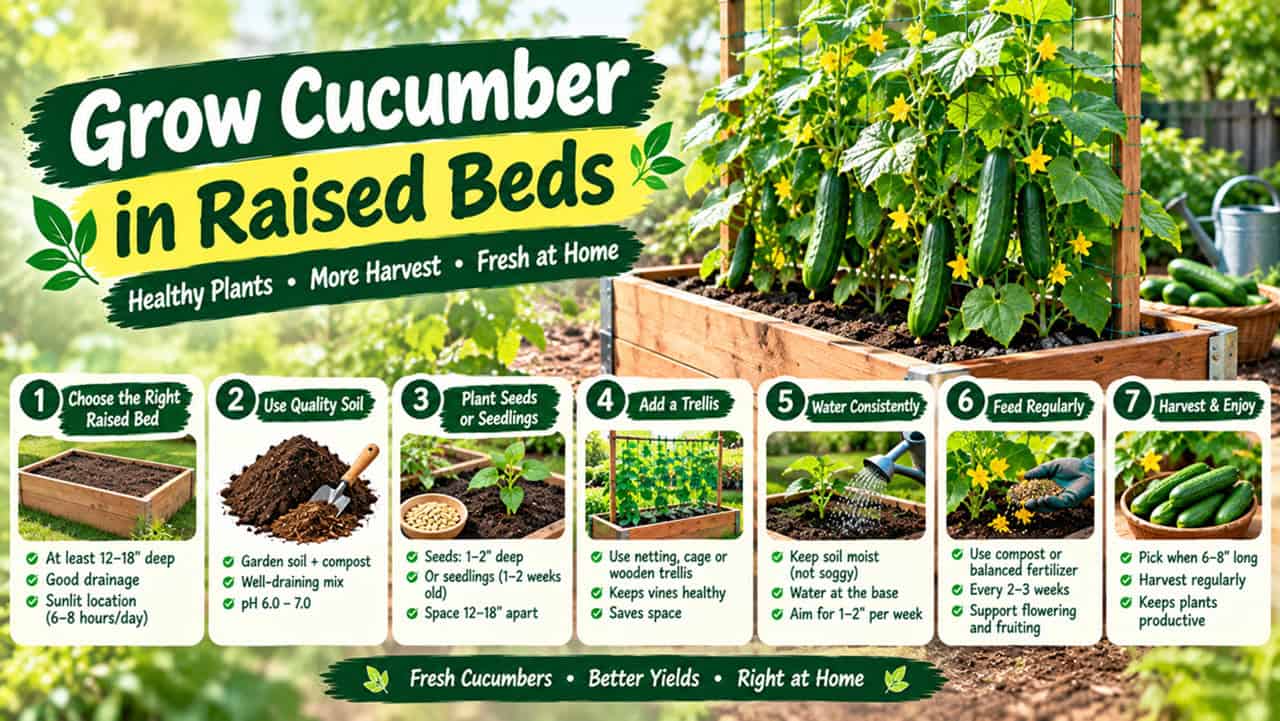
How to Grow Cucumbers in Raised Beds: Soil, Spacing and Trellis

Grow Cucumber in Raised Beds

Cucumbers love warmth, steady moisture and loose, rich soil. A raised bed delivers all three, which is why I think it’s one of the best ways to grow cucumbers at home. If you want to grow cucumbers in raised beds, you mostly need a good soil mix, a sturdy trellis and a watering routine you … Read more >>

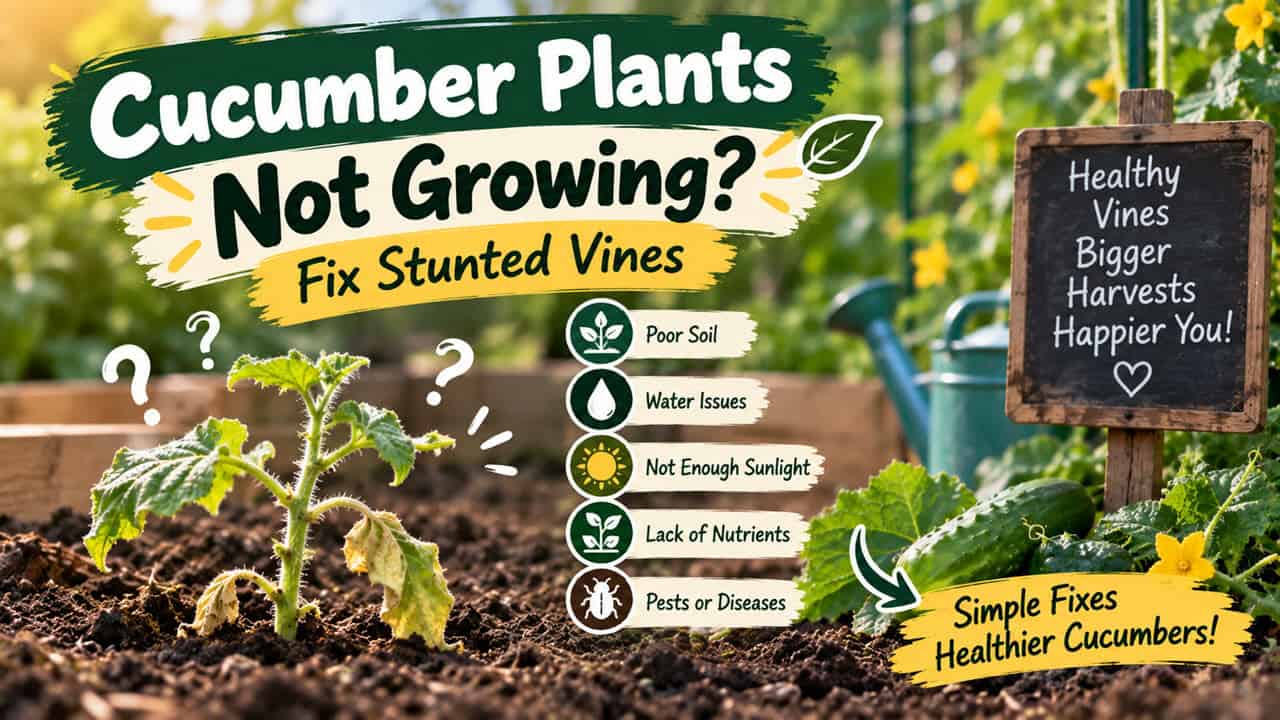
Cucumber Plants Not Growing? 9 Fixes That Work

Cucumber Plants Not Growing

Few things are more frustrating than cucumber plants not growing when everything else in the garden is taking off. You planted them, watered them, and they just sit there, small and stubborn, week after week. The good news is that stalled cucumbers almost always have a clear cause. In this guide, I’ll walk you through … Read more >>

Can You Plant Cabbage and Cauliflower Together?

Can You Plant Cabbage and Cauliflower Together

Yes, you can plant cabbage and cauliflower together, as long as you give each plant 18 to 24 inches of room and feed the bed well. They’re the same species, so they like the same cool weather, the same rich soil, and the same steady water. The catch is that they also share every pest … Read more >>

Can You Plant Tomatoes and Eggplant Together?

Can You Plant Tomatoes and Eggplant Together

Yes, you can grow these two crops in the same bed, and they make easy neighbors. You can plant tomatoes and eggplant together as long as you give each plant 24 to 36 inches of space, keep the taller tomatoes on the north side, and move the whole bed to a new spot every 3 … Read more >>

How to Grow Tomatoes in a Square Foot Garden

Square Foot Gardening Tomatoes

Square foot gardening tomatoes come down to one simple rule. Plant one indeterminate or cherry tomato per square and train it up a north-side trellis, or give one determinate bush tomato a 2 x 2 block of four squares with a cage. That spacing feels tight next to the 2 to 3 feet many seed … Read more >>

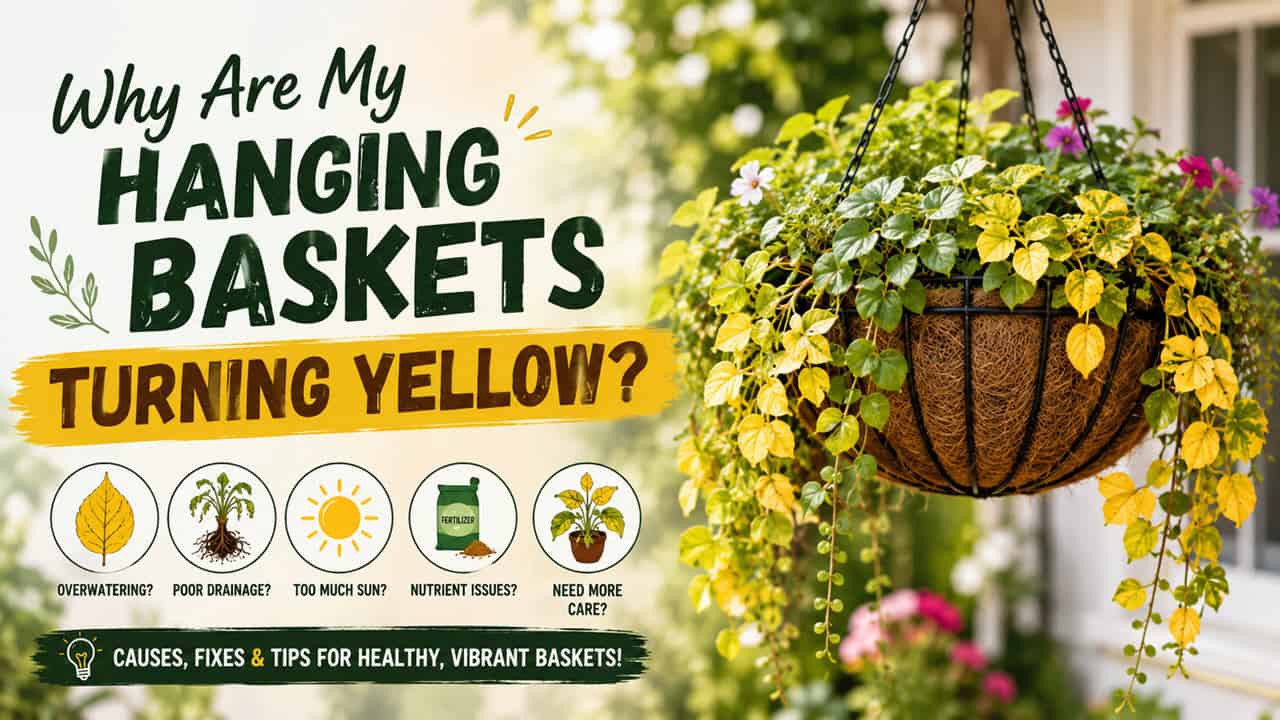
Why Are My Hanging Baskets Turning Yellow? Causes and Fixes

Why Are My Hanging Baskets Turning Yellow

Few things are more frustrating than watching a lush basket fade from deep green to pale yellow in the middle of summer. If you’ve noticed your hanging baskets turning yellow, the good news is that the cause is usually simple, and most baskets bounce back with the right fix. In this guide, I’ll walk you … Read more >>

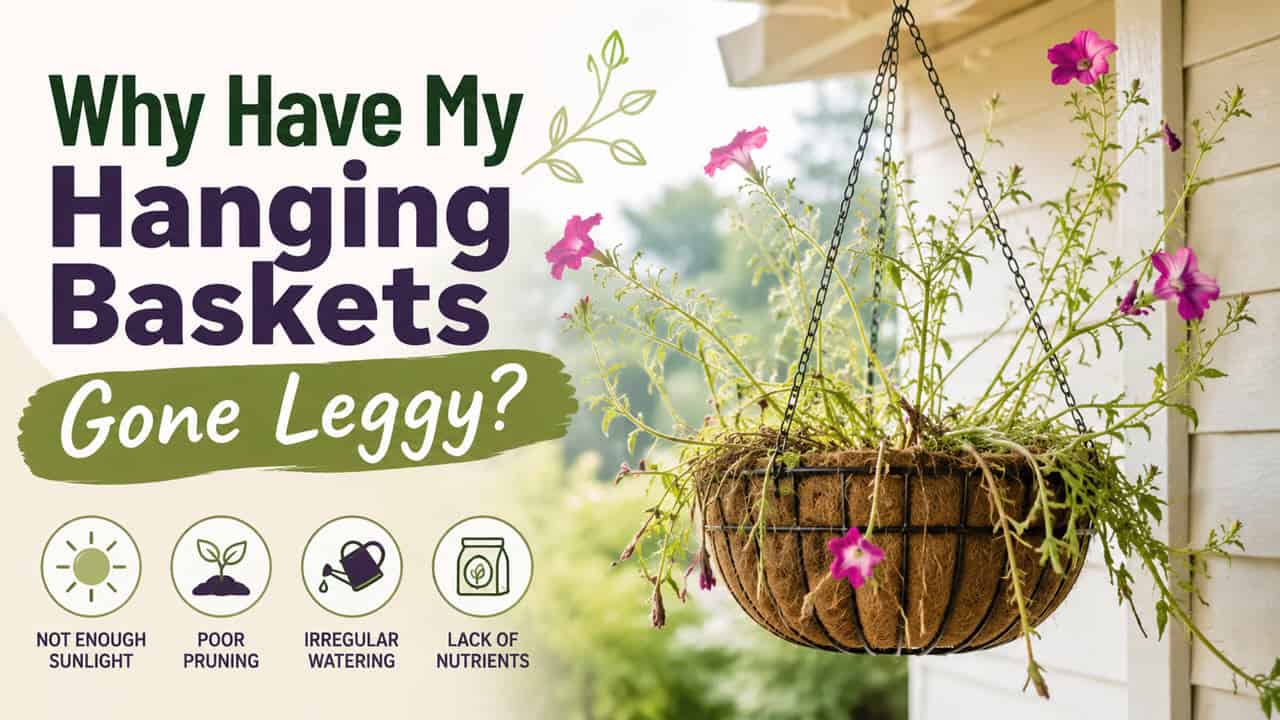
Why Have My Hanging Baskets Gone Leggy? How to Fix Them

Why Have My Hanging Baskets Gone Leggy

Your hanging baskets looked full and lush in May. Now it’s July, and they’re a tangle of long, bare stems with a few flowers dangling at the tips. If you’re asking yourself, “Why have my hanging baskets gone leggy?”, you’re not alone. This is one of the most common summer basket complaints. The good news … Read more >>

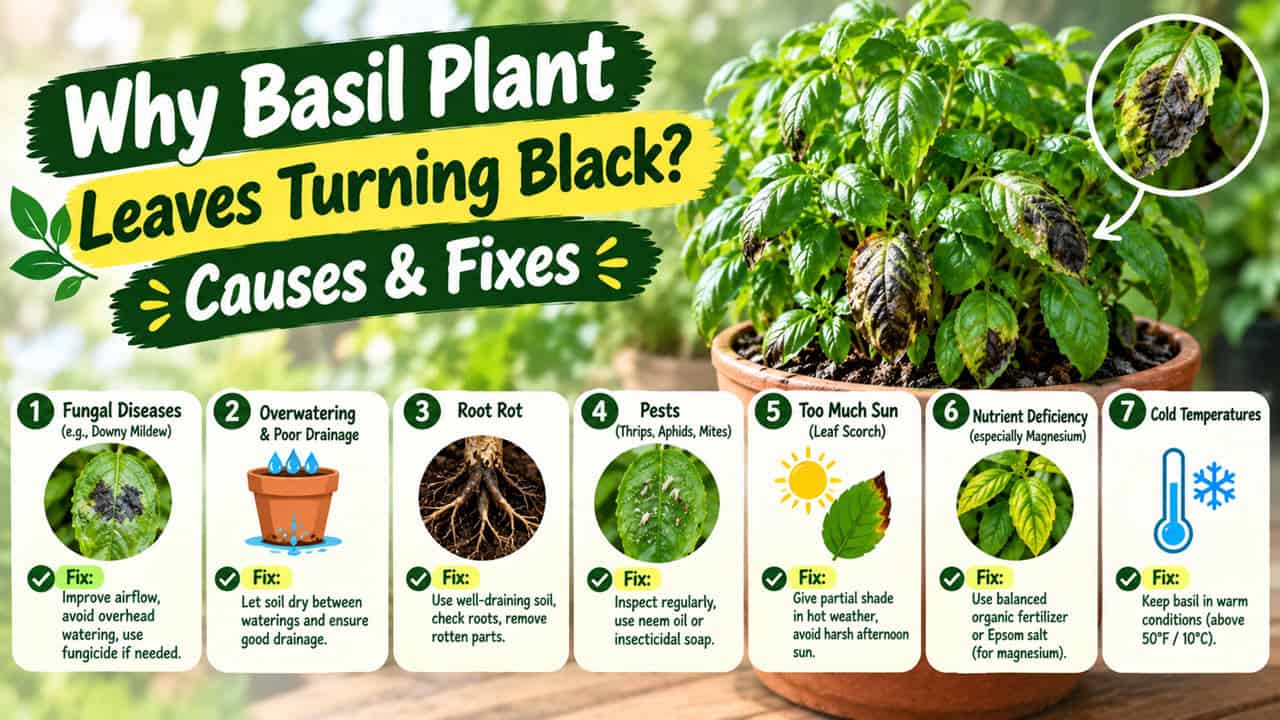
Why Are My Basil Leaves Turning Black? Causes and Fixes

Why Basil Plant Leaves Turning Black

Few things are as frustrating as walking out to your herb bed and finding basil leaves turning black overnight. One day the plant looks lush and fragrant, and the next it has dark spots, slimy patches, or whole leaves gone limp and inky. The good news is that black basil leaves almost always point to … Read more >>

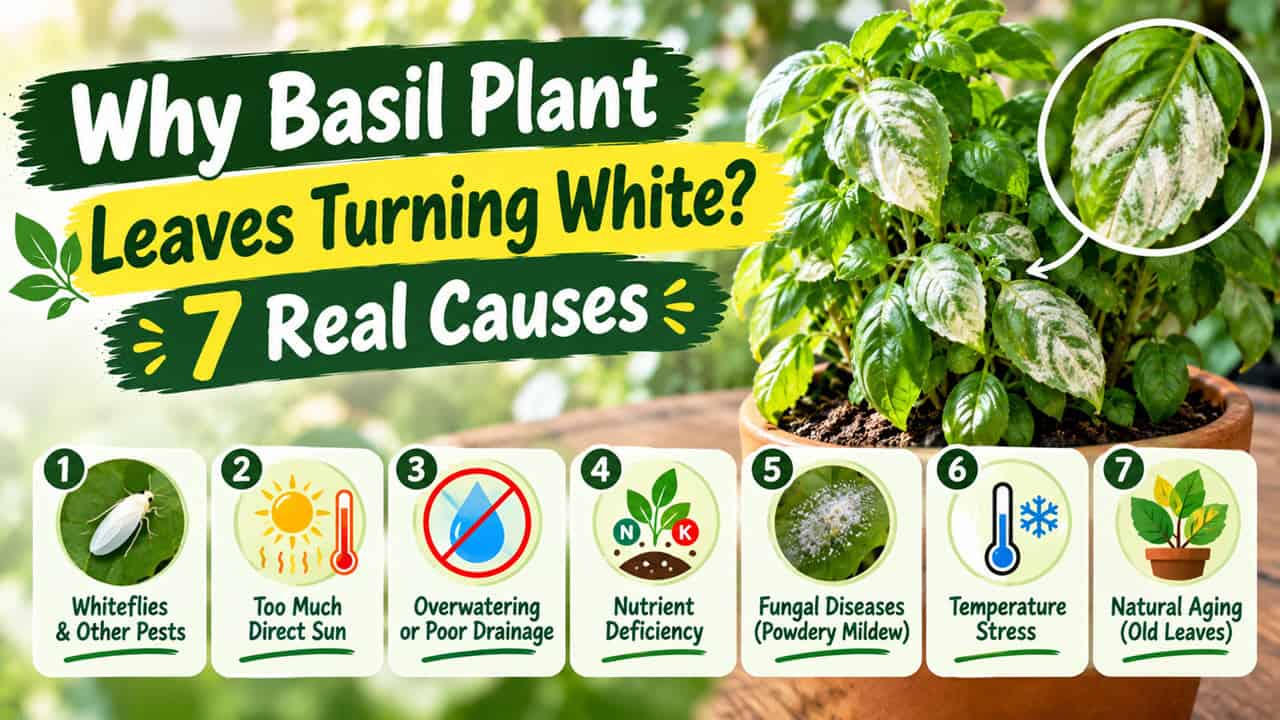
Why Are My Basil Leaves Turning White? Causes and Fixes

Why Basil Plant Leaves Turning White

Few things are more frustrating than heading out to snip some basil and finding pale, washed-out leaves. Basil leaves turning white usually point to one of a handful of problems: too much sudden sun, a fungal coating, tiny pests, a nutrient issue, or something as simple as residue from your water. The good news is … Read more >>