
A shady yard can still grow food. Plenty of shade tolerant vegetables will produce real harvests on 3 to 6 hours of sun, especially leafy greens, root crops, peas and a handful of herbs.
The trick is matching each crop to the light you actually have.
In this guide, I’ll show you how to read your shade, which crops fit each level of light, and which ones to skip. You’ll also get my advice for getting the most out of a low-light bed, patio or balcony.
What Kind of Shade You Have
Most “shady” gardens fall into partial shade, dappled shade or full shade. The amount of direct sun your spot gets each day decides what you can grow there.
Partial Shade, Dappled Shade and Full Shade
Partial shade usually means about 3 to 6 hours of direct sun a day. That range covers most of the crops in this article.
Dappled shade is the moving, broken light under open trees. It works well for greens because the leaves get steady filtered light without harsh midday heat.
Full shade means less than 3 hours of direct sun. Deep full shade suits very few vegetables, so I’d save those spots for containers you can move or for shade-loving ornamentals.
Morning Sun vs. Afternoon Sun
Not all hours of sun are equal. Morning sun with afternoon shade is the best combination for a shady vegetable garden.
Morning light is cooler and gentler. It dries dew off leaves, which helps prevent disease, and it gives plants energy without stressing them.
Afternoon sun is hotter and harsher. A bed that only gets 4 hours of late-day sun can still work, but greens there may wilt or bolt faster in summer.
How to Track Your Light
My advice is to watch your garden for one full day before you plant anything. Check the spot every hour or two and note whether it’s in direct sun, dappled light or shade.
Do this in the season you plan to grow. Light changes a lot between spring and summer, especially when trees leaf out and the sun sits higher in the sky.
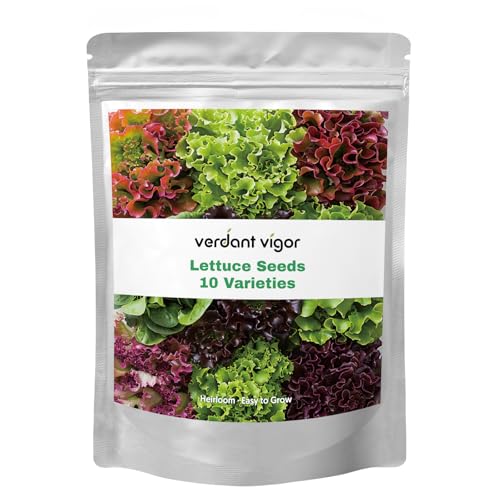
Once you know your hours, start small. A pack of lettuce seeds is an inexpensive way to test a new shady bed, since lettuce grows fast and tells you quickly whether the light is enough.
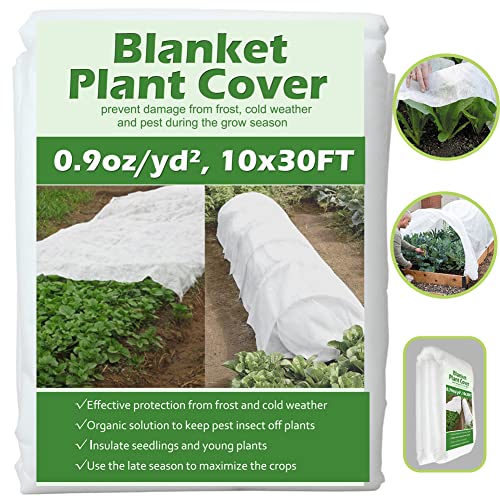
A lightweight row cover is another handy tool. It protects young seedlings from pests and cold snaps, and it lets light through, so it won’t steal sun your plants need.
| Shade Type | Direct Sun per Day | Best Crop Groups |
|---|---|---|
| Light partial shade | 5 to 6 hours | Root crops, peas, bush beans, brassicas |
| Partial shade | 4 to 5 hours | Greens, herbs, radishes, beets |
| Dappled or light shade | 3 to 4 hours | Lettuce, spinach, arugula, chard, Asian greens |
| Full shade | Under 3 hours | Very few crops; try containers you can move |
Leafy Greens for Shade
Leafy greens are the most reliable shade tolerant vegetables you can grow. Most of them get by on just 3 to 4 hours of sun a day.
Since you eat the leaves, not fruit, these crops don’t need the heavy energy that tomatoes or squash demand. That makes them a natural fit for low light.
Lettuce, Spinach and Arugula
Lettuce is my top pick for a shady bed. Loose-leaf types are the most forgiving because you can harvest outer leaves as they grow.
Spinach does well in partial shade and cool weather. It tends to bolt when days get long and hot, so a shady spot can stretch your harvest window.

Arugula grows fast and has a peppery bite. In too much sun and heat, it turns bitter quickly, so shade actually helps its flavor.
- Sow lettuce and arugula every 2 to 3 weeks for a steady supply.
- Pick loose-leaf lettuce from the outside in.
- Harvest spinach before it starts sending up a flower stalk.
Kale and Swiss Chard
Kale is tough and productive in partial shade. It tolerates cool weather well, and many gardeners find the leaves taste sweeter after a light frost.
Swiss chard is one of the easiest greens to keep going. It handles both cool weather and summer heat, and it keeps producing if you cut the outer stalks.
Both crops will grow a bit slower in shade. The trade-off is that the leaves often stay more tender.
Asian Greens
Bok choy, mizuna, tatsoi and mustard greens all handle partial shade well. Most are quick to mature, so you get a harvest before pests or heat catch up.
Like spinach, many Asian greens bolt in hot weather. Shade keeps them cooler and slows that process down.
These greens are also great for tight spaces. If you’re working with a patio or a narrow side yard, my guide to small-space vegetable gardening covers spacing tricks that work well with them.
| Leafy Green | Minimum Sun | Shade Bonus |
|---|---|---|
| Lettuce | 3 to 4 hours | Slower bolting in summer |
| Spinach | 3 to 4 hours | Longer harvest window |
| Arugula | 3 to 4 hours | Milder, less bitter flavor |
| Kale | 3 to 4 hours | Tender leaves |
| Swiss chard | 3 to 4 hours | Steady cut-and-come-again harvest |
| Asian greens | 3 to 4 hours | Delayed bolting |
Root Crops for Partial Shade
Root crops can grow in partial shade, but they want a bit more light than greens. Plan on about 4 to 6 hours of direct sun.
With less sun, roots will usually be smaller and take longer to size up. You’ll still get a harvest, and the leafy tops of some crops are edible too.
Radishes and Beets
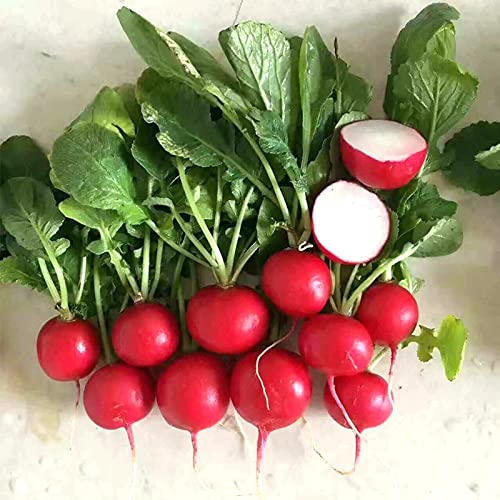
Radishes are the fastest root crop you can grow. Many varieties are ready in about a month, which makes them a low-risk experiment in a shady bed.
Beets are a double crop. You can eat the greens while the roots are small, then let the roots size up for a later harvest.
- Thin radishes and beets early so each root has room.
- In shade, give them a little extra time before you pull them.
- Harvest beet greens lightly so the root keeps growing.
Carrots and Turnips
Carrots tolerate partial shade but grow slowly. Shorter, rounder varieties are a smart choice because they mature with less energy.
Turnips are another dual-purpose crop. The greens grow well in partial shade, and young turnips are tender and mild.
Loose, rock-free soil matters more than ever when light is limited. Roots that don’t have to push through clay put their energy into growing instead.
Getting Better Roots in Less Light
Don’t overfeed root crops with nitrogen. Too much nitrogen gives you lush tops and skinny roots, especially in shade.
Keep the soil evenly moist. Uneven watering can cause cracking or woody roots.
If you’re new to growing food, these crops are a good place to start. My post on what to plant in your first vegetable garden explains why radishes and beets are so beginner-friendly.
Peas, Beans and Brassicas
Peas, bush beans and many brassicas can produce in partial shade with about 4 to 6 hours of sun. They yield less than they would in full sun, but the harvest is still worth it.
These crops sit in the middle ground. They’re more demanding than lettuce but far easier than tomatoes in a low-light spot.
Peas
Peas love cool weather, so a spot with afternoon shade suits them well. They’re usually planted in early spring or fall.
Snap peas, snow peas and shelling peas all work. Give them a trellis or netting so the vines climb toward the light.
Pea shoots are another option. You can grow them as a tender green and skip the pods entirely, which needs much less light.
Bush Beans
Bush beans tolerate partial shade better than pole beans in most cases. They stay compact and produce in a shorter time.
Expect fewer pods than in full sun. Picking often encourages the plants to keep flowering.
Beans love warmth, so plant them after the soil has warmed in spring. If you want quick results once summer arrives, my list of fast-growing summer vegetables includes bush beans and other speedy crops.
Broccoli, Cabbage and Cauliflower
Broccoli, cabbage, cauliflower and Brussels sprouts are cool-season brassicas. In partial shade, they grow more slowly and may form smaller heads.
Broccoli is the most forgiving of the group. Once you cut the main head, many varieties send up smaller side shoots.
Cauliflower is the fussiest. If your shade is on the heavier side, I’d stick with kale, which is also a brassica but only asks for 3 to 4 hours of sun.
| Crop | Sun Needed | Best Season | Notes for Shade |
|---|---|---|---|
| Peas | 4 to 6 hours | Spring, fall | Trellis to reach light |
| Bush beans | 4 to 6 hours | Summer | Fewer pods, pick often |
| Broccoli | 4 to 6 hours | Spring, fall | Smaller heads, side shoots |
| Cabbage | 4 to 6 hours | Spring, fall | Slower to form heads |
| Cauliflower | 5 to 6 hours | Spring, fall | Least forgiving in shade |
Herbs for Shady Spots
Mint, parsley, chives and cilantro are the best herbs for shady spots. They tolerate part shade with about 4 to 6 hours of sun.

Most other popular herbs, including basil, rosemary, thyme, oregano and sage, need 6 or more hours of sun. Those are better left for your sunniest bed.
The Best Shade-Tolerant Herbs
Mint grows happily in part shade. It also spreads aggressively, so give it its own pot to keep it from taking over a bed.
Parsley is a biennial usually grown as an annual. It handles part shade well and likes evenly moist soil.
Chives are a perennial and come back year after year. They’re easy, compact and tolerant of less light.
Cilantro bolts quickly in heat, so shade actually helps it. Sow it every 3 to 4 weeks for a steady supply.
Herbs That Struggle in Shade
Basil wants warmth and 6 or more hours of sun. In shade, it grows leggy and weak.
Mediterranean herbs like rosemary, thyme, oregano, sage and lavender need full sun. They also like to dry out between waterings, which is harder in damp, shady soil.
If you only have part shade, my advice is to focus on the four shade-tolerant herbs. You’ll get better results than fighting with sun lovers.
Growing Herbs in Pots in Shade
Containers let you move herbs to catch the best light. Use pots at least 6 to 8 inches wide with drainage holes.
Always use potting mix, never garden soil. Garden soil compacts in pots and drains poorly.
Basil, parsley, cilantro and chives like evenly moist soil. Harvest up to one-third of a plant at a time, cutting just above a leaf pair. For more de