
Peace lily leaves usually turn yellow from overwatering, underwatering or too much direct sun. One or two old leaves yellowing at the base is normal aging.
Look at which leaves are yellow and how the soil feels. Together, those two clues point to the cause in about a minute.
A yellow leaf on a peace lily is not an emergency. It is a message, and it is usually easy to read.
The fastest check is the soil. A cheap moisture meter tells you in seconds whether you are watering too much or too little.
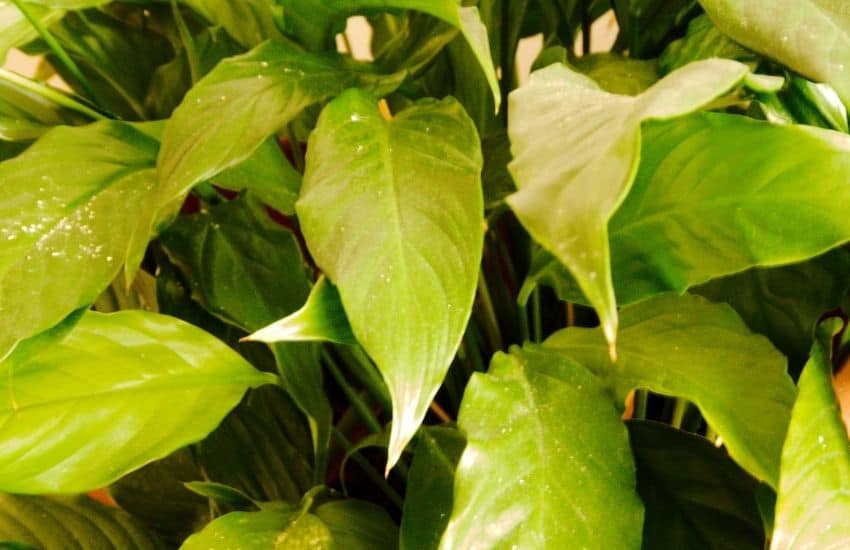
Read the Pattern: Which Leaves Are Yellow?
| What you see | Most likely cause | Fix |
|---|---|---|
| One or two old leaves at the bottom | Natural aging | Cut them off at the base |
| Several leaves yellow, soil wet | Overwatering | Let the top inch dry out between waterings |
| Yellow with crispy brown edges, soil dry | Underwatering | Water thoroughly and more regularly |
| Pale, bleached patches on leaves facing a window | Too much direct sun | Move to bright, indirect light |
| New leaves pale yellow-green all over | Hungry plant | Feed lightly in spring and summer |
| Yellow speckles, fine webbing underneath | Spider mites | Wipe leaves and treat the pests |
| Yellowing after a cold night or draft | Cold damage | Keep it above 60 °F |
What Helps Fix Yellow Leaves
Most yellowing comes down to water, light and food. These three products help with all three.
A soil moisture meter

Overwatering is the top cause of yellow leaves. A meter shows when the root zone is actually dry, not just the surface.
A gentle indoor plant food

Pale, yellow-green growth often means the plant is hungry. Feed at half strength every 6 to 8 weeks in spring and summer.
Fresh, well-draining potting mix
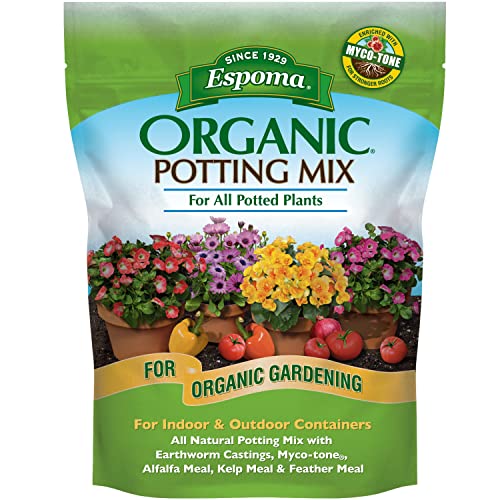
Old, compacted soil stays wet and starves the roots of air. Repotting into fresh mix every couple of years keeps leaves green.
Overwatering: The Most Common Cause
Soggy soil pushes air out of the root zone. The roots start to suffer, and the leaves turn yellow, often starting from the bottom.
Water only when the top inch of soil is dry. Always empty the saucer, and make sure the pot has drainage holes.
If the plant is also drooping in wet soil, check for root rot. My guide to why a peace lily droops walks through it step by step.
Underwatering
A peace lily that dries out again and again drops its oldest leaves first. They turn yellow, then brown and crispy at the edges.
Water deeply until it drains, then set a reminder to check the soil every few days. A self-watering pot can help if you are often away.
Too Much Direct Sun
Peace lilies grow on shady forest floors in the wild. Hot, direct sun bleaches and yellows their leaves.
Move the plant a few feet back from a bright window, or filter the light with a sheer curtain. It is one of the best indoor plants that do not need direct sun.
A Hungry Plant
When new leaves come in pale and yellow-green all over, the plant may be low on nutrients, especially after years in the same soil.
Feed lightly in the growing season and repot every two years or so. For a feeding routine, see using liquid fertilizer on indoor plants.
Do not overdo it. Too much fertilizer causes brown leaf tips, which is a different problem.
Pests and Cold
Spider mites leave tiny yellow speckles and fine webbing under the leaves. Wipe the leaves and follow my guide to getting rid of spider mites on indoor plants.
Cold drafts below about 55 °F can yellow and darken leaves within days. Keep the plant away from winter windows, doors and AC vents.
Should You Cut Off Yellow Leaves?
Yes. A yellow leaf will not turn green again, and removing it helps the plant focus on healthy growth.
Follow the stem down to the base of the plant and cut it there with clean scissors. Do not cut halfway up the stem.
Keep Your Peace Lily Green Long-Term
- Water when the top inch of soil is dry, usually about once a week.
- Give it bright, indirect light, a few feet from a window.
- Keep it between 65 and 80 °F, away from drafts.
- Feed at half strength every 6 to 8 weeks in spring and summer.
- Repot into fresh mix every one to two years, just one pot size up.
Healthy, well-lit plants are also the ones that flower. If yours has not bloomed in a while, see how to get a peace lily to bloom.
A Note on Pets
Peace lilies contain calcium oxalate crystals. According to the ASPCA, they are toxic to cats and dogs if chewed, so keep them out of reach.
Frequently Asked Questions
Can yellow peace lily leaves turn green again?
No. Once a leaf turns yellow, it stays yellow. Fix the cause, remove the leaf, and new growth will come in green.
Why are my peace lily leaves turning yellow and brown?
Yellow leaves with brown, crispy edges usually mean underwatering. Brown tips alone are more often from too much fertilizer or salts in tap water.
Is tap water making my peace lily turn yellow?
Rarely. Tap water minerals more often cause brown tips. If that happens, use filtered or rainwater and flush the soil every few months.
How often should I water a peace lily?
Water when the top inch of soil is dry, which is about once a week for most homes. Water less in winter.
Is it normal for a new peace lily to get yellow leaves?
Yes, a leaf or two may yellow as it adjusts to your home. Keep care steady and it should settle within a few weeks.
Sources
- NC State Extension: Spathiphyllum (peace lily) plant profile.
- ASPCA: Peace lily, toxic and non-toxic plants list.

Hello there! I’m Elsa, and gardening is my passion. As an avid gardener, I created GardeningElsa.com to share my knowledge and experience with fellow enthusiasts. My website is a comprehensive resource for gardeners of all levels, offering expert advice on a wide range of topics, including plants, flowers, herbs, and vegetable gardening. Whether you’re a beginner looking to start your first garden or a seasoned pro seeking to expand your knowledge, GardeningElsa.com has something for everyone. Read more about me.