Do Oyster Plants Need a Lot of Water?

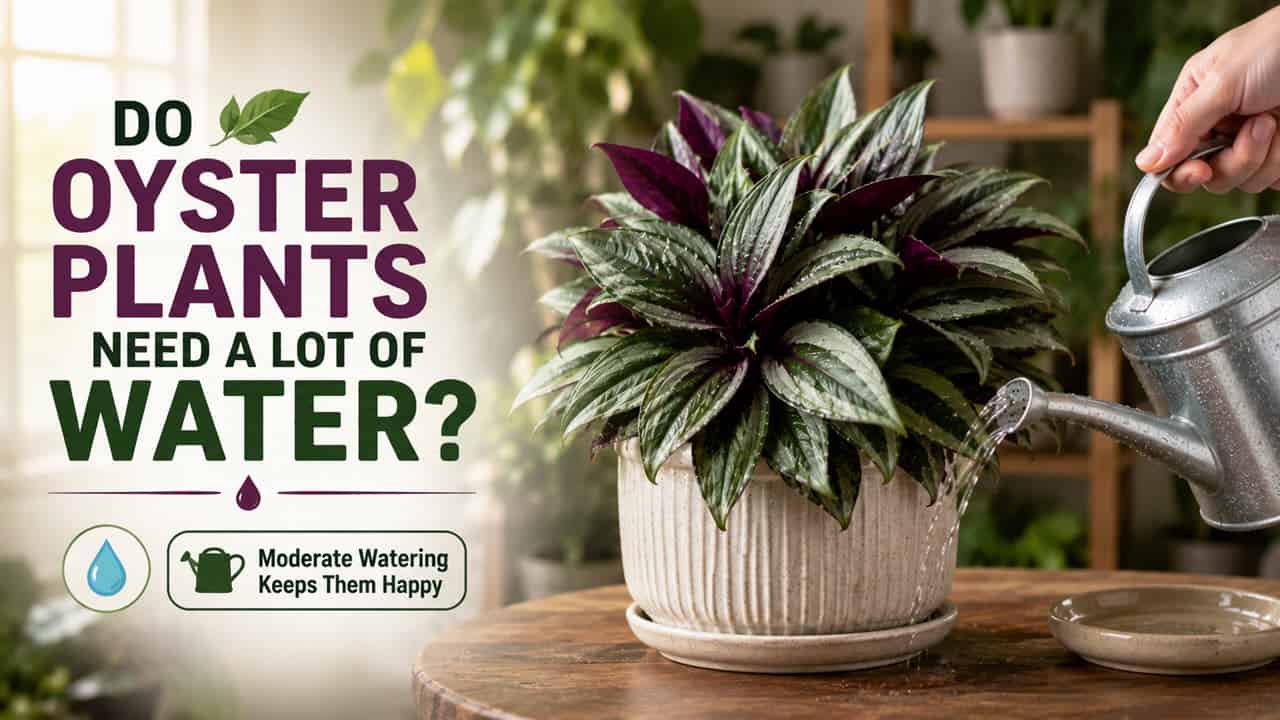
Do Oyster Plants Need a Lot of Water

No, oyster plants don’t need a lot of water. I water mine only when the top inch of soil feels dry, which works out to about once a week in warm months and every 10 to 14 days in winter for most indoor pots. The oyster plant (Tradescantia spathacea) stores moisture in its thick leaves, … Read more >>

How Far Apart Do You Plant Oyster Plants?

How Far Apart Do You Plant Oyster Plants?

Space oyster plants 12 to 18 inches apart, measured from the center of one plant to the center of the next. Use 12 inches when you want a solid groundcover fast, and 18 inches when you want each rosette to keep its shape and get better airflow. That small range covers almost every bed, border, … Read more >>

How to Grow a Balcony Herb Garden (Easy Small-Space Guide)

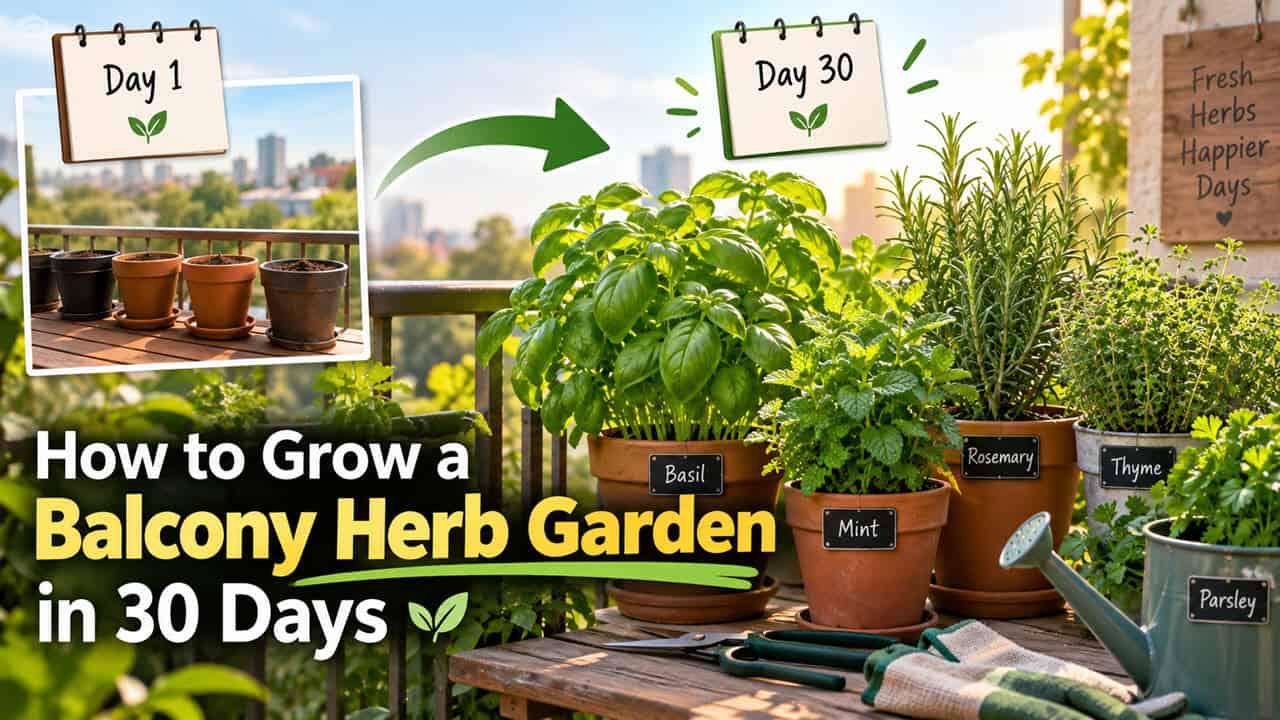
Grow a Balcony Herb Garden in 30 Days

A balcony herb garden is one of the easiest ways to cook with fresh flavor every day, even without a yard. A few pots of basil, thyme, and mint can turn a small outdoor space into a working kitchen garden. My advice is to start small, match your herbs to your light, and build from … Read more >>

Vertical Garden Ideas: Smart Ways to Grow More in Less Space

Vertical Garden Ideas

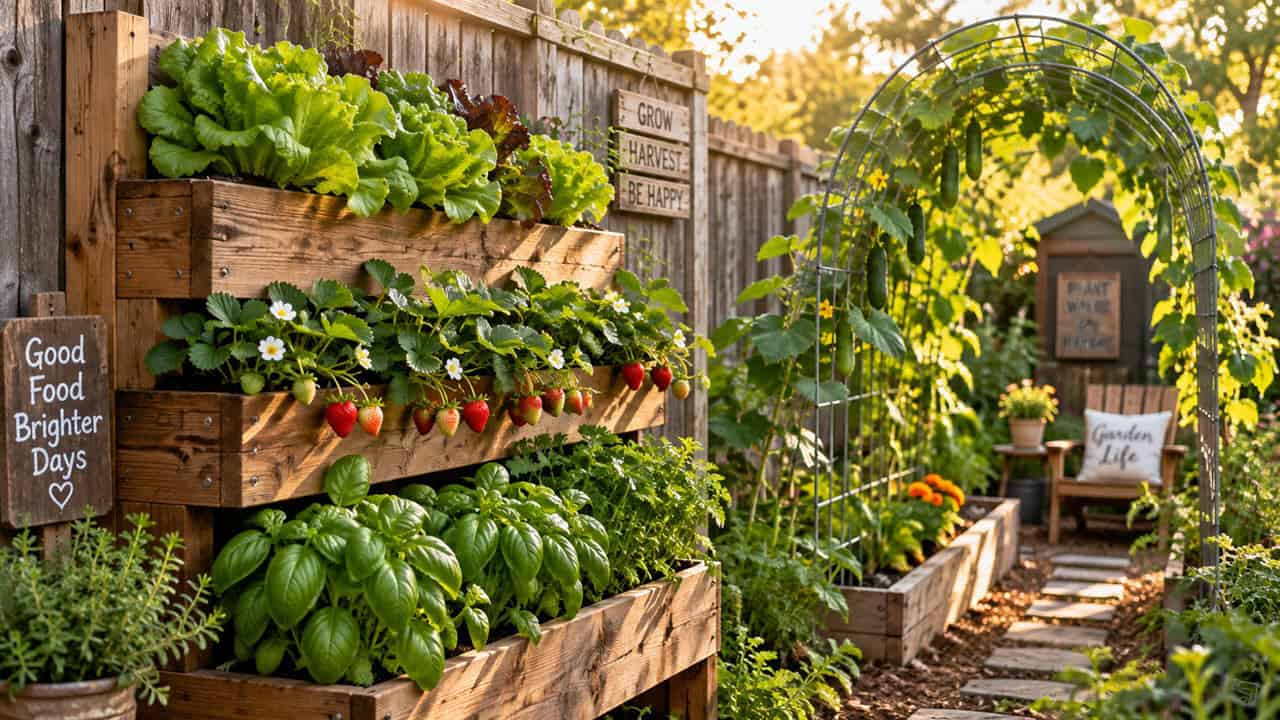
Short on ground space but still want fresh herbs, greens and tomatoes? Growing up instead of out is the simplest fix I know. These vertical garden ideas use walls, fences, railings and stairs-style shelving to fit more plants into less room. I’ll walk you through the setups that hold up in real backyards and balconies. … Read more >>

Can Indoor Plants Go Outside for the Summer?

Can Indoor Plants Go Outside

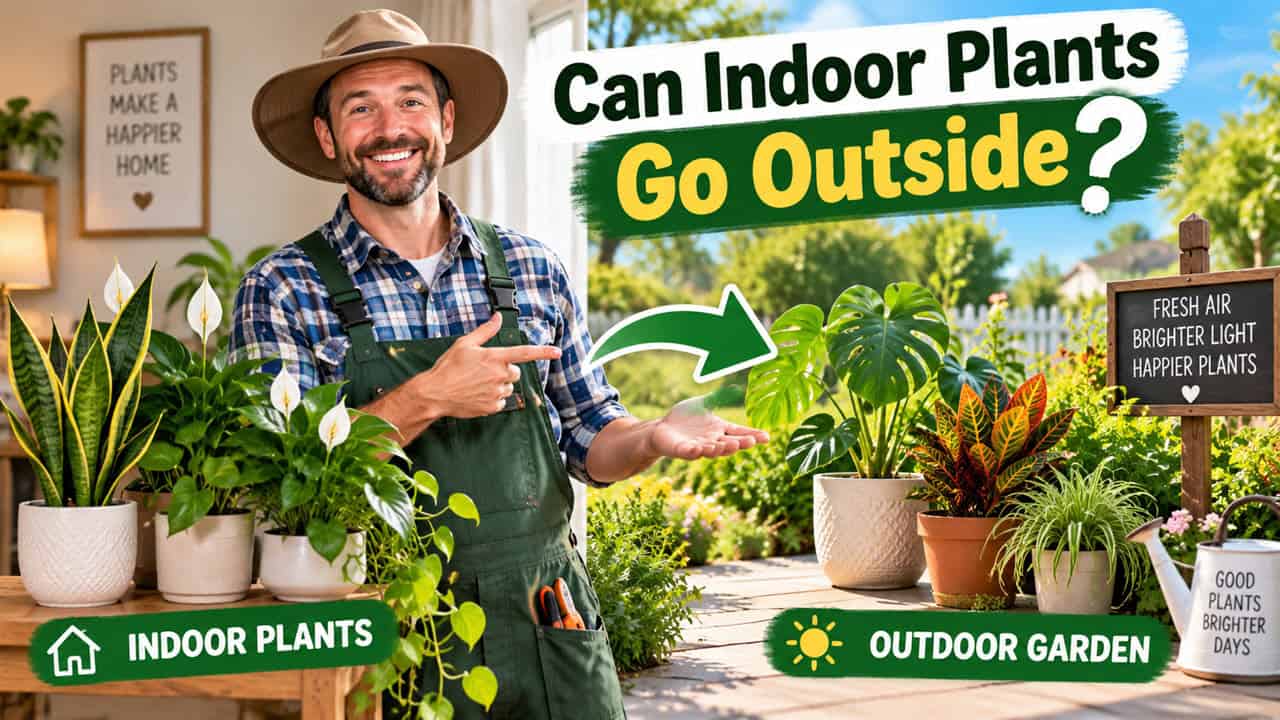
Yes, most indoor plants can go outside for the summer once nights stay above 55°F, as long as you start them in full shade and ease them into brighter light over one to two weeks. Tropical foliage plants, succulents, and many flowering houseplants grow faster outdoors thanks to stronger light, fresh air, and higher humidity. … Read more >>

How to Improve Garden Soil Naturally: Simple Steps That Work

Improve Garden Soil Naturally

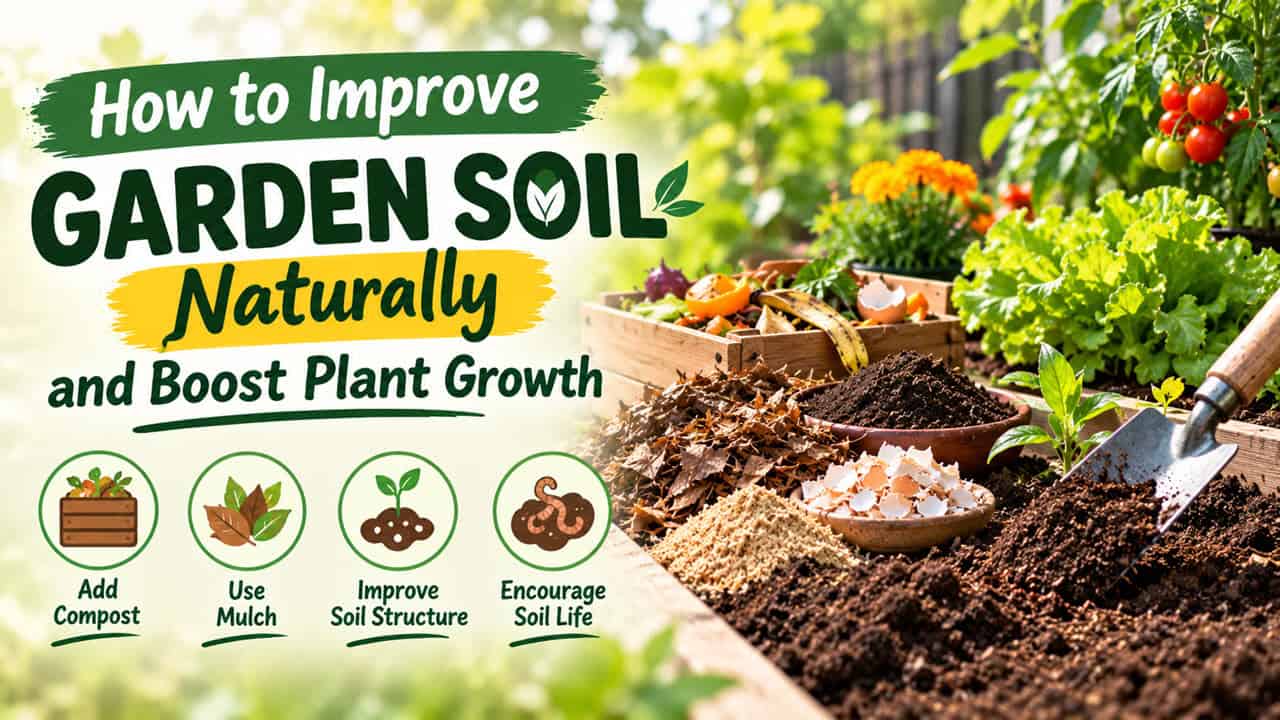
If your plants look tired, stunted or thirsty no matter what you do, the problem is often below the surface. The good news is that you can improve garden soil naturally with compost, mulch, cover crops and a few smart habits. In this guide, I’ll walk you through how to spot soil problems, test what … Read more >>

Grow Lights for Indoor Plants: How to Choose and Use Them

Best Grow Lights for Indoor Plants

Most houseplants do fine with window light from spring through early fall. Once you have a dim room, a north window, or the short days of a Northeast or Midwest winter, a grow light makes up the difference. For most homes, I’d pick a full-spectrum white LED grow light, set 6 to 12 inches above … Read more >>

Shade-Tolerant Vegetables: Best Crops for Low-Light Gardens

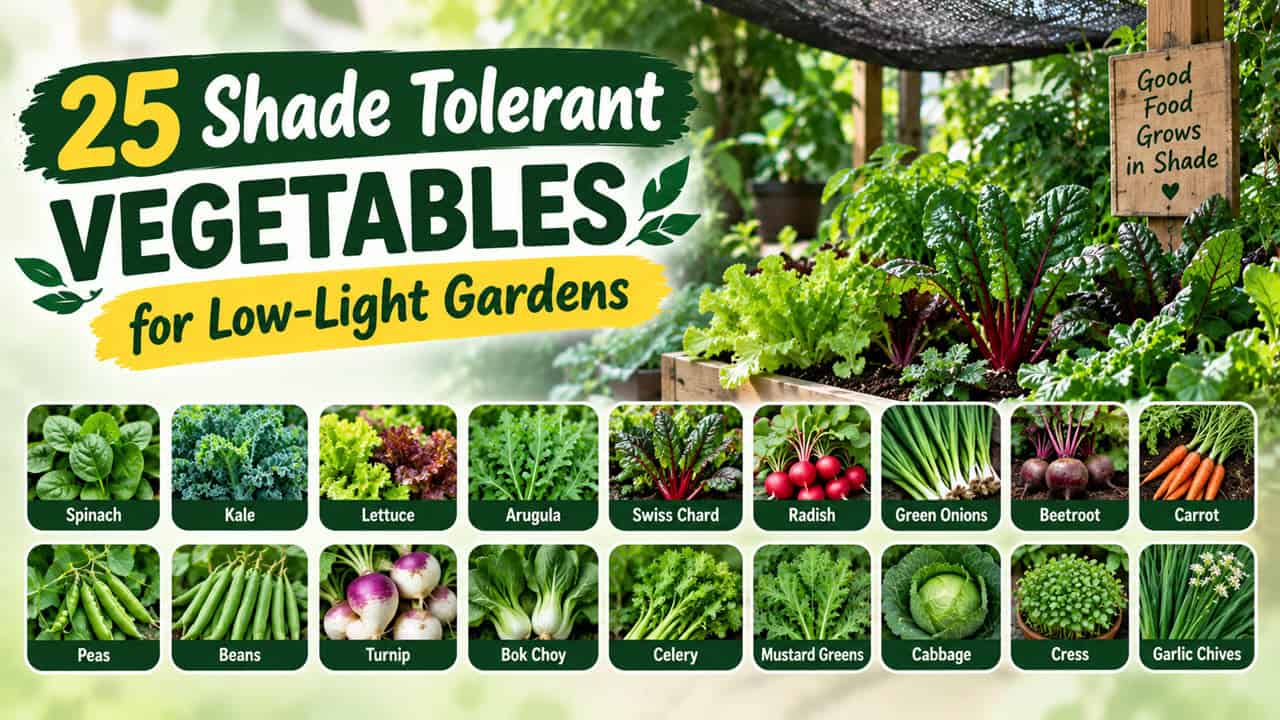
Shade Tolerant Vegetables

A shady yard can still grow food. Plenty of shade tolerant vegetables will produce real harvests on 3 to 6 hours of sun, especially leafy greens, root crops, peas and a handful of herbs. The trick is matching each crop to the light you actually have. In this guide, I’ll show you how to read … Read more >>

Why Are My Basil Leaves Turning Brown? Causes and Fixes

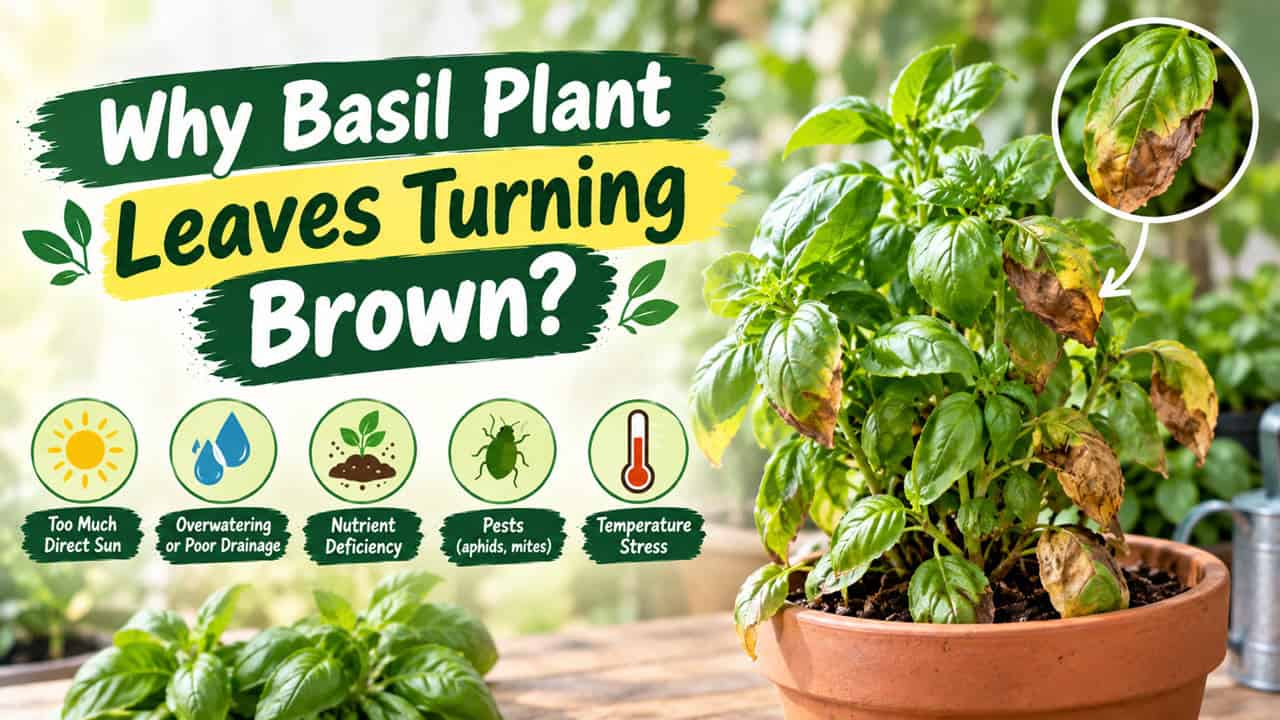
Why Basil Plant Leaves Turn Brown

Few things are more frustrating than reaching for fresh basil and finding brown, crispy, or mushy leaves instead. The good news is that basil leaves turning brown almost always point to a specific cause. Once you know what to look for, the fix is usually simple. In this guide, I’ll walk you through how to … Read more >>

Gardening Zones in New York: Zone Map and Frost Dates by Region

Gardening Zone New York

New York is a big, varied state for growing food. A tomato that thrives in Brooklyn in May could freeze solid in the Adirondacks the same week. That’s why knowing your gardening zone New York location and your local frost dates matters so much before you plant a single seed. In this guide, I’ll walk … Read more >>