Oyster Plant Care: How to Grow Moses-in-the-Cradle

Oyster Plant Care Tips

Oyster plant care comes down to a short list: bright indirect light, water only when the top inch of soil is dry, a fast-draining mix, and warmth above 50°F. Get those right and Moses-in-the-cradle will hold its deep green and purple leaves for years with very little fuss. The biggest threat to an oyster plant … Read more >>

Is Podocarpus Poisonous to Cats and Dogs?

Is Podocarpus Poisonous to Cats

Yes, podocarpus is poisonous to cats, and the ASPCA lists it as toxic to dogs and horses too. The plant is sold as yew pine, Buddhist pine, or Japanese yew. If your cat chews the needles or seeds, expect stomach trouble such as vomiting and diarrhea. The good news is that podocarpus is far less … Read more >>

Air Plant Care: How to Keep Tillandsia Healthy Indoors

Air plants (Tillandsia) after a soak, drying upside down

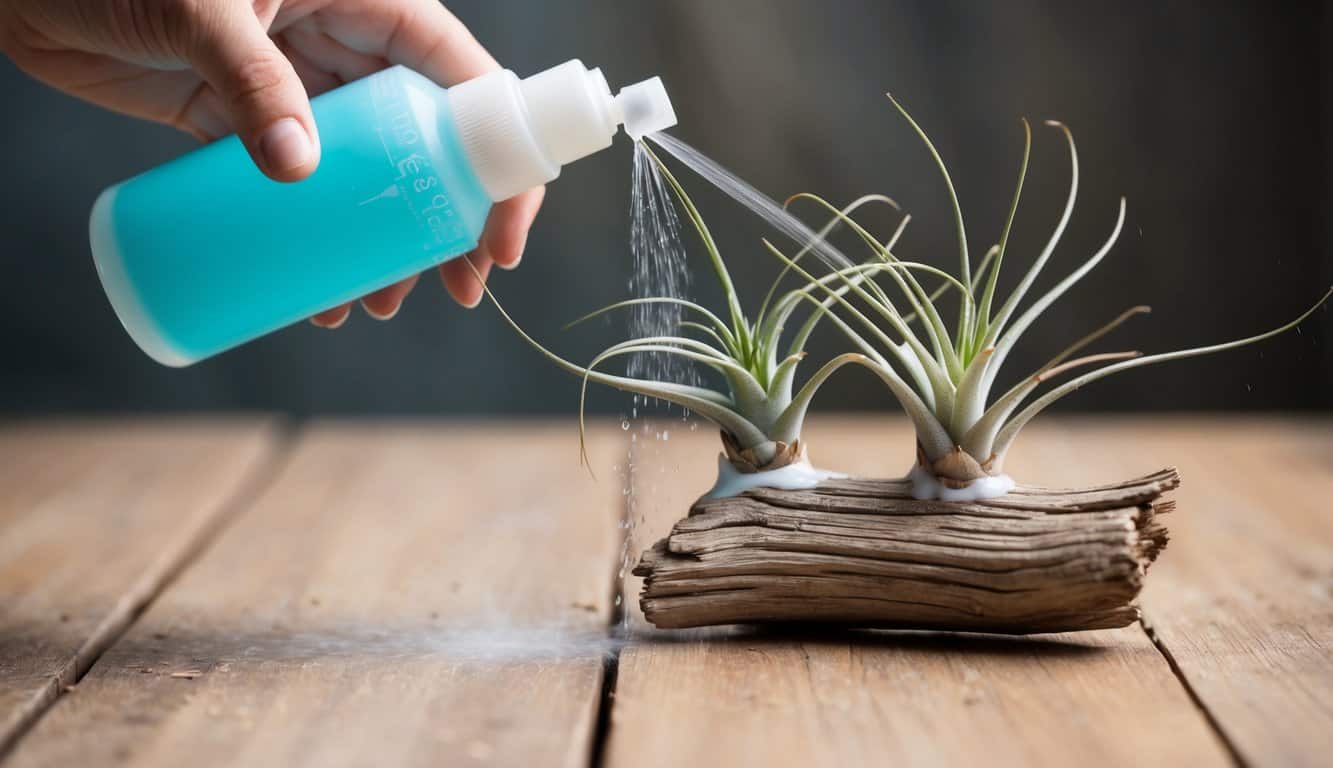
Air plants need four things indoors: bright indirect light, a thorough drink about once a week, fast drying, and steady air movement. For most homes, the best air plant care is a 20 to 30 minute soak once a week, then drying the plant upside down within about 4 hours, in a bright spot out … Read more >>

How to Get Rid of Ferns in Your Garden

Get Rid of Ferns in Garden Naturally

The most reliable way to get rid of ferns in a garden bed is to dig out the crowns and the creeping roots, then keep cutting or pulling every new frond until the plant runs out of stored energy. Small clumps often clear in a single season. Large, spreading patches take repeated work over two … Read more >>

ZZ Plant Companion Plants: 12 Easy Houseplants That Grow Well Together

ZZ Plant Companion Plants

The best ZZ plant companion plants are snake plant and haworthia, because they’re among the few common houseplants that also like to dry out completely between waterings. Pothos, Chinese evergreen, cast iron plant, dracaena, hoya, and peperomia also look great beside a ZZ, as long as each one sits in its own pot with its … Read more >>

Can You Plant Eggplant Seeds Directly in the Ground?

Can You Plant Eggplant Seeds Directly in the Ground

Yes, but only where summers are long and hot. You can plant eggplant seeds directly in the ground if your soil stays at 75°F or warmer and you have about four to five frost-free months ahead; most US gardeners get a better harvest by starting seeds indoors or buying transplants. That’s because eggplant is the … Read more >>

Why Is My Dieffenbachia Drooping? Causes and Fixes

why is my dieffenbachia plant drooping

Most of the time, a dumb cane droops because of a water problem at the roots. Dieffenbachia drooping is usually caused by soil that has dried out or soil that has stayed soggy long enough to rot the roots, so check the soil 2 inches down before you add any water. Dry soil means a … Read more >>

Are Air Plants Harmful to Trees?

Are Air Plants Harmful to Trees

Air plants don’t harm healthy trees. Spanish moss, ball moss, and the other Tillandsia species you see on oaks, pecans, and cypress use branches only as a perch. They make their own food from sunlight and pull water and nutrients from rain, dew, and dust. Air plants are epiphytes, so they take no water or … Read more >>

Is Dieffenbachia Toxic to Cats and Dogs? Symptoms and First Aid

Is Dieffenbachia Toxic to Cats

Yes. Dieffenbachia, often sold as dumb cane, is toxic to both cats and dogs. The ASPCA lists dieffenbachia as toxic to cats and dogs, and one bite of a leaf or stem causes fast, painful burning and swelling in the mouth. The good news is that serious poisoning is rare, because the pain makes most … Read more >>

Houseplants With Red and Green Leaves for Year-Round Color

House Plants with Red and Green Leaves

If you want one red-and-green plant that stays colorful with the least fuss, I’d start with a red aglaonema (Chinese evergreen). Red aglaonema is my top pick for most US homes because it keeps its pink-to-red markings in medium to bright indirect light and only needs water once the top 2 to 3 inches of … Read more >>