
Few things feel worse than spotting philodendron leaves turning yellow on a plant you’ve cared for. The good news is that yellow leaves are a signal, not a death sentence. Most causes are easy to fix once you know what to look for.
In this guide, I’ll walk you through how to read the yellowing pattern, the most common causes, and the simple fixes that work. My advice is to stay calm, check a few things in order, and avoid changing everything at once.
Read the Yellowing Pattern
Where and how the yellow shows up tells you most of what you need to know. Old lower leaves, new leaves, spots, and edges each point to different problems.
Before you water, move, or feed your plant, take a few minutes to look closely. A rushed fix can make the real problem worse.
Which Leaves Are Yellowing?
Start by noting which leaves are affected. One old lower leaf yellowing now and then is normal. Philodendrons shed their oldest leaves as they put energy into new growth.
If several leaves yellow at once, or new leaves come in pale, something else is going on. Here’s a quick way to sort it out:
| Yellowing Pattern | Most Likely Cause |
|---|---|
| One old lower leaf, rest of plant healthy | Natural aging |
| Many leaves yellowing, soil stays wet | Overwatering or root rot |
| Yellow with crispy brown edges, dry soil | Underwatering or low humidity |
| Pale, washed-out leaves on the sunny side | Too much direct sun |
| Small, pale leaves and long stems | Low light |
| Older leaves yellow evenly, slow growth | Low nutrients |
| Yellow stippling or speckles | Pests such as spider mites |
| Sudden yellowing after a cold night | Cold damage or drafts |
Look at Texture and Color
Texture matters as much as color. Soft, limp yellow leaves usually point to too much water. Crispy, dry yellow leaves usually point to too little water or dry air.
Bright yellow that spreads evenly across a leaf often means a watering or nutrient issue. Bleached or faded patches on the side facing a window often mean sunburn.
Tools That Make Diagnosis Easier
You don’t need fancy gear, but two simple products help a lot. A soil moisture meter shows how wet the soil is deeper down, where your finger can’t reach.
A balanced liquid houseplant fertilizer is the other tool I’d keep on hand. If your plant hasn’t been fed in months, it’s an easy fix for pale growth. Just don’t reach for it until you’ve ruled out watering problems.
Overwatering and Root Rot
Overwatering is the most common reason philodendron leaves turn yellow. Soggy soil starves roots of oxygen, and that can lead to root rot.

Philodendrons like moisture, but they hate sitting in wet soil. The roots need air as much as water.
Signs Your Philodendron Is Overwatered
Watch for these clues:
- Several leaves yellowing at once, often starting low on the plant
- Soft, droopy leaves even though the soil is wet
- Soil that stays damp for a week or more
- A sour or musty smell from the pot
- Fungus gnats flying around the soil
- Brown, mushy stems near the soil line
Droopy leaves confuse many people. A thirsty plant droops, but so does a drowning one. Always check the soil before you add water.
How to Check for Root Rot
If the soil stays wet and leaves keep yellowing, slide the plant out of its pot. Healthy roots are firm and white to light tan.

Rotting roots are brown, mushy, and may peel apart when you touch them. They often smell bad. If you see this, act quickly before the rot spreads.
Saving a Plant With Root Rot
Here’s how I’d handle it:
- Remove the plant and gently shake off the old soil.
- Trim off all brown, mushy roots with clean pruners or scissors.
- Rinse the remaining healthy roots with room-temperature water.
- Repot in fresh, chunky mix in a pot with drainage holes.
- Wait a few days before watering again, then water lightly.
Fresh soil matters here. Philodendrons do best in an airy blend, roughly equal parts potting mix, orchid bark, and perlite, with optional coco coir. If you grow the big tree type, here’s a closer look at the best soil mix for philodendron selloum.
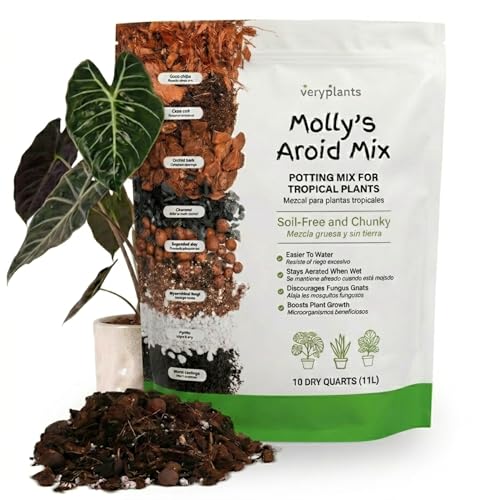
The pot matters too. Always use one with drainage holes. If your plant sits in a decorative cover pot, empty any water that collects in the bottom.
Underwatering and Low Humidity
Yes, too little water can also turn leaves yellow. The difference is that underwatered leaves usually turn crispy, curl, and brown at the edges.
This is less common than overwatering, but it happens. It’s especially likely during hot summer weeks or when a plant sits near a heater.
Signs of Underwatering
Look for these signs:
- Yellow leaves with dry, crispy brown edges or tips
- Leaves that curl inward or droop, then perk up after watering
- Soil that is bone-dry and pulling away from the pot’s sides
- A pot that feels very light when you lift it
The fix is simple. Water slowly and deeply until water drains out of the bottom. If the soil is very dry and water runs straight through, soak the pot in a tub of water for 20 to 30 minutes, then let it drain well.
Finding the Right Watering Rhythm
My rule is easy. Water when the top 1 to 2 inches of soil are dry, then water until it drains. Skip strict schedules, because your home’s light and temperature change all year.
Morning watering works well because the plant has all day to use the moisture. Here’s more on the best time of day to water indoor plants if you want to fine-tune your routine.
Tree philodendrons like selloum enjoy steady moisture. Still, “steady” never means soggy. Aim for soil that feels like a wrung-out sponge, not mud.
Raising Humidity the Simple Way
Philodendrons are tropical plants, and 50% humidity or more is ideal. That said, average home humidity usually works fine. Very dry air from heaters or air conditioning can cause crispy, yellowing edges.

Easy ways to help:
- Group plants together so they share moisture.
- Set the pot on a tray of pebbles and water, keeping the pot above the waterline.
- Run a room humidifier during dry winter months.
- Keep plants away from heating and cooling vents.
Misting feels helpful, but the effect fades in minutes. A humidifier or pebble tray does more.
Light Problems
Both too much and too little light can cause yellow leaves. Philodendrons want bright, indirect light, not harsh sun or a dark corner.
Light problems tend to build slowly. You may not notice until several leaves have changed color.
Too Much Direct Sun
Harsh direct sun scorches philodendron leaves. Look for faded, bleached, or yellow patches, often with crispy brown spots. The damage usually shows up on the side facing the window.
Move the plant a few feet back from a sunny south or west window. A sheer curtain also works well. An east-facing window with gentle morning sun is often a sweet spot.
Too Little Light
In low light, philodendrons get leggy with small leaves. Older leaves may turn pale yellow and drop as the plant struggles to support them.
Low light also slows water use. That means soil stays wet longer, which raises the risk of overwatering. Two problems can stack up quickly in a dim room.
Finding the Right Spot
Here’s a simple guide to placement:
| Location | Light Level | Good for Philodendron? |
|---|---|---|
| Right in a south or west window | Strong direct sun | No, risk of scorch |
| A few feet from a south or west window | Bright, indirect | Yes |
| Near an east window | Gentle morning sun | Yes |
| North window | Soft, lower light | Okay for some types |
| Interior room, far from windows | Low | No, leads to leggy growth |
If your home is dark, a simple grow light can fill the gap. Keep it a safe distance from the leaves and run it on a timer for consistent light.
Rotate the pot a quarter turn every week or two. This keeps growth even and stops one side from getting all the light.
Cold, Drafts and Temperature Stress
Cold is a sneaky cause of yellow leaves. Philodendrons like 65 to 85°F, and cold damage starts around 50°F.
Try to keep your plant above 55°F at all times. Short dips can still cause damage, even if the room warms up later.
Signs of Cold Damage
Cold-stressed philodendrons may show:
- Yellow leaves that appear suddenly after a chilly night
- Dark, water-soaked patches on leaves
- Limp or wilted foliage
- Brown or black areas that spread over a few days
Common culprits include drafty windows, exterior doors that open often, and air conditioning vents. Leaves pressed against cold glass in winter are also at risk.
Winter Care Adjustments
In winter, growth slows down. Your plant uses less water, so it needs watering less often, often every 2 to 3 weeks. Always check the soil first.
Use room-temperature water, since cold water can shock roots. Stop or reduce feeding until spring. For a full routine, read my guide on watering philodendron in winter.

Heat and Sudden Changes
Heat causes problems too. A plant near a radiator or heater can dry out fast and develop yellow, crispy leaves.
Sudden moves also stress philodendrons. Bringing a plant home from the store or moving it outdoors for summer can cause a few yellow leaves. Give it time to adjust, and avoid moving it again right away.
Nutrients, Root-Bound Pots and Pests
If watering, light, and temperature look fine, check these three causes next. Low nutrients, cramped roots, and pests can all turn leaves yellow.