
Basil leaves turning yellow is one of the most common problems herb gardeners run into. The good news is that the cause is usually simple, and most plants bounce back once you correct it.
In this guide, I’ll walk you through how to read the yellowing, what each pattern means, and exactly what to do about it. You’ll also learn how to keep your basil green and productive all season.
Read the Yellowing Pattern
Where the yellow shows up on the plant tells you most of what you need to know. Old leaves, new leaves, spots, and veins all point to different causes.
Before you change anything, take a few minutes to look closely. Check the top and bottom of the leaves, the stems, and the soil.
Where the Yellow Starts
Yellowing on the lowest, oldest leaves usually points to overwatering, low nitrogen, or natural aging. Basil moves nutrients from old leaves to new growth when it runs short.
Yellowing on the newest leaves at the top is a different story. Pale new growth often means iron chlorosis from alkaline soil, too little light, or cold stress.
Yellow patches between the veins on the upper leaf surface are a red flag for downy mildew. Flip the leaf over and look for gray-purple fuzz.
Other Symptoms to Check
Yellowing rarely shows up alone. The symptoms that come with it narrow the cause down fast.
- Soggy soil and droopy stems: overwatering or root rot
- Fine speckles and webbing: spider mites
- Sticky residue or tiny insects: aphids or whiteflies
- Silvery streaks: thrips
- Roots circling out of the drainage holes: a root-bound pot
- Leggy, stretched stems: low light
If the leaves are going dark rather than pale, read my guide on basil leaves turning black. Crispy or dry patches have their own set of causes, which I cover in my article on basil leaves turning brown.
Quick Diagnosis Table
| Yellowing pattern | Most likely cause | First step |
|---|---|---|
| Lower leaves, soil wet | Overwatering | Let soil dry slightly, check drainage |
| Lower leaves, soil fine | Low nitrogen | Feed with half-strength fertilizer |
| A few bottom leaves only | Natural aging | Pinch them off, no action needed |
| Pale new growth | Low light or high pH | Add light, check soil pH |
| Yellow between veins, fuzz underneath | Downy mildew | Remove and bag infected plants |
| Speckled yellow, webbing | Spider mites | Spray leaves, use insecticidal soap |
| Whole plant pale and stunted | Root-bound pot or cold | Repot or move to warmth |
Tools That Make Diagnosis Easier
Two simple products take the guesswork out of basil care. My advice is to keep both on hand if you grow herbs regularly.
A soil moisture meter tells you how wet the soil is at root level, not just on the surface. That alone prevents most overwatering mistakes.

A liquid herb fertilizer lets you feed lightly and evenly. Liquid formulas are easy to dilute to half strength, which is exactly what basil prefers.
Overwatering and Poor Drainage
Overwatering is the most common reason basil turns yellow. Soggy soil starves the roots of oxygen, so they can’t take up water or nutrients properly.
Overwatering and root rot are also the most common basil killers. Catching it early makes all the difference.
Signs Your Basil Is Getting Too Much Water
Overwatered basil often looks thirsty, which is why so many people water it even more. The leaves droop and yellow even though the soil is wet.
Watch for these signs:
- Lower leaves turning yellow and soft
- Wilting while the soil still feels damp
- Soil that stays wet for days after watering
- A sour or musty smell from the pot
- Dark, mushy stems near the soil line
- Brown, slimy roots instead of white, firm ones
If the stem base is mushy and the roots are brown, root rot has set in. At that point, you may need to take cuttings from healthy stems to save the plant.
How to Water Basil the Right Way
Basil likes soil that stays evenly moist but never soggy. Outdoors, that works out to about 1 inch of water a week, including rain.
Push your finger into the soil about an inch deep. If it feels dry, water. If it feels damp, wait a day and check again.
Water at the base of the plant in the morning. This keeps the leaves dry and gives any extra moisture time to drain before the cool night.
Hot, windy weather and small pots dry out faster. Cool, cloudy stretches mean you’ll water less often.

Fix Drainage Problems
Good drainage matters just as much as how often you water. Even careful watering fails if the water has nowhere to go.
Grow basil in pots at least 8 inches wide and deep with drainage holes. Use a quality potting mix, not garden soil, which packs down and holds too much water.

Never let pots sit in a saucer full of water. Empty it about 15 minutes after watering.
In garden beds, basil wants well-drained soil with compost mixed in. If your soil is heavy clay, a raised bed or mound helps a lot.
If your plant is wilting, yellowing, and declining all at once, my guide on why a basil plant is dying covers the bigger picture.
Nutrient Problems
Low nitrogen is the most common nutrient cause of yellow basil, and it shows up on older leaves first. Pale new growth can also point to iron problems in alkaline soil.

Basil is a fast-growing leafy herb. It uses up nutrients quickly, especially in containers.
Nitrogen Deficiency
Nitrogen keeps leaves green. When basil runs low, it pulls nitrogen from older leaves to feed new growth.
The result is a plant that yellows from the bottom up. The whole plant may look pale and grow slowly.
Potted basil is especially prone to this. Every time you water, some nutrients wash out the drainage holes.
Iron Chlorosis and Soil pH
Iron chlorosis shows up as pale or yellow new leaves, often with green veins. It usually isn’t a lack of iron in the soil but a pH problem.
Basil grows best at a soil pH between 6.0 and 7.5. When soil gets too alkaline, the roots can’t absorb iron even if it’s there.
A simple home soil test kit will tell you your pH. If it’s high, adding compost and using an acidic-leaning potting mix helps over time.
Hard tap water can slowly raise the pH in pots. If you see pale new growth in containers year after year, that may be part of the reason.
How to Feed Basil Without Overdoing It
Basil needs light feeding, not heavy feeding. Too much nitrogen gives you big leaves with weaker flavor.
Use a balanced or organic liquid fertilizer at half strength. Feed garden basil every 3 to 4 weeks and potted basil every 2 to 3 weeks.
Overfeeding can also cause problems. Fertilizer burn shows up as brown leaf edges, and salt buildup can stress the roots.
| Growing situation | Fertilizer | How often |
|---|---|---|
| Garden bed with compost | Balanced liquid, half strength | Every 3 to 4 weeks |
| Containers | Balanced liquid, half strength | Every 2 to 3 weeks |
| Freshly repotted plant | None | Wait 3 to 4 weeks |
| Stressed or rotting plant | None | Fix the root problem first |
Never fertilize a waterlogged plant. Damaged roots can’t use the nutrients, and the salts add more stress.
Light, Cold and Root-Bound Pots
Too little light, cold temperatures, and cramped roots all cause basil to turn pale or yellow. These are growing-condition problems, and they’re easy to fix once you spot them.
Not Enough Light
Basil is a sun lover. It needs 6 to 8 hours of direct sun a day outdoors.
In low light, basil grows leggy and pale. The stems stretch, the gaps between leaf pairs grow longer, and the leaves turn light green or yellow.
Indoors, a south-facing window is your best bet. Even then, winter light is often too weak.
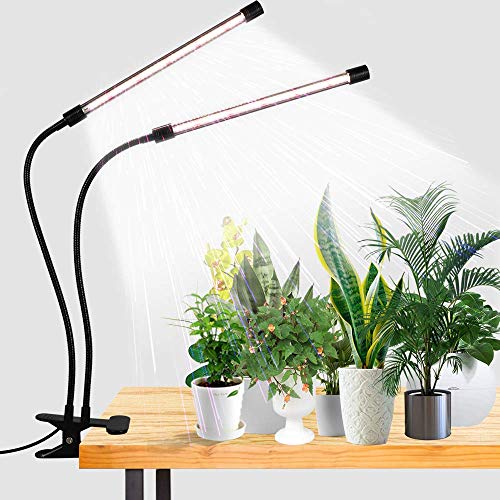
For indoor basil, a grow light running about 14 to 16 hours a day works well. I put together a guide to the best grow lights for indoor plants if you need help picking one.
One caution: don’t move indoor basil straight into full outdoor sun. A sudden jump can bleach or scorch the leaves. Read about basil leaves turning white if you see pale, washed-out patches after a move.
Cold Temperatures
Basil is a tender annual that grows best between 70 and 90°F. It struggles when temperatures drop.
Mild cold slows growth and can cause yellowing. Below 50°F, chilling injury shows up as black or brown leaves. Frost kills basil outright.
Plant basil outdoors 1 to 2 weeks after your last frost, once nights stay above 50°F. If you start seeds indoors, sow them about 6 weeks before the last frost, 1/4 inch deep.
Indoors, keep basil away from cold, drafty windows and air conditioning vents. Leaves touching cold glass in winter often yellow or darken.
Root-Bound and Crowded Pots
When roots fill the entire pot, basil can’t take up enough water or nutrients. The plant yellows, stalls, and dries out quickly.
Check by sliding the plant out of its pot. If you see a dense mat of circling roots, it’s time to move up a size.
Grocery-store basil is a common culprit. Those pots hold many crowded seedlings competing for the same small space.
Divide them into 3 or 4 clumps and plant each in its own pot with fresh potting mix. In the garden, space plants 12 to 18 inches apart.
Downy Mildew and Other Diseases
Basil downy mildew is the most serious disease that causes yellow leaves. Other diseases like fusarium wilt and root rot can also lead to yellowing and decline.
Basil Downy Mildew
Basil downy mildew is caused by Peronospora belbahrii. It’s specific to basil and spreads quickly in humid weather.
The first sign is yellowing between the veins on the top of the leaf. It can look like a nutrient problem at first glance.
Turn the leaf over. Gray-purple, fuzzy growth on the underside confirms downy mildew. Later, infected leaves turn brown or black.
There’s no reliable way to save a badly infected plant. Remove it, bag it, and throw it out. Don’t compost it, because the spores can survive and spread.
To prevent it:
- Grow downy mildew-resistant basil varieties
- Space plants for good airflow
- Water at the base, not over the leaves