
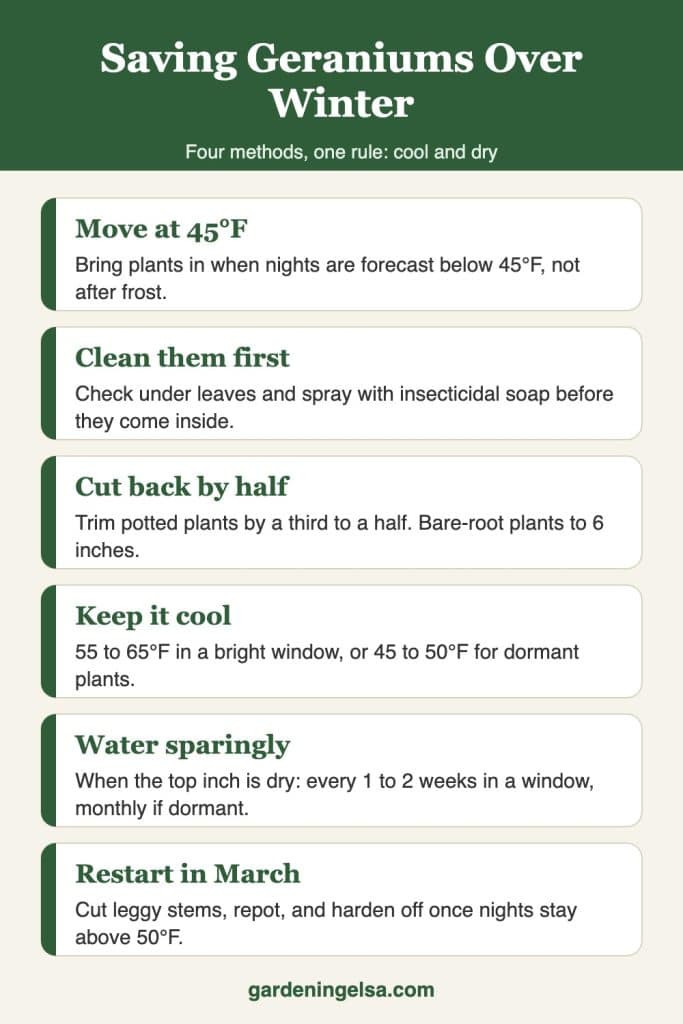
The most common way to lose geraniums is to wait for the first frost before bringing them in. Move them when nights are forecast to drop below 45°F, cut them back, and keep them cool and dry all winter.
Wait for frost, and you bring in a plant that’s already damaged, carrying pests, and set up to rot.
Do this instead: pick one of four methods based on your space. A bright window, dormant storage in a cool basement, rooted cuttings, or a cool garage. Then water much less than feels right.
One point first. The plant most people call a geranium, the one in window boxes and porch pots, is a pelargonium.
It’s tender, and it dies in a hard freeze. Hardy geraniums, also called cranesbill, are perennials that stay outside all winter in Zones 4 to 8.
This post is about the tender kind.
Waiting for Frost to Make the Call
Why people do it: the plants still look great in October, so moving them feels premature.
What happens: a light frost at 32°F blackens the leaves and soft growth tips. A hard freeze around 28°F kills the stems.
Watch the 10-day forecast from early September in Zones 3 to 5 and from late September in Zones 6 and 7. The first night forecast under 45°F is your signal.
Have clean bypass pruners, a few spare pots and an hour on a dry afternoon ready before that night comes. Bringing plants in by flashlight at 11 p.m. is how mistakes happen.
In Zones 9 to 11, pelargoniums live outdoors all year. They just slow down in the short days.
The exception: in Zone 8, a covered porch or a cold frame often keeps geraniums alive with no moving at all. Throw a frost cloth over them on the few nights below freezing, and see these tips to protect plants from frost.
Bringing Pests In With the Plant
A plant can look clean from above and still carry a colony underneath. Whiteflies, aphids and spider mites ride inside on the undersides of leaves. In dry indoor air, with no predators around, they multiply fast. By January they’ve spread to your houseplants too.
Turn every leaf over before the plant comes in. Hose the plant off hard, top and bottom.
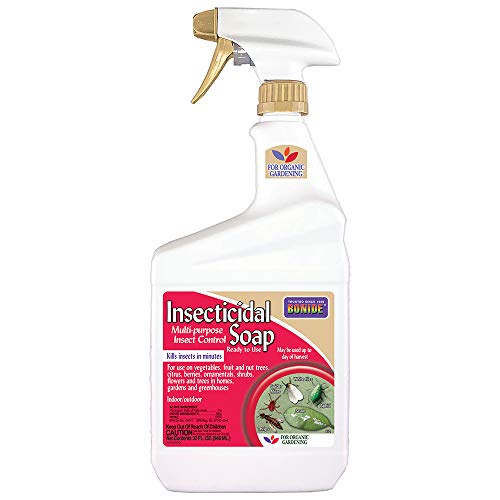
Then spray the whole thing, including leaf undersides and stems, with insecticidal soap, and let it dry outside for a day. Keep new arrivals apart from your other plants for 2 weeks.
More on what to look for in getting rid of bugs on indoor plants.
Treating Them Like a Warm, Thirsty Houseplant
Why people do it: they assume indoors means warm and watered, like a pothos.
What happens: at 72°F with low winter light, geraniums grow long, pale and floppy. With regular watering in cool, short days, the roots rot.
Keep a potted geranium cool, around 55 to 65°F by day and a bit cooler at night. Give it the brightest spot you have.
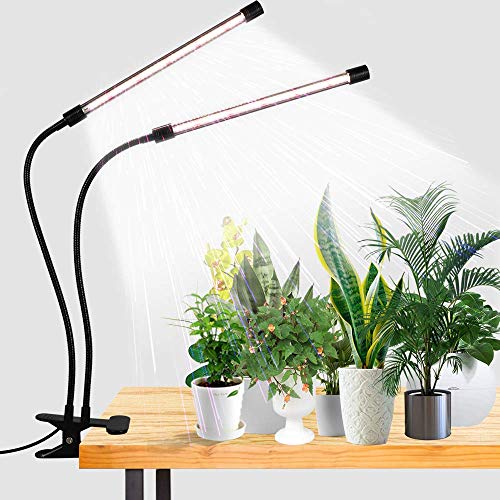
A south-facing window is best. If you don’t have one, a grow light on a timer for 12 to 14 hours a day does the job, hung 6 to 12 inches above the leaves for most LED lights.
Our guide to choosing indoor plant lights covers what to buy.
Water only when the top inch of soil is dry. In a bright window that’s usually every 1 to 2 weeks. Dormant plants in a garage need water about once a month. Don’t feed at all until March.
Skipping the Cutback
Cutting off healthy, flowering stems feels wasteful. But a full-size plant can’t support all that growth on winter light. It drops leaves and stretches out anyway.
Cut potted plants back by a third to a half before they come inside, just above a leaf node. For bare-root storage, cut down to about 6 inches. The cuttings you remove don’t have to be wasted, either (see the cuttings method below).
Using the Wrong Method for Your House
Here are the four methods side by side.
| Method | Space needed | Light | Temperature | Effort | How forgiving |
|---|---|---|---|---|---|
| Potted houseplant | A sunny windowsill | High | 55 to 65°F | Medium | High |
| Dormant, bare-root in a paper bag | A shelf for a bag or box | None | 45 to 50°F | Low | Medium |
| Cuttings | A tray | Medium to high | 60 to 70°F | Medium | High |
| Dormant in pot, cool garage | Floor space | Low | 45 to 55°F, never freezing | Low | Medium |
Potted houseplant: dig garden plants and pot them in fresh potting mix in a pot just big enough for the roots, usually 6 to 8 inches. Clay pots dry out faster and suit this method well. Expect a few flowers through winter.

Bare-root dormant storage: shake all the soil off the roots, let them air-dry a day, and hang plants upside down or put them in a paper bag. Store at 45 to 50°F in the dark.
Check once a month. If stems look shriveled, soak the roots in water for 1 to 2 hours, let them drain, and put them back.
Cuttings: take 4-inch tip cuttings, strip all but the top 3 or 4 leaves, and let the cut ends dry for a few hours. Stick them in damp seed-starting mix or perlite, in bright light.
Don’t cover them. Pelargonium cuttings rot under plastic.
Roots form in 3 to 6 weeks.
Cool garage: leave plants in their pots, cut back, and water only once a month or so. This works only in an attached garage that never freezes. Check with a thermometer during your first cold snap.
Rushing Them Back Outside in Spring
The first warm April day is the trap. A frost-free afternoon can still mean a 38°F night. Pelargoniums stop growing below 50°F, and a soft indoor plant gets sunburned in its first full day of sun.
In March, about 6 weeks before your last frost, cut leggy stems back to 4 to 6 inches. Repot or top-dress with fresh mix and start feeding at half strength.
Dormant plants come out of storage now too. Pot them, water once, and set them in light.
Once nights stay above 50°F, harden plants off over 7 to 10 days. Start with shade, then add more sun each day. For the full routine, see can indoor plants go outside.
If You Already Did It
Frost got them first. Cut off every blackened leaf and stem tip. Scratch a main stem lightly with a fingernail.
Green under the skin means the stem is alive. Brown and dry means it’s dead to that point, so cut lower until you find green.
Then bring the plant in and treat it like any other.
They’re leggy and pale by January. It’s normal, so don’t fight it with fertilizer. Move them to more light and cut back hard in March.
Leaves are yellowing and dropping. A few lower leaves going yellow is just the plant adjusting. Many yellow leaves plus soggy soil means overwatering. Let the pot dry out completely before you water again.
A stem is soft and black at the base. That’s rot. Take cuttings from any healthy tips right away, and throw out the rest.
What I’d Actually Do
I’d keep the two plants you like best in pots in the brightest window, take a tray of cuttings from the rest, and skip bare-root storage unless space is truly tight.
Cuttings give the most plants for the least room, and they’re young and bushy by May.
- Move plants in when nights fall below 45°F.
- Clean them off and spray before they come indoors.
- Cut back hard, keep them cool, and water rarely.
- Cut back again in March and harden off after nights pass 50°F.
For tender plants you plan to store as roots instead, the same cool, dark approach works for dahlia tubers and canna lilies, and our guide to overwintering potted plants covers others.
Overwintering Geranium Questions, Answered Plainly
Is it worth overwintering geraniums, or should I just buy new ones?
Common red zonals are cheap every May, so for those it’s a judgment call. Overwinter the scented, regal, fancy-leaf or named varieties you can’t easily find again. Those are the plants worth the windowsill space.
Do I need to remove the flowers before bringing geraniums inside?
Yes, take off open flowers and buds. They use energy the plant needs to adjust to lower light, and fallen petals can start mold on wet leaves. New buds will form on their own later in winter if the light is good.
Do regal and ivy geraniums overwinter the same way?
Keep both in pots rather than storing them bare-root, because they don’t handle full dormancy as well as zonals. Regal (Martha Washington) geraniums also need several weeks of nights around 50 to 60°F in late winter to set their buds.
How long do geraniums live if you overwinter them?
With good care, the same plant can live for years and get woody at the base. After 3 or 4 years, most gardeners replace old plants with rooted cuttings. Cuttings bloom more freely.
Are geraniums toxic to cats and dogs?
The ASPCA lists geraniums (Pelargonium) as toxic to cats and dogs. Eating them can cause vomiting, loss of appetite, lethargy or skin irritation. Keep overwintering plants out of reach of pets who chew leaves, especially on low windowsills.

Hello there! I’m Elsa, and gardening is my passion. As an avid gardener, I created GardeningElsa.com to share my knowledge and experience with fellow enthusiasts. My website is a comprehensive resource for gardeners of all levels, offering expert advice on a wide range of topics, including plants, flowers, herbs, and vegetable gardening. Whether you’re a beginner looking to start your first garden or a seasoned pro seeking to expand your knowledge, GardeningElsa.com has something for everyone. Read more about me.