Why Is My Areca Palm Dying and How to Fix [9 Expert Solutions]

Why Is My Areca Palm Dying

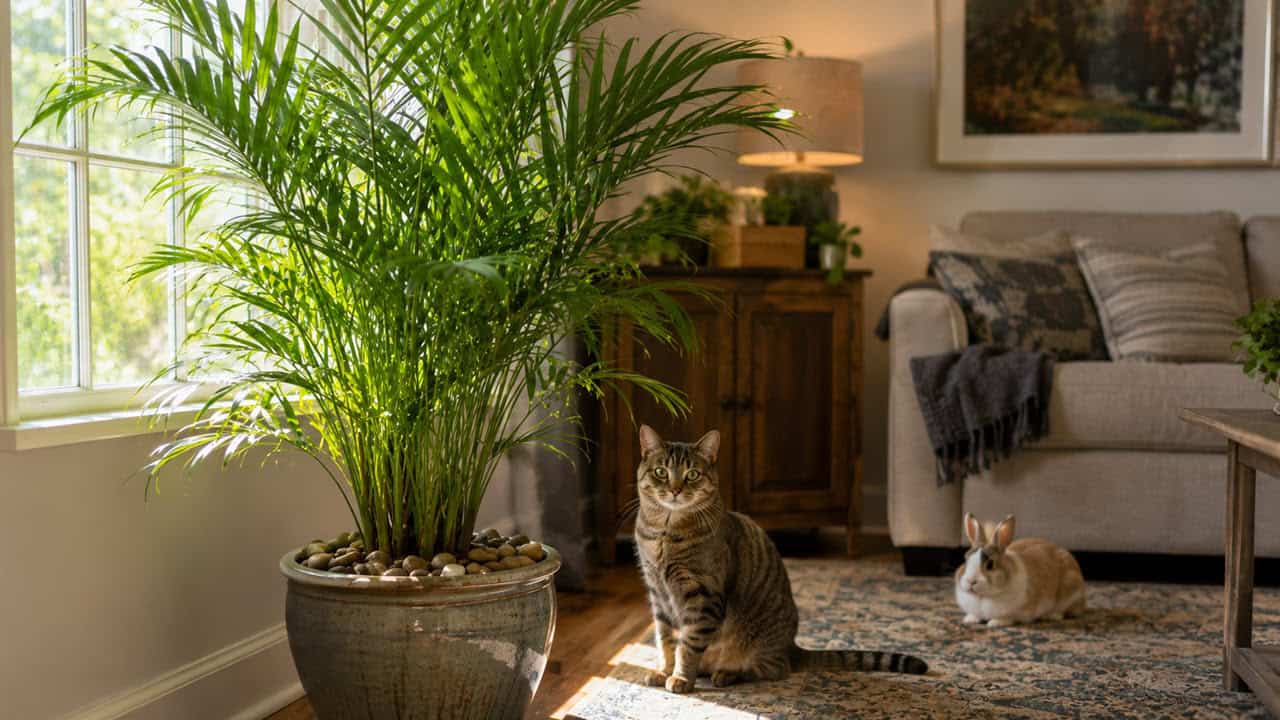
Areca palms are a popular choice for indoor and outdoor greenery due to their elegant, feathery fronds. These tropical plants can bring a touch of paradise to any space. But like all living things, areca palms can face health issues that may leave owners worried. When an areca palm starts to show signs of decline, … Read more >>

Can Lotus Plants Survive Drought Conditions in Southwestern States?

Can Lotus Plants Survive Drought Conditions in Southwestern States

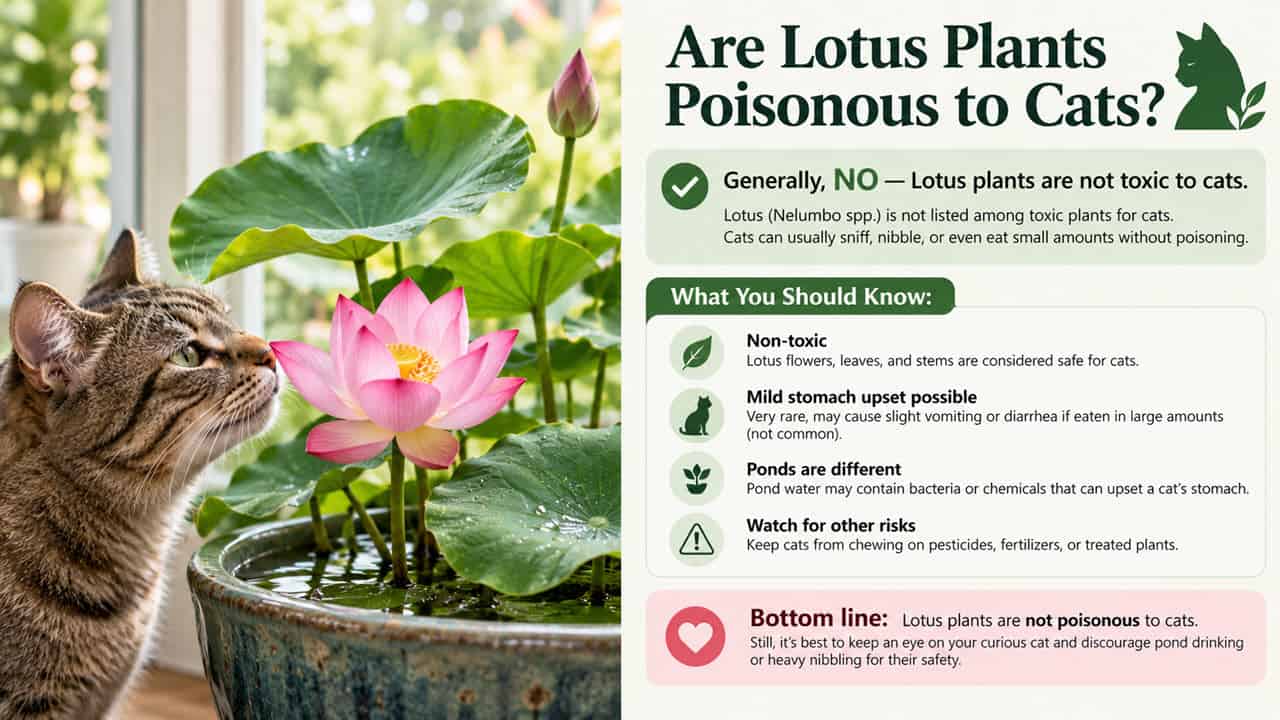
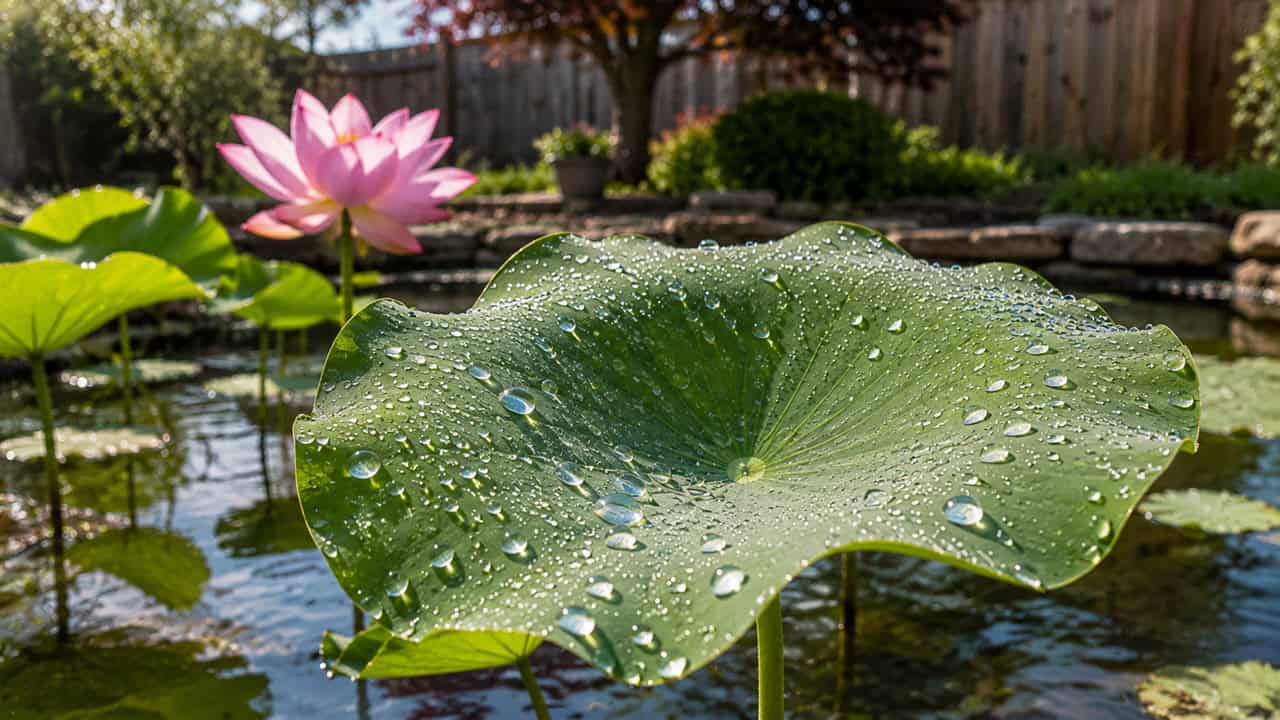
Lotus plants, famous for their stunning flowers and love of watery habitats, struggle in the dry, harsh climate of the southwestern United States. These aquatic beauties evolved to live in water, with leaves that shed moisture fast—a trait that creates headaches when you drop them into a desert. Lotus plants just can’t survive drought in … Read more >>

[7 Reasons and Solutions] Dark Spots on ZZ Plant Stem

Dark Spots on ZZ Plant Stem

Dark spots on ZZ plant stems worry many plant owners. These spots can appear for several reasons, and understanding them helps keep your plant healthy. The most common reason for dark spots on ZZ plant stems is natural markings that develop as the plant matures. These spots are typically harmless and part of the plant’s … Read more >>

Are Areca Palms Toxic to Dogs? What Pet Owners Should Know

Are Areca Palms Toxic to Dogs

Many dog owners worry about the plants they keep in their homes and yards. They want to make sure their furry friends stay safe. Areca palms are popular indoor plants known for their lush, tropical look. But are they okay to have around dogs? Areca palms are not toxic to dogs. The American Society for … Read more >>

Citronella Plant vs Lemongrass: Key Differences and Uses Explained

Citronella Plant vs Lemongrass

Citronella plant and lemongrass are often confused due to their similar appearance and scent. These two plants belong to the same grass family, Poaceae, but have some key differences. Citronella grass has wider blade-shaped leaves with reddish or magenta tinges at the base, while lemongrass has narrower, all-green foliage. Both plants are known for their … Read more >>

Does Lemongrass Repel Snakes?

Does Lemongrass Repel Snakes? Exploring Natural Deterrents

Many homeowners worry about snakes in their yards. Lemongrass is often suggested as a natural way to keep these reptiles away. Lemongrass does help repel snakes due to its strong citrus scent that snakes dislike. The plant’s oils contain compounds like citral and geraniol that can confuse snakes’ senses. Planting lemongrass around homes and gardens … Read more >>

9 Companion Plants for Lotus in American Water Gardens

Companion Plants for Lotus

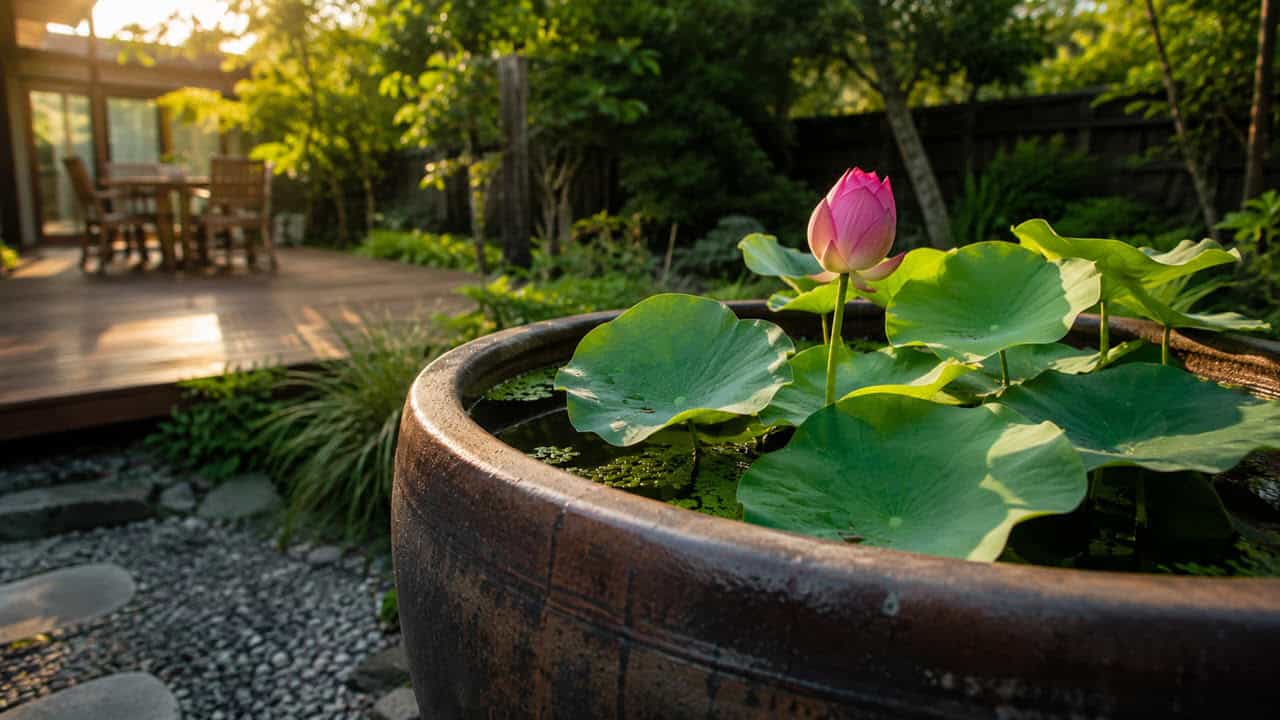
Lotus plants bring a stunning touch to water gardens with their elegant flowers and distinctive leaves. These aquatic beauties love still water and naturally become the peaceful centerpiece in ponds or containers. Companion plants can boost the visual appeal of lotus and help create a balanced pond ecosystem. If you’re planning a water garden with … Read more >>

How to Harvest Lemongrass [Quick Guide for Fresh Stalks]

Harvest Lemongrass

Lemongrass is a fragrant herb that adds a zesty flavor to many dishes. This tropical plant is easy to grow and harvest at home. You can harvest lemongrass anytime during the growing season once the stalks are about half an inch thick. To pick lemongrass, cut the stalks close to the ground with clean, sharp … Read more >>

ZZ Plant Toxic to Babies [What Parents Should Know About Safety Risks]

ZZ Plant Toxic to Babies

If you’re a parent with a ZZ plant at home, you might wonder about its safety around your little one. ZZ plants, also known as Zamioculcas, contain calcium oxalate crystals that can be harmful if ingested. The ZZ plant is toxic to babies and young children, causing symptoms like mouth swelling, irritation, and digestive discomfort … Read more >>

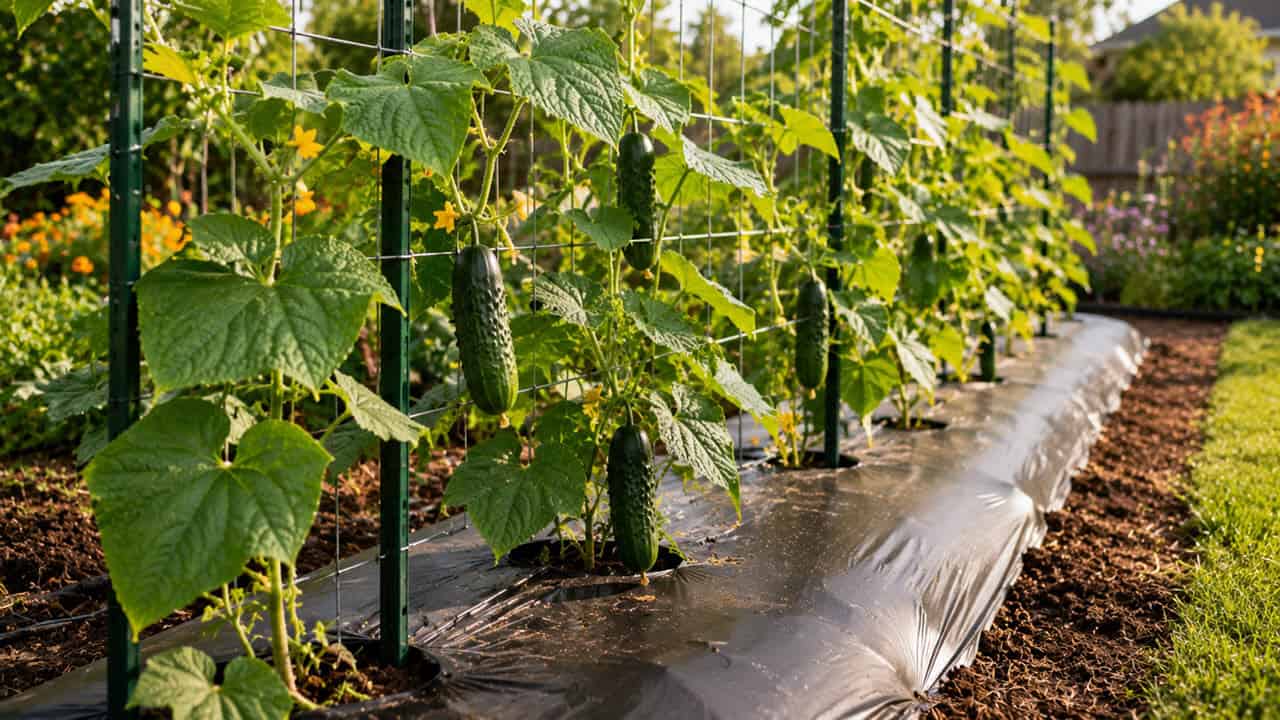
vegetable garden ideas

10 Vegetable Garden Layout Ideas