Green Roof Gardening: A Practical Guide for Homeowners

Green Roof Gardening

A roof is usually the biggest unused surface on a property. Green roof gardening turns that bare space into a living layer of plants that soaks up rain, cools the surface below and feeds pollinators. It sounds ambitious, but the basic idea is simple. In this guide, I’ll explain how green roofs work, what they … Read more >>
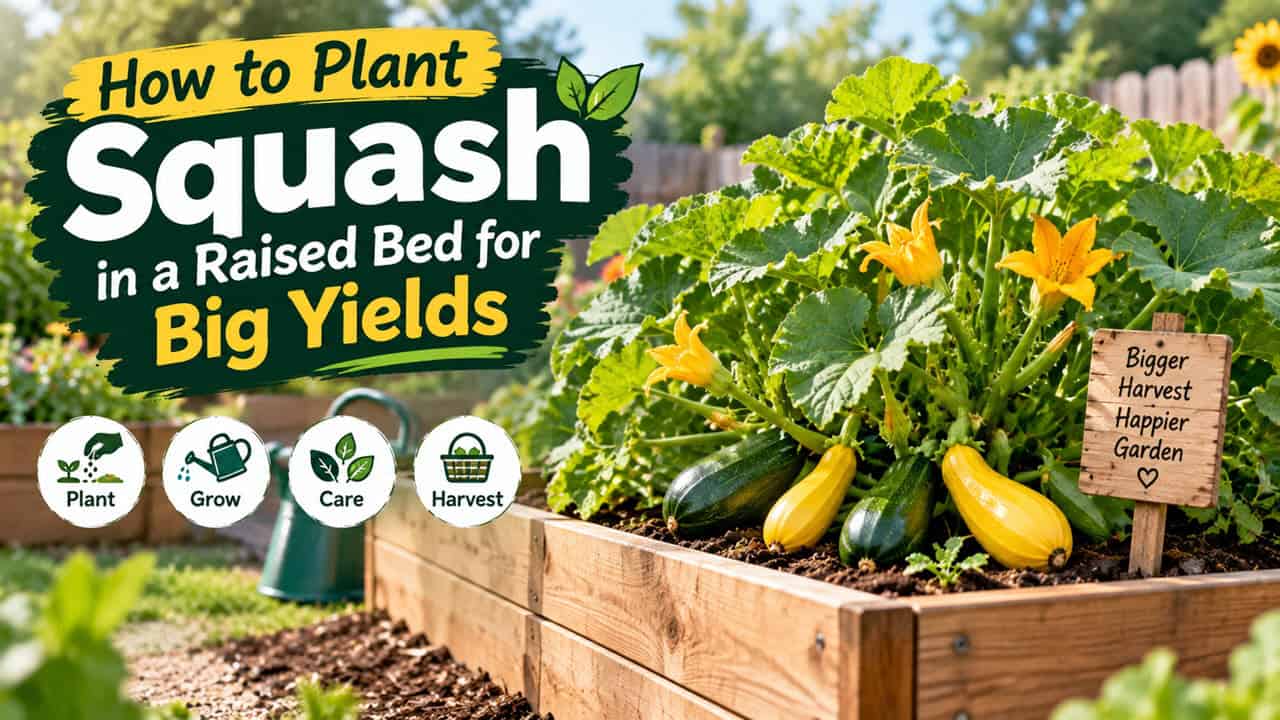
How to Plant Squash in a Raised Bed: Spacing, Soil and Support

Plant Squash in a Raised Bed for Big Yields

Squash is one of the most generous plants you can grow. It’s also one of the biggest. Learning how to plant squash in a raised bed lets you enjoy big harvests without giving up half your yard to sprawling vines. My advice is simple: pick the right type for your bed size, build rich soil, … Read more >>

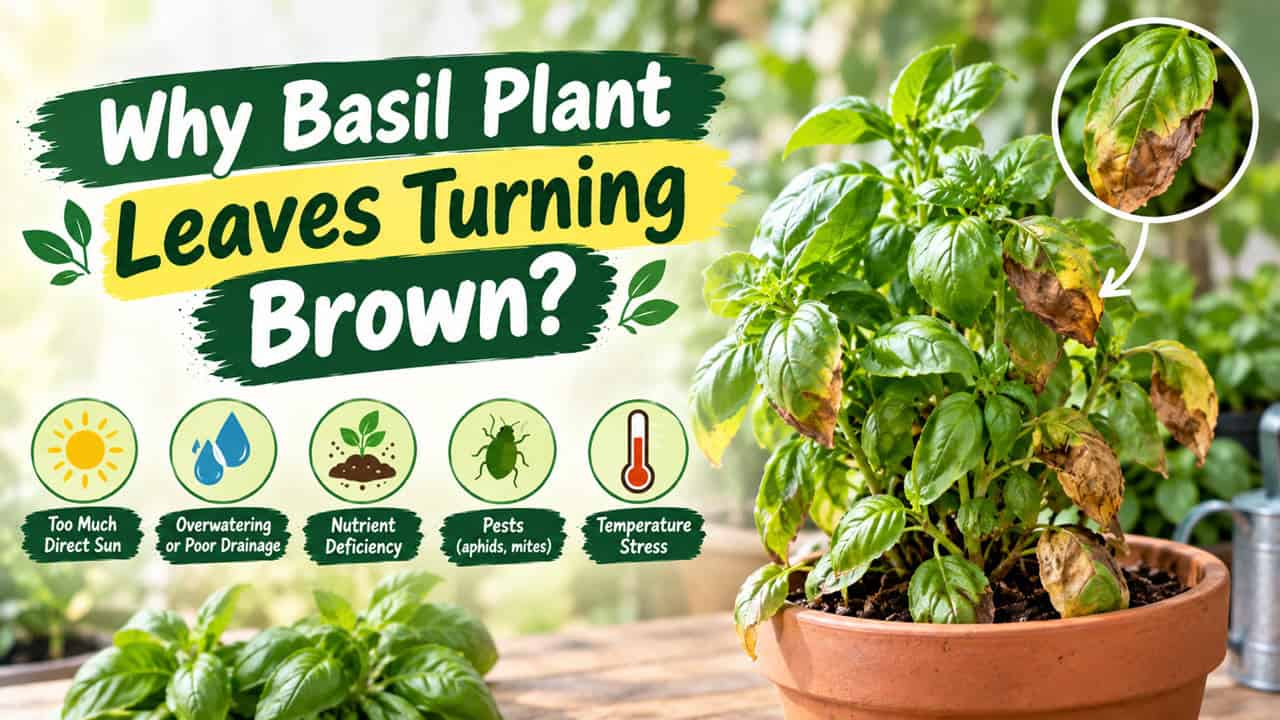
Why Are My Basil Leaves Turning Brown? Causes and Fixes

Why Basil Plant Leaves Turn Brown

Few things are more frustrating than reaching for fresh basil and finding brown, crispy, or mushy leaves instead. The good news is that basil leaves turning brown almost always point to a specific cause. Once you know what to look for, the fix is usually simple. In this guide, I’ll walk you through how to … Read more >>

Gardening Zones in New York: Zone Map and Frost Dates by Region

Gardening Zone New York

New York is a big, varied state for growing food. A tomato that thrives in Brooklyn in May could freeze solid in the Adirondacks the same week. That’s why knowing your gardening zone New York location and your local frost dates matters so much before you plant a single seed. In this guide, I’ll walk … Read more >>

Vertical Garden Ideas: Smart Ways to Grow More in Less Space

Vertical Garden Ideas

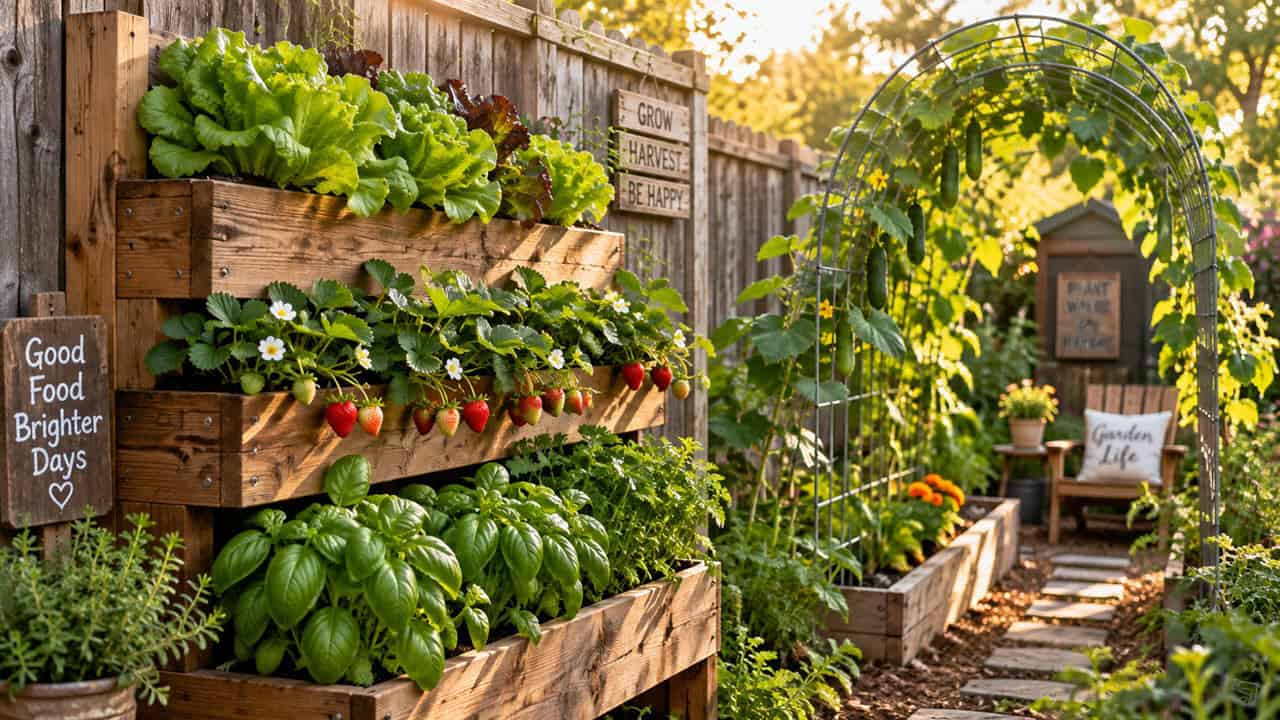
Short on ground space but still want fresh herbs, greens and tomatoes? Growing up instead of out is the simplest fix I know. These vertical garden ideas use walls, fences, railings and stairs-style shelving to fit more plants into less room. I’ll walk you through the setups that hold up in real backyards and balconies. … Read more >>

Do Oyster Plants Need a Lot of Water?

Do Oyster Plants Need a Lot of Water

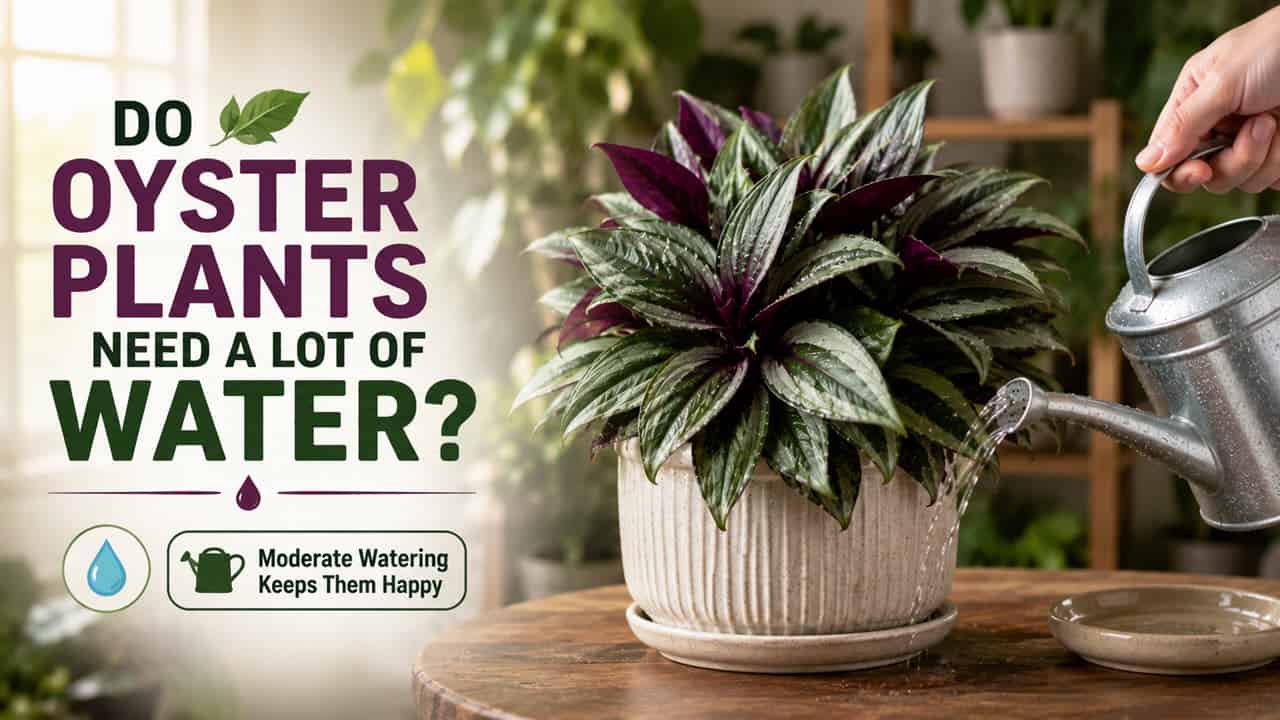
No, oyster plants don’t need a lot of water. I water mine only when the top inch of soil feels dry, which works out to about once a week in warm months and every 10 to 14 days in winter for most indoor pots. The oyster plant (Tradescantia spathacea) stores moisture in its thick leaves, … Read more >>

Why Are My Lotus Leaves Turning Yellow?

Leaves Turning Yellow

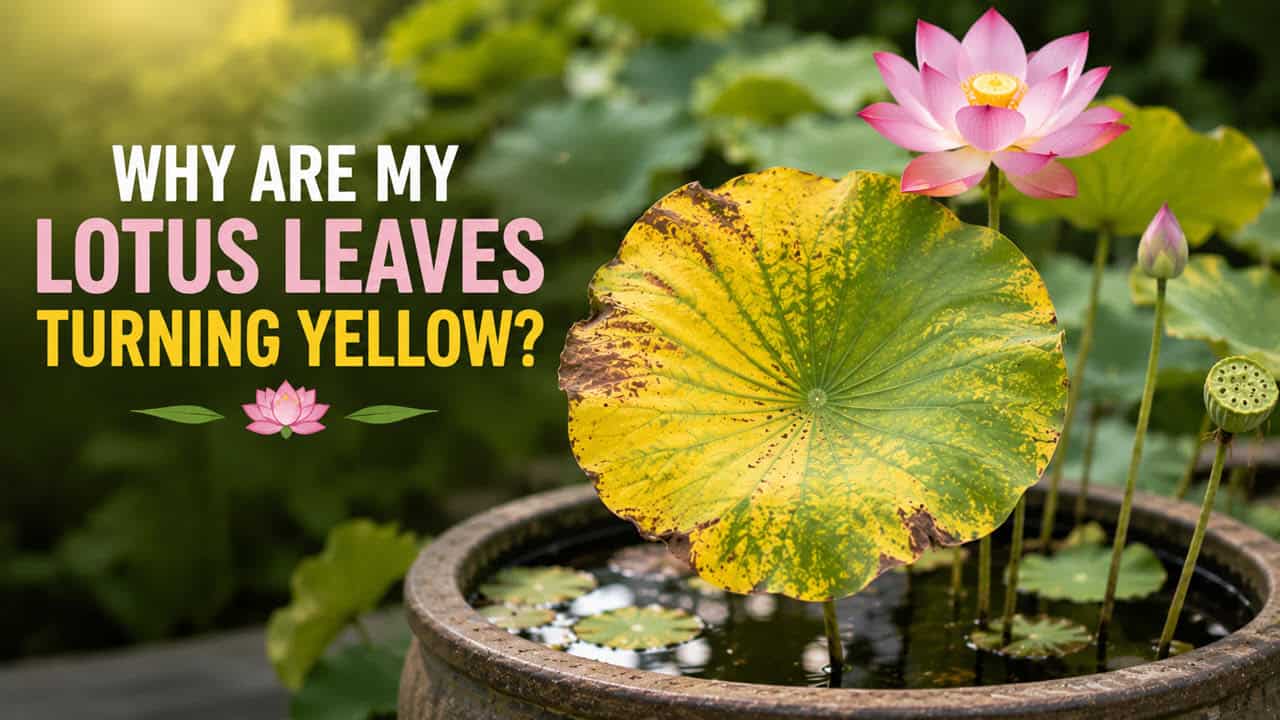
Most of the time, a few yellow lotus leaves are just old pads wearing out, and the plant is fine. When lotus leaves turn yellow, the most common causes are normal dieback of old floating leaves, hunger from too little fertilizer in midsummer, hot or low water, too little sun, and the natural slide into … Read more >>

Why Are My Lotus Leaves Turning Brown or Black?

Why Are My Lotus Plant Leaves Turning Brown

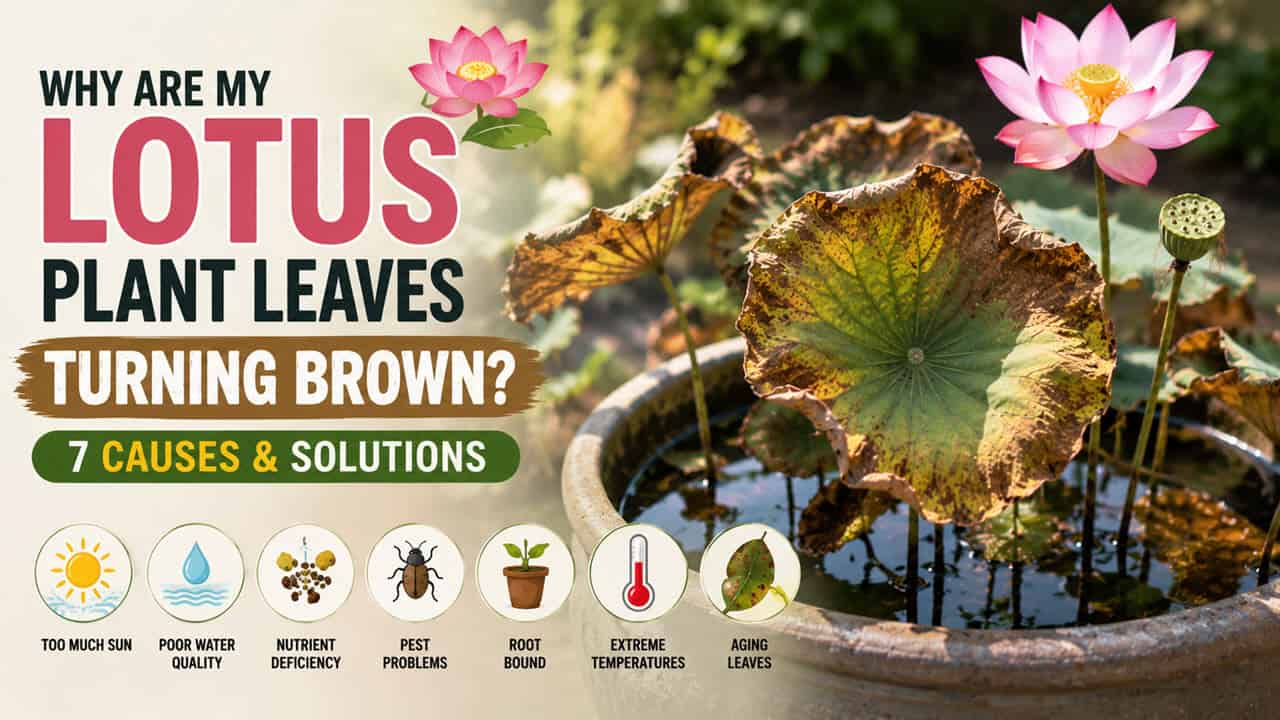
Brown or black lotus leaves almost always point to something in the plant’s surroundings: hot sun on young leaves, a dropping water level, fertilizer placed too close to the tuber, cold nights, or plain old age. When you see lotus leaves turning brown, check the pattern first: crispy edges mean heat or dry pots, spreading … Read more >>

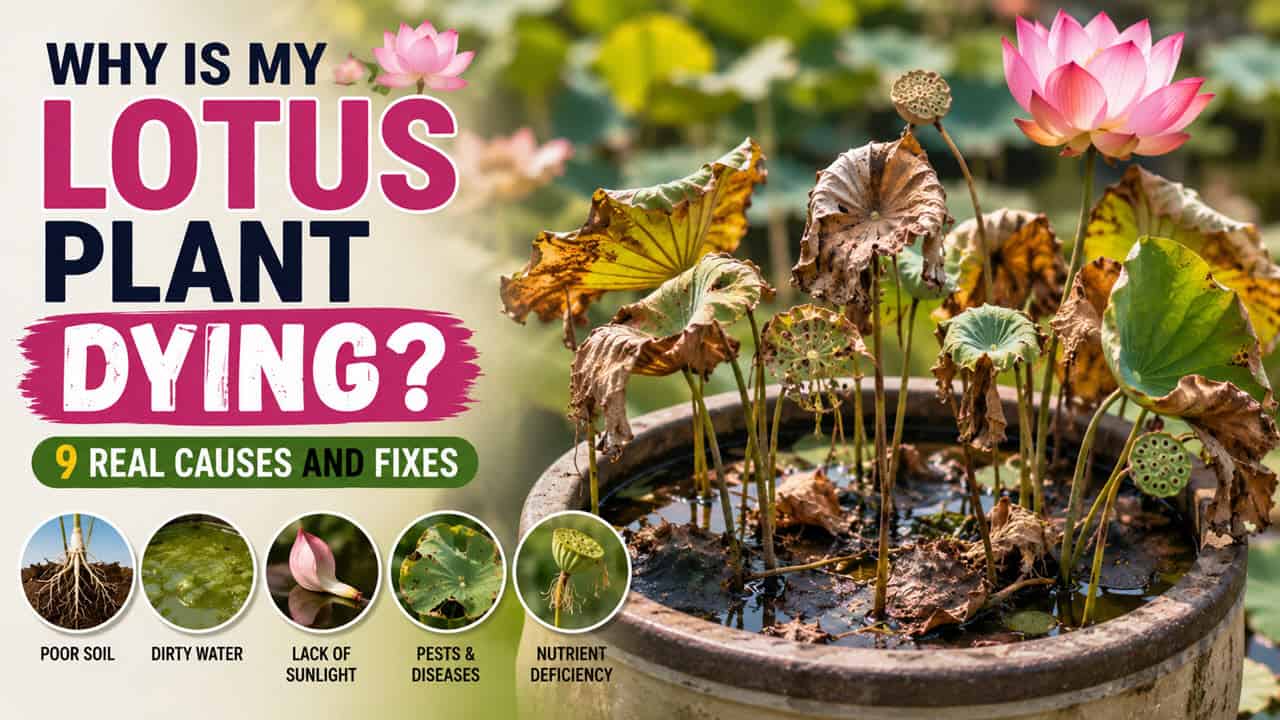
Why Is My Lotus Plant Dying? Real Causes and Fixes

Why Is My Lotus Plant Dying

A lotus that suddenly looks half-dead is a scary sight, especially after you’ve waited weeks for those big leaves to show up. The good news is that the part of the plant that matters most, the tuber, often stays alive long after the leaves look terrible. Most of the time, a dying lotus plant has … Read more >>

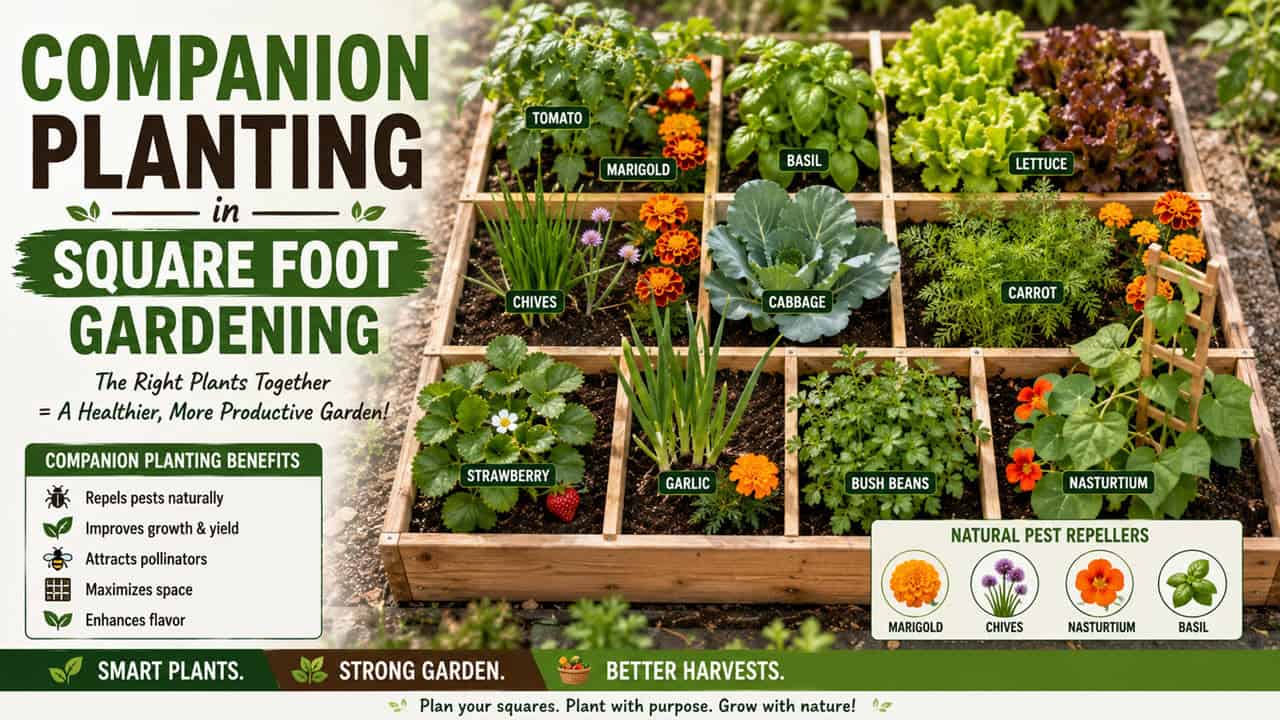
Companion Planting in Square Foot Gardening: Best Pairs

Companion Planting in Square Foot Gardening

Companion planting in a square foot bed comes down to a short list of proven neighbors. The pairings that work best are tomatoes with basil, carrots with onions, radishes with lettuce, and a few squares of marigolds, dill, or cilantro near cabbage-family crops, each kept in its own square with tall plants on the north … Read more >>