
Amaryllis is one of the easiest ways to get huge, bold flowers indoors in the middle of winter. A single bulb can push up a tall stalk topped with red, white, pink, or striped blooms in about two months, with very little help from you.
Good amaryllis care comes down to a few simple habits: pick a solid bulb, plant it snugly, water carefully, and give it a rest after the show is over.
In this guide, I’ll walk you through each step, from the day you bring the bulb home to the moment it blooms again next year.
Choosing an Amaryllis Bulb
Choose a firm, heavy bulb with no soft spots, mold, or deep cuts. Bigger bulbs produce more stalks and more flowers, so size is worth paying attention to.
Before we start, a quick note on names. The amaryllis sold for winter blooms is really Hippeastrum. The true Amaryllis belladonna is a different plant that blooms outdoors in late summer, so everything in this guide refers to Hippeastrum.
What a Healthy Bulb Looks and Feels Like
Pick up the bulb and give it a gentle squeeze. It should feel firm all over, like a good onion, and heavy for its size.
Skip any bulb with these warning signs:
- Soft or mushy spots, especially near the base
- Gray, white, or blue mold on the surface
- A shriveled, lightweight feel
- Dark, sunken patches or deep red streaks
- Roots that look black or slimy instead of pale and dry
A little loose, papery skin is normal. So is a short green tip poking out the top. That just means the bulb is ready to grow.
Why Bulb Size Matters
Amaryllis bulbs are sold by their circumference in centimeters. Larger bulbs, around 26 to 34 cm around, usually send up two or even three stalks. Smaller bulbs often make just one.
Each stalk carries 2 to 6 flowers. So a big bulb can mean twice the blooms of a small one for only a little more money.
| Bulb size (circumference) | Typical stalks | What to expect |
|---|---|---|
| Under 26 cm | Usually 1 | Fewer, sometimes smaller flowers |
| 26 to 30 cm | 1 to 2 | A solid display for most homes |
| 30 to 34 cm | 2 to 3 | The fullest show of blooms |
Supplies to Gather Before Planting
You don’t need much to get started. My advice is to have two things ready before the bulb arrives:
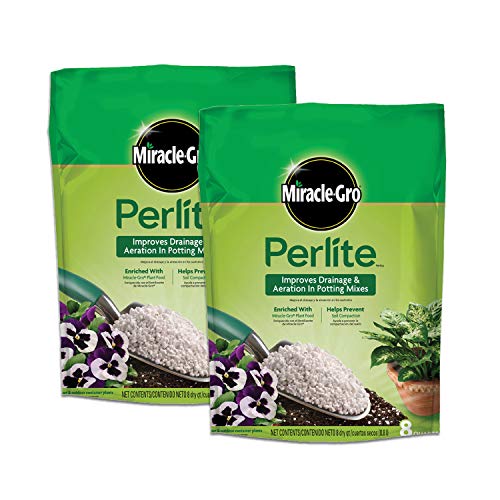
- A well-draining potting mix. A bagged indoor mix works well, especially with some extra perlite stirred in.
- A terracotta pot with a drainage hole. Clay is heavy enough to keep a top-heavy amaryllis from tipping over, and it lets the soil dry out a bit faster.
A small bamboo stake and soft plant tie are also handy later on. Tall stalks can lean once the flowers open.

How to Plant an Amaryllis Bulb
Plant your amaryllis in a snug pot just 1 to 2 inches wider than the bulb, with the top third to half of the bulb sitting above the soil. Firm the mix around it, water once, and then wait.
Pick the Right Pot
Amaryllis likes to be a little crowded. A pot only 1 to 2 inches wider than the bulb leaves about an inch of soil all the way around. That’s all it needs.

A big pot holds too much wet soil around the roots. That extra moisture is the fastest way to rot a bulb. Always use a container with drainage holes so extra water can escape.
For a 6-inch-wide bulb, a 7- or 8-inch pot is plenty. Taller pots work better than shallow ones, since the roots grow down more than out.
Use a Fast-Draining Mix
Amaryllis roots want moisture, but they hate sitting wet. A light, soilless potting mix with some perlite is ideal. If you want to fine-tune your blend, my guide to the best soil for indoor plants explains how to adjust drainage.

Skip garden soil. It packs down in a pot, holds water, and can carry pests indoors.
Set the Bulb at the Right Depth
This is the step people most often get wrong. Unlike tulips or daffodils, amaryllis should not be buried.
Here’s how I plant one:

- If the roots look dry, soak just the roots in lukewarm water for a few hours.
- Add a layer of mix to the bottom of the pot.
- Set the bulb in, pointy end up, with the roots spread out.
- Fill in around the sides until the top third to half of the bulb sits above the soil line.
- Press the mix down firmly so the bulb doesn’t wobble.
- Water lightly once, letting extra drain away.
Leaving the “shoulders” of the bulb exposed helps prevent rot. It also makes it easy to spot problems on the bulb surface.
Light, Water and Temperature
Give your amaryllis a warm spot, 70 to 75°F, in bright light, and water very little until the green flower stalk shows up. After that, water when the top inch of soil feels dry.

Bright Light for Strong Stalks
Amaryllis needs plenty of light to grow a sturdy stalk. A south- or west-facing window is a great spot while it’s growing, and it handles some direct sun well. You’ll find more sun-loving options in my list of indoor plants that like direct sunlight.
In low light, the stalk stretches tall and thin, then leans or flops. If your winter windows are dim, a grow light helps a lot. My roundup of the best grow lights for indoor plants covers what to look for.
Water Sparingly at First
After that first watering at planting, hold back. Until a green stalk appears, the bulb has few roots and can’t use much water. Wet soil now just invites rot.
I’d give it only a small splash every week or so, just enough to keep the mix from going bone dry. Once the stalk is a few inches tall, switch to regular watering.
From then on, water when the top inch of soil feels dry. Pour slowly until water drains from the bottom, then empty the saucer. Never let the pot sit in water.
| Growth stage | How to water |
|---|---|
| Just planted | Water lightly once |
| Before stalk appears | Barely, just to keep mix from drying out completely |
| Stalk and leaves growing | When top inch of soil is dry |
| In bloom | When top inch is dry; never leave water in saucer |
Warmth to Wake the Bulb
Warmth tells the bulb it’s time to grow. A spot that stays around 70 to 75°F gets things moving fastest. The top of a fridge isn’t ideal, but a warm room near a bright window is perfect.
At this temperature, most bulbs bloom in 6 to 8 weeks after planting. Some take as little as 4 weeks, while others need up to 10, depending on the variety and the bulb.
Keep the pot away from cold drafts, exterior doors, and heating vents. Big temperature swings slow growth and can stress the bulb.
Staking and Enjoying the Blooms
Rotate the pot every few days so the stalk grows straight, and add a stake if it gets tall. Once the flowers open, a cooler room and softer light help them last longer.
Keep the Stalk Straight
Amaryllis stalks lean hard toward the light. Turn the pot a quarter turn every two or three days, and the stalk will grow up instead of sideways.
Tall varieties can reach 18 to 24 inches. Once the buds swell, the top gets heavy. A thin bamboo stake pushed into the soil beside the bulb (not through it) gives good support.
Tie the stalk loosely with soft plant tape or twine in one or two spots. Tight ties can pinch or bruise the hollow stalk.
Make the Flowers Last
When the first buds begin to open, move the pot to a slightly cooler spot. A room near 65°F with bright, indirect light keeps the blooms fresh much longer than a warm, sunny window.
Each stalk carries 2 to 6 flowers, and they usually open over several days. A big bulb may send up a second stalk just as the first one fades, stretching the show even more.
A few more tips I follow:
- Keep watering when the top inch is dry.
- Snip off individual flowers as they wilt so the stalk looks tidy.
- Pinch out the yellow pollen anthers if pollen stains are a worry on tablecloths or clothing.
Popular Varieties to Try
Named varieties come in a wide range of colors and forms. Some well-loved options include:
- ‘Red Lion’ – classic deep red, great for the holidays
- ‘Apple Blossom’ – soft pink and white
- ‘Christmas Gift’ – large pure white flowers
- ‘Minerva’ – red petals with a white star center
- ‘Picotee’ – white petals edged in a thin red line
- ‘Double Dragon’ – full, double red flowers
Double-flowered types look extra lush. Smaller “miniature” types produce more stalks with smaller flowers.
Waxed Amaryllis Bulbs: What to Know
Waxed amaryllis bulbs come sealed in a colorful wax coating and need no soil or water at all. They bloom once in about 4 to 6 weeks, but they’re very hard to bring back for another year.
How Waxed Bulbs Work
An amaryllis bulb stores a full season of energy inside it. That’s why a waxed bulb can grow a stalk and flower with nothing added. The wax simply keeps moisture in and makes the bulb look decorative.
To care for one:
- Set it on a flat, stable surface or the stand that comes with it.
- Place it in bright light.
- Rotate it every few days so the stalk grows straight.
- Don’t water it. The wax blocks water anyway.
Most waxed bulbs bloom in 4 to 6