
Succulent care comes down to three things: strong light, a gritty mix that drains fast, and watering only when the soil is completely dry. Get those right and most succulents are some of the easiest houseplants you can grow.
Most beginner problems come from treating succulents like leafy tropical plants. In this guide, I’ll walk you through light, water, soil, pots, feeding, repotting, propagation and pests, so you know exactly what your plants want.
What Succulents Need to Thrive
Succulents need bright light, fast-draining soil and long dry spells between deep drinks. They store water in thick leaves and stems, so they handle neglect far better than they handle too much attention.
Where Succulents Come From
Most succulents grow wild in dry, bright places with rocky or sandy ground. Rain comes in bursts, then the soil dries out fast.
Their thick leaves and stems act like water tanks. That’s why a jade or echeveria can go weeks without water and still look plump.
Indoors, your job is to copy that pattern. Good succulent care means lots of light, a quick soak, then a long wait.
The Three Core Rules
If you only remember three things, make it these:
- Strong light: at least 4 to 6 hours of bright light a day.
- Gritty soil: a mix that drains in seconds and doesn’t stay damp.
- Soak and dry: water deeply, then wait until the soil is fully dry.
Almost every problem I see traces back to breaking one of these rules. Usually it’s water.
Two Supplies Worth Having
Before you bring home your first plant, pick up a bag of succulent mix. It’s a cactus and succulent blend that drains much faster than regular potting mix.
You’ll also want a few succulent pots with drainage holes. Unglazed terracotta is my favorite, since the clay pulls moisture out of the soil and helps it dry faster.
With those two items, you’re set up for success from day one. Everything else in this guide builds on that base.
Best Light for Succulents
Succulents need at least 4 to 6 hours of bright light daily, and a south or west window is the best spot in most US homes. Too little light makes them stretch, and too much sudden sun burns them.
How Much Sun Succulents Really Need
A south-facing window gives the most hours of sun. A west window gets strong afternoon light, which also works well for most succulents.
East windows give gentle morning sun. They suit lower-light types, but sun-hungry rosettes may stretch there over time.
Light changes with the seasons. In winter, short days and weak sun can leave even a south window too dim, especially in the Northeast, Midwest and Pacific Northwest.
Window glass cuts light too. A plant on the sill gets far more than one sitting a few feet back in the room.
| Window | Light quality | Good succulent fits |
|---|---|---|
| South | Most hours of sun | Echeveria, jade, aloe, cacti |
| West | Hot afternoon sun | Jade, aloe, most cacti |
| East | Gentle morning sun | Haworthia, gasteria |
| North | Low light | Not ideal; add a grow light |
Which Succulents Want the Most Light
Soft-leaved rosettes like echeveria want the brightest spot you have. In dim light, they lose their tight shape and pale out fast.

Jade and aloe also love strong light. My guide to jade plant care covers how sun brings out red leaf edges on a healthy jade.
Haworthia and gasteria are the exceptions. They tolerate lower light and can scorch in hot afternoon sun, so an east window suits them well.
If you want more sun-loving options beyond succulents, check my list of indoor plants that like direct sunlight.
Avoiding Sunburn and Using Grow Lights
Succulents raised in a store or greenhouse aren’t used to strong direct sun. Move them straight onto a hot sill and they can burn.
Sunburn shows up as white, brown or red scars on the leaves facing the window. Burned tissue won’t heal, though new growth will look fine.
To avoid it, acclimate plants over 1 to 2 weeks. Start in bright indirect light, then add an hour or two of direct sun every few days.
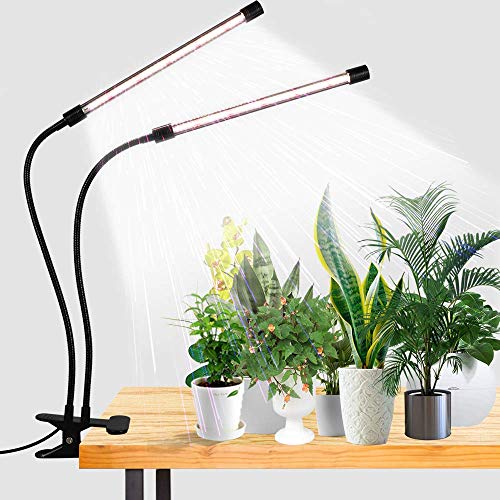
If your home is dark, a grow light solves the problem. Set it 6 to 12 inches above the plants and run it for 10 to 14 hours a day.
My roundup of the best grow lights for indoor plants explains what to look for in a light that fits your space.
How to Water Succulents
Water succulents using the soak-and-dry method: drench the soil until water runs out the drainage hole, then wait until it’s completely dry before watering again. In the growing season, that’s usually every 1 to 3 weeks.

The Soak-and-Dry Method
Pour water slowly over the soil until it flows freely out the bottom. This wets the whole root zone, not just the top inch.
Let the pot drain fully, and empty the saucer within 30 minutes. Succulents should never sit in standing water.

Then wait. Don’t water again until the soil is dry all the way down, not just on the surface.
Small sips every few days are a common mistake. They keep the top of the soil damp while leaving deeper roots thirsty.
How to Tell When Soil Is Dry
Push a finger or wooden skewer deep into the mix. If any damp soil clings to it, wait a few more days.
Lifting the pot also helps. A dry pot feels noticeably lighter than one that’s still holding water.

Timing depends on light, heat, pot size and pot material. A small terracotta pot in a sunny window dries much faster than a big plastic pot in a dim room.
| Condition | Typical watering interval |
|---|---|
| Spring and summer, bright window | Every 1 to 2 weeks |
| Spring and summer, lower light | Every 2 to 3 weeks |
| Winter dormancy | Every 3 to 6 weeks, or less |
| Just repotted | Wait about a week |
These are starting points, not a schedule. Always check the soil before you water.
Overwatering vs. Underwatering
Overwatering is the number one succulent killer. Watch for mushy, translucent, yellow or black leaves, often starting near the base.
Underwatering looks different. Leaves shrivel and wrinkle, but they plump back up within a day or two of a good drink.
My advice is to err on the dry side. A thirsty succulent recovers fast, while a rotting one often doesn’t.
Skip misting completely. It doesn’t reach the roots, and it leaves moisture sitting on the leaves, which can invite rot.
Soil, Pots and Drainage
Succulents need a gritty, fast-draining mix and a pot with a drainage hole. Aim for a cactus and succulent mix with extra perlite or pumice, so roughly 50 to 70 percent of the blend is mineral grit.
Building a Gritty Mix
Regular potting mix holds water too long for succulents. Roots sit damp for days, and that’s how rot starts.
A simple blend is 1 part potting mix to 1 part pumice, perlite or coarse sand. For extra-sensitive plants, push the grit closer to 70 percent.
Bagged succulent mix is a fine shortcut. Some still hold a lot of water, so I like to stir in extra perlite or pumice before using it.
Pumice is my first pick. It’s heavier than perlite, so it stays put and doesn’t float to the top over time.
Use only coarse sand, never fine play sand. Fine sand fills the gaps and actually slows drainage.
For a deeper look at mixes for every houseplant, see my guide to the best soil for indoor plants.
Choosing the Right Pot
A drainage hole isn’t optional. Without one, water collects at the bottom of the pot with nowhere to go.
Unglazed terracotta is the classic choice. The porous clay pulls moisture from the soil, so it dries out faster between waterings.
Plastic and glazed ceramic pots hold moisture longer. They can work, but you’ll need to water less often and use an extra-gritty mix.
Pot Size and Drainage Traps
Pick a pot only slightly wider than the root ball. A pot that’s too big holds extra soil the roots can’t reach, and it stays wet too long.
Decorative cachepots without holes are a common trap. If you use one, lift the inner pot out after watering and pour off any water below.
Skip the layer of gravel at the bottom of the pot. It doesn’t improve drainage and can actually keep water closer to the roots.
| Pot material | Drying speed | Best use |
|---|---|---|
| Unglazed terracotta | Fast | Most succulents, rot-prone plants |
| Glazed ceramic | Slow | Use with extra-gritty mix |
| Plastic | Slow | Nursery pots, very bright and hot spots |
Temperature, Humidity and Feeding
Most succulents grow well between 60 and 80°F, like normal dry indoor air, and need only light feeding 2 to 3 times during the growing season. Skip fertilizer completely in winter.

Temperature Ranges and Cold Protection
Typical household temperatures suit succulents well. They also handle cooler nights, which can bring out red and pink tones in some types.
Most succulents aren’t frost-hardy. If you summer them outdoors, bring them inside before nights drop be