
Lettuce is one of the most rewarding crops you can put in a home garden. It grows fast, takes up little space, and gives you fresh salads weeks before your tomatoes even think about ripening.
If you’ve wondered how to grow lettuce that stays sweet and crisp instead of bitter and tough, the secret comes down to timing, moisture, and a little shade.
In this guide, I’ll walk you through everything from picking seeds to cutting your first leaves.
You’ll learn when to sow, how far apart to space plants, how to keep them from bolting, and how to harvest for weeks on end. Let’s get your salad bowl filled.
Choosing Lettuce Varieties and Seeds
The best lettuce for your garden depends on your climate, your patience, and how you like to eat it. Loose-leaf types are the easiest and fastest, while head types take longer but reward you with dense, crunchy centers.
The Four Main Types of Lettuce
Lettuce falls into four broad groups. Each one has its own texture, flavor, and growing timeline.
- Loose-leaf: Leaves grow in a loose rosette with no head. Varieties like ‘Black Seeded Simpson’, ‘Red Sails’, and ‘Oakleaf’ are quick and forgiving.
- Romaine (cos): Tall, upright heads with crunchy ribs. ‘Parris Island’ and ‘Little Gem’ are classic choices.
- Butterhead: Soft, buttery leaves that form a loose head. Try ‘Buttercrunch’ or ‘Bibb’.
- Crisphead: Tight, round heads like iceberg. These are the trickiest and need the longest stretch of cool weather.
My advice for beginners is to start with loose-leaf. It’s ready sooner and handles small mistakes well.
Matching Varieties to Your Climate
If you live where spring turns hot fast, choose varieties known for heat tolerance and slow bolting. Many romaine and loose-leaf types hold up better in warm spells than crisphead types.
Gardeners in cooler regions have more freedom. Crisphead and butterhead varieties thrive where temperatures stay mild for weeks.
Red-leaf varieties often tolerate a bit more sun and heat. They also add gorgeous color to beds and salad plates.
Buying Seeds and Starting Supplies
Good lettuce seeds are the foundation of a good crop. Look for fresh seeds packed for the current year, since lettuce seed loses vigor faster than many other vegetable seeds.
Store leftover seed packets in a cool, dry place. A sealed jar in the refrigerator works well and keeps them viable longer.
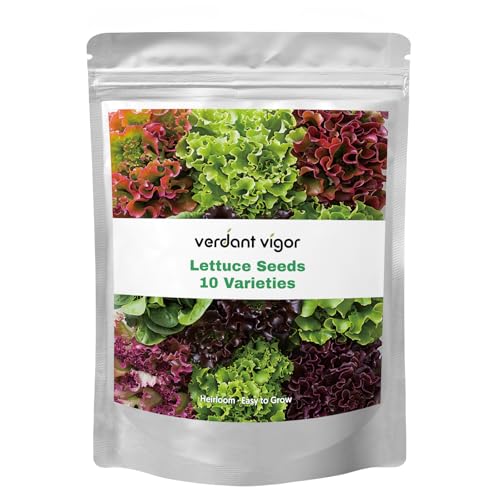
If you want a head start, a seed starting tray lets you grow seedlings indoors before transplanting. It’s especially handy for head types, which benefit from a few extra weeks of growth.
You can also skip soil entirely and learn how to grow lettuce hydroponically if you’d like a year-round indoor setup.
| Type | Days to Maturity | Difficulty | Best For |
|---|---|---|---|
| Loose-leaf | About 45 days (baby leaves in 3 to 4 weeks) | Easy | Beginners, cut-and-come-again |
| Romaine | 50 to 70 days | Easy to moderate | Caesar salads, crunch |
| Butterhead | 50 to 70 days | Moderate | Soft, sweet leaves |
| Crisphead | 50 to 70 days or more | Challenging | Cool, long springs |
When to Plant Lettuce
Plant lettuce in early spring, 2 to 4 weeks before your last spring frost, and again in late summer for a fall crop. It’s a cool-season vegetable that loves mild weather and struggles in heat.
Spring Planting
Lettuce handles light frost well, so you can sow it early. Aim for 2 to 4 weeks before your area’s average last frost date.
Once the soil can be worked and isn’t soggy, you’re ready. Seeds will sprout in soil as cool as 40°F, though they’re slower at that temperature.
If you’re planning your whole garden calendar, my guide on when to plant vegetables helps you line up lettuce with everything else.
Succession Sowing for a Steady Supply
One big planting gives you a flood of lettuce all at once. Then it bolts, and you’re left with nothing.
Instead, sow a short row every 2 weeks. This keeps fresh, young plants coming along as older ones finish.
- Sow a small amount every 2 weeks through spring.
- Stop spring sowings when daytime highs start pushing toward 80°F.
- Resume sowing in late summer for fall.
Fall Planting
Fall lettuce is often the sweetest of the year. Cool nights and shorter days slow bolting and bring out great flavor.
Sow fall lettuce 6 to 8 weeks before your first expected frost. Late summer soil can be hot, so sow in a shaded spot or water often to keep seeds cool.
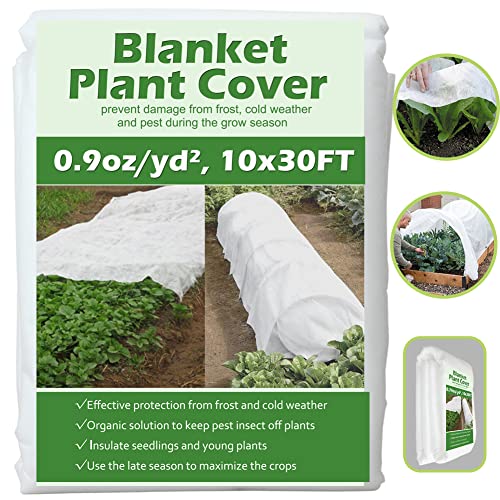
Mature lettuce can take a light frost, but a hard freeze will damage leaves. Read up on protecting plants from frost so you can stretch your harvest weeks longer with row covers or cold frames.
| Planting Window | Timing | Notes |
|---|---|---|
| Early spring | 2 to 4 weeks before last frost | Tolerates light frost |
| Succession | Every 2 weeks | Stop before steady 80°F days |
| Fall | 6 to 8 weeks before first frost | Often the sweetest crop |
Sowing and Spacing Lettuce
Sow lettuce seeds shallowly, about 1/4 inch deep, because they need light to germinate. Then thin seedlings to 4 to 6 inches for leaf types and 8 to 12 inches for head types.
Sowing Seeds Directly in the Garden
Lettuce seeds are tiny, so it’s easy to bury them too deep. Cover them with only about 1/4 inch of fine soil or compost.
Seeds sprout in 2 to 10 days in soil between 40 and 80°F. The fastest, most even germination happens at 60 to 70°F.
Keep the seedbed moist until sprouts appear. A gentle sprinkle every day or two keeps the surface from crusting over.
- Rake the bed smooth and remove clods.
- Scatter seeds thinly in rows or wide bands.
- Press lightly so seeds make good contact with soil.
- Water with a gentle spray to avoid washing seeds away.
Starting Seeds Indoors and Transplanting
Starting indoors gives you a jump on the season. Sow seeds in trays about 4 weeks before you plan to transplant.

Before moving seedlings outside, harden them off. Set them outdoors for a few hours a day, increasing exposure over about a week.
Transplant on a cloudy day or in the evening. This reduces shock and helps roots settle in.
Thinning for Healthy Plants
Crowded lettuce stays small and is more prone to rot. Thinning gives each plant room for air, light, and roots.
Thin leaf types to 4 to 6 inches apart. Thin head types like romaine and crisphead to 8 to 12 inches apart.
Don’t toss the thinnings. Snip them at soil level with scissors and toss them into a salad as microgreens.
| Lettuce Type | Seed Depth | Final Spacing |
|---|---|---|
| Loose-leaf | 1/4 inch | 4 to 6 inches |
| Butterhead | 1/4 inch | 8 to 12 inches |
| Romaine | 1/4 inch | 8 to 12 inches |
| Crisphead | 1/4 inch | 8 to 12 inches |
Sun, Soil and Temperature
Lettuce needs 4 to 6 hours of sun, rich soil with a pH of 6.0 to 7.0, and temperatures between 60 and 70°F. Give it afternoon shade once the weather warms.
How Much Sun Lettuce Needs
Lettuce is one of the few vegetables that doesn’t demand full sun. Four to six hours of direct light is enough for good growth.
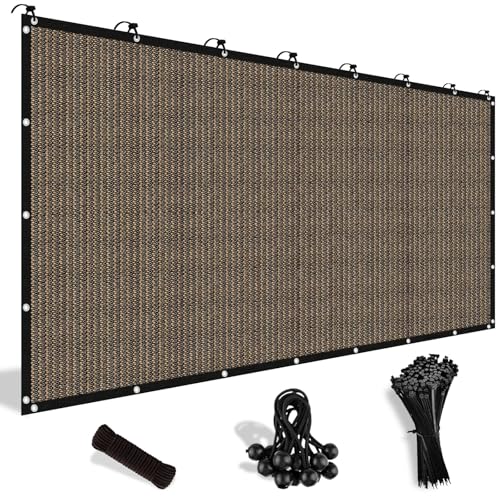
In spring and fall, full sun is fine. Once days heat up, afternoon shade keeps leaves tender and slows bolting.
That makes lettuce a natural pick for those partly shaded spots that frustrate tomatoes and peppers. It belongs on any list of shade tolerant vegetables, as long as it still gets a few hours of direct light.
Preparing the Soil
Lettuce grows fast, so it needs loose, fertile soil. Work a generous layer of compost into the top several inches before planting.
Aim for a soil pH between 6.0 and 7.0. A simple home soil test kit will tell you where you stand.
Good drainage matters too. Lettuce wants steady moisture, but soggy soil invites rot and disease.
- Mix in 2 to 3 inches of compost.
- Remove rocks and roots from the top layer.
- Avoid compacted ground; loosen it with a garden fork.
Ideal Temperature Range
Lettuce grows best at 60 to 70°F. In this range, leaves stay sweet, crisp, and tender.
Once days stay above about 80°F, lettuce tends to bolt. It sends up a flower stalk, and the leaves turn bitter.
Light frost won’t hurt established plants. In fact, a touch of cold can make leaves taste even sweeter.
Watering, Mulching and Feeding
Keep lettuce evenly moist with about 1 inch of water a week, mulch lightly, and feed with compost. Steady moisture is the single biggest factor in sweet, crisp leaves.

Watering Lettuce the Right Way
Lettuce has shallow roots, so the top few inches of soil dry out quickly. Aim for about 1 inch of water a week, more in hot or windy weather.
Water at the base of plants in the morning. This gives leaves time to dry and lowers the risk of disease.
Drought stress makes lettuce bitter and pushes it to bolt. Check the soil often by pressing a finger an inch down. For more on watering techniques, see my guide on how to water a vegetable garden.
Mulching to Keep Soil Cool
A light layer of mulch holds moisture and keeps the soil cool. That’s exactly what lettuce loves.
Use fine mulch like shredded leave