
Jade plants are famous for outliving their owners. A well-kept Crassula ovata can grow for decades, and plenty of American families have a jade that started on a grandparent’s windowsill and keeps getting passed down.
Good jade plant care comes down to three things: give it at least four hours of direct sun, water deeply only after the soil dries out, and grow it in a fast-draining cactus mix in a pot with a drainage hole. Get those right and the rest is fine-tuning.
Most jades that die indoors don’t die from neglect. They die from too much water and too little light. Once you know how to read the leaves, stems and soil, you can keep yours compact and glossy for years.
Jade Plant Care at a Glance
Jade is a slow, tough succulent that wants bright sun, dry soil between drinks, and a light hand with food. The table below covers its basic needs, and the section after it explains what kind of plant you’re growing. If you are stocking up, a good potting mix is the first thing I would pick up.
Light, Water, Soil, Temperature, and Feeding
| Need | What jade wants |
|---|---|
| Light | South or west window, 4+ hours of direct sun |
| Water | Soak, then let soil dry; about monthly in winter |
| Soil | Cactus/succulent mix in a drainage pot |
| Temperature | 65 to 75°F; keep above 50°F |
| Food | Half-strength succulent fertilizer, spring and summer only |
| Pets | Toxic to cats and dogs |
I’d tape a copy of this near your plant for the first year. Every problem in this article traces back to one of these rows.
What Kind of Plant Is Jade?
The jade plant (Crassula ovata) is a succulent shrub native to southern Africa. It stores water in thick, oval leaves and woody stems, which is why it handles dry indoor air so well.
You’ll also see it sold as a money plant or lucky plant. Indoors it grows slowly, about two inches a year, but it can reach 3 to 6 feet tall over time.
With age, the trunk thickens and the plant takes on the look of a small tree.
Light: Why Sun Makes or Breaks a Jade
Sun decides whether your jade grows into a sturdy little tree or a floppy, stretched-out plant. Give it a sunny window with several hours of direct light, and learn to read its leaf color, because the plant tells you quickly when the light is wrong.
Where Should You Put an Indoor Jade Plant?
My first pick is a south-facing window. A west-facing window is a close second. Aim for at least four hours of direct sun a day, and more is fine for an established plant.
East windows work in a pinch, but the morning sun alone often isn’t enough in the Northeast or Pacific Northwest during winter. North windows don’t give enough light for a healthy jade.
If your home is dark, a grow light run about 12 hours a day fills the gap. Rotate the pot a quarter turn every couple of weeks so the plant grows evenly instead of leaning toward the glass.
If you like sun-hungry houseplants, these indoor plants that like direct sunlight pair well with jade in the same window.
What Do Red Edges, Leggy Stems, and Scorched Leaves Mean?
Each light problem has its own signal:
- Red leaf edges: A healthy stress response to strong sun. It’s harmless, and many growers love the look. Red margins fade when the plant moves to a shadier spot and deepen with more light.
- Leggy, stretched stems: Too little light. Gaps between leaves grow longer, and branches get weak and floppy.
- Pale or very dark green leaves: Also a low-light sign. Here’s more on jade leaves turning dark green.
- Brown or bleached patches: Sunburn, almost always from moving a plant from dim light into hot sun too fast.
Red edges mean things are going well. Brown, crispy patches mean you need to back off and increase light gradually.
The Soak-and-Dry Watering Method
Water a jade thoroughly, let the excess drain, and then leave it alone until the soil has dried out. This copies how jade gets water in the wild: a heavy rain followed by a long dry spell.
The biggest threat is root rot, which starts when roots sit in wet soil for days.
To water, pour slowly over the soil until water runs out the drainage hole. Empty the saucer after about 15 minutes so the pot never sits in a puddle. Keep water off the leaves when you can.
How Can You Tell When the Soil Is Dry Enough?
Skip the calendar and check the soil. I use these tests:
- Finger test: Push a finger into the soil up to the second knuckle. A common rule is to water once at least the top inch of soil is dry, and I’d wait for two inches on larger pots.
- Weight test: Lift the pot right after watering, then again a week later. A light pot means dry soil.
- Wooden skewer: Slide it to the bottom. If it comes out with damp soil stuck on it, wait.
- Leaf check: Slightly soft, wrinkled leaves mean it’s thirsty. Mushy, swollen leaves mean too much water.
If you’re unsure, wait a few more days. A thirsty jade bounces back fast, and a rotting one often doesn’t.
How Should Watering Change with the Seasons?
Jade grows in spring and summer and slows down in fall and winter, so its water needs swing a lot:
- Spring and summer: Every 1 to 2 weeks in most homes, once the soil dries.
- Fall: Stretch the gaps as days shorten.
- Winter: About once a month. Big, established jades in cool rooms may need even less.
Your region shifts this too. A jade in a dry Southwest home or near a heater dries out faster than one in a humid Southeast house.
For a detailed schedule by pot size and season, see my guide on how often to water a jade plant.
Soil, Pots, and Drainage
Jade needs loose, gritty, well-draining soil and a pot with a hole in the bottom. Pick a mix that dries quickly and a pot that’s wide and heavy enough to hold a top-heavy plant upright.
Which Potting Mix Drains Well?
The easiest option is a bagged cactus or succulent soil mix. It’s lighter and grittier than regular potting soil and dries out much faster.
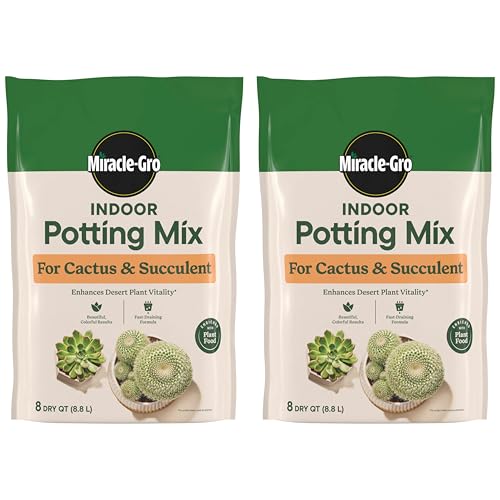
If you only have all-purpose potting mix, stir in perlite or pumice. A ratio of two parts potting mix to one part perlite works well. I’d add a handful of coarse sand for extra weight in pots that tip.
Avoid garden soil and moisture-control potting mixes. Both hold water far too long for a succulent. Jade prefers a slightly acidic to neutral pH, and most succulent mixes already land in that range.
What Pot Size and Material Work Best?
Unglazed terracotta is my top choice. Clay pulls moisture out of the soil and lets it dry faster, and its weight helps keep a heavy jade from falling over.

For size, choose a pot only slightly wider than the root ball. A 4- or 6-inch pot suits most young plants. Oversized pots hold extra wet soil the roots can’t use, which invites rot.
As your jade grows, pick wide, shallow-to-medium-depth pots with a heavy base. A drainage hole isn’t optional. Never plant a jade in a cachepot with no hole.
Temperature and Humidity
Jade is happy at normal household temperatures and dry indoor air. It needs protection from cold, drafts, and frost, and it does fine at average humidity between 30% and 50%.
What Indoor Temperatures Suit Jade?
Keep daytime temperatures around 65 to 75°F. Jade likes slightly cooler nights and winters, down to about 55°F, and that cool rest helps it bloom.
Keep it away from heating vents, radiators, and air conditioner blasts. Sudden swings stress the plant and can cause leaf drop. Skip misting, since jade doesn’t need extra humidity and wet leaves can encourage fungus.
How Cold Is Too Cold?
Don’t let a jade sit below 50°F for long. It has no frost tolerance, and freezing temperatures turn leaves mushy and black within hours.
In winter, pull the pot a few inches back from cold glass at night, especially in the Northeast and Midwest.
Jade can live outdoors year-round only in USDA Zones 10 to 11, such as coastal Southern California, South Florida, and parts of Arizona with mild winters.
Feeding, Pruning, and Shaping Your Jade
Jade needs very little food and benefits from a yearly trim. Feed lightly in the growing season, prune in spring, and save the cut pieces to start new plants.
When Should You Fertilize?
Feed only in spring and summer, when the plant is putting out new leaves. I use a liquid fertilizer made for cacti and succulents, mixed at half strength, about once a month.

Stop feeding in fall and winter. A resting plant can’t use the nutrients, and salts build up in the soil. Too much nitrogen also causes soft, floppy growth that ruins the tree shape.
After repotting, wait at least a month before feeding so you don’t burn fresh roots. White crust on the soil or leaves is a sign of salt buildup; flush the pot with plain water and feed less.
How Do You Prune Jade into a Little Tree?
Prune from spring to early summer, when the plant recovers fastest. Wait until a jade is at least a year old, and never remove more than 20 to 30% of its branches at once.
Here’s how I’d shape it:
- Clean your tools. Wipe sharp pruners with rubbing alcohol.
- Remove dead or damaged growth. Cut dry or spotted branches back to where they meet the trunk.
- Pick a trunk. Choose the strongest stem and remove low side branches to show off a bare trunk.
- Cut back leggy branches. Trim just above a brown ring (leaf node). Two new shoots usually sprout below the cut.
- Pinch the tips. Pinch off the newest tiny leaves at branch ends to push growth outward.
Cuts callus over within a few days. Keep the plant in bright light afterward, and new shoots appear in a few weeks.
Can You Grow a New Jade from Pruned Stems?
Yes, and jade is one of the easiest plants to start from stem cuttings. Use pieces 3 to 4 inches long from healthy branches.
Set cuttings in a warm, dry spot for several days until the cut end forms a callus. Then push them into dry succulent mix and wait about a week before watering lightly. Roots form in a few weeks.
Single leaves root too, though they take longer. My step-by-step guide to propagating jade from cuttings covers both methods.