
A Venus flytrap looks exotic, but it isn’t fussy once you understand what it wants. Good Venus flytrap care comes down to four things: bright sun, pure water, poor soil, and a cold winter rest.
Most flytraps that die in our homes get the opposite of at least one.
In this guide, I’ll walk you through light, water, soil, feeding, and dormancy. I’ll also cover the problems you’re most likely to see and how to fix them. Follow these basics and your plant can live for many years.
What a Venus Flytrap Is and Where It Comes From
The Venus flytrap (Dionaea muscipula) is a carnivorous plant that grows wild only in a small stretch of coastal bogs in North and South Carolina. It’s a native American plant, not a tropical one, and that shapes almost every care rule.
A Plant Built for Poor Soil
In the wild, flytraps grow in wet, sandy, acidic ground that holds almost no nutrients. Plants there can’t pull much nitrogen from the soil. So the flytrap evolved a different trick: it catches insects and digests them for the nutrients its roots can’t find.
That’s why rich soil and fertilizer hurt it. Its roots are built for lean ground, and minerals and nutrients that feed a pothos will burn a flytrap.
How the Traps Work
Each trap is a modified leaf with two hinged lobes. Tiny trigger hairs sit on the inside surface. When an insect touches two hairs in quick succession, or one hair twice, the trap snaps shut in a fraction of a second.
The trap then seals tight and releases digestive juices. Over 5 to 12 days, it breaks down the soft parts of the insect. Afterward, it reopens and leaves the dry shell behind.
Supplies You’ll Want on Hand
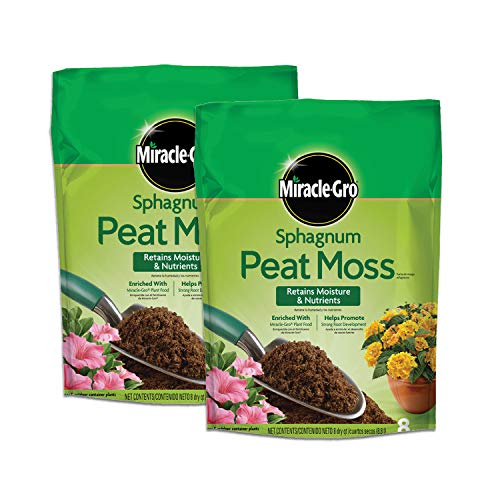
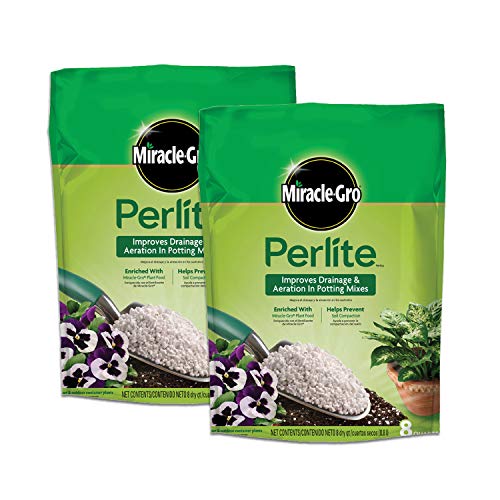
Before you bring a flytrap home, I’d pick up two things. The first is unfertilized sphagnum peat moss, which gives you the acidic, low-nutrient base these plants need. The second is perlite, which keeps the mix airy so roots don’t suffocate.
You’ll also want a gallon jug of distilled water and a plastic pot with drainage holes. With those in hand, you’re ready for nearly everything else in this guide.
Best Light for a Venus Flytrap
A Venus flytrap needs at least 4 to 6 hours of direct sun every day, and more is better. If you can’t give it that, a strong full-spectrum grow light running 12 to 14 hours a day is the next best choice.
Why Sun Matters So Much
Flytraps grow in open bogs with almost no shade. They photosynthesize hard, and that energy fuels new traps. Low light is one of the top reasons indoor flytraps slowly fade.

A well-lit flytrap has short, sturdy leaves and traps that often blush red inside. That red color is a good sign. It usually means the plant is getting plenty of sun.
Signs Your Flytrap Needs More Light
Low light shows up in the leaves first. Here’s what to look for:
- Long, thin, floppy leaves that lie flat or stretch upward.
- Small traps, or traps that stay green with no red inside.
- Slow growth and few new traps.
- Traps that close slowly or not at all.
If you see these, move the plant somewhere brighter. Make the change over about a week so the leaves don’t scorch.
Best Spots Indoors and Out
In my view, flytraps grow best outdoors from spring through fall in most of the US. A sunny porch, deck, or patio gives them the full sun they crave. Bring them in only if temperatures will drop below the ranges I cover later.
Indoors, a south-facing window is your best bet, with a west window as second choice. East and north windows rarely give enough light.
In that case, my guide to the best grow lights for indoor plants can help you pick a strong full-spectrum light. Set it close to the plant, usually a few inches to a foot above the leaves.
| Light setup | Hours per day | Result |
|---|---|---|
| Full sun outdoors | 6+ | Best growth, red traps |
| South or west window | 4 to 6 | Good growth |
| East or north window | Under 4 | Weak, floppy leaves |
| Full-spectrum grow light | 12 to 14 | Good growth indoors |
The Right Water for a Venus Flytrap
Use only distilled water, rainwater, or reverse-osmosis water. Tap water and bottled mineral water carry dissolved minerals that build up in the soil and slowly kill the plant.
Why Tap Water Is a Problem
Wild flytraps drink rainwater that has filtered through nearly pure sand and peat. Their roots can’t handle the calcium, salts, and other minerals in most tap water. These minerals pile up with every watering until the roots burn.
The damage is slow, which fools people. A plant can look fine for weeks, then start blackening all at once. Bottled “spring” or “mineral” water causes the same problem, so check labels and stick with distilled.

The Tray Method
My advice is to use the tray method during the growing season. Set the pot in a saucer or tray and keep about an inch of water in it. The soil wicks moisture up from below and stays evenly damp.
Let the tray go dry for a short time now and then, then refill it. That brief dry spell lets a little air back into the lower soil. The goal is soil that is always damp but never left drying out completely.
Keeping Soil Damp, Not Dry
A flytrap should never dry out fully. Dry peat shrinks, pulls away from the pot, and becomes hard to rewet. Roots can die within days in bone-dry soil.
In hot summer weather, check the tray every day or two, since it can empty fast in full sun. During winter dormancy, you can skip the standing tray but still keep the soil damp to the touch.
| Water type | Safe for flytraps? |
|---|---|
| Distilled water | Yes |
| Rainwater | Yes |
| Reverse-osmosis water | Yes |
| Tap water | No |
| Bottled spring or mineral water | No |
| Softened water | No |
Soil and Pots for a Venus Flytrap
Plant your flytrap in a nutrient-poor, acidic mix of 1 part unfertilized sphagnum peat moss and 1 part perlite or silica sand. Long-fiber sphagnum moss on its own also works. Never use regular potting soil, compost, or fertilizer.
Why Regular Potting Mix Fails
Most houseplant mixes contain fertilizer, compost, lime, or wetting agents. Those make sense for foliage plants. For a flytrap, they’re like poison, burning the roots and souring the plant.
My guide to the best soil for indoor plants explains how ingredients like peat, perlite, and bark change a mix. Flytraps sit at the extreme end of that scale. They want only the plain, unfed parts.
Mixing Your Own Flytrap Soil
Making flytrap mix is simple. Here’s how I’d do it:
- Measure 1 part unfertilized sphagnum peat moss.
- Add 1 part perlite or silica sand.
- Moisten the mix with distilled water and stir until it feels like a damp sponge.
Read every bag label. Skip any peat with added fertilizer, and avoid beach or play sand, which can carry salts and minerals. Only washed silica sand is safe.
Choosing the Right Pot
Use a plastic or glazed ceramic pot with drainage holes. Skip unglazed terracotta, since clay can leach minerals into the soil over time. Plastic also holds moisture well, which flytraps like.

Size matters more than most people expect. Flytrap roots grow long, so pick a pot at least 4 to 5 inches wide and 6 to 8 inches deep. A tall, narrow pot works better than a wide, shallow one.
| Pot or mix choice | Good for flytraps? |
|---|---|
| Plastic pot with drainage holes | Yes |
| Glazed ceramic pot with drainage holes | Yes |
| Unglazed terracotta | No |
| Peat and perlite, 1:1 | Yes |
| Long-fiber sphagnum | Yes |
| Regular potting mix or compost | No |
How and What to Feed a Venus Flytrap
Outdoors, a flytrap catches all the insects it needs. Indoors, feed one live or freshly killed insect about once every 1 to 2 weeks per actively growing plant. You don’t need to feed every trap.
What to Feed
Good food choices are small, soft insects and spiders. These work well:
- Flies
- Small spiders
- Small crickets
- Mealworms
The bug should be smaller than about a third of the trap. If it’s too big, the trap can’t seal tight. Bacteria get in, and the trap rots and turns black.
Never feed hamburger, cheese, or any human food. These rot inside the trap and can harm the plant.
How to Feed an Indoor Flytrap
Live insects are easiest, since their struggling triggers the trap to seal and digest. With a freshly killed insect, drop it into an open trap. Then gently touch the trigger hairs a few times, or squeeze the closed trap lightly, to mimic movement.
Once the trap seals, leave it alone. It needs 5 to 12 days to digest. It will reopen when it’s done, and you can brush away the empty shell.
Don’t Trigger Traps for Fun
It’s tempting to poke traps to watch them snap. Please don’t. Each trap can only close a limited number of times, usually around 3 to 7, before it dies.
Every empty snap burns energy the plant needs for growth. A trap closed on nothing reopens in a day or so, but it’s one closing closer to the end. Also skip fertilizer entirely, since flytraps get their nutrients from insects, not from the soil.
Winter Dormancy
From about Novemb