
Snake plants have a reputation for being nearly impossible to kill, so it’s alarming when you spot your snake plant leaves turning yellow. The good news is that yellowing almost always has a clear cause.
Most of the time you can fix it once you know what to look for.
In this guide, I’ll walk you through how to read the yellowing, which problems cause it, and exactly how to save your plant. If you want the full picture beyond troubleshooting, my guide to snake plant care covers everything from light to repotting.
Read the Yellowing Pattern
Where and how the yellow shows up tells you most of what you need to know. Soft yellow at the base points to water problems, while crispy tips, pale patches, or one old outer leaf point elsewhere.
What the Leaf Feels Like
Start by gently squeezing a yellow leaf. A soft, mushy, or squishy leaf almost always means too much water and possibly root rot.
A thin, wrinkled, or curling leaf usually means the plant is thirsty. A firm leaf with a pale or bleached patch often points to sunburn.
Where the Yellow Starts
Yellowing that starts at the soil line and moves upward is a classic sign of overwatering. Yellow-brown tips that dry out and turn crispy usually come from underwatering or fertilizer burn.
Yellow that shows up on just one or two old outer leaves is often natural aging. Yellow speckling or stippling across the leaf surface can mean pests.
Tools That Help You Diagnose
My advice is to keep a soil moisture meter on hand. Snake plants should be watered only when the soil is completely dry, and a meter lets you check deep in the pot without guessing.
The pot matters too. A terracotta pot with drainage holes lets extra water escape and helps the soil dry faster, which is exactly what this plant wants.

| Symptom | Likely Cause |
|---|---|
| Soft, mushy, yellow at the base | Overwatering or root rot |
| Wrinkled, curling, yellow-brown tips | Severe underwatering |
| Bleached or pale patches | Sunburn after a sudden move |
| Mushy, translucent, or darkened after a chill | Cold damage |
| Speckling, webbing, cottony spots | Spider mites or mealybugs |
| Crispy brown tips, white crust on soil | Fertilizer burn |
| One old outer leaf fading slowly | Natural aging |
Overwatering and Root Rot
Overwatering is the most common reason for snake plant leaves turning yellow. When roots sit in soggy soil, they can’t get oxygen, they start to rot, and the leaves turn soft and yellow from the base up.

Signs of Too Much Water
Overwatered snake plants show a few telltale signs. Look for:
- Yellow leaves that feel soft or mushy, especially near the base
- Leaves that lean, droop, or flop over
- Soil that stays damp for more than a week after watering
- A sour or rotten smell coming from the pot
- Dark, slimy spots where the leaf meets the soil
If you see more than one of these, assume the roots need attention. Waiting usually makes rot spread.
Why Snake Plants Rot So Easily
Snake plants store water in their thick leaves and rhizomes. They’re built to handle drought, not constant moisture.
Dense potting soil, pots without drainage holes, and cold or dim conditions all keep the soil wet longer. Low light combined with wet soil is a particularly bad mix, since the plant uses water very slowly.

Soil and Pot Problems
Regular potting mix often holds too much water for this plant. A cactus or succulent mix drains faster and gives the roots air.
If you’re unsure what to buy, my roundup of the best soil for indoor plants explains which mixes suit succulents and which hold moisture. Pairing gritty soil with a pot that drains well solves most overwatering trouble.
Underwatering and Thirsty Leaves
Underwatering can cause yellowing too, but it takes a long dry stretch. Severely thirsty snake plants get wrinkled, curling leaves with yellow-brown, crispy tips.
How to Spot a Thirsty Plant
Underwatered leaves look different from overwatered ones. They feel thin and leathery rather than mushy.
Common signs include:
- Wrinkles or deep folds running along the leaf
- Leaves curling inward lengthwise
- Dry, yellow-brown tips that feel crispy
- Soil pulling away from the sides of the pot
- A pot that feels very light when you lift it
How Long Is Too Long Between Waterings
Snake plants usually need water every 2 to 4 weeks in spring and summer. In winter, monthly or less is typical.
Those are only starting points. Always check that the soil is completely dry before you water, then water deeply so it runs out the drainage holes.
Reviving a Dried-Out Plant
If the soil is bone dry and hard, water slowly so it actually soaks in. Bottom watering also works well: set the pot in a tray of water for about 20 to 30 minutes, then let it drain fully.
Wrinkled leaves often plump back up within a week or two. Crispy brown tips won’t recover, but you can trim them off for looks.
Light, Cold and Sunburn
Snake plants tolerate low light but grow best in medium to bright indirect light. Yellowing from light or temperature usually comes from cold drafts, sudden harsh sun, or dim spots where the soil stays wet too long.

Low Light and Slow Drying
Low light alone rarely turns leaves yellow. The trouble is that a plant in a dim corner uses very little water, so the soil stays wet for weeks.
If your plant lives in low light, water much less often. Better yet, move it closer to a window with bright indirect light.
Cold Damage
Snake plants like temperatures between 60 and 85°F. Cold damage starts below 50°F.
Chilled leaves may turn yellow, look translucent or water-soaked, and then turn mushy. Keep your plant away from drafty doors, cold windows in winter, and air conditioning vents, and never leave it outside on cold nights.
Sunburn After a Sudden Move
Snake plants can handle some direct sun once adjusted. Moving one straight from a dim room into hot direct sun is a different story.
Sunburn shows up as bleached, pale, or yellowish patches, sometimes with brown, crispy edges. Move the plant back to bright indirect light, then introduce more sun gradually over a couple of weeks.
| Condition | Ideal Range | Problem Sign |
|---|---|---|
| Light | Medium to bright indirect | Bleached patches in sudden direct sun |
| Temperature | 60 to 85°F | Damage below 50°F |
| Winter watering | Monthly or less | Soggy soil, yellow base |
Pests, Fertilizer and Old Leaves
If water, light, and temperature all check out, look at pests, feeding habits, and leaf age. These causes are less common but easy to rule out.
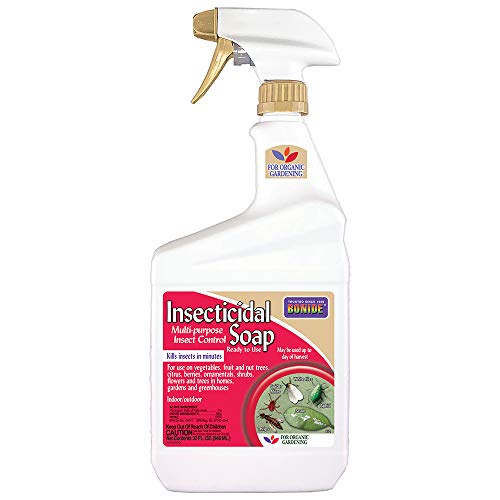
Mealybugs and Spider Mites
Mealybugs look like small cottony white tufts, often tucked where the leaves meet or near the base. Spider mites are tiny and leave fine speckling, dull patches, and sometimes delicate webbing.
Both suck sap from the leaves, which causes yellowing over time. Wipe mealybugs off with a cotton swab dipped in rubbing alcohol, and isolate the plant from your other houseplants.
For mites specifically, my guide to spider mites on indoor plants walks through the full treatment.
Fertilizer Burn
Snake plants are light feeders. Too much fertilizer builds up salts in the soil and burns the roots.
Signs include yellow or brown leaf tips and a white crust on the soil surface. Flush the pot with plenty of plain water and let it drain completely.
Going forward, feed at half strength only 1 to 3 times in spring and summer, and never in winter.
Natural Aging
Every plant loses old leaves eventually. If one outer leaf slowly yellows while the rest of the plant looks firm and healthy, it’s likely just age.
You don’t need to treat this. Simply remove the leaf once it’s mostly yellow to keep the plant tidy.
How to Save a Yellowing Snake Plant
To save a yellowing snake plant, fix the cause first, then remove leaves that won’t recover. For overwatering with root rot, that means unpotting, trimming rot, and repotting in dry, gritty mix.

Root Rot Rescue Step by Step
If leaves are mushy at the base, act quickly. Here’s what I recommend:
- Slide the plant out of its pot and shake off the wet soil.
- Inspect the roots. Healthy roots are firm and pale; rotten ones are brown or black, mushy, and may smell bad.
- Trim away all mushy roots and mushy leaves with clean, sharp scissors or a knife.
- Let the cut surfaces dry and callus for about a day.
- Repot in fresh, dry cactus or succulent mix in a pot with drainage holes.
- Wait about a week before watering so the cuts can heal.
Clean your tools before and after. Don’t reuse the old soil.
Propagating Healthy Leaf Sections
Sometimes the rot reaches th