
A rubber plant can turn an empty corner into a statement. Its big, glossy leaves catch the light, and a healthy one can grow taller than you.
Good rubber plant care comes down to a few basics: bright light, careful watering, and a little pruning at the right time.
In this guide, I’ll cover the popular varieties, plus light, water, soil, feeding, and pruning for a fuller shape. You’ll also learn how to propagate your plant, fix common problems, and keep pets safe.
What a Rubber Plant Is and Its Popular Varieties
The rubber plant (Ficus elastica) is a large-leaved fig from South and Southeast Asia. Indoors, it grows into a tall, glossy houseplant that often reaches 6 to 10 feet.
Where the Rubber Plant Comes From
In its native range, Ficus elastica grows into a huge tree. Indoors, the pot and lower light keep it much smaller. It’s still a fast, upright grower that can reach the ceiling in a few years with good conditions.
The plant gets its name from the milky white sap inside its stems and leaves. That latex sap was once used to make rubber. Keep it in mind, because it matters for pruning and pet safety later on.
New leaves unfurl from a colorful sheath at the stem tip. On many plants, that sheath is red or pink. It falls off once the leaf opens.
Popular Rubber Plant Varieties
Most garden centers carry a few common types. They share the same basic care, with small differences in light needs.
- Burgundy: Deep red-black leaves with a glossy finish. It’s one of the darkest and most dramatic varieties.
- Tineke: Green leaves splashed with cream variegation. New growth often has a pink blush.
- Ruby: Variegated leaves with cream and pink tones. The pink gets stronger in brighter light.
- Robusta: A sturdy green type with larger, rounder leaves. It’s a good pick for beginners.
| Variety | Leaf color | Light needs |
|---|---|---|
| Burgundy | Dark red-black | Bright, indirect |
| Tineke | Green with cream variegation | Brighter, indirect |
| Ruby | Cream, green, and pink | Brighter, indirect |
| Robusta | Solid green, rounder leaves | Bright, indirect |
Two Products I’d Have on Hand
Before you bring a rubber plant home, pick up a good potting mix made for indoor plants. A bag with perlite or bark already in it saves you a step. You can always stir in extra perlite yourself.
I’d also grab a simple moisture meter. Rubber plants grow in deep pots, and the top of the soil can feel dry while the roots stay wet. A meter takes the guesswork out of watering and helps prevent root rot.

Best Light for a Rubber Plant
A rubber plant grows best in bright, indirect light. It can handle some gentle morning sun, but low light leads to leggy stems and dropped leaves.
What Bright, Indirect Light Looks Like
Bright, indirect light means the room is well lit for most of the day, but harsh sun doesn’t hit the leaves directly. A spot a few feet from an east-facing window is ideal.
A south- or west-facing room works too, as long as a sheer curtain filters the strongest rays.
An hour or two of soft morning sun is fine. It can even help the plant stay compact and colorful. Hot afternoon sun through glass is another story. It can scorch the leaves and leave pale or brown patches.
Signs of Too Little Light
Rubber plants survive in dim rooms for a while, but they don’t thrive. Watch for these signs:
- Long gaps between leaves on the stem
- Smaller new leaves
- Lower leaves yellowing and dropping
- Stems leaning hard toward the window
- Variegated leaves turning more solid green
If you notice these, move the plant closer to a window. Rotate the pot a quarter turn every week or two so all sides get light and the stem grows straight.
Light for Variegated Types and Dark Rooms
Variegated varieties like Tineke and Ruby need more light than solid green or Burgundy types. The cream and pink parts of the leaf have less chlorophyll, so the plant needs extra light to make up for it. In low light, they may lose their contrast.
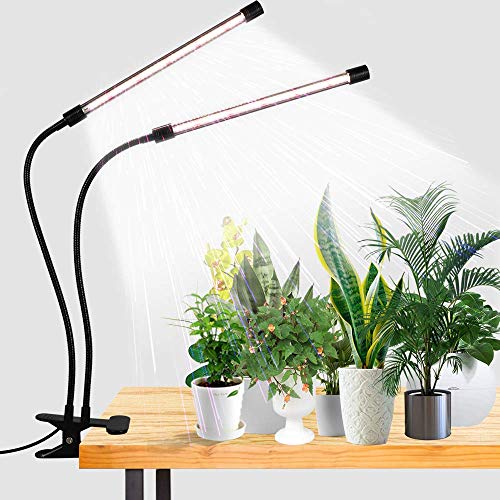
If your home is short on natural light, a grow light can fill the gap. My guide to the best grow lights for indoor plants explains what to look for.
A full-spectrum light set a foot or two above the plant for 10 to 12 hours a day works well.
How to Water a Rubber Plant
Water a rubber plant when the top 2 inches of soil are dry. For most homes, that works out to every 1 to 2 weeks, with less water in winter.

How to Tell When It Needs Water
Push a finger into the soil up to the second knuckle. If it feels dry at that depth, it’s time to water. If it’s still cool and damp, wait a few more days.
A moisture meter helps with big pots, where the lower soil can stay wet much longer. Check it in the middle of the root zone, not right at the edge.
Lifting the pot is another clue, since wet soil weighs a lot more than dry soil.
Timing changes with the seasons. In spring and summer, the plant grows fast and drinks more. In fall and winter, growth slows down, so you might water every 2 to 3 weeks.
How to Water the Right Way
When you water, soak the soil thoroughly. Pour slowly until water runs out of the drainage hole. This wets the whole root ball and flushes out built-up salts.
Then let the pot drain completely. Empty the saucer or cachepot within about 30 minutes. A rubber plant left sitting in standing water will develop soggy roots fast.
Room-temperature water is best. Cold water straight from the tap can shock the roots, especially in winter.
Signs of Overwatering and Underwatering
Overwatering is the most common mistake I see with rubber plants. It cuts off air to the roots and can lead to root rot. Underwatering is less dangerous but still causes damage.
| Problem | Signs |
|---|---|
| Overwatering | Yellow, drooping lower leaves that drop; soft stems; musty soil smell; root rot |
| Underwatering | Crispy brown leaf edges; curling or drooping leaves; soil pulling away from the pot |
Drooping can mean either too much or too little water. Always check the soil before you grab the watering can. If you’re not sure what’s going wrong, my guide on why your houseplant is dying walks through the most common causes.
Soil, Pots and Repotting
A rubber plant needs a well-draining potting mix with perlite or bark, in a pot with drainage holes. Repot every 2 years or so in spring, going up about 2 inches in pot size.
The Right Soil Mix
Rubber plants like soil that holds some moisture but drains quickly. An all-purpose indoor potting mix works well with extra perlite stirred in. I use about 3 parts potting mix to 1 part perlite.
For large plants, a little orchid bark helps too. It keeps the mix loose and airy, even after months of watering.
Avoid garden soil, which packs down in pots and stays wet. You can read more about the best soil for indoor plants if you want to mix your own.
Choosing a Pot
The pot matters as much as the soil. It must have at least one drainage hole. Without one, water collects at the bottom and the roots rot.
Plastic, glazed ceramic, and terracotta all work. Terracotta dries faster, which helps if you tend to overwater. Plastic and glazed pots hold moisture longer, which suits warm, bright rooms.
Tall rubber plants can get top-heavy. A heavier pot, or one with a wide base, keeps the plant from tipping over.
When and How to Repot
Rubber plants like being slightly root-bound. They don’t need a new pot every year. Repot about every 2 years, or when roots poke out of the drainage hole or circle the bottom.
Spring is the best time, since the plant is starting a growth spurt. Choose a pot only about 2 inches wider than the old one. A pot that’s too big holds extra wet soil around the roots.
To repot, gently slide the plant out and loosen any circling roots. Set it in fresh mix at the same depth it grew before. Water well and keep it out of strong sun for a week while it settles.
If your plant is already as tall as you want, you can refresh it instead of sizing up. Trim a little off the outer roots, add fresh mix, and return it to the same pot.
Temperature, Humidity and Feeding
Rubber plants are comfortable at 60 to 80°F with average household humidity. Feed them a balanced liquid fertilizer once a month in spring and summer.

Temperature and Drafts
Most homes fall right in the rubber plant’s com