
Philodendrons are some of the most forgiving houseplants you can grow. They handle average home conditions, bounce back from small mistakes, and reward you with lush, glossy leaves.
Good philodendron care comes down to a few basics: the right light, careful watering, and an airy soil mix.
In this guide, I’ll walk you through everything you need to know. You’ll learn which types to grow, how to water and feed them, how to prune and propagate, and how to fix common problems before they get serious.
Popular Types of Philodendron
Philodendrons fall into two main groups: vining types that trail or climb, and self-heading types that grow upright from a central base. All of them belong to the Araceae family, so their basic needs are very similar.
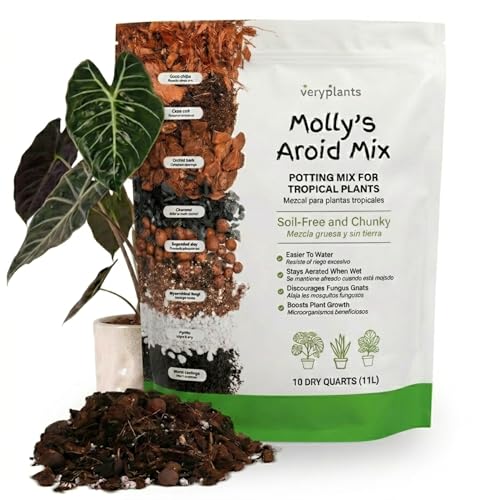
Before you pick a variety, set yourself up with two simple tools. A chunky aroid potting mix gives the roots the air they crave. A soil moisture meter takes the guesswork out of watering, especially if you’re new to houseplants.
Vining Types: Heartleaf, Brasil and Pink Princess
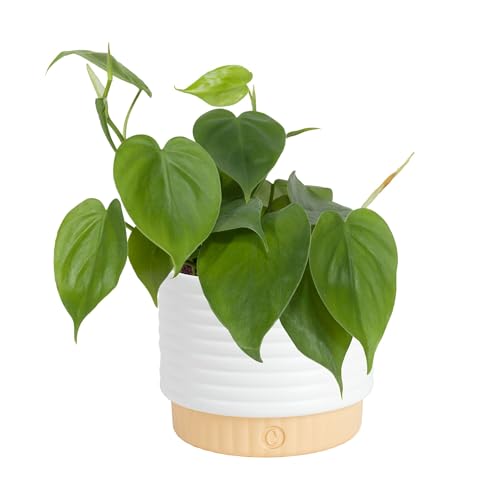
The heartleaf philodendron is the classic vining type. It has soft, heart-shaped green leaves and grows fast on long stems. It’s perfect for shelves, hanging baskets or a simple trellis.
Brasil is a heartleaf cultivar with a bright lime or yellow stripe down the center of each leaf. The variegation is different on every leaf, which makes it fun to watch. It needs slightly brighter light than plain green heartleaf to keep its color.
Pink Princess is a climbing philodendron with dark leaves splashed in bubblegum pink. The pink sections have no chlorophyll, so the plant needs bright, indirect light to stay healthy. It grows best with something to climb, like a moss pole.
Upright Types: Birkin
Birkin is a compact, self-heading philodendron. Its dark green leaves are marked with fine cream or white pinstripes. It stays small enough for a desk or tabletop, which makes it a great pick for apartments.
The stripes can shift as the plant matures. Some leaves show more white, and some show less. Bright, indirect light helps keep the pattern strong.
Tree Philodendron (Selloum)
The tree philodendron is usually sold as Philodendron selloum. Botanists now call it Thaumatophyllum bipinnatifidum. It has huge, deeply lobed leaves and can grow several feet wide indoors.
You’ll often see it labeled “split-leaf philodendron.” Be careful here. Monstera deliciosa is also sold under that name, but it’s a different plant. If you love bold foliage, selloum belongs on any list of indoor plants with big leaves.
| Type | Growth Habit | Leaf Look | Best Spot |
|---|---|---|---|
| Heartleaf | Vining | Green, heart-shaped | Shelf, hanging basket |
| Brasil | Vining | Green with lime stripe | Bright shelf or trellis |
| Pink Princess | Climbing | Dark with pink patches | Bright room, moss pole |
| Birkin | Upright, compact | Dark with white pinstripes | Desk or tabletop |
| Tree philodendron (selloum) | Upright, large | Deeply lobed | Floor near a bright window |
Light Needs
Philodendrons grow best in bright, indirect light. They tolerate lower light, but they grow slower and look less full.
What Bright, Indirect Light Looks Like
Bright, indirect light means the room is well lit, but the sun doesn’t shine straight onto the leaves for long. A spot a few feet from an east- or west-facing window works well. A south-facing window with a sheer curtain is also a good choice.
A gentle morning sun is usually fine. Hot afternoon sun is the one to watch out for.
Signs of Too Much or Too Little Light
Harsh direct sun scorches philodendron leaves. You’ll see pale, bleached patches or crispy brown spots. If that happens, move the plant back from the window or filter the light.
Low light causes the opposite problem. The plant gets leggy, with long gaps between leaves. New leaves come in smaller, and variegated types like Brasil and Pink Princess lose their color.
- Too much light: faded, yellowish or scorched leaves
- Too little light: leggy stems, small leaves, weak variegation
- Just right: steady growth and full-size, well-colored leaves
Using Grow Lights
If your home doesn’t get much natural light, a grow light makes a big difference. Full-spectrum LED lights work well for philodendrons. Keep them on for about 12 hours a day and place them close enough to give strong, even light.
My advice is to start with a simple setup and adjust as you watch the plant respond. For specific ideas, check out my guide to the best grow lights for indoor plants.
Watering Philodendron
Water your philodendron when the top 1 to 2 inches of soil are dry. Then water thoroughly until it drains from the bottom of the pot.

How to Check the Soil
The simplest test is your finger. Push it into the soil up to the second knuckle. If it feels dry, it’s time to water. If it’s still damp, wait a few more days.
A soil moisture meter helps if you’re unsure. It’s especially useful for large pots, where the top can be dry while the bottom stays wet.
How to Water the Right Way
Water slowly and evenly over the whole soil surface. Keep going until water runs out the drainage holes. This soaks the root ball and flushes out salt buildup from fertilizer.

Empty the saucer after about 15 minutes. Never let the pot sit in standing water. Soggy roots lead to root rot, which is the fastest way to lose a philodendron.
- Always use a pot with drainage holes
- Use room-temperature water
- Water deeply, then let the top inch or two dry out
- Skip watering on a schedule; check the soil first
Adjusting for the Seasons
Philodendrons drink more in spring and summer, when they’re actively growing. In warm, bright months, you may need to water about once a week. Bigger plants in sunny spots can need it more often.
In winter, growth slows down and the plant uses less water. You may only need to water every 2 to 3 weeks. Keep the plant away from heaters and cold drafts, too. I cover this in detail in my guide to watering philodendron in winter.
| Season | Typical Frequency | What to Watch |
|---|---|---|
| Spring | About every 7 to 10 days | New growth starting |
| Summer | About every 5 to 7 days | Faster drying in heat |
| Fall | About every 10 to 14 days | Growth slowing down |
| Winter | Often every 2 to 3 weeks | Check soil first; avoid soggy roots |
Soil and Potting Mix
Philodendrons need a chunky, airy, well-drained mix. Their roots want oxygen as much as moisture, so heavy, dense soil is a problem.
The Ideal Philodendron Mix
A good basic recipe is roughly equal parts potting mix, orchid bark and perlite. The potting mix holds moisture. The bark and perlite create air pockets and help water drain freely.
You can also add some coco coir. It holds moisture without packing down like peat-heavy soil can. Aim for a pH of about 5.5 to 7.0, which most houseplant mixes already fall into.
| Ingredient | What It Does | Approx. Share |
|---|---|---|
| Potting mix | Holds moisture and nutrients | 1 part |
| Orchid bark | Adds chunky structure and airflow | 1 part |
| Perlite | Improves drainage | 1 part |
| Coco coir (optional) | Holds moisture without compacting | A small handful to 1 part |
Soil for Tree Philodendron
Tree philodendrons like steady moisture, but never soggy soil. That makes the mix extra important. You want something that stays lightly damp without turning heavy or waterlogged.
They’re also heavier feeders in summer, so a mix with some organic matter helps. For a full breakdown, see my post on the best soil mix for philodendron selloum.
Choosing the Right Pot
Drainage holes are a must. Without them, water collects at the bottom and rots the roots. Plastic pots hold moisture longer, while terracotta dries faster.
Pick a pot only slightly larger than the root ball. A huge pot holds too much wet soil around a small root system. That’s an easy way to end up with root rot.
Temperature, Humidity and Feeding
Philodendrons like warm temperatures between 65 and 85°F, decent humidity, and light feeding during the growing season. Most homes already offer the right range.

Temperature
Keep your philodendron above 55°F at all times. Cold damage starts around 50°F, and you may see dark, wilted or mushy leaves. Tropical plants like these simply don’t handle chilly air.
Watch out for drafty windows, exterior doors, and air conditioning vents in summer. Heaters and radiators are a problem too, since they dry out leaves fast. A steady, warm spot is best.
Humidity
Humidity of 50% or more is ideal. That said, average home humidity works fine for most philodendrons. Heartleaf types in particular are very tolerant.
If your air is very dry, especially in winter, a few simple fixes help:
- Group plants together to create a more humid pocket
- Set the pot on a pebble tray with water below the pot base
- Run a small humidifier nearby
- Keep plants away from heating vents
Crispy brown leaf edges are often a sign the air is too dry. Variegated types like Pink Princess and Birkin can be a little fussier about this.
Feeding
Feed your philodendron with a balanced liquid fertilizer every 4 to 6 weeks in spring and summer. Dilute it according to the label. More is not better, since too much fertilizer can burn the roots.
In fall and winter, reduce or stop feeding. The plant isn’t growing much, so it doesn’t need the extra nutrients. If you’re choosing a product, my guide to liquid fertilizer for indoor plants explains what to look for.
Pruning, Climbing Support and Repotting
Prune philodendrons to remove old leaves and control shape, give climbers something to grow on, and repot every 1