
Orchids have a reputation for being fussy, but the moth orchid sold at most US grocery stores is one of the easiest flowering houseplants you can grow.
Good orchid care comes down to a few habits: bright indirect light, a chunky bark mix, careful watering, and a little patience after the flowers drop.
I’ll walk you through each step, from picking a healthy plant to coaxing it into blooming again next year. Most orchids that die indoors are drowned or kept too dark. Once you avoid those two mistakes, you’re most of the way there.
Choosing a Beginner-Friendly Orchid
The moth orchid, or Phalaenopsis, is the best beginner orchid. It tolerates normal home temperatures, blooms for months, and gives clear signals when something is wrong.
Why the Moth Orchid Is the Best Starter Plant
Phalaenopsis is the most common orchid sold in the US, so it’s easy to find and usually affordable. Its flat, wide petals look a bit like a moth in flight, which gives it the common name.
A single flower spike can stay in bloom for two to three months.
Other popular orchids include dendrobium, oncidium, and cattleya. They’re lovely, but they tend to want brighter light, cooler rests, or more precise care. I’d start with a moth orchid and add others once you’ve rebloomed one successfully.
If you’re still building confidence with houseplants in general, my list of easy indoor plants for beginners pairs well with a first orchid.
How to Pick a Healthy Plant at the Store
Look past the flowers and check the plant itself. A healthy moth orchid has firm, upright leaves that are medium green with no soft spots or black patches.
Here’s what I check before buying:
- Leaves: Firm and smooth, not wrinkled, limp, or yellowing in several places.
- Roots: Plump and green or silvery-gray, visible through the pot if it’s clear.
- Flowers: A few unopened buds near the tip, so you get a longer show at home.
- Pests: No white cottony clumps, sticky residue, or brown bumps on leaves and stems.
- Pot: No standing water or sour smell at the base.
Skip plants with mushy brown roots or water pooled in the decorative sleeve. Those are signs of rot that started before you got there.
Supplies Worth Having on Hand
You don’t need much to grow a moth orchid well. Two products make the biggest difference for beginners.
A bag of orchid bark is the first. Store-bought orchids often come packed tightly in sphagnum moss, which holds a lot of water. Having coarse orchid bark ready means you can repot into a better mix when the time comes.

A moisture meter is the second. Bark is tricky to judge by touch, and a moisture meter gives you a second opinion before you water. I’d still look at the roots and lift the pot, but the meter helps while you’re learning.
Best Light for Orchids
Moth orchids need bright, indirect light. An east window is ideal, and a south or west window works if you filter it with a sheer curtain.
Choosing the Right Window
In the wild, Phalaenopsis grows on tree trunks under a forest canopy. It gets plenty of light, but the leaves overhead block harsh midday sun. Your goal indoors is to copy that dappled brightness.
An east window gives gentle morning sun that won’t scorch leaves. South and west windows get strong afternoon sun, so hang a sheer curtain or set the plant a few feet back.
North windows are usually too dim for reblooming, though the plant may survive there.
| Window | How It Works for Moth Orchids |
|---|---|
| East | Ideal; gentle morning sun |
| South | Good with a sheer curtain or a few feet back |
| West | Good with a sheer curtain; watch for hot afternoon sun |
| North | Often too dim to rebloom |
Reading Your Orchid’s Leaves
Orchid leaves tell you whether the light is right. You just need to know what each color means.
- Dark green and floppy: Too little light. The plant will grow but likely won’t bloom.
- Yellow-green or medium green: Just right. This is the color you want.
- Reddish tint or bleached patches: Too much light. Move it back or add a curtain.
Many beginners think the darkest green leaves are the healthiest. With orchids, a slightly lighter green actually means the plant is getting enough energy to flower.
Using a Grow Light in Darker Homes
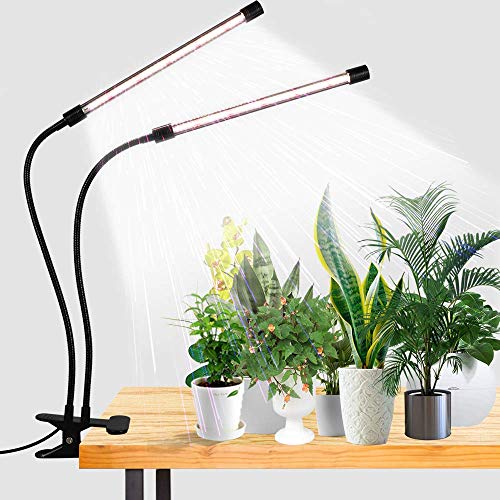
If your home is dim, especially in a Northeast or Pacific Northwest winter, a grow light can fill the gap. A full-spectrum white LED placed about 12 to 18 inches above the leaves works well for moth orchids.
Run it on a timer for about 12 to 14 hours a day, and give the plant a dark period at night. My guide to the best grow lights for indoor plants covers bulb types, distances, and timers in detail.
How to Water an Orchid
Water a moth orchid about once a week in summer and every 1 to 2 weeks in winter. The real signal is a nearly dry bark mix and silvery-gray roots, not the calendar.

How to Tell When It’s Time to Water
Orchid roots change color as they dry. When wet, healthy roots look bright green. When they’re ready for water, they turn silvery-gray. A clear pot makes this easy to see.
You can also lift the pot. A light pot means the bark has dried out, and a heavy one still holds water. A moisture meter or a wooden skewer pushed into the bark gives you another check.

My advice is to wait if you’re unsure. A moth orchid recovers from being a little dry far more easily than from sitting wet.
The Flush-and-Drain Method
I like to water orchids at the sink. Run room-temperature water through the pot for about 15 seconds, so the bark and roots get thoroughly soaked.
Then let the pot drain completely before putting it back in its decorative container. Never let an orchid sit in standing water. Check the sleeve or saucer about 30 minutes later and empty anything that has collected.
Some people water with ice cubes. I’d skip that method and stick with a full flush, which wets the whole root system evenly and rinses out salts.
Keep Water Out of the Crown
The crown is the center of the plant where new leaves emerge. Water that sits there can cause crown rot, which can kill a moth orchid quickly.
Water in the morning so any stray drops evaporate during the day. If water lands in the crown, tip the plant gently or dab it dry with a paper towel.
Potting Mix, Pots and Repotting
Moth orchids need a coarse, airy bark mix and a pot with good drainage. Repot every 1 to 2 years, or sooner if the bark breaks down, ideally right after flowering.
Why Orchids Don’t Grow in Regular Soil
Phalaenopsis is an epiphyte, which means it grows on trees instead of in the ground. Its roots cling to bark in open air, where they dry quickly after rain.
Regular potting soil packs down and stays wet, which suffocates orchid roots and leads to rot. A coarse orchid bark mix leaves air pockets and drains fast. Some mixes add sphagnum moss to hold a bit of moisture or perlite to keep things open.
For other plants in your home, my guide to the best soil for indoor plants explains which mixes suit which plants.
Choosing the Right Pot
I recommend a clear plastic pot with slots or plenty of holes. You can see the roots at a glance, which takes the guesswork out of watering. The slots let air reach the roots too.
Choose a pot just big enough for the root mass. Moth orchids like a snug fit, and an oversized pot holds extra bark that stays damp too long.
A decorative ceramic pot is fine as an outer sleeve, as long as you empty it after watering.
When and How to Repot
Repot when the bark looks crumbly or smells sour, roots crowd out of the pot, or it’s been about two years. The best time is after the flowers fall, when the plant is putting energy into roots and leaves.
Here’s my basic process:
- Gently slide the orchid out of its pot and shake off the old bark.
- Rinse the roots so you can see them clearly.
- Trim any brown, mushy, or hollow roots with sterilized scissors.
- Set the plant in a clean pot at the same height it sat before.
- Fill around the roots with fresh, pre-moistened orchid bark, tapping the pot to settle it.
- Wait a few days to a week before watering thoroughly.
Leave aerial roots above the surface. They’re supposed to be there, and burying them can cause rot.
Temperature, Humidity and Feeding
Moth orchids grow best between 65°F and 80°F with 40 to 70 percent humidity. Feed them lightly and often with a diluted orchid fertilizer during active growth.

Ideal Temperature Range
Most homes already sit in the comfortable range for Phalaenopsis. Keep the plant between 65°F and 80°F and away from heating vents, radiators, AC units, and drafty doors.
In fall, a nighttime drop of about 10°F for a few weeks helps trigger a new flower spike. I’ll cover how to set that up in the reblooming section below.
Raising Humidity Indoors
Moth orchids prefer 40 to 70 percent humidity. Heated US homes in winter often fall below that, which can slow growth and dry out buds.