
Fresh basil in January sounds like a luxury, but it doesn’t have to be. Once you understand how to grow herbs indoors, a sunny windowsill can keep your kitchen stocked with flavor all year.
The good news is that herbs are some of the most forgiving plants for beginners. They need the right light, the right pot and a little attention to watering. This guide covers all three, plus what to do when things go wrong.
Best Herbs to Grow Indoors
The best herbs to grow indoors are basil, parsley, chives, mint, thyme, oregano and cilantro. Rosemary and sage work too, but they need more light and more care with watering.
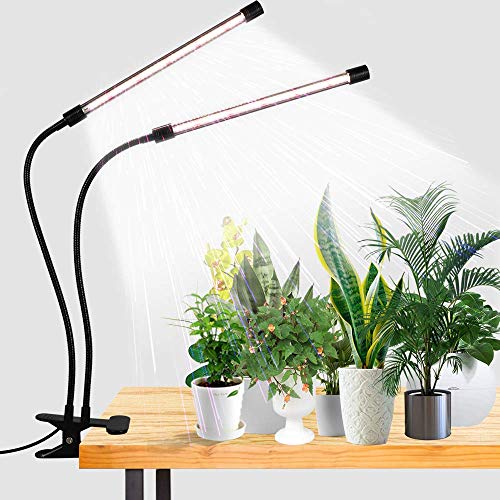
Before you plant, gather two basics. My advice is to start with herb pots with drainage holes and, unless you have a very sunny window, a full-spectrum LED grow light. Those two items solve most indoor herb problems before they start.
Easy Herbs for Beginners
If you’re brand new, start with herbs that bounce back quickly from mistakes. These are my top picks:
- Chives: Tolerate part shade and regrow fast after cutting.
- Mint: Nearly impossible to kill, though it spreads aggressively.
- Parsley: Steady, slow grower that handles lower light.
- Basil: Fast and rewarding if you give it plenty of light and warmth.
Mint deserves a special note. It spreads so aggressively that it will crowd out anything sharing its pot. Always give mint a container of its own.
Herbs That Need More Light
The Mediterranean herbs are tougher indoors. Rosemary, thyme, oregano, sage and lavender all want 6 or more hours of strong sun.
They also prefer to dry out between waterings. If you can give them a bright south-facing window or a grow light, they do well. In dim spots, they get weak and spindly.
Cilantro is its own challenge. It bolts in heat, meaning it flowers and stops making tasty leaves. Sow a new pot every 3 to 4 weeks for a steady supply.
Herb Needs at a Glance
Use this table to group herbs with similar needs. Plants that share a pot or a tray should like the same light and water.
| Herb | Light Needs | Water Preference | Life Cycle |
|---|---|---|---|
| Basil | 6+ hours | Evenly moist | Annual |
| Rosemary | 6+ hours | Dry between waterings | Perennial |
| Thyme | 6+ hours | Dry between waterings | Perennial |
| Oregano | 6+ hours | Dry between waterings | Perennial |
| Sage | 6+ hours | Dry between waterings | Perennial |
| Mint | 4 to 6 hours | Evenly moist | Perennial |
| Parsley | 4 to 6 hours | Evenly moist | Biennial grown as annual |
| Cilantro | 4 to 6 hours | Evenly moist | Annual |
| Chives | 4 to 6 hours | Evenly moist | Perennial |
If you’re still planning your overall setup, my guide to starting an herb garden walks through choosing herbs from seed or transplant.
Light: Windows vs. Grow Lights
Light is the single biggest factor in indoor herb success. Most herbs need a south-facing window with 6 or more hours of light, or a grow light running about 12 to 16 hours a day.
Indoor light is much weaker than outdoor light, even near a window. A spot that looks bright to your eyes may be dim for a plant. That’s why light usually matters more than anything else.

Choosing the Right Window
In the US, a south-facing window gets the most sun. That’s your best spot for basil, rosemary, thyme and other sun lovers.
West-facing windows are the next best choice. They get strong afternoon sun. East-facing windows get gentler morning light, which suits parsley, mint, chives and cilantro.
North-facing windows rarely give herbs enough light. If that’s all you have, plan on a grow light. You can also read about indoor plants that like direct sunlight to see what else thrives in your brightest spots.

Here’s a quick comparison:
| Window Direction | Light Quality | Best Herbs |
|---|---|---|
| South | Strongest, all day | Basil, rosemary, thyme, oregano, sage |
| West | Strong afternoon sun | Basil, oregano, thyme |
| East | Gentle morning sun | Parsley, mint, chives, cilantro |
| North | Low light | Needs a grow light |
When to Use a Grow Light
A grow light makes sense if your windows face north, if trees or buildings block the sun, or if you want strong growth in winter. Short winter days often leave even a south window lacking.
Look for a full-spectrum LED. These run cool, use little electricity and give herbs the range of light they need. Hang or position the light a few inches to about a foot above the plants, following the maker’s directions.
Run it 12 to 16 hours a day. A simple plug-in timer keeps the schedule steady without you remembering. For help choosing a fixture, see my roundup of the best grow lights for indoor plants.
Rotate Your Pots Weekly
Herbs on a windowsill lean toward the glass. Over time they grow lopsided and weak on one side.
The fix is simple. Rotate each pot a quarter turn every week. This keeps growth even and stems sturdy.
Pots and Potting Mix
Use pots at least 6 to 8 inches wide with drainage holes, filled with potting mix. Never use garden soil indoors.

Good containers and good mix prevent root rot, which is one of the top killers of indoor herbs. Get these right, and watering becomes much easier.
Choosing Containers
Drainage holes are not optional. Without them, water pools at the bottom and roots rot. Set each pot on a saucer to protect your windowsill.

Size matters too. Pots at least 6 to 8 inches wide give roots room to grow and hold moisture more evenly. Tiny pots dry out too fast and stunt plants.
Material is up to you. Here’s how the common types compare:
- Terracotta: Breathes and dries quickly. Great for rosemary, thyme, oregano and sage.
- Plastic: Light and holds moisture longer. Good for basil, parsley and mint.
- Glazed ceramic: Attractive and moisture-holding. Just make sure it has a drainage hole.
The Right Potting Mix
Garden soil packs down hard in a pot. It drains poorly and can carry pests and diseases indoors. Always use a bagged potting mix.
For basil, parsley, cilantro, chives and mint, a standard potting mix works well. These herbs like evenly moist soil.
Mediterranean herbs want something grittier. Mix regular potting mix with some coarse sand or perlite for fast drainage. That keeps rosemary, thyme, oregano, sage and lavender from sitting wet.
Dividing Grocery-Store Herb Pots
Those living herb pots from the grocery store look like one plant. They’re actually dozens of seedlings crammed together. That crowding makes them weak and short-lived.
Divide them as soon as you get home. Gently tip the plant out, pull the root ball into 3 or 4 smaller clumps and pot each one separately. Water well and keep them out of harsh sun for a few days while they settle.
Watering Indoor Herbs
Water most herbs when the top inch of soil feels dry. Mediterranean herbs should dry out more between waterings, while basil, parsley, cilantro and chives like soil that stays evenly moist.
Overwatering kills more indoor herbs than underwatering. Checking the soil before you pour is the best habit you can build.
How to Tell When to Water
Skip the fixed schedule. Indoor conditions change with seasons, heating and light, so your herbs’ needs change too.
Instead, push a finger into the soil up to the first knuckle. If it’s dry, water. If it’s still damp, wait a day or two and check again.
Pot weight is another good clue. Lift the pot right after watering, then again a few days later. A light pot means dry soil.
Watering by Herb Type
Group herbs by thirst so you don’t drown some while others go dry. Here’s the basic split:
| Herb Group | Herbs | When to Water |
|---|---|---|
| Moisture lovers | Basil, parsley, cilantro, chives, mint | When the top inch is dry |
| Dry-tolerant | Rosemary, thyme, oregano, sage, lavender | When most of the soil is dry |
Water slowly until it runs out of the drainage holes. Then empty the saucer after about 15 minutes. Standing water in the saucer keeps roots soggy.
Signs of Overwatering and Underwatering
Overwatered herbs often have yellow lower leaves, soft stems and soil that stays wet for days. You may also see tiny flies around the pot.
Underwatered herbs wilt, and their leaves turn crispy at the edges. The soil pulls away from the sides of the pot.
Wilting can happen with both problems, so always check the soil. If it’s wet and the plant is wilting, roots may be rotting. If it’s bone dry, give it a thorough drink.
Feeding and Humidity
Feed most indoor herbs lightly, and give Mediterranean herbs very little fertilizer at all. Keep humidity moderate and protect plants from dry winter air and cold window glass.
Herbs are grown for flavor, not size. Too much fertilizer makes soft, bland growth, so a light hand works best.
How to Fertilize Indoor Herbs
Fresh potting mix often contains some nutrients. After the first month or so, start feeding fast growers like basil, parsley and chives.
Use a balanced liquid fertilizer at half the label strength. Apply it every few weeks during active growth. Slow down in winter when growth naturally slows, unless plants are under a grow light and growing actively.
Rosemary, thyme, oregano, sage and lavender need little feeding. A light dose a couple of times a year is plenty. Rich feeding weakens their flavor.
Managing Humidity
Indoor air gets very dry in winter, especially with the heat running. Dry air can cause crispy leaf tips and makes some pests more likely.
Basil, parsley and cilantro appreciate a bit more humidity. Try these simple fixes:
- Group pots together so they share moisture.
- Set pots on a tray of pebbles with water below the pot bottoms.
- Run a small room humidifier nearby.
- Keep herbs away from heating vents and radiators.
Mediterranean herbs handle dry air better. They actually prefer good air movement, which helps prevent mildew.
Temperature and Cold Glass
Most herbs grow well at normal room temperatures. Basil is the most sensitive and dislikes cold.
In winter, window glass gets cold at night. Leaves pressed against the glass can be damaged. Pull pots a few inches back from the window on cold nights, or slip a piece of cardboard between plant and glass.
Also watch out for drafts from doors and leaky windows. Sudden blasts of cold air stress herbs and can cause leaf drop.