
A greenhouse changes what’s possible in a home garden. If you want to grow vegetables in greenhouse conditions all year, you get a longer season, more control over weather, and fresh food when your outdoor beds are frozen or baking.
This guide covers how to set up your space, manage heat and humidity, choose soil and containers, and pick the right crops for each season. I’ll also go over watering, feeding, pollination, and the pests that love greenhouses as much as your plants do.
Why Grow Vegetables in a Greenhouse
A greenhouse protects plants from frost, wind, heavy rain, and many outdoor pests, so you can start earlier, harvest later, and grow crops your climate can’t usually handle. It also gives you steadier conditions, which means more predictable harvests.
Longer Seasons and Better Control
The biggest benefit is time. Even an unheated greenhouse can extend your season by several weeks in spring and fall. That’s often enough to get tomatoes ripening earlier or keep salad greens going well past the first frost.
You also control more of the growing environment. You decide when to water, how much shade to add, and when to open vents. Outdoors, the weather makes those choices for you.
If you’re brand new to growing food, I suggest reading about starting a vegetable garden in your backyard first. The basics of soil, sun, and planning carry right over into a greenhouse.
Two Tools I Recommend From Day One
Before you plant anything, get a thermometer and hygrometer. A combined digital unit shows temperature and humidity at a glance, and many record daily highs and lows. That record tells you when your greenhouse is overheating while you’re at work.
My second must-have is an automatic vent opener. These devices use a wax-filled cylinder that expands as it warms, pushing a vent open without electricity. They close the vent again as temperatures drop, which can save your plants on a surprise hot afternoon.
Is a Greenhouse Worth It for You?
A greenhouse is worth it if you want earlier harvests, live in a short-season climate, or want to grow through winter. It’s also great for starting seedlings in spring.
It does take daily attention. Greenhouses heat up quickly on sunny days, even in winter. If you can’t check on it often, automatic venting and watering will make your life much easier.
Setting Up Your Greenhouse
Set up your greenhouse in the sunniest spot you have, with good drainage, easy access to water, and a layout that leaves room to work. Getting the placement and interior plan right saves you trouble for years.
Choosing the Right Location
Sunlight matters most. Aim for a spot that gets full sun, especially in winter when the sun is low. In most of the US, running the long side of the greenhouse east to west helps it catch more winter light.
Avoid low spots where cold air and water collect. Keep it away from large trees that drop branches and leaves or cast heavy shade. Being close to the house is a plus, because you’ll visit more often and running water or power is easier.

Types of Greenhouses for Home Gardeners
Home greenhouses come in a few common styles. Each has trade-offs in cost, insulation, and durability.
| Type | Pros | Cons |
|---|---|---|
| Hoop house (poly film) | Low cost, easy to build, good for season extension | Film wears out, less insulation |
| Polycarbonate panels | Good insulation, shatter resistant, diffuses light | Moderate cost, can yellow over time |
| Glass | Clear light, long lasting, attractive | Heavier, pricier, less insulating |
| Lean-to | Uses house wall for warmth and support | Limited sun angle, smaller space |
| Mini or cold frame | Very cheap, great for greens and seedlings | Small, overheats fast |
For most beginners, I like twin-wall polycarbonate. It holds heat better than single glass and spreads light evenly, which reduces scorching.
Planning the Interior Layout
Think about your work paths first. A central path with beds or benches on both sides works well in most small greenhouses. Make the path wide enough for a wheelbarrow or watering can.
Put tall crops like tomatoes and cucumbers on the north side so they don’t shade shorter plants. Use benches along the south side for seedlings, herbs, and greens.
Leave space for a water source, a few storage bins, and your thermometer at plant height, out of direct sun.

Temperature, Ventilation and Humidity
Most greenhouse vegetables grow best with daytime temperatures around 65 to 75°F, with vents opened once it climbs above about 80 to 85°F. Good airflow and moderate humidity keep plants healthy and help prevent disease.
Keeping Temperatures in the Right Range
Greenhouses trap heat fast. On a sunny day, the inside can be much warmer than the outside air, even in early spring. That’s why checking your thermometer daily matters so much.
In summer, use 30 to 50% shade cloth over the roof or south side. It cuts heat and light enough to protect plants without stopping growth. Many gardeners also wet down paths on hot days to cool the air through evaporation.
In winter, you may need to hold warmth in. Bubble insulation on the inside walls, thermal mass like water barrels, and row covers over beds all help. In cold zones, growing through the deepest winter usually takes some added heat.
Ventilation That Actually Works
Hot air rises, so roof vents are the most effective. Pair them with side vents or a door to pull fresh air in low and let hot air escape high. This natural flow handles most heat on its own.
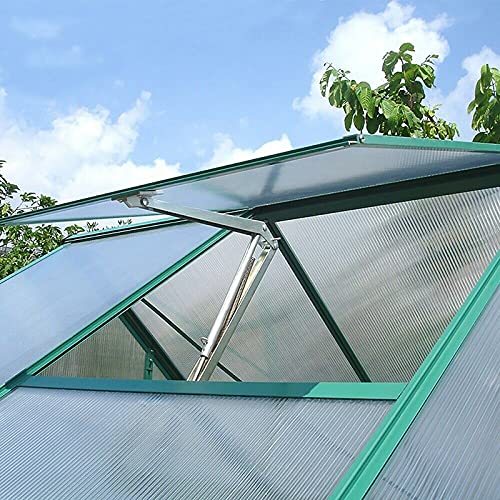
That’s where an automatic vent opener earns its place. It reacts to temperature without you being there. A small circulating fan also keeps air moving, which helps with even temperatures and fewer fungal problems.
Here’s my rule of thumb for venting:
- Open vents when temps pass 80°F.
- Open the door as well once it climbs toward 85°F or higher.
- Close vents in late afternoon on cool days to trap heat for the night.
- Run a fan any time the air feels still and damp.
Managing Humidity
High humidity invites mold, mildew, and leaf diseases. Low humidity can stress plants and invite spider mites. Your hygrometer tells you which problem you’re facing.
To lower humidity, water in the morning, vent more, and space plants for airflow. To raise it in hot, dry weather, damp down the paths or floor. Avoid wetting leaves late in the day, since moisture sitting overnight is an open door for disease.
Soil, Beds and Containers
Greenhouse vegetables do best in rich, loose, well-drained soil, whether you plant in the ground, in raised beds, or in containers. Since rain never reaches inside, you control every bit of moisture and nutrition.
Building Healthy Greenhouse Soil
Good soil starts with organic matter. Mix in compost, aged manure that’s at least 6 months old, leaf mold, or worm castings. These feed soil life and help the soil hold moisture without staying soggy.

Greenhouse soil gets worked hard because you grow in it year-round. Add fresh compost between crops. Mulch the surface with straw or shredded leaves to hold moisture and reduce weeds.
Making your own compost is a smart move. Mix about 2 to 3 parts browns, like dry leaves and straw, with 1 part greens, like vegetable scraps and coffee grounds. Keep the pile as moist as a wrung-out sponge.
Raised Beds vs. In-Ground Planting
Raised beds warm up faster in spring, drain well, and make it easy to fill with good soil. They’re also easier on your back. I like them for most greenhouse setups.
In-ground planting works if your native soil is decent and drains well. It gives roots more room and holds moisture longer. The trade-off is that soil-borne diseases can build up, so rotate crops and refresh soil often.
| Option | Best For | Watch Out For |
|---|---|---|
| Raised beds | Most crops, faster spring warming | Drying out faster in summer |
| In-ground | Large plants, deep roots | Disease buildup, poor drainage |
| Containers | Flexibility, small spaces | Frequent watering, root crowding |
| Grow bags | Tomatoes, peppers, potatoes | Dry out quickly |
Growing in Containers and Hydroponics
Containers are a great fit for greenhouses. You can move them toward the light, away from heat, or out the door in summer. They also keep diseases from spreading through shared soil.
A simple potting mix is equal parts compost, peat or coco coir, and perlite or vermiculite. Pick pots with drainage holes and big enough for the crop’s mature size. For ideas, check out this list of vegetables for containers.
Hydroponics is another option in a greenhouse. Lettuce, herbs, and strawberries grow especially well in these systems. If you’re curious, read up on how to start hydroponic gardening before investing in equipment.
Best Vegetables by Season
The best greenhouse crops change with the seasons: leafy greens and cool crops in winter, seedlings and early crops in spring, and heat-loving fruiting plants in summer. Planning by season is the key to harvesting year-round.

Fall and Winter Crops
Leafy greens grow well in winter greenhouses. Lettuce, spinach, kale, arugula, chard, and mâche handle cool temperatures and short days. Many will survive light freezes inside an unheated greenhouse, especially under row covers.
Other good winter picks include:
- Radishes and scallions
- Carrots, sown in late summer or early fall
- Asian greens like bok choy and mizuna
- Herbs like parsley, cilantro, and chives
- Microgreens, which are ready in a couple of weeks
Growth slows a lot in midwinter because of short days. Plan to get crops well established by fall, then harvest slowly through winter. Some of the cool-season shade tolerant vegetables do well here, since they handle lower light.
Spring Crops and Seed Starting
Spring is