
A Meyer lemon tree is one of the easiest ways to grow real fruit in a living room or on a sunny patio.
It stays compact, smells amazing when it blooms, and gives you sweet, thin-skinned lemons that taste great in everything from lemonade to salad dressing.
Good Meyer lemon tree care comes down to a few basics: bright light, fast-draining soil, careful watering, steady temperatures, and regular feeding. In this guide, I’ll walk you through each one so your tree stays healthy and keeps producing fruit year after year.
What Makes Meyer Lemons Good for Pots
Meyer lemons are smaller, sweeter, and more cold-tolerant than true lemons, which makes them the best lemon for containers. They adapt well to pots, bloom readily indoors, and bounce back from a winter inside better than most citrus.
A Sweeter, Smaller Lemon
The Meyer lemon is a cross between a lemon and a mandarin or orange. That parentage gives the fruit a sweeter, less acidic flavor than a grocery store lemon. The skin is thin and turns a warm orange-yellow when ripe.
The tree itself stays smaller than a standard lemon tree. In a pot, it usually stays a manageable size for a patio or a bright corner indoors.
If you like the idea of growing fruit in limited space, my list of dwarf fruit trees for containers has more options worth a look.
Where Meyer Lemons Grow Outdoors
In USDA zones 9 to 11, you can grow a Meyer lemon outdoors year-round. Frost starts to damage the tree around 28 to 32°F, so even in warm zones, a cold snap can hurt it.
In colder areas, I recommend growing it in a container. The tree spends summer outside and comes indoors for winter. That flexibility is the main reason Meyer lemons are so popular with gardeners in the North and Midwest.
What You’ll Need to Get Started
You don’t need much special gear. These are the two products I’d pick up first:
- Citrus potting mix: A fast-draining, slightly acidic blend made for citrus. It keeps roots from sitting wet.
- Citrus fertilizer: A feed with nitrogen plus micronutrients like iron, zinc, and magnesium. Citrus needs these more than most houseplants.
Add a pot with drainage holes, a saucer, and a bright spot, and you’re ready to grow.
Best Light for a Meyer Lemon Tree
A Meyer lemon tree needs 8 to 12 hours of bright light every day. Light is the single biggest factor in whether your tree blooms and fruits indoors.
Indoor Light Options
A south-facing window is the best natural spot in most homes. West-facing windows can work too, but east and north windows usually fall short, especially in winter.

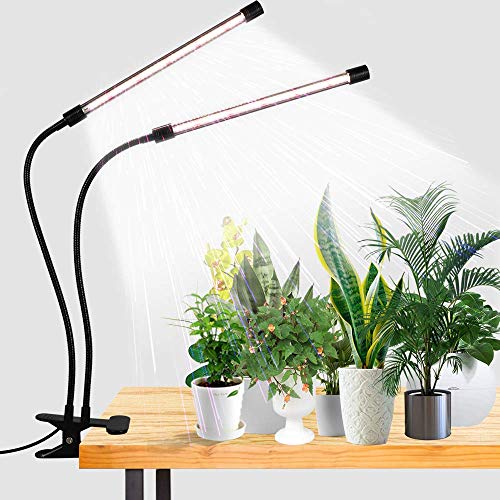
If your window light is weak, a grow light makes up the difference. Use a full-spectrum LED grow light placed about 6 to 12 inches above the tree and run it 8 to 12 hours a day on a timer.
My guide to the best grow lights for indoor plants covers which styles fit a tall potted tree.
For a tree this size, I’d use a panel on a stand or a light with two or more adjustable heads. One small clip-on lamp won’t cover the whole canopy.
Moving the Tree Outdoors for Summer
Outdoors in summer, a Meyer lemon loves full sun. But a tree that has spent winter inside can scorch if you move it straight into hot afternoon light.
Acclimate it gradually over 1 to 2 weeks. Here’s how I’d do it:
- Days 1 to 3: Place it in full shade for a few hours, then bring it back in.
- Days 4 to 7: Move it to morning sun and afternoon shade.
- Days 8 to 14: Increase direct sun a little each day until it sits in full sun all day.
Wait until nights stay above about 50°F before leaving it out overnight.
Signs Your Tree Needs More Light
A light-starved lemon tree shows it in a few ways. New growth comes in leggy, with long gaps between leaves. The tree drops flowers or doesn’t bloom at all.
Leaves may also look pale, and the tree may lean hard toward the window. If you see these signs, move it closer to the glass or add a grow light. Rotate the pot a quarter turn every week so all sides get light.
Soil, Pots and Repotting
Meyer lemons need well-draining, slightly acidic soil with a pH of 5.5 to 6.5, in a pot with drainage holes. Soggy soil is the fastest way to kill a potted citrus tree.
Choosing the Right Soil
Regular potting soil often holds too much water for citrus. A citrus potting mix drains faster and stays slightly acidic, which helps roots take up iron and other nutrients.

You can also make your own by mixing a quality potting mix with bark fines and perlite for extra drainage. For a broader look at mixes and what goes into them, see my guide to the best soil for growing plants.
Avoid garden soil in containers. It packs down, drains poorly, and can bring in pests.
Picking the Right Pot
Drainage holes are non-negotiable. A pot without them will hold water at the bottom and rot the roots.
For a young tree, start in a 14 to 16 inch pot. Mature trees do well in 5 to 10 gallon containers. Here’s a quick comparison of common pot materials:
| Pot Material | Pros | Cons |
|---|---|---|
| Terracotta | Breathes well, dries evenly | Heavy, dries out fast in summer |
| Plastic | Lightweight, holds moisture longer | Can stay wet too long |
| Glazed ceramic | Attractive, stable | Heavy, must have drainage holes |
| Fabric grow bag | Excellent drainage and airflow | Dries fast, less decorative |
I’d also put the pot on a plant caddy with wheels. It makes moving the tree in and out each season much easier.
When and How to Repot
Repot every 2 to 3 years in spring, just as new growth starts. Signs it’s time include roots circling the pot, roots poking out of the drainage holes, or water running straight through without soaking in.
Move up only one pot size, about 2 to 4 inches wider. A pot that’s too big holds extra wet soil the roots can’t use. Keep the tree at the same depth it was growing, and don’t bury the trunk.
How to Water a Meyer Lemon Tree
Water a Meyer lemon tree when the top 2 inches of soil are dry, then water deeply until it drains from the bottom. That simple rule prevents most watering problems.
The Finger Test
Push your finger into the soil up to the second knuckle. If it feels dry at that depth, it’s time to water. If it’s still damp, wait a day or two and check again.
How often that happens depends on the season, the pot size, and the light. A tree outside in July might need water every few days. The same tree indoors in January might go a week or more.
Water Deeply, Then Drain
When you water, soak the soil until water runs out the drainage holes. This wets the whole root ball and flushes out some fertilizer salts.

Never leave the pot sitting in a saucer of water. Empty the saucer about 15 to 30 minutes after watering. Roots sitting in standing water will rot.
Overwatering vs. Underwatering
Both problems cause leaf trouble, so it helps to know the difference.
| Problem | Common Signs | What to Do |
|---|---|---|
| Overwatering | Yellow leaves, leaf drop, soggy soil, musty smell, root rot | Let soil dry more between waterings, check drainage |
| Underwatering | Curling leaves, dry and crispy leaves, leaf drop, soil pulling from pot edge | Water deeply and check soil more often |
In my experience as a rule of thumb, overwatering is the more common mistake indoors. Damp soil also attracts fungus gnats, which is another reason to let the top layer dry.
Temperature, Humidity and Bringing the Tree Indoors
Meyer lemons do best with days around 65 to 70°F and nights no colder than 55°F. They also like humidity of 50% or higher, which takes some effort indoors in winter.

Ideal Temperatures
Steady temperatures matter more than perfect ones. Keep the tree away from cold drafts, exterior doors that open often, and heating vents. Hot, dry air blowing on the leaves can make them drop.
A cool room is fine in winter as long as it stays above 55°F at night. The tree will just grow more slowly.
Raising Humidity Indoors
Indoor air in winter is often very dry, especially with the heat running. Low humidity can cause leaf drop and invites spider mites.
Here are a few easy ways to add moisture:
- Pebble tray: Set the pot on a tray of pebbles with water just below the top of the stones.
- Humidifier: A small room humidifier near the tree works best.
- Grouping: Placing plants together raises humidity around them a bit.
Make sure the pot doesn’t sit directly in the water on a pebble tray.
Bringing the Tree Inside for Winter
Bring your tr