
Your garden doesn’t have to sit empty once the tomatoes die back. Cold-hardy winter vegetables like kale, spinach, carrots and leeks keep growing, or at least holding, through frost and short days. Many of them taste better after a cold snap.
In this guide, I’ll walk you through 15 reliable crops, when to plant them, and how to protect them. I’ll also cover watering, mulching, harvesting and the problems that still show up in winter.
My advice is simple: plant on time, cover early, and pick on mild days.
What Makes a Vegetable Cold Hardy
A vegetable is cold hardy when its cells can handle freezing temperatures without bursting or dying. These plants survive frost by changing their internal chemistry and slowing their growth until conditions improve.
How Plants Survive Freezing
When temperatures drop, hardy plants convert some of their stored starches into sugars. Sugar water freezes at a lower temperature than plain water, so the plant’s cells resist ice damage. It works a lot like antifreeze in your car.
This is also why some crops taste sweeter in winter. Kale, carrots, Brussels sprouts and parsnips all get noticeably sweeter after a few frosts. That sweetness is the plant protecting itself.
Hardy plants also slow down. They stop pushing out tender new growth and hold what they already have. A mature kale plant in December isn’t growing much, but it’s alive and ready to harvest.
Hardiness Levels at a Glance
Not every winter crop handles the same cold. Some shrug off a hard freeze, while others only tolerate a light frost. Here are approximate ranges to help you plan.
| Crop | Approximate Cold Tolerance | Notes |
|---|---|---|
| Mache (corn salad) | Below 15°F | One of the hardiest greens |
| Spinach | About 15 to 20°F | Survives winter under cover in many areas |
| Kale | About 15 to 20°F | Sweetens after frost |
| Carrots | Mid-20s°F | Roots are safer under mulch |
| Beets | Mid-20s°F | Mulch the shoulders |
| Cabbage | Mid-20s°F | Mature heads handle cold best |
| Broccoli | Mid-20s°F | Harvest before a hard freeze |
| Lettuce (hardy types) | Light frost | Needs cover in colder spells |
Keep in mind these numbers are approximate. Wind, wet soil, plant age and how quickly temperatures drop all make a difference. A well-established plant handles cold far better than a young seedling.
Supplies Worth Having on Hand
You don’t need much gear to start. My advice is to pick up two things before fall planting: a roll of lightweight row cover and fresh seeds for kale and spinach. Those two items alone can carry a beginner through a winter garden.
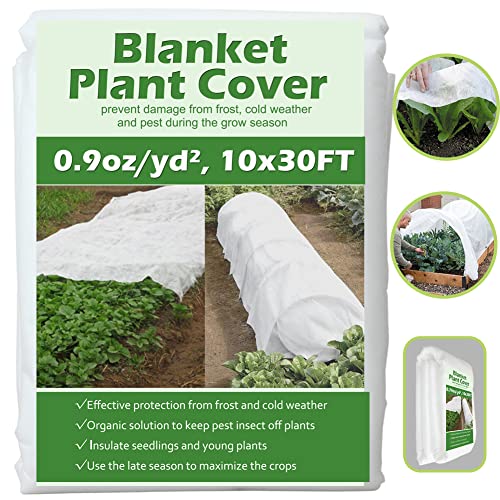
Row cover is a thin, breathable fabric that lets in light and water while trapping a few degrees of warmth. Kale and spinach seeds are inexpensive, sprout readily in cool soil, and are among the most forgiving winter crops.
If you’re working with limited space, these crops also fit nicely into a short list of easy vegetables for raised beds. Raised beds drain well, which matters a lot in wet winters.
Leafy Greens for Winter
Leafy greens are the backbone of a winter garden because they handle cold well and give you repeat harvests. Kale, spinach, collards, mache, arugula and hardy lettuce are the six I recommend most.

The Hardiest Greens
1. Kale. Kale is the first crop I suggest to anyone starting a winter garden. It tolerates temperatures around 15 to 20°F and gets sweeter after frost. Pick the outer leaves and let the center keep producing.
2. Spinach. Spinach is tough and tasty in cold weather. It handles roughly 15 to 20°F, and under cover it often survives the whole winter. Plants sown in fall can resume growing in early spring for an extra harvest.

3. Collards. Collards are close cousins of kale and just as rugged. Their big, thick leaves stand up to frost well. They’re a great choice in Southern gardens, where they can produce all winter.
4. Mache (corn salad). Mache is a small, rosette-forming green with a mild, nutty flavor. It’s one of the hardiest salad greens you can grow, tolerating colder temperatures than spinach. It grows slowly but asks for very little.
Tender-Leaf Greens for Salads
5. Arugula. Arugula grows fast and handles cool weather beautifully. The peppery flavor actually mellows a bit in cold conditions. It may need cover during hard freezes, but it bounces back quickly.
6. Lettuce (hardy types). Not all lettuce loves winter, but some varieties are bred for it. Look for seed packets labeled for winter or cold tolerance. Lettuce handles light frost but usually needs row cover or a cold frame when temperatures drop further.

Two bonus greens are worth mentioning here. Claytonia, sometimes called miner’s lettuce, is very cold tolerant and has tender, mild leaves. Swiss chard can make it through mild winters, though it struggles where freezes are hard and frequent.
Tips for Growing Greens in Short Days
Greens grow slowly in winter because daylight is limited. Plant them early enough that they reach a good size before days get short. Then you’re mostly harvesting from plants that are holding, not growing.
- Space plants a bit wider than in spring for better airflow.
- Harvest outer leaves first and leave the growing center.
- Keep a cover handy for nights well below freezing.
- Choose the sunniest spot you have.
Sun matters more in winter than in summer. That said, a few greens handle less light than others. If your yard is partly shaded, check my list of shade-tolerant vegetables before deciding where to plant.
Root Vegetables for Winter
Root vegetables are some of the best cold-hardy winter vegetables because the soil insulates the edible part. Carrots, beets, parsnips, turnips and radishes all perform well in cool weather.
Long-Season Roots
7. Carrots. Carrots handle temperatures into the mid-20s°F, and the roots are even safer underground. Frost turns their starches into sugars, so winter carrots are often noticeably sweet. Under heavy mulch, they can stay in the ground until you need them.

8. Beets. Beets tolerate the mid-20s°F as well. Their shoulders often poke above the soil, so mulch around them to prevent freeze damage. You also get a bonus crop of beet greens.
9. Parsnips. Parsnips are the classic winter root. They need a long growing season, so plan ahead. Many gardeners leave them in the ground through frost on purpose, because cold makes them much sweeter.
Quick Roots for Fall
10. Turnips. Turnips grow fairly quickly and handle frost well. You can eat both the roots and the greens. Harvest the roots while they’re small to medium for the best texture.
11. Radishes. Radishes are the speed champions of the root world. Many varieties are ready in a few weeks, so you can sow them later than most crops. Winter radish types grow larger and store well.
| Root Crop | Approximate Days to Maturity | Winter Storage in Ground |
|---|---|---|
| Radishes | About 25 to 60 | Short; harvest promptly |
| Turnips | About 40 to 60 | Moderate under mulch |
| Beets | About 50 to 70 | Moderate under mulch |
| Carrots | About 60 to 80 | Good under heavy mulch |
| Parsnips | About 100 to 130 | Excellent under heavy mulch |
Storing Roots in the Ground
One of the nicest things about winter roots is that the garden becomes your storage. Once the soil cools, cover carrots and parsnips with a thick layer of straw or shredded leaves. That keeps the ground from freezing solid.
When you want some, pull back the mulch on a mild day and dig what you need. Then replace the mulch. Mark your rows with tall stakes so you can find them under snow.
In very cold regions, the ground may freeze deeply despite mulch. In that case, harvest before the deep freeze and store roots in a cool, humid spot indoors.
Brassicas and Alliums for Winter
Brassicas like cabbage and Brussels sprouts, plus alliums like leeks and garlic, are slow but sturdy winter crops. They need an early start, but they reward you with hearty harvests in cold weather.
Cold-Loving Brassicas
12. Cabbage. Cabbage handles temperatures into the mid-20s°F, and mature heads are tougher than young ones. Start transplants in summer so heads form before the coldest weather. For variety choices and spacing, see my guide to growing cabbage.
13. Brussels sprouts. Brussels sprouts are a long-season crop, but they shine in cold weather. Frost converts starches to sugars and gives the sprouts a sweeter, nuttier taste. Harvest sprouts from the bottom of the stalk upward as they firm up.
Broccoli also deserves a mention. It handles the mid-20s°F and often produces side shoots after you cut the main head. Harvest heads before a hard freeze, since the florets can be damaged by deep cold.