
Cabbage grows best when you set out sturdy transplants in cool weather (60 to 70°F), give them rich soil and steady water, keep caterpillars off with netting, and cut the heads as soon as they feel firm.
Plant in early spring a few weeks before your last frost, or in late summer for a fall crop, and most varieties are ready 60 to 100 days after transplanting.
Timing is where most cabbage crops succeed or fail. If you plant too late, summer heat pushes the plants to bolt or form loose, bitter heads.
Plant on schedule, though, and growing cabbage is one of the most reliable ways to fill a cool-season bed. A little frost even makes the leaves sweeter.
Cabbage Growing Basics at a Glance
Head cabbage is Brassica oleracea var. capitata, a cool-season vegetable in the same species as broccoli, kale and Brussels sprouts. It needs full sun, fertile soil, even moisture and protection from leaf-eating insects. Those four things make up most of any cabbage growing guide.
My advice for beginners is to start seeds in seed-starting trays indoors, then cover the transplants with insect netting on the day they go into the garden. Those two steps solve the biggest early problems: bad timing and caterpillar damage.
| Factor | What Cabbage Needs |
|---|---|
| Best temperature | 60 to 70°F |
| Sun | 6+ hours of direct sun |
| Soil pH | 6.0 to 7.5 (6.5 to 6.8 ideal) |
| Seed depth | 1/4 to 1/2 inch |
| Spacing | 12 to 24 inches apart |
| Water | 1 to 1.5 inches per week |
| Days to harvest | About 60 to 100+ from transplant |
Once the plants are established, they handle hard frost into the low to mid 20s°F. Heat is the bigger threat. Above about 80°F, heads loosen, turn bitter or never form at all.
When Should You Plant Cabbage for Spring and Fall?
The two main windows for planting cabbage are early spring, before the heat arrives, and late summer, so heads mature in cool fall weather. Count backward from your local frost dates to set each schedule.
Timing a Spring Crop Around the Last Frost
For spring cabbage, sow seeds indoors 6 to 8 weeks before your last spring frost. After hardening off the seedlings, transplant them outdoors 2 to 4 weeks before that frost date.
Young cabbage shrugs off light frost. Still, cover new transplants with row cover or a sheet if the forecast drops well below freezing.

There’s one catch. Young plants with stems about as thick as a pencil can bolt if they sit at 40 to 50°F for several weeks. In a long, chilly spring, protect them with covers or hold off a week on transplanting.
In the Northeast and Midwest, that usually means transplanting in April. Gardeners in the South set plants out in late winter.
Planning Fall, Winter and Cool-Climate Summer Crops
For a fall crop, start seeds 10 to 12 weeks before your first fall frost. In most of the country, that puts sowing in late spring or early summer and transplanting in mid to late summer.
In zones 8 to 10, cabbage grows through fall and winter, so you can set out transplants from about September into February. That covers much of the Southeast, Southwest and Gulf Coast.
Summer cabbage works best in cool regions like the Pacific Northwest, northern New England and high elevations. There, summer highs stay in the 70s. In hot summer areas, I’d skip a summer crop and focus on spring and fall.
Which Cabbage Varieties Should You Choose?
Pick early varieties for spring and short seasons, and choose late, larger varieties for fall harvests and storage. The color and leaf type (smooth green, red or crinkled savoy) mostly come down to how you like to cook.
Early and Late Green and Red Head Cabbages
Early green cabbages like ‘Early Jersey Wakefield’ and ‘Golden Acre’ mature in about 60 to 70 days from transplant. They make heads of about 1 to 3 pounds, which is a great size for a small household.
Late varieties take 80 to 100 days or more. They grow 4 to 8 pound heads that store well, so they’re my pick for fall.
Red cabbage, including the compact ‘Red Acre’ type, grows the same way as green but takes a little longer to mature. The leaves are denser and hold their color in slaws.
You can compare flavor and uses in my guide to red cabbage vs green cabbage.
In warm zones, look for heat-tolerant, bolt-resistant varieties. Also check the seed packet for disease resistance, especially to fusarium yellows.

Savoy Cabbage and How Chinese Cabbage Differs
Savoy cabbage (var. sabauda) has crinkled, tender leaves with a mild, sweet flavor.
It takes about 80 to 90 days and handles cold very well. Its heads feel a bit softer than smooth types even when ready.
See savoy cabbage vs green cabbage for a side-by-side look.
Chinese cabbage is a different species, Brassica rapa. Napa cabbage (subsp. pekinensis) forms tall, barrel-shaped heads in about 50 to 80 days from seed. Bok choy (subsp. chinensis) gives baby leaves in about 30 days and full size in 45 to 60.
Both bolt fast in heat and long days. For that reason, I’d grow them as fall crops in most of the US.
How Do You Start Seeds and Transplant Seedlings?
Growing cabbage from seed indoors gives you strong, well-timed transplants. Plan about 4 to 6 weeks from sowing to transplant size, plus a week of hardening off.
Sowing Seeds Indoors and Raising Sturdy Seedlings
Sow cabbage seeds 1/4 to 1/2 inch deep in a fresh seed-starting mix. Drop two seeds per cell. At 65 to 75°F, they sprout in about 4 to 10 days.
After the seeds sprout, move the trays to a cooler spot around 60°F. Give them bright light, ideally grow lights a few inches above the leaves for 14 to 16 hours a day. Cool temperatures and strong light keep seedlings stocky.
Snip the weaker seedling in each cell at soil level. Water from below when the top of the mix feels dry. Once true leaves appear, feed with half-strength liquid fertilizer every week or two.

Hardening Off and Transplanting Outdoors
Harden off seedlings over 7 to 10 days. Start with an hour or two outdoors in shade, then build up to full sun and overnight stays.
Transplant when the seedlings have 4 to 6 true leaves. An overcast day or late afternoon is best. Set each plant slightly deeper than it grew in the tray, up to the first leaves, and firm the soil around it.
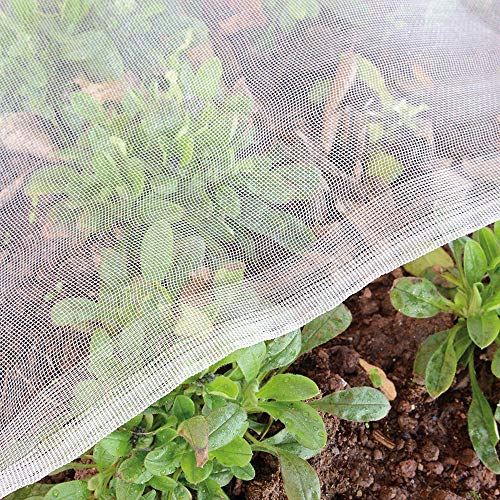
Water each plant well with about a pint of water or a diluted starter fertilizer. Then lay insect netting over the bed right away.
What Soil, Sun and Spacing Does Cabbage Need?
Cabbage wants full sun, deep fertile soil with plenty of compost, and enough room for each head to reach full size. Crowded or underfed plants make small heads, or none at all.
Preparing a Sunny Bed with Fertile, Well-Drained Soil
Choose a spot with at least 6 hours of direct sun. In the hot South and Southwest, a little afternoon shade helps late-spring plantings.
Good soil for cabbage drains well and holds moisture. Work 2 to 3 inches of compost into the top 8 to 12 inches before planting. My guide to preparing soil for a vegetable garden covers testing and amending.
Aim for a pH between 6.0 and 7.5, with 6.5 to 6.8 ideal. If a soil test shows acidic soil, add lime in the fall before planting. Raising the pH helps prevent clubroot.
Spacing Plants in Rows and Raised Beds
In rows, space cabbage 12 to 24 inches apart, with rows 24 to 36 inches apart. Small early types fit at the closer spacing, while big storage cabbages need the wider one.
Raised-bed gardening lets you plant a bit tighter because you never walk on the soil:
- Small early varieties: about 12 inches apart
- Most standard varieties: about 18 inches apart
- Large late varieties: about 24 inches apart
- Square-foot gardens: 1 plant per square foot
For bed layouts, see my notes on cabbage spacing in a raised bed.
How Much Water and Fertilizer Does Cabbage Need?
Give cabbage about 1 to 1.5 inches of water a week and feed it nitrogen twice after planting. Steady moisture and steady food produce heavy, tight heads.
Keeping Moisture Even Without Waterlogging the Roots
Water deeply once or twice a week so moisture reaches 6 inches down. Check the soil with your finger before watering. If it’s dry an inch or two down, it’s time.
Even moisture is the goal. A heavy soak after a dry spell makes the head swell fast and split. Soggy soil, on the other hand, starves roots of air.
A soaker hose or drip line keeps leaves dry and cuts disease risk. Mulch helps a lot here too. Add 2 to 3 inches of straw or shredded leaves once the soil warms.
Feeding Leafy Growth and Developing Heads
Cabbage is a heavy nitrogen feeder. Mix compost or a balanced vegetable fertilizer into the soil at planting.
Side-dress about 3 weeks after transplanting with a nitrogen-rich fertilizer, such as fish emulsion or blood meal. Feed again when the heads start to form. Water before and after feeding to avoid burning the roots.
Stop heavy nitrogen feeding a few weeks before harvest. Late feeding leads to loose heads and soft growth that aphids love.
How Do You Protect Cabbage from Pests and Disease?
Physical barriers and crop rotation prevent most cabbage pests and diseases before they start. Netting stops egg-laying moths and butterflies, while moving brassicas to a new bed each year starves soil diseases.
Identifying Leaf-Eating Insects and Keeping Them Off Plants
These are the cabbage pests you’re most likely to see:
- Imported cabbage worms: velvety green caterpillars of the small white butterflies that flutter over the garden
- Cabbage loopers: pale green caterpillars that arch their backs as they move
- Diamondback moth larvae: tiny green larvae that wriggle and drop on a silk thread when touched
- Flea beetles: tiny jumping beetles that leave shot holes in young leaves
- Aphids: gray, waxy clusters on leaf