
If you’ve been eyeing those sleek water-based gardens, you’ve probably asked yourself: is hydroponic better than soil? It’s a fair question, and the honest answer depends on what you grow, where you live and how much time you want to spend checking on your plants.
In this guide, I’ll walk you through where each method shines and where it falls short. We’ll cover growth speed, water use, taste, nutrition, cost and daily effort. By the end, you’ll know which one fits your space, budget and gardening style.
Is Hydroponic Better Than Soil Overall
No, hydroponics isn’t better than soil across the board, and soil isn’t better either. Each method wins in different situations, so the right choice comes down to your crops, space and habits.
The Short Version
Hydroponics often grows plants faster and uses far less water in recirculating systems. It also skips weeds and soilborne pests entirely. That’s a strong set of perks.
Soil, on the other hand, is forgiving. It buffers mistakes, costs less to start, needs no electricity and handles crops that hydroponics simply can’t, like carrots, potatoes and big squash vines.
My take is simple. Hydroponics is a great tool for leafy greens, herbs and a few fruiting crops grown indoors or in tight spaces. Soil is still the better all-around choice for most backyard gardens.
What You Actually Need for Hydroponics
Getting started with hydroponics takes a bit more gear than a bag of potting mix. If you’re curious, a countertop hydroponic growing system is the easiest entry point. These units usually include a reservoir, a small pump and a built-in grow light.
The other tool I consider essential is a pH and EC meter. pH tells you whether your plants can absorb nutrients. EC tells you how strong your nutrient solution is. Without these readings, you’re guessing.
If you want a full walkthrough, my guide on how to start hydroponic gardening covers the basics step by step.
Why the Answer Isn’t One-Size-Fits-All
A gardener in a city apartment with no yard has very different needs than someone with a sunny quarter-acre. For the apartment dweller, hydroponics might be the only practical way to grow fresh lettuce year-round.
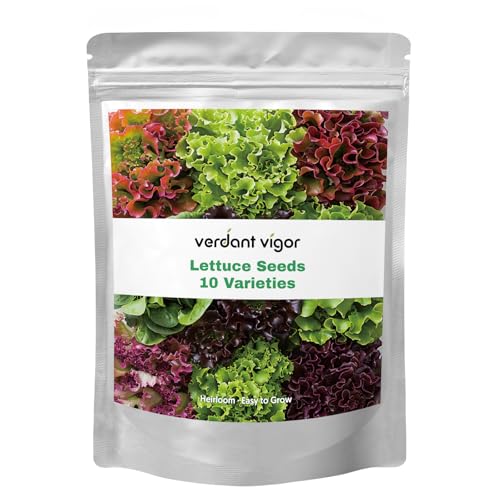
For the backyard gardener, soil is cheaper and lower maintenance. It also handles a wider range of crops. Neither person is wrong. They’re just solving different problems.
Hydroponic vs. Soil at a Glance
Here’s a side-by-side look at how the two methods compare on the factors most home gardeners care about. Use it as a quick reference before we get into the details.
Side-by-Side Comparison
| Factor | Hydroponic | Soil |
|---|---|---|
| Growth speed | Often faster | Steady, seasonal |
| Water use | Far less in recirculating systems | More, with runoff and evaporation |
| Weeds | None | Yes, ongoing |
| Soilborne pests and diseases | None | Possible |
| Setup cost | Higher | Lower |
| Electricity | Usually needed (pumps, lights) | Not needed outdoors |
| Daily attention | Frequent checks | Less frequent |
| Margin for error | Small; problems move fast | Large; soil buffers mistakes |
| Crop range | Greens, herbs, some fruiting crops | Nearly everything |
| Indoor growing | Excellent | Possible but messier |
Common Hydroponic System Types
It helps to know the main system styles, since they affect cost and effort.

- Kratky: Passive, with no pump. As the solution drops, it leaves an air gap for roots. Best for leafy greens and herbs.
- Deep water culture (DWC): Roots hang in an aerated nutrient solution with an air pump and air stone.
- NFT (nutrient film technique): A thin film of solution runs through channels past the roots.
- Ebb and flow: A tray floods with solution, then drains back to the reservoir.
- Drip, wick and countertop units: Other common options, with countertop units being the most beginner friendly.
What the Table Doesn’t Tell You
A table can’t show how each method feels to use. Soil gardening is slower and more seasonal, but it’s relaxed. You can skip a day without much risk.
Hydroponics rewards attention. When everything is dialed in, growth can be impressive. When something goes wrong, like a pump failure, you may only have hours to fix it.
Where Hydroponics Wins
Hydroponics wins on speed, water efficiency, cleanliness and indoor growing. It’s especially strong for leafy greens and herbs grown year-round.

Faster Growth and Year-Round Harvests
Plants in hydroponics often grow faster because their roots get water, nutrients and oxygen directly. They don’t have to spend energy searching through soil.
Lettuce is a good example. It typically takes about 30 to 45 days from seed to harvest, with baby leaves ready in 3 to 4 weeks. Grown indoors under lights, you can keep that cycle going all year.
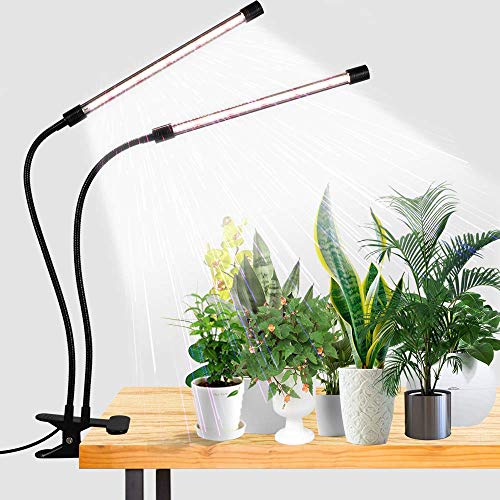
That’s the real draw for me. Fresh salad greens in January, with no frost to worry about, is a strong argument for setting up a small hydroponic system at home.
Water Savings and No Weeds
Recirculating hydroponic systems use far less water than soil gardens. The solution cycles back to the reservoir instead of draining away or evaporating from open ground.
There are also no weeds. None. If you’ve ever spent a July morning pulling crabgrass, that alone may sound appealing.
Without soil, you also avoid soilborne pests and diseases. You won’t deal with cutworms or soil-dwelling grubs, for instance.
Clean, Compact Indoor Growing
Hydroponics is tidy. There’s no dirt tracked across the kitchen, no fungus gnats breeding in damp potting mix and no bags of soil to haul up the stairs.
It’s also compact. A countertop unit fits next to the toaster. Vertical NFT setups can squeeze a surprising number of plants into a corner.
For renters and apartment dwellers, this is often the deciding factor. It’s one of the few ways to grow food when you don’t have a yard or a sunny balcony.
Where Soil Wins
Soil wins on cost, forgiveness, crop variety and independence from electricity. For most outdoor gardeners, it’s still the easiest path to a big harvest.
Forgiving and Low-Tech
Soil is a natural buffer. It holds water and nutrients, smooths out pH swings and gives you time to correct mistakes. Forget to water for a day, and most plants will be fine.

Hydroponics doesn’t offer that cushion. If a pump stops or the power goes out, roots in some systems can start suffering quickly. A heat wave that pushes water above about 75°F can drop dissolved oxygen and invite root rot.
Soil also doesn’t need electricity outdoors. The sun does the lighting, and rain helps with watering.
A Much Wider Range of Crops
Some crops just don’t belong in hydroponics. Root crops like carrots, potatoes and bulb onions need soil to develop properly. Corn is too tall and heavy. Big vines like squash, pumpkins and melons sprawl far beyond what most home systems can handle.
In soil, you can grow all of those, plus everything hydroponics handles. If you want a varied garden, soil gives you far more options.
Even if you’re short on space, containers open up plenty of choices. My list of vegetables for containers is a great starting point.
Lower Cost and Living Soil
A bag of potting mix, a few pots and some seeds can get you growing for very little money. In-ground beds cost even less if your native soil is decent.
Healthy soil is also a living system. Worms, fungi and microbes break down organic matter and feed plants over time. Adding compost each year can steadily improve it.
For many gardeners, that connection to the soil is part of the joy. It’s hard to put a price on that.
Taste and Nutrition
Nutrition is generally comparable between hydroponic and soil-grown produce when plants are well fed. Taste depends more on variety, ripeness and growing conditions than on the growing method itself.
What Affects Nutrition
A plant builds its nutrients from what it absorbs and from light. In hydroponics, you control the nutrients directly. In soil, they come from the soil, compost and fertilizer.
The key is a complete hydroponic nutrient that includes calcium, magnesium and micronutrients. Regular garden fertilizer isn’t designed for this and can leave gaps. When plants get a balanced diet, the results are generally similar to soil-grown crops.
Light matters too. Leafy greens need about 12 to 16 hours of light, and fruiting crops about 14 to 18 hours, from full-spectrum LEDs. A window is often too weak in winter, which can lead to leggy, less vigorous plants.
What Affects Flavor
Taste is where opinions run strong. Some people swear soil-grown tomatoes taste better. Others can’t tell the difference in a blind comparison.
From what’s well established, flavor comes mostly from variety choice, ripeness at harvest, light intensity and plant stress. A tomato picked ripe from a well-lit plant will usually beat a pale one, no matter the growing method.
Solution strength plays a role in hydroponics. Fruiting crops like tomatoes and peppers typically run at a higher EC, roughly 2.0 to 3.5 mS/cm. Leafy greens do well at roughly 0.8 to 1.6 mS/cm.
Freshness Is the Real Winner
Here’s what I think matters most. Homegrown produce, picked minutes before you eat it, has a freshness advantage over store-bought produce that traveled for days.
That’s true whether it came from soil or a water reservoir. So if hydroponics lets you grow fresh greens when you otherwise couldn’t, that’s a nutritional and flavor win in my book.
Cost, Time and Effort
Hydroponics usually costs more to start and takes more frequent attention. Soil is cheaper and slower but asks less of