
Snake plants are some of the easiest houseplants to multiply. If you’ve wondered how to propagate snake plant divisions or leaf cuttings, the good news is that you only need a knife, a pot, and some patience.
One healthy plant can turn into several new ones.
In this guide, I’ll walk you through three reliable methods: division, leaf cuttings in water, and leaf cuttings in soil. I’ll also cover timing, aftercare, why variegated cuttings often lose their yellow edges, and how to fix the most common problems.
When to Propagate a Snake Plant
The best time to propagate a snake plant is spring or early summer, when the plant is actively growing. Warm temperatures and longer days help cuttings and divisions root faster and recover with less stress.
Best Season for Propagation
Snake plants (Dracaena trifasciata, formerly Sansevieria trifasciata) grow most actively in spring and summer. That’s when new roots form fastest. Cuttings taken in winter can still root, but they often sit idle for weeks and face a higher risk of rot.
Temperature matters too. Snake plants like 60 to 85°F, and cold damage starts below 50°F. Keep your new cuttings well above that range, ideally in a warm room away from drafty windows.
If your plant is already crowded and due for repotting, that’s a perfect moment to divide it. Snake plants usually need repotting every 2 to 3 years, and they like a snug pot.
Signs Your Plant Is Ready
Not every snake plant is ready to share. Look for these signs before you start:
- The plant has several healthy, firm leaves with no soft or mushy spots.
- New pups (offshoots) are poking up around the edge of the pot.
- Roots are circling the pot or pushing out of the drainage holes.
- The pot is bulging or cracking from crowded rhizomes.
A stressed or rotting plant won’t propagate well. If yours has yellow, soft leaves at the base, fix the watering problem first. My guide to snake plant care covers the basics of getting a plant healthy again.
Tools and Supplies You’ll Need
You don’t need much, but good tools make a real difference. My advice is to gather everything before you start so the plant isn’t sitting out with exposed roots.
- A sharp, clean knife: A sharp blade makes clean cuts that heal fast. Wipe it with rubbing alcohol before and between cuts.
- Rooting hormone (optional): A powder or gel rooting hormone can help leaf cuttings root a bit more evenly. Snake plants root fine without it, so think of it as a helpful extra.
- Gloves: Snake plant sap can irritate skin, so wear gloves while cutting.
- Cactus or succulent mix: This fast-draining soil prevents soggy roots.
- Pots with drainage holes: Terracotta is a great choice because it helps soil dry out.
- Clear glass jars: Only needed for the water method.
Keep the plant and any trimmings away from pets. The ASPCA lists snake plant (mother-in-law’s tongue) as toxic to cats and dogs, with symptoms like nausea, vomiting, and diarrhea.

Method 1: Division
Division is the fastest and most reliable way to propagate a snake plant. You separate the plant into smaller sections, each with its own roots and leaves, so you get full-sized plants right away.
Why Division Works Best
Snake plants spread through underground stems called rhizomes. Each rhizome sends up new leaves, which is why the plant fills its pot over time. When you divide it, you’re simply giving those sections their own homes.

Division has two big advantages. First, each new plant already has roots, so there’s no waiting for them to form. Second, division keeps the variegation intact, so yellow-edged or patterned types stay true to the parent.
If you love a specific variety, division is the method I recommend. It’s the only easy way to guarantee an exact copy.
Step-by-Step Division
Here’s how to divide a snake plant cleanly:
- Water lightly a day or two before. Slightly moist soil slides out of the pot more easily. Don’t soak it.
- Remove the plant from its pot. Tip the pot on its side and ease the plant out. If it’s stuck, run a knife around the inside edge.
- Loosen the soil. Gently shake or brush away old soil so you can see the rhizomes and roots.
- Find natural separation points. Look for clumps of leaves connected by a rhizome. Each section should have at least one or two leaves and a healthy set of roots.
- Cut the rhizome. Use your clean, sharp knife to slice through the rhizome between sections. Pull apart any sections that separate naturally by hand.
- Inspect the roots. Trim off any black, mushy, or smelly roots. Healthy roots are firm and light-colored.
- Let the cuts dry. Leave the divisions out for several hours to a day so the cut surfaces can callus.
- Pot each division. Plant each section at the same depth it grew before in fresh cactus or succulent mix.
Potting Up Your Divisions
Choose pots only a little wider than the root ball. Snake plants prefer a snug fit, and extra soil holds extra water, which raises the risk of rot.

If you’re unsure about size and material, my guide to choosing indoor pots explains why drainage holes matter so much. For snake plants, terracotta with a drainage hole is hard to beat.
After potting, wait about a week before watering. This gives any damaged roots time to heal. Then water thoroughly and let the soil dry out completely before watering again.
Method 2: Leaf Cuttings in Water
Leaf cuttings in water are a fun, low-cost way to make new snake plants, and you get to watch the roots grow. Expect roots in about 3 to 6 weeks and new pups in 2 to 3 months or longer.

Taking and Preparing Leaf Cuttings
Start with a healthy, mature leaf. Avoid leaves with soft spots, scars, or yellowing. Cut it off near the soil line with your clean knife.
Next, slice the leaf into sections 2 to 4 inches long. Each section can grow its own roots, so one long leaf may give you several cuttings.
Here’s the part many people miss: snake plant cuttings must stay right side up. Roots grow only from the end that was closer to the soil.
My advice is to cut a small notch or a V shape into the bottom edge of each section so you never mix them up.
Finally, let the sections sit out for 1 to 2 days. The cut ends will dry and form a callus, which lowers the chance of rot.
Rooting in Water Step by Step
Once your cuttings have callused, follow these steps:
- Fill a clear jar with room-temperature water. Use enough to cover the bottom inch or so of each cutting.
- Place the cuttings notched end down. Only the bottom portion should sit in water. Too much submerged leaf invites rot.
- Find a bright spot. Medium to bright indirect light works best. Avoid harsh direct sun on the jar, which can overheat the water.
- Change the water every week. Fresh water keeps bacteria down. Swap it sooner if it looks cloudy.
- Watch for roots. Small white roots usually appear in about 3 to 6 weeks, sometimes longer in cooler rooms.
If a cutting turns soft or mushy at the base, trim off the damaged part, let it callus again, and put it back in fresh water.
Moving Water Cuttings to Soil
When roots reach about 1 to 2 inches long, it’s time to plant. Roots grown in water are a bit fragile, so handle them gently.
Plant each cutting in a small pot of cactus or succulent mix, notched end down. Water lightly after planting, then let the soil dry completely before the next watering.
The switch from water to soil can be a small shock. Some cuttings pause for a few weeks before they settle in. That’s normal, so resist the urge to water extra.
Method 3: Leaf Cuttings in Soil
Rooting leaf cuttings directly in soil skips the transplant step and gives roots a sturdier start. It takes about the same time as water, roughly 3 to 6 weeks for roots and 2 to 3 months or more for pups.
Preparing Soil Cuttings
Prepare cuttings exactly as you would for water. Cut a healthy leaf into 2 to 4 inch sections, notch the bottom edge, and let each section callus for 1 to 2 days.
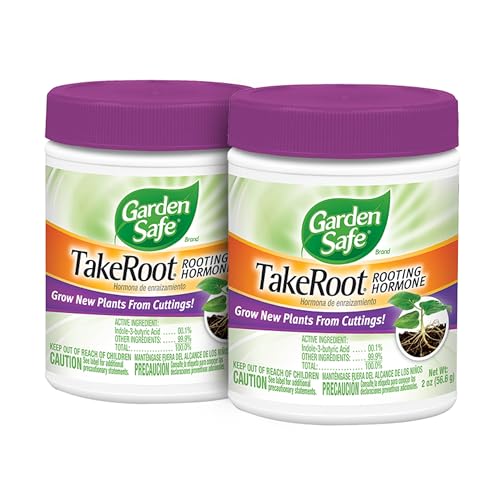
If you’re using rooting hormone, dip the callused bottom end into it now. Tap off any extra powder. A thin coat is all you need.
The right soil makes this method work. Use a cactus or succulent mix so water drains fast. For more on mixes, see my guide to the best soil for indoor plants.
Planting Cuttings in Soil
Follow these steps to plant your cuttings:
- Fill a small pot with dry or barely moist cactus mix. A pot with drainage holes is a must.
- Insert the cuttings notched end down. Push them in about 1 inch deep, just enough to stand upright.
- Firm the soil around them. Press gently so each cutting stays steady.
- Space them out. You can fit several cuttings in one pot. Leave a little room between each one.
- Wait before watering. Give them a few days, then water lightly.
Watering Soil Cuttings Correctly
Watering is where most soil cuttings fail. Unrooted cuttings can’t take up much water, so soggy soil leads straight to rot.
Water lightly only when the soil has dried out. In warm months, that might mean a light drink every week or two. In cooler conditions, it will be less often.
To check for roots, give a cutting a very gentle tug after 4 to 6 weeks. If you feel resistance, roots are forming. If it slides right out, tuck it back in and keep waiting.
Here’s a quick comparison of all three methods:
| Method | Speed | Keeps Variegation? | Difficulty | Best For |
|---|---|---|---|---|
| Division | Fastest (instant new plants) | Yes | Easy | Crowded plants, variegated types |
| Leaf cuttings in water | Roots in 3 to 6 weeks; pups in 2 to 3+ months | Usually not | Easy | Watching roots grow |
| Leaf cuttings in soil | Roots in 3 to 6 weeks; pups in 2 to 3+ months | Usually not | Easy to moderate | Skipping the transplant step |