
Basil is one of the easiest herbs to start with. It grows fast, smells amazing, and rewards you with fresh leaves all summer. If you’ve wondered how to grow basil without killing it in a few weeks, this guide covers what you need to know.
I’ll walk you through choosing a variety, timing your planting, and giving basil the sun, soil and water it likes. You’ll also learn how to pinch it for bushy growth and how to spot pests and diseases early.
Basil Types Worth Growing
Most basil you’ll find is sweet basil, Ocimum basilicum, and it comes in many flavors and forms. Pick one or two types that match how you cook, then branch out once you get the hang of it.
Sweet and Genovese Basil
Genovese is the classic Italian sweet basil with big, glossy green leaves. It’s the one you want for pesto, caprese salad and tomato sauce. If you’re a beginner, my advice is to start here.
A packet of Genovese basil seeds is cheap and holds far more seeds than you’ll need in one season. Store leftover seeds in a cool, dry spot for next year.
I also suggest picking up a soil moisture meter. It takes the guesswork out of watering, which is where most new basil growers go wrong.
Thai, Lemon, Purple and Globe Basil
These are all varieties of sweet basil, but each brings something different:
- Thai basil: Narrower leaves, purple stems and a licorice-anise flavor. It holds up well in stir-fries and curries.
- Lemon basil: Small leaves with a bright citrus scent. It’s lovely in fish dishes, salads and iced tea.
- Purple basil: Deep purple leaves that look great in the garden and on the plate. The flavor is a bit milder and spicier than Genovese.
- Compact globe basil: Forms a tight, rounded mound with tiny leaves. It’s perfect for small pots, edging and windowsills.
Holy Basil (Tulsi)
Holy basil, also called tulsi, is a different species: Ocimum tenuiflorum. It has a clove-like, peppery scent and is often used for tea. It grows much like sweet basil, so the care tips in this guide apply.
| Type | Flavor | Best Use | Plant Size |
|---|---|---|---|
| Genovese | Sweet, classic | Pesto, sauces | Medium to large |
| Thai | Anise, licorice | Asian dishes | Medium |
| Lemon | Citrus | Fish, salads, tea | Medium |
| Purple | Mild, spicy | Garnish, salads | Medium |
| Compact globe | Sweet, mild | Small pots, edging | Small, mounded |
| Holy basil (tulsi) | Clove, peppery | Tea | Medium |
When to Plant Basil
Plant basil outdoors 1 to 2 weeks after your last frost, once nights stay above 50°F. Basil is a tender annual that loves heat and hates cold.
Why Warm Weather Matters
Basil grows best between 70 and 90°F. When temperatures drop below 50°F, it can suffer chilling injury that shows up as black or brown leaves. Frost kills it outright.
That’s why rushing basil into the garden rarely pays off. A plant set out too early just sits there, stunted, while one planted in warm soil takes off.
Timing for Seeds and Transplants
If you’re starting from seed indoors, sow about 6 weeks before your last frost date. That gives seedlings time to grow a few sets of true leaves before they move outside.

If you’re sowing directly in the garden, wait until the soil has warmed. Seeds sit and rot in cold, wet ground.
Transplants from a garden center go out at the same time: 1 to 2 weeks after the last frost, with nights reliably above 50°F.
Watching for Late Cold Snaps
Spring weather can swing fast. If a cold night is forecast after planting, cover your basil with a sheet or bring potted plants inside.

In fall, harvest heavily before the first frost. Once nights start dipping toward 50°F, basil slows down and the leaves can darken.
Starting Basil From Seed or Transplants
Both methods work well. Seeds are cheaper and give you more variety, while transplants get you to harvest faster.

Growing Basil From Seed
Sow seeds about 1/4 inch deep in a moist seed-starting mix. Keep them at 70°F or warmer, and they’ll usually sprout in about 5 to 10 days.
Give seedlings bright light right away. Without it, they stretch, flop over and turn pale.
Watch for damping-off, a fungal problem that makes seedlings collapse at the soil line. Avoid overwatering, use clean containers and give seedlings good airflow.

From seed, you can usually expect your first harvest in about 6 to 8 weeks.
Buying and Planting Transplants
Look for stocky plants with deep green leaves and no flower buds. Skip any with yellowing, spots or fuzzy undersides on the leaves.
Before planting, harden off your transplants. Set them outside in a sheltered spot for a few hours a day, increasing time and sun over about a week.
Plant them at the same depth they were growing in their pots. Water well right after planting.
Dividing Grocery-Store Basil
Those living basil pots from the grocery store are actually many seedlings crammed together. They’re too crowded to thrive long-term.
My advice is to gently pull the root ball apart into 3 or 4 clumps. Plant each clump in its own pot or garden spot, and water well. You’ll get several healthy plants for the price of one.
You can also root basil from stem cuttings. Place a 4-inch cutting in a glass of water, and roots usually form in about 1 to 2 weeks.
Sun, Soil and Spacing
Basil needs 6 to 8 hours of sun, well-drained soil with compost, and 12 to 18 inches between plants. Get these three right and most of the work is done.
How Much Sun Basil Needs
Aim for 6 to 8 hours of direct sun a day. In very hot climates, a little afternoon shade can keep leaves from scorching.
Low light makes basil leggy and pale, with fewer leaves and weaker flavor. If your plant is stretching toward the light, it needs a sunnier spot.
If you move an indoor plant outside, do it slowly. A sudden jump into full sun can bleach or burn the leaves.
Preparing the Soil
Basil likes rich, loose soil that drains well. A pH between 6.0 and 7.5 suits it fine.
Mix a few inches of compost into your bed before planting. Compost improves drainage in heavy soil and holds moisture in sandy soil.
Avoid low spots where water pools after rain. Soggy roots are one of the fastest ways to lose basil.
Spacing Your Plants
Space plants 12 to 18 inches apart. That gives each one room to branch out and lets air move between them.
Good airflow matters more than you’d think. Crowded basil stays damp, and damp leaves invite downy mildew and other diseases.
If you’re working with a tight layout, check out my guide to growing basil in a square foot garden for how to fit it in efficiently.
| Need | What Basil Wants |
|---|---|
| Sun | 6 to 8 hours of direct sun |
| Temperature | 70 to 90°F, nights above 50°F |
| Soil | Well-drained, rich in compost |
| pH | 6.0 to 7.5 |
| Spacing | 12 to 18 inches apart |
Growing Basil in Pots and Indoors
Basil does great in pots, as long as they’re big enough and drain well. Indoors, it needs a very bright window or a grow light to stay healthy.
Choosing the Right Container
Use a pot at least 8 inches wide and 8 inches deep. Smaller pots dry out too fast and leave roots cramped.
Drainage holes are a must. Fill the pot with a quality potting mix, not garden soil, which packs down and stays soggy in containers.

Basil pairs nicely with other herbs. If you’re short on space, a balcony herb garden is a great way to grow it alongside parsley, thyme and chives.
It also grows well next to container crops like tomatoes and peppers. For ideas, see my list of vegetables for containers.
Growing Basil Indoors
Place indoor basil in a south-facing window, where it gets the most light. Even then, winter sun may not be enough.
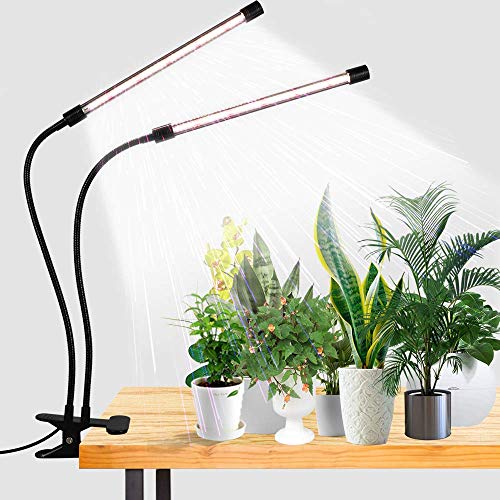
A grow light solves that problem. Run it about 14 to 16 hours a day, keeping it a few inches above the plants. Here’s my roundup of the best grow lights for indoor plants if you need one.
Keep indoor basil away from cold drafts and chilly windowpanes. Leaves touching cold glass in winter can turn black.
Pot Care Tips
Container basil needs more attention than garden basil. Pots dry out faster and nutrients wash out with every watering.
- Check soil moisture daily in hot weather.
- Feed a bit more often than in-ground plants.
- Repot if roots circle the bottom or poke out of the drainage holes.
- Turn indoor pots every few days so the plant grows evenly.
A root-bound pot can cause yellow leaves and slow growth. Moving up one size usually fixes it.
Watering and Feeding Basil
Give basil about 1 inch of water a week, keeping the soil evenly moist but never soggy. Feed it lightly with a diluted fertilizer every few weeks.