
A hanging basket can look amazing in May and tired by August. The difference almost always comes down to a few simple habits. Good hanging basket care is mostly about water, food, light and a little trimming.
In this guide, I’ll walk you through each step, from picking the right basket to getting it through winter. My advice is practical and built for US home gardeners who want color all season without fuss.
Choosing the Right Basket and Liner
Pick the biggest basket you can hang safely, and match the liner to how often you can water. Larger baskets hold more mix, more water and more roots, so they stay lush longer.
Basket Size Matters More Than You Think
Small baskets look cute at the garden center. But they dry out fast and run out of room by midsummer.
I recommend baskets that are 12 to 16 inches across or larger. They hold more water and give roots space to grow. Here’s a simple guide to how many plants to use:
| Basket Size | Number of Plants |
|---|---|
| 12 inches | 3 to 5 plants |
| 14 to 16 inches | 5 to 7 plants |
Don’t overstuff your basket. Crowded plants compete for water and food, and they wear out sooner.
Liner Types and How They Behave
The liner you choose changes how often you’ll water. Each type has trade-offs.
- Coco fiber liners look natural and let roots breathe. They also dry out the fastest.
- Plastic-backed liners hold moisture better while still looking good.
- Self-watering baskets have a built-in reservoir. They’re great if you travel or forget to water.
- Plain plastic baskets hold water well and are lightweight and cheap.
If you use a coco liner, consider tucking a piece of plastic inside before planting. Poke a few drainage holes in it first. This slows drying without drowning roots.
Tools That Make the Job Easier
A watering wand is one of the best tools you can own for baskets. It lets you reach high hooks and water gently at the soil instead of splashing leaves.
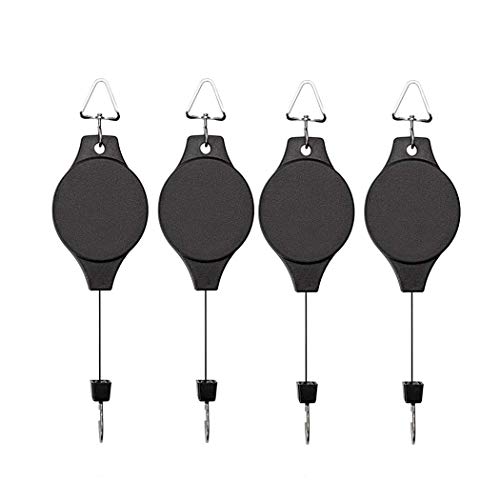
I also keep a water-soluble flower fertilizer on hand all summer. You’ll mix it into your watering can regularly, as I’ll explain below. A sturdy hook rated for the weight of a wet basket is a must too.
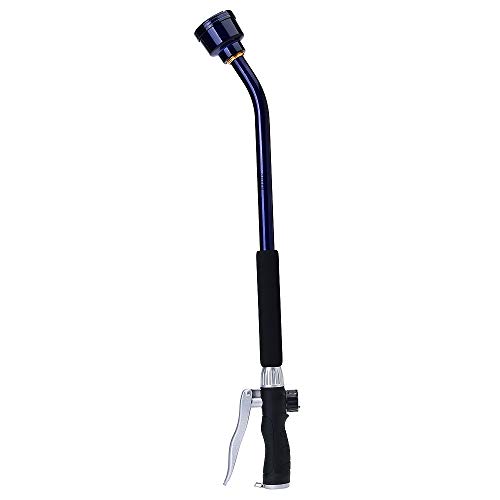
The Best Potting Mix for Hanging Baskets
Use a quality potting mix made for containers, never garden soil. Potting mix stays light, drains well and holds water without packing down.
Why Garden Soil Doesn’t Work
Garden soil gets heavy and dense in a container. It compacts, chokes roots and drains poorly.
It also makes a basket much heavier to hang. Stick with a bagged potting mix for every basket.

Skip the Rocks in the Bottom
Many people still put rocks or gravel at the bottom of containers. Please don’t.
Rocks don’t improve drainage. They actually raise the wet zone higher into the root area. That means roots sit in soggier mix, which can lead to rot.
Planting It Right
Fill your basket with mix, leaving about 1 inch below the rim. That space keeps water from running straight off the top.
When I plant, I use the thriller, filler, spiller idea:
- Thriller: an upright plant for height in the center
- Filler: mounding plants that fill the middle
- Spiller: trailing plants that cascade over the edge
Match plants by their sun and water needs. A shade lover and a sun lover in the same basket will never both be happy.
Plant after your last frost date. If you plant early, keep baskets sheltered and bring them in on cold nights.
Watering Hanging Baskets
Check hanging baskets every day in summer and water until it drains from the bottom. This is the single biggest part of hanging basket care, because baskets lose water much faster than pots on the ground.
How Often to Water
In summer, check your baskets daily. Small baskets or baskets in heat or wind may need water twice a day.
In spring and fall, every 2 to 3 days is usually enough. Indoor hanging plants are different. They usually need water every 1 to 2 weeks, when the top 1 to 2 inches are dry.
If you want more detail by plant and season, my guide on how often to water hanging plants breaks it down.
| Season or Situation | How Often to Water |
|---|---|
| Summer, outdoors | Check daily |
| Small basket, heat or wind | Up to twice a day |
| Spring and fall | Every 2 to 3 days |
| Indoor hanging plants | Every 1 to 2 weeks |
How to Tell If It Needs Water
You don’t need a meter. Just use your hands.
- Lift the basket. A dry basket feels surprisingly light. A watered one feels heavy.
- Feel the top inch. If the top inch of mix is dry, it’s time to water.
Once you get used to the weight, you can check a basket in two seconds.
Watering the Right Way
Water slowly until water runs out of the bottom. A quick splash only wets the top and leaves the roots dry.
Morning is the best time. Plants start the day hydrated, and leaves dry quickly, which helps prevent disease.
Rescuing a Bone-Dry Basket
Sometimes a basket dries out so much that water runs right off the top. The dry mix shrinks from the sides and repels water.
The fix is simple. Set the whole basket in a tub of water for 20 to 30 minutes. Let it drain, and it should perk up within a few hours.
Feeding for Nonstop Blooms
Mix a slow-release fertilizer in at planting, then feed with a water-soluble flower fertilizer every 1 to 2 weeks in summer. Baskets need steady food to keep producing flowers.

Why Baskets Get Hungry
Every time you water, some nutrients wash out the bottom. Since baskets get watered so often, they lose food fast.
A small amount of mix also holds only so much fertilizer. Without regular feeding, plants slow down and stop blooming.
A Simple Feeding Plan
Here’s the routine I recommend:
- At planting: mix slow-release fertilizer granules into the potting mix.
- Summer: feed with a water-soluble flower fertilizer every 1 to 2 weeks.
- Always: water first if the basket is very dry, then feed.
Feeding a bone-dry plant can stress the roots. A quick drink beforehand keeps things safe.
Choose a Fertilizer Made for Flowers
Look for a fertilizer labeled for flowers or blooms. Too much nitrogen gives you lots of leaves and long stems but fewer flowers.
If your plants stop blooming even with feeding, other issues may be at play. I cover the common causes in my post on why hanging plants lose their flowers.
Light and Placement
Put sun lovers where they get at least 6 hours of direct sun and shade plants where they get bright, filtered light. The right spot keeps plants compact and flowering.
Plants for Sun
Sunny spots are great for flowering annuals. Good choices include:
- Petunia
- Calibrachoa
- Verbena
- Lantana
- Portulaca
- Scaevola
- Bacopa
- Ivy geranium
If your summers are brutal, check out my list of hanging plants that survive high temperatures. Some plants handle heat far better than others.
Plants for Shade
A shady porch can still have beautiful baskets. These plants do well with less sun:
- Fuchsia
- Begonia
- Impatiens
- Torenia
- Lobelia (part shade)
- Ferns
For trailing foliage, try sweet potato vine, creeping Jenny, silver dichondra or licorice plant. They soften the edges and fill gaps.
You can even grow food in baskets. Everbearing or day-neutral strawberries, trailing cherry tomatoes, thyme, oregano and lettuce all work well.
Placement Tips
Wind dries baskets out fast. If your spot is windy, choose a larger basket or a self-watering one.
Turn baskets every week or so if light comes from one side. This keeps growth even instead of lopsided.
If you love a soft color theme, my roundup of hanging plants with pink and purple flowers has lots of ideas.
Attracting Hummingbirds
Hummingbirds love tubular red, orange and pink flowers with little scent. Great basket picks include fuchsia, compact or trailing salvia, lantana, cuphea (cigar plant), calibrachoa, petunia, nasturtium and mandevilla.
If you add a feeder, use 1 part white sugar to 4 parts water. Skip red dye and honey. Clean and refill it every 2 to 3 days in hot weather, and weekly when it’s cool.
Hang feeders within 3 feet of a window or more than 30 feet away. That reduces window collisions. Also avoid pesticides around plants hummingbirds visit.
Deadheading, Pinching and Midsummer Cutbacks
Remove spent flowers, pinch young stems and cut tired plants back by one-third to one-half in midsummer. Regular trimming keeps baskets full instead of stringy.

Deadheading Spent Flowers
Deadheading means removing faded blooms. It keeps plants from putting energy into seeds.
Pinch off the old flower along with