
A bonsai looks delicate, but it’s a real tree with real needs. Most beginner bonsai die from a few fixable mistakes: the wrong spot, the wrong soil, or watering by the calendar instead of by the soil.
This guide covers bonsai tree care from the ground up. You’ll learn which trees belong indoors, how much light they need, how to water without drowning the roots, and when to prune and repot.
What Bonsai Really Is
Bonsai is the art of growing a normal tree in a small, shallow pot. Pruning, wiring, and root care keep it small. It isn’t a special dwarf species, and any bonsai can grow large if you let it.
A Regular Tree in a Small Pot
The word bonsai roughly means “planted in a tray.” The tree in that tray could be a ficus, a juniper, or a maple. Its genes are the same as a full-size tree’s.
What keeps it small is steady care. You trim new shoots, prune roots, and shape branches over time. That’s why bonsai is often called a living art. The tree is never really finished.
Why Bonsai Need Different Care Than Houseplants
A bonsai pot holds very little soil, so the roots have almost no buffer. The pot dries fast, nutrients wash out quickly, and small mistakes show up within days.
Bonsai also need trimming to keep their shape. A pothos can sprawl and still look fine. A bonsai that grows unchecked for a season loses its form and has to be shaped all over again.
Two Tools Worth Buying First
You don’t need a big kit to start. My advice is to begin with two things:
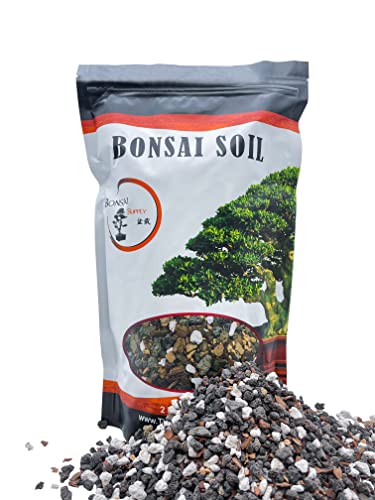
- Bonsai soil. This is a fast-draining, gritty mix made for shallow pots. It keeps the roots from sitting wet, which is the most common way beginner trees die.
- Bonsai shears. These are sharp, narrow scissors for trimming shoots and small branches cleanly. Kitchen scissors crush stems and leave ragged wounds.
A small watering can with a fine rose spout helps too. It soaks the soil gently without washing it out of the pot.
Indoor vs. Outdoor Bonsai Trees
Some bonsai trees can live indoors, and others need to stay outside year-round. Tropical and subtropical trees handle indoor life. Temperate trees need outdoor seasons and a winter rest.
Trees That Handle Indoor Life
Most trees sold as “indoor bonsai” are tropical or subtropical plants. They don’t need a cold winter, so a bright room suits them.
Common indoor choices include:
- Ficus. Forgiving, glossy-leaved, and the most popular beginner bonsai.
- Jade (Crassula). A succulent that stores water in its thick leaves.
- Chinese elm. Tough and adaptable, and it can live indoors or out.
- Schefflera. Handles lower light better than most.
- Fukien tea. Small dark leaves and tiny white flowers, but fussier about water.
If you’re new to plants overall, a ficus or jade is the easiest start. They’re as forgiving as many easy indoor plants for beginners, as long as they get enough light.

Trees That Must Live Outdoors
Juniper, pine, maple, and many elms need outdoor seasons. They expect cold winters and a dormant period. Without that rest, they weaken and eventually die.
This trips up a lot of people. Junipers are often sold as “indoor bonsai,” but a juniper kept indoors will slowly decline. It may look fine for months before it suddenly browns.
Keep a juniper outside in a bright spot all year. In winter, protect the roots from freezing hard. Setting the pot on the ground in a sheltered spot, or mulching around it, helps a lot.
Pet Safety for Indoor Bonsai
Per the ASPCA, ficus is toxic to cats and dogs, mainly because of its sap. Jade is also toxic to pets. Keep these trees on a high shelf or in a room your pets don’t use.
Wipe up any sap after pruning a ficus. It can also irritate sensitive skin, so gloves are a good idea.

| Tree | Indoors or Outdoors | Winter Needs | Beginner-Friendly |
|---|---|---|---|
| Ficus | Indoors | Warm, bright | Yes |
| Jade | Indoors | Warm, bright, drier | Yes |
| Chinese elm | Either | Tolerates cool | Yes |
| Schefflera | Indoors | Warm | Yes |
| Fukien tea | Indoors | Warm, steady moisture | Moderate |
| Juniper | Outdoors | Cold dormancy | Yes, outdoors only |
| Pine | Outdoors | Cold dormancy | Moderate |
| Maple | Outdoors | Cold dormancy | Moderate |
Best Light for a Bonsai Tree
Most indoor bonsai need 4 to 6 or more hours of bright light a day. A south or west window works best, and a grow light fills the gap in darker homes.
Picking the Right Window
A south-facing window gives the most steady light in US homes. A west window is the next best choice. East windows can work for schefflera, but most trees will grow weak there.
North windows and spots deep inside a room are too dim. A bonsai in low light grows long, thin shoots with big gaps between leaves. It also uses water slowly, so the soil stays wet too long.
Set the tree right by the glass, not across the room. Light drops off fast with every foot away from a window.
Rotate the Pot Every Week
Trees grow toward their light source. If you never turn the pot, one side fills out while the other thins. Give the pot a quarter turn each week to keep growth even.
I’d pick a day, like Sunday, and turn it then. It’s a small habit that makes a big difference in shape.
When to Add a Grow Light
Winter light in the northern US is often too weak for tropical bonsai. Short days and gray skies leave them starving. A grow light solves that.
Set the light about 6 to 12 inches above the canopy and run it 12 to 14 hours a day. My roundup of the best grow lights for indoor plants covers what to look for in brightness and size.
If you move an indoor tree outside for summer, do it slowly. Start in shade and add more sun over a week or two, or the leaves can scorch.
How to Water a Bonsai Tree
Water a bonsai when the top half inch to 1 inch of soil feels dry, and water until it runs out the drainage holes. Don’t water on a fixed schedule. Check the soil every day instead.

Check the Soil Daily
Bonsai pots are small and shallow, so they dry out fast. A tree that needed water every four days in spring may need it daily in summer.
Push a fingertip into the soil, or slide in a wooden chopstick and see if damp soil clings to it. If the top half inch to 1 inch is dry, it’s time to water. If it’s still damp, wait.
Overwatering and underwatering are the top causes of bonsai death. A daily check is the simplest way to avoid both.
Water Thoroughly, Then Drain
When you water, soak the whole root ball. Pour slowly over the entire soil surface until water flows out of the drainage holes. Wait a minute, then water again to make sure everything is wet.
If the soil has dried out completely, it may shed water. In that case, set the pot in a basin of water just below the rim for 10 minutes. Then lift it out and let it drain fully.
Never leave a bonsai sitting in water. Empty the saucer or tray after watering, or the roots will suffocate and rot.
Add Humidity Indoors
Heated homes are dry in winter, and tropical trees notice. A humidity tray helps. Fill a shallow tray with pebbles and water, then set the pot on top so its base sits above the water line.

The water evaporates around the tree and raises the humidity slightly. Just keep the pot from touching the water, since that wicks moisture into the soil and keeps it soggy.
| Situation | How Often You’ll Likely Water |
|---|---|
| Hot summer, outdoors, full sun | Daily, sometimes twice |
| Bright indoor window, spring and summer | Every 1 to 3 days |
| Indoors in winter | Every 3 to 7 days |
| Jade bonsai | Less often; let it dry a bit more |
| Outdoor tree in winter dormancy | Only when soil starts to dry |
Bonsai Soil and Pots
Bonsai need a fast-draining, gritty soil and a shallow pot with drainage holes. Regular potting soil holds too much water for a small pot and leads to root rot.
What Goes Into Bonsai Soil
A good bonsai mix is mostly hard, porous particles. Common ingredients include:
- Akadama. A baked clay that holds water but keeps its structure.
- Pumice. A light volcanic rock that drains well and adds air.
- Lava rock. Porous and rough, so roots grip it easily.
- Bark. Adds a bit of organic matter and moisture.
These pieces leave air gaps between them. Water runs through fast, and roots get oxygen right after you water. That’s the whole point of the mix.
Why Regular Potting Soil Fails
Regular potting mix is fine for many houseplants, but it’s too dense for a bonsai pot. It packs down, stays wet for days, and smothers the roots.
My guide to the best soil for indoor plants explains how different plants need different mixes. Bonsai sit at the gritty, fast-draining end of that scale.
Jade bonsai can use an extra-gritty blend, similar to cactus mix. Its needs line up closely with basic succulent care, so let it dry a little more between waterings than a ficus.