
Picking the best plants for hydroponics is the single biggest factor in whether your first grow goes well. Some crops love life in water. Others fight you every step of the way.
In this guide, I’ll walk you through 15 easy picks, from fast leafy greens to fruiting crops that reward a little extra effort. I’ll also cover which plants to skip and how to match each crop to the right system, light and nutrient strength.
What Makes a Plant Good for Hydroponics
A good hydroponic plant grows fast, stays compact, and harvests above the waterline. Leafy greens and herbs check every box, which is why most beginners start there.
Fast Growth and Compact Size
Plants that mature quickly give you feedback fast. If something goes wrong with your pH or nutrients, you’ll know within days and can correct it before the next crop.
Compact plants also fit small reservoirs and short grow lights. A head of lettuce or a basil plant stays manageable. A sprawling squash vine does not.
Quick crops also mean less time for problems to build. Algae, root disease and nutrient drift all have fewer chances to take hold.
Above-Ground Harvests
The best crops produce what you eat above the net cup. Leaves, stems, fruit and flowers all grow up into the light, while roots hang in the solution.
Root crops are the opposite. Carrots and potatoes need loose soil to form properly, and they struggle in water or inert media.
What You Need to Get Started
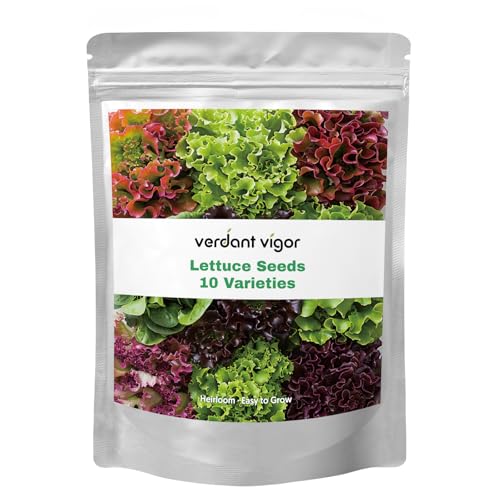
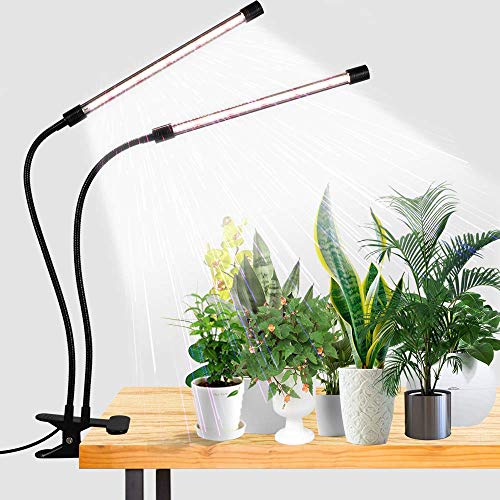
You don’t need much gear for your first leafy greens or herbs. My advice is to start with two things: a packet of lettuce and herb seeds and a full-spectrum LED grow light.
Lettuce and herb seeds are cheap, germinate easily, and give you a harvest in weeks. A full-spectrum LED lets you grow year-round, since a window is often too weak in winter.
Beyond that, you’ll want a complete hydroponic nutrient, a pH test kit or meter, and some growing media like rockwool or coco coir. If you’re brand new, my guide on how to start hydroponic gardening covers the full setup step by step.
Best Leafy Greens
Leafy greens are the easiest and most forgiving hydroponic crops. They grow fast, need modest light and nutrients, and do great in simple passive systems.
Here are six greens I recommend, which make up the first part of my list of the best plants for hydroponics.
1. Lettuce
Lettuce is the classic starter crop. It takes about 30 to 45 days from seed to full heads, and you can pick baby leaves in just 3 to 4 weeks.
It grows best at 60 to 70°F and likes a pH around 5.8 to 6.2. Loose-leaf and butterhead types are the most beginner-friendly.
Watch out for heat. Warm rooms push lettuce to bolt, which turns leaves bitter. Tip burn, those brown leaf edges, is a calcium-transport problem tied to low airflow, high humidity and fast growth, so a small fan helps.
2. Spinach
Spinach does well hydroponically, but it’s a true cool-season crop. Keep it in a cool room and it rewards you with tender leaves.
In warm conditions, spinach bolts even faster than lettuce. I’d grow it in fall, winter or early spring indoors, or in a basement that stays cool.
3. Kale
Kale is tough, productive and hard to kill. It tolerates a wider temperature range than lettuce or spinach.
Harvest the outer leaves and let the center keep growing. One plant can produce for weeks with this cut-and-come-again approach.
4. Swiss Chard
Chard is another steady producer that handles warmth better than most greens. The colorful stems also make it one of the prettiest plants in an indoor setup.
Like kale, it does best with outer-leaf harvests. Give it a bit of headroom, since mature plants get larger than lettuce.
5. Arugula
Arugula is one of the fastest crops you can grow. Its peppery leaves are ready to pick in just a few weeks.
It does bolt quickly in heat, so sow small batches every couple of weeks. That keeps a steady supply coming instead of one big flush.
6. Bok Choy
Bok choy grows quickly and stays compact, which makes it a great fit for small systems. Baby bok choy is especially easy.
It prefers cool temperatures, similar to lettuce. Harvest whole heads when they reach the size you like, or pick outer leaves as needed.
Best Herbs
Herbs are nearly as easy as leafy greens and often more valuable per square foot. Store-bought herbs are pricey, so a small hydroponic herb setup pays you back quickly.
7. Basil
Basil is a star in hydroponics. It loves warmth, bright light and steady moisture, and it grows fast in water.
Pinch the top sets of leaves often to keep it bushy. If you let basil flower, leaf production slows and flavor changes.
Basil is the one herb on this list that likes it warm. It pairs well in a system with other warm-loving plants, not cool-season spinach.
8. Mint
Mint grows aggressively, which is a plus in hydroponics. Roots can fill a reservoir fast, so give it its own container if you can.
That vigor makes it nearly foolproof. Trim it often and it will keep pushing out fresh stems.
9. Parsley
Parsley is slower to germinate than most herbs, so be patient at the seed stage. Once it’s established, it produces steadily for a long time.

Both flat-leaf and curly types work well. Harvest outer stems at the base and leave the center to keep growing.
10. Cilantro
Cilantro grows well hydroponically but bolts quickly in warmth. Cool conditions and succession sowing are the keys to keeping it leafy.
If it does go to flower, let it finish and you’ll get coriander seeds. That’s a nice bonus from a short-lived plant.
11. Chives
Chives are low-maintenance and keep regrowing after every cut. Snip them an inch or two above the base and they come right back.
They take up very little space and tolerate small fluctuations in nutrients well. They’re a great filler for empty net cups.

If herbs are your main goal, my guide to starting an herb garden covers harvesting and care tips that apply indoors and out.
Fruiting Crops Worth Trying
Fruiting crops can thrive hydroponically, but they need more of everything. Expect stronger light, higher nutrient strength, support for stems, and hand pollination indoors.
12. Strawberries
Strawberries are one of the most rewarding fruiting crops for home systems. They stay compact and fit well in vertical or NFT setups.

Day-neutral or everbearing types work best indoors because they fruit over a longer season. Starting from runners or bare-root plants is faster than seed.
Indoors, there are no bees to do the work. Brush each open flower gently with a small paintbrush to spread pollen, or the berries may come out lumpy.
13. Cherry Tomatoes
Cherry tomatoes are the best tomato choice for home hydroponics. Compact or dwarf varieties handle indoor space much better than large indeterminate vines.

They need strong light for 14 to 18 hours a day and a stronger nutrient solution than greens. Plan on staking or caging the plant early.
Tomato flowers are self-fertile but need movement to release pollen. Gently shake the stems or tap the flower clusters every day or two while they bloom.
14. Peppers
Peppers, both sweet and hot, do well in DWC and drip systems. Smaller varieties are easier to manage under a grow light.
They’re slower than tomatoes, so expect to wait a while for the first fruit. Like tomatoes, they benefit from a light shake or a brush on the flowers to help pollination.
15. Cucumbers
Cucumbers grow fast and produce heavily, but they need room to climb. A trellis or vertical support is a must.
Look for compact or bush types and, if possible, self-pollinating (parthenocarpic) varieties. These set fruit without pollination, which makes indoor growing much easier.
Extra Care for Fruiting Plants
Fruiting crops pull a lot of nutrients once they start flowering. Keep an eye on your EC and top off the reservoir more often.
They also produce bigger root masses. A larger reservoir helps keep the solution stable and the roots happy.
Plants to Skip
Some crops just aren’t worth the trouble in a home hydroponic system. Skip root crops, corn and large vining plants, at least while you’re learning.
Root Crops
Carrots, potatoes and bulb onions form their edible parts underground. In water or inert media, they often grow misshapen or rot.
They also take a long time to mature for a modest harvest. Soil does a far better job with these crops.
Corn
Corn grows tall, needs lots of light and space, and produces only a few ears per plant. It’s simply a poor use of a small system.
It also relies on wind pollination, which is hard to replicate indoors. I’d leave corn to the backyard garden.
Big Vines
Squash, pumpkins and melons sprawl over huge areas and need massive root systems. They also produce heavy fruit that’s tough to support indoors.
These plants can technica