
A poinsettia can stay bright red well past New Year’s if you give it the right start. Good poinsettia care comes down to a few basics: bright light, careful watering, and steady warmth away from drafts.
Most of the plants that drop leaves in December run into one of those three problems.
In this guide, I’ll cover how to pick a healthy plant, where to put it, and how to water it without drowning the roots. I’ll also explain how to keep it growing after the holidays and how to get those colorful bracts back next winter.
Choosing and Bringing Home a Healthy Poinsettia
A healthy poinsettia has dense, dark green leaves, firm stems, and tight green-yellow buds in the center of the colored bracts. Get it home warm and wrapped, because cold air on the trip can damage it before it ever reaches your living room.
What to Look For at the Store
The poinsettia (Euphorbia pulcherrima) is a tropical shrub from Mexico. The red, pink, white, or marbled parts that everyone loves aren’t flowers at all. They’re bracts, which are modified leaves.
The true flowers are the tiny yellow clusters in the center, called cyathia. Those clusters tell you how fresh the plant is. Pick one with tight, green-yellow buds rather than fully open flowers covered in yellow pollen.
Here’s what else to check before you buy:
- Foliage: Dense, dark green leaves all the way down the stems.
- Bracts: Fully colored, with no green edges or brown spots.
- Posture: No wilting, drooping, or yellowing.
- Leaf drop: No fallen leaves on the shelf or in the sleeve.
- Soil: Not soggy or sour-smelling, and not bone dry either.
- Stems: Sturdy, with no soft or blackened spots at the base.
A plant with bare lower stems has likely been stressed already. It may still look fine for a week, but it often declines fast at home.
Where the Plant Was Displayed Matters
Poinsettias hate cold air and sudden swings. I’d skip plants sitting near automatic doors, on sidewalk racks in chilly weather, or in drafty entryways. Even a few hours of cold exposure can cause leaf drop days later.
Also watch for plants packed tightly in plastic sleeves for long periods. The sleeve traps moisture and ethylene gas, and that can make leaves droop and fall. Choose one that looks open and upright, or ask for one that just came off the truck.
Getting It Home Safely
Temperatures below about 50°F can damage a poinsettia. In cold weather, have the plant wrapped in a paper or plastic sleeve for the trip. Make it your last stop so it doesn’t sit in a cold car.
Once you’re home, unwrap it right away. Set it in a bright spot away from vents and doors, then check the soil. Two products make the next few weeks easier:

- Potting mix: A fresh bag of well-draining potting mix comes in handy if you repot later or need to replace soggy soil.
- Moisture meter: A simple moisture meter helps you tell when the soil is dry enough to water, though a finger test works too.
If you’re new to houseplants and want something less fussy alongside it, my list of easy indoor plants for beginners has good options.
Best Light for a Poinsettia
A poinsettia needs at least 6 hours of bright, indirect light every day. Harsh direct sun through glass can fade the bracts and scorch the leaves.
Finding the Right Window
The best spot is near a sunny window but out of the strongest rays. An east window works well, and so does a few feet back from a south or west window. A sheer curtain can soften strong afternoon sun.
Low light is the more common mistake in winter. A poinsettia tucked on a dark side table or deep in a room will slowly yellow and drop its lower leaves. The bracts may hold their color for a while, but the plant behind them weakens.
| Spot | Light level | Good for a poinsettia? |
|---|---|---|
| East window | Bright morning light | Yes |
| A few feet from a south or west window | Bright indirect light | Yes |
| Directly against a sunny south window | Strong direct sun through glass | Sometimes too harsh |
| North window | Low light | Usually too dim |
| Center of a room or a dark corner | Low light | No |
Signs of Too Little or Too Much Light
Too little light shows up as yellowing lower leaves, pale new growth, and leaves falling from the bottom up. Stems may lean hard toward the window.
Too much direct sun shows up as faded, washed-out bracts and tan or papery patches on leaves facing the glass. Pull the plant back a little if you see that. Damaged tissue won’t recover, but the rest of the plant will be fine.
Using a Grow Light in Dark Homes
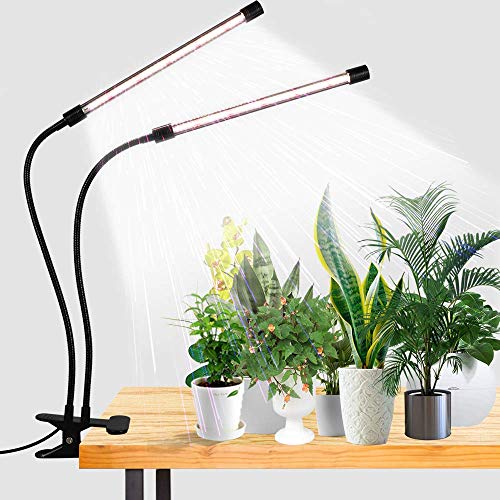
Winter days are short, especially in northern states. If your home is dim from November through February, a grow light can fill the gap. My guide to the best grow lights for indoor plants explains how to set one up.
One caution: don’t run a grow light on your poinsettia in fall while you’re trying to recolor it. Extra light at night stops the bracts from turning. I’ll cover that timing later.
How to Water a Poinsettia
Water a poinsettia when the top inch of soil feels dry, then soak it thoroughly and let all the extra drain away. Never let it sit in water.

Checking When It Needs Water
Push your finger about an inch into the soil. If it feels dry, it’s time to water. If it still feels damp, wait and check again in a day or two.
Lifting the pot also helps. A light pot means dry soil, while a heavy one is still holding water. In a warm, bright room, you may water every few days. In a cool room, it could be closer to once a week.

The point is to check rather than follow a strict schedule. Poinsettias are sensitive to both extremes.
Watering the Right Way
When the soil is dry, take the plant to a sink. Water slowly until it runs out of the drainage holes, then let it drain for several minutes. Use room-temperature water, since cold water can shock the roots.
That foil or plastic sleeve around the pot is the biggest trap. Water pools in the bottom and soaks the roots for days.
My advice is to remove it, or at least poke a few holes in the bottom and set the pot on a saucer.
If you keep the sleeve for looks, lift the plant out after every watering and pour out anything that collects. Empty saucers within about 30 minutes too.
Overwatering vs. Underwatering
Both problems cause wilting and leaf drop, which confuses a lot of people. The soil tells you which one you’re dealing with.
| Sign | Too dry | Too wet |
|---|---|---|
| Soil an inch down | Dry, may pull from pot edge | Damp or soggy |
| Pot weight | Light | Heavy |
| Leaves | Limp, then drop | Yellow, droop, then drop |
| After watering | Perks up within hours | No change or gets worse |
| Roots | Dry but firm | Brown, mushy, may smell sour |
Soggy roots cause wilting, leaf drop, and root rot. A dry plant wilts too, and repeated wilting from dryness also causes leaves to fall. Keep the soil evenly moist between those two extremes, never soaked and never bone dry.
Temperature, Humidity and Drafts
Poinsettias grow best at 65 to 70°F during the day and above 60°F at night. Keep them away from heat vents, fireplaces, and cold drafts, since sudden changes cause leaves to drop.
The Ideal Temperature Range
Most homes already fall in the right range, which is good news. Try to keep nights above 60°F if you can, and never let the plant drop below about 50°F.
Cool nights in the low 60s can actually help the bracts last longer. Warm, stuffy rooms tend to shorten the color season and dry the soil faster.
| Condition | Target range |
|---|---|
| Daytime temperature | 65 to 70°F |
| Nighttime temperature | Above 60°F if possible |
| Lowest safe temperature | About 50°F |
| Humidity | Average home humidity is fine |
Watch for Hot and Cold Drafts
Drafts are the hidden cause behind a lot of holiday leaf drop. A poinsettia by the front door gets hit with cold air every time it opens. One near a heat register gets dried out by blasts of hot air.
Keep the plant at least a few feet from heating vents, radiators, fireplaces, and exterior doors. Also watch cold windows. On frosty nights, leaves touching the glass can get chilled, so pull the pot back a bit.
Be careful about moving it around too much. A poinsettia set on the dinner table for a party, then moved back by a window, then onto a cold porch, will usually react by dropping leaves.
Is Humidity a Problem?
Average home humidity is fine for a poinsettia. You don’t need a humidifier or a pebble tray for it to do well through the holidays.

That said, very dry heated air near a vent can crisp leaf edges and dry the soil quickly. The fix is usually moving the plant away from the heat source, not adding moisture to the air.
Soil, Pots and Feeding
A poinsettia needs a well-draining potting mix and a pot with a drainage hole. It doesn’t need fertilizer while it’s in color, but feed it every 2 to 4 weeks once it starts growing again in spring.
