
A Christmas cactus is one of the few houseplants that can stay in a family for decades.
It’s forgiving, it doesn’t need much space, and it puts on a show of pink, red, white, or orange flowers right when the days are darkest. Good christmas cactus care comes down to a few simple habits.
The catch is that this plant isn’t a desert cactus, so treating it like one causes most of the trouble. Below, I’ll walk you through light, water, soil, feeding, and the long-night trick that sets flower buds.
I’ll also explain how to fix the problems that show up most often.
What a Christmas Cactus Is (and How to Tell It From Other Holiday Cacti)
A Christmas cactus (Schlumbergera x buckleyi) is a jungle cactus from Brazil. In the wild, it grows on trees in humid forests, so it needs more water and less sun than the spiny cacti you picture in a desert.
A Jungle Cactus, Not a Desert One
Christmas cacti grow in the crooks of tree branches in their native forests. Their roots cling to bark and pockets of decaying leaves, where water drains away fast but the air stays moist. That’s the setup you want to copy at home.
These plants don’t have true leaves. What looks like a leaf is a flat stem segment, and the segments link together into arching, trailing stems. Flowers form at the tips of the newest segments.
For a starter setup, I like two basic supplies. A bag of succulent mix makes a good base for a loose, fast-draining blend. A terracotta pot with a drainage hole helps extra moisture escape through its walls.
Christmas, Thanksgiving, and Easter Cactus Compared
Three holiday cacti get sold under the same name, and they look alike at first glance. The easiest way to tell them apart is to look closely at the edges of the stem segments.
| Plant | Botanical name | Segment shape | Usual bloom time |
|---|---|---|---|
| Christmas cactus | Schlumbergera x buckleyi | Flat with smooth, rounded scallops | December |
| Thanksgiving cactus | Schlumbergera truncata | Flat with pointed, clawlike teeth | November |
| Easter cactus | Hatiora | Rounded, with soft bristles at the tips | Spring |
Many plants sold in stores during the holidays are actually Thanksgiving cacti. They bloom a few weeks earlier, which makes them easy to ship in full bud.
Does It Matter Which One You Have?
For everyday care, Christmas and Thanksgiving cacti are treated almost the same. They like the same light, water, soil, and long-night bloom trigger. The main difference is timing, since a Thanksgiving cactus sets buds and flowers a bit sooner.

The Easter cactus is the odd one out. It blooms in spring and needs its cool, dark rest period later in winter, so its schedule runs on a different calendar.
Best Light for a Christmas Cactus
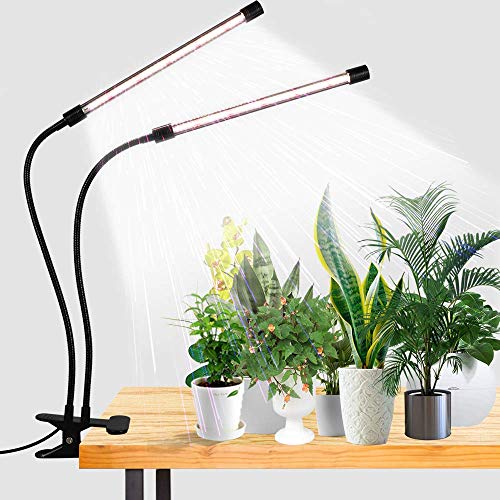
A Christmas cactus wants bright, indirect light. An east window is ideal because it gets gentle morning sun and stays out of the harsh afternoon rays.
Where to Place It Indoors
An east-facing window gives the plant a few hours of soft morning light, then bright shade the rest of the day. That’s close to the dappled light it gets under a forest canopy.
A north window works if the room is bright, though growth may be slower and blooms fewer. In a south or west window, set the plant back a few feet or behind a sheer curtain to filter the sun.
Signs of Too Much or Too Little Light
Direct afternoon sun can scorch or redden the segments. You may see a reddish or purplish tint spreading across the stems, or bleached, papery spots on the side facing the glass.

Too little light shows up in a different way. The plant grows slowly, new segments come in small and pale, and it may refuse to bloom. If your plant seems stuck, light is one of the first things I’d check.
Can It Go Outside in Summer?
Yes, many Christmas cacti enjoy a summer outdoors in a shady spot. A covered porch or the shade of a tree works well. Keep it out of direct midday sun, which will burn the segments fast.
Bring it back inside before nights drop near 50°F. Check the leaves and soil for pests before it comes in so you don’t carry hitchhikers to your other plants.
How to Water a Christmas Cactus
Water a Christmas cactus when the top 1 to 2 inches of soil are dry, and water thoroughly until it drains. Never let the pot sit in water afterward.

How to Tell When It Needs Water
Push your finger into the soil up to your second knuckle. If it feels dry at that depth, it’s time to water. If it still feels damp, wait a few days and check again.
Lifting the pot helps too. A light pot means the soil is dry, while a heavy one is still holding water. After a few weeks, you’ll get a feel for the difference.
How to Water Thoroughly
Pour water slowly over the soil until it runs out of the drainage hole. This soaks the whole root ball, not just the top layer. Then let the pot drain completely.
Empty the saucer or decorative outer pot within about 30 minutes. Water left sitting at the bottom keeps the roots soggy, and that’s the fastest way to lose this plant.
My advice is to skip a fixed calendar schedule. A plant in a bright, warm room in summer drinks much faster than one in a cool room in winter.
Overwatering vs. Underwatering
Both problems make the plant look unhappy, so it helps to know the difference. Overwatering causes root rot and limp, wilting segments. Underwatering causes shriveled, wrinkled segments.
| Sign | Too much water | Too little water |
|---|---|---|
| Soil | Damp or soggy for days | Dry and pulling from the pot edge |
| Segments | Limp, soft, may yellow | Wrinkled, thin, shriveled |
| Base of stems | Can turn mushy or dark | Firm |
| After watering | No change or gets worse | Plumps up within a day or two |
If your plant looks limp in wet soil, stop watering and check the roots. My guide on why your houseplant is dying explains how to inspect roots and repot after rot.
Soil, Pots and Repotting
Use a loose, well-draining potting mix with extra perlite or orchid bark, in a pot with drainage holes. Repot only every 2 to 3 years, because this plant likes being a little snug.
The Right Potting Mix
Regular potting soil alone holds too much water for a jungle cactus. I’d mix it with perlite or orchid bark to open it up. A blend of succulent mix and orchid bark also works nicely.
The goal is soil that drains fast but still holds a little moisture, much like the bark and leaf litter these plants grow on in the wild. For more on mixes, see my guide to the best soil for indoor plants.
Choosing a Pot
A drainage hole is non-negotiable. Terracotta dries faster than plastic, which helps if you tend to overwater. Plastic or glazed pots hold moisture longer, which suits people who forget to water.
I’d be careful with self-watering containers for this plant, since they can keep the mix too wet. If you love that style, my review of the best self-watering pots for indoor plants covers how to use them without drowning the roots.
When and How to Repot
Repot in spring, after flowering ends. Go up just 1 inch in pot size. A pot that’s too big holds extra wet soil that the roots can’t reach, which invites rot.
Signs it’s time include roots poking out of the drainage hole, soil that dries in a day or two, or a plant that tips over easily. Loosen any circling roots gently, set the plant at the same depth, and water lightly.
Temperature, Humidity and Feeding
A Christmas cactus is comfortable at 60 to 70°F with moderate to higher humidity. Feed it lightly in spring and summer, then stop in early fall.

Temperature Range
Normal room temperatures suit this plant most of the year. Keep it above about 50°F, since colder air can damage the segments and roots.
Avoid drafts and heat vents. A spot next to a radiator, a drafty door, or an air conditioning vent will stress the plant and can cause bud drop later in the season.
Humidity
Because it comes from humid forests, this plant does best with moderate to higher humidity. Dry winter air in heated homes can leave it looking dull or slow.

A pebble tray is an easy fix. Fill a shallow tray with pebbles and water, keeping the water just below the base of the pot. Grouping plants together also helps a little.
Fertilizer Schedule
Use a balanced liquid fertilizer at half strength every 2 to 4 weeks in spring and summer. That’s when the plant puts on new segments, which become next season’s flowering tips.
Stop fertilizing in early fall and while the plant blooms. Feeding late in the year can push leafy growth instead of buds. My post on