
Kale is one of the easiest and most forgiving greens you can grow. It handles cold better than almost anything else in the vegetable garden, and it keeps producing leaves for months when you pick it the right way.
If you’ve wanted to learn how to grow kale, the good news is that the basics are simple: cool weather, rich soil, steady water and a little protection from caterpillars.
Kale is a cool-season biennial that most of us grow as an annual. Plant it in early spring or late summer, pick the outer leaves as you need them, and let a few frosts sweeten the flavor.
Below, I’ll walk through every step, from picking seeds to harvesting in the snow.
Choosing Kale Varieties and Seeds
Pick a kale type based on how you like to eat it. Curly kale is the classic all-purpose type, lacinato is tender and great for cooking, and Red Russian is mild enough for salads.
All three grow the same way. They need the same timing, spacing and care. So the choice really comes down to flavor, texture and looks.
Curly, Lacinato and Red Russian Types
These are the three main kale groups you’ll see on seed racks and in catalogs:
- Curly kale: Frilly, ruffled leaves in green or purple. It’s very cold-hardy and holds up well in soups, sautés and kale chips.
- Lacinato kale: Also called dinosaur or Tuscan kale. It has long, narrow, blue-green leaves with a bumpy texture and a rich, earthy flavor.
- Red Russian kale: Flat, oak-shaped leaves with purple stems and veins. The leaves are tender and mild, so they’re great raw.
Curly types tend to shrug off the hardest freezes. Lacinato is a bit more tender but still handles frost well. Red Russian is a strong choice for baby greens because the young leaves are so soft.
| Kale Type | Leaf Look | Flavor and Texture | Best Uses |
|---|---|---|---|
| Curly | Ruffled, frilly | Bold, slightly peppery, sturdy | Chips, soups, sautés |
| Lacinato (dinosaur, Tuscan) | Long, narrow, bumpy, blue-green | Earthy, sweet, tender when cooked | Pasta, stews, braises |
| Red Russian | Flat, oak-like, purple veins | Mild, sweet, very tender | Salads, baby greens, light sautés |
What to Look for When Buying Seeds
Buy fresh kale seeds from the current season if you can. Kale seed usually stays viable for a few years, but older seed sprouts more slowly and less evenly. Check the packed-for date on the packet.
Look at the days to maturity, too. Some varieties are bred for fast baby greens, while others are bred for big plants that hold through winter. If you plan to grow kale into the cold months, pick a variety described as extra cold-hardy.

My advice for beginners is to grow two types side by side. A curly kale and a lacinato kale give you different textures for the kitchen and a backup if one variety struggles in your garden.
Supplies That Make Kale Easier
You don’t need much gear to grow kale. A packet of seeds and a sunny bed will get you started.

If you want to start plants indoors, a seed starting tray is the most useful tool. It lets you raise sturdy seedlings while the garden is still too cold or wet to work.
A clear humidity dome and a fresh seed-starting mix round out the setup.
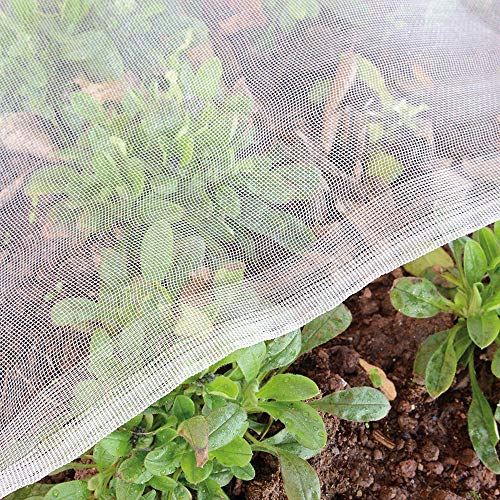
Insect netting is the other item I’d plan for from day one. It keeps cabbage butterflies and moths from laying eggs on your plants, which saves you a lot of trouble later.
When to Plant Kale
Plant kale in early spring, a few weeks before your last frost, or in mid to late summer for a fall and winter crop. Kale grows best in cool weather between about 55 and 75°F.
Timing matters more than almost anything else. Kale planted on schedule grows fast and sweet. Kale that matures in midsummer heat often turns tough and bitter.
Spring Planting Times
For a spring crop, sow seeds indoors 4 to 6 weeks before your last spring frost. You can also direct sow outdoors 2 to 4 weeks before that frost date, as soon as the soil can be worked.

Young kale handles light frost without trouble. That’s why you can plant it so early. Getting it in the ground early gives it plenty of cool weeks to grow before summer heat arrives.
If you’re not sure of your frost dates, my guide on when to plant vegetables explains how to find them and build a planting calendar.
Fall Planting Times
For a fall crop, sow kale about 6 to 10 weeks before your first fall frost. In much of the US, that means sowing in mid to late summer.
Fall kale is often the best kale of the year. The plants grow during warm late-summer days and then mature as the weather cools. Frost then sweetens the leaves right when the plants are ready to pick.
Late-summer seedlings may need a little extra care. Keep the soil moist and give young plants light shade on very hot afternoons until they settle in.
Planting by Region
Kale timing shifts depending on where you live. Here’s a general guide:
| Region | Spring Planting | Fall Planting |
|---|---|---|
| Northeast and Midwest | March to April | Late July to August |
| Pacific Northwest | February to April | July to August |
| Mountain West | April to May | July |
| Southeast and Gulf Coast | Late January to February | September to October |
| Desert Southwest | January to February | September to November |
In warm-winter areas like the Gulf Coast and low desert, fall through spring is prime kale season. You can grow it right through winter there. In cool-summer areas, kale may even keep producing through the summer.
Starting Kale From Seed or Transplants
You can direct sow kale in the garden, start seeds indoors, or buy transplants. All three work well, so pick the method that fits your schedule and climate.
Direct sowing is the simplest. Starting indoors gives you a head start in spring and helps young plants avoid summer heat in fall.
Direct Sowing Kale Seeds
Sow kale seeds 1/4 to 1/2 inch deep in loose, moist soil. Drop seeds about 1 inch apart in rows or blocks. In soil that’s around 60 to 75°F, they sprout in about 5 to 10 days.
Keep the seedbed evenly moist until the seedlings come up. A light layer of fine compost or a board laid over the row (removed as soon as sprouts appear) helps hold moisture.
Once seedlings have 2 or 3 true leaves, thin them. You can thin in stages, first to about 4 inches apart and then to the final spacing of 12 to 18 inches. Toss the thinnings into a salad.
Starting Seeds Indoors
Fill a seed starting tray with fresh seed-starting mix and moisten it well. Sow two seeds per cell, 1/4 to 1/2 inch deep. Keep the tray around 65 to 75°F until the seeds sprout.
After sprouting, move the tray to a cooler spot near 60°F and give it strong light. Grow lights set a few inches above the leaves for 14 to 16 hours a day keep seedlings short and sturdy.
Leggy, stretched seedlings usually mean too little light or too much warmth.
Snip the weaker seedling in each cell at soil level. Water from below when the top of the mix feels dry. Once true leaves show, feed with a half-strength liquid fertilizer every week or two.

Hardening Off and Transplanting
Harden off seedlings over about 7 to 10 days before planting them outside. Start with an hour or two in a shady, sheltered spot. Then add a little more time and sun each day until they can stay out overnight.
Transplant when seedlings have 4 to 6 true leaves. A cloudy day or late afternoon is best. Set each plant slightly deeper than it grew in the tray, firm the soil gently, and water it in well.
If you buy nursery transplants, pick short, stocky plants with deep green leaves. Skip any that look yellow, root-bound or stretched. Cover your new transplants with insect netting the same day you plant them.
Sun, Soil and Spacing
Kale grows best in at least 6 hours of sun, in rich, well-drained soil with a pH of 6.0 to 7.5. Space plants 12 to 18 inches apart so each one has room to fill out.
If you’ve grown other brassicas, this part will feel familiar. My guide on how to grow cabbage uses many of the same soil and spacing basics, since kale and cabbage are close relatives.
Light Needs and Part Shade
Give kale 6 or more hours of direct sun for the fastest growth. Full sun gives you bigger plants and more leaves to pick.
Kale also tolerates part shade better than many vegetables. A bed with 4 to 5 hours of sun will still grow decent kale, just a little more slowly. In hot climates, afternoon shade actually helps spring and late-summer plantings stay tender.
Preparing Rich Soil
Kale loves soil full of organic matter. Before planting, work 2 to 3 inches of compost into the top 8 to 12 inches of soil. That improves drainage in heavy clay and helps sandy soil hold water.
Aim for a soil pH between 6.0 and 7.5. A simple soil test tells you where you stand. If your soil is very acidic, add lime, ideally a few months before planting so it has time to work.
Good drainage is important. Kale roots don’t like sitting in soggy ground. If your soil stays wet after rain, a raised bed is an easy fix.
Spacing in Rows, Beds and Pots
Space full-size kale plants 12 to 18 inches apart. Rows can be about 18 to 24 inches apart. Bigger varieties like many curly types appreciate the wider spacing.
For baby greens, you can plant much closer. Sow seeds thickly in a band and cut young leaves when they’re a few inches tall. You won’t get big plants this way, but you’ll get quick salads.
| Growing Style | Plant Spacing | Notes |
|---|---|---|
| Full-size plants in rows | 12 to 18 inches apart, rows 18 to 24 inches apart | Best for long-season picking |